


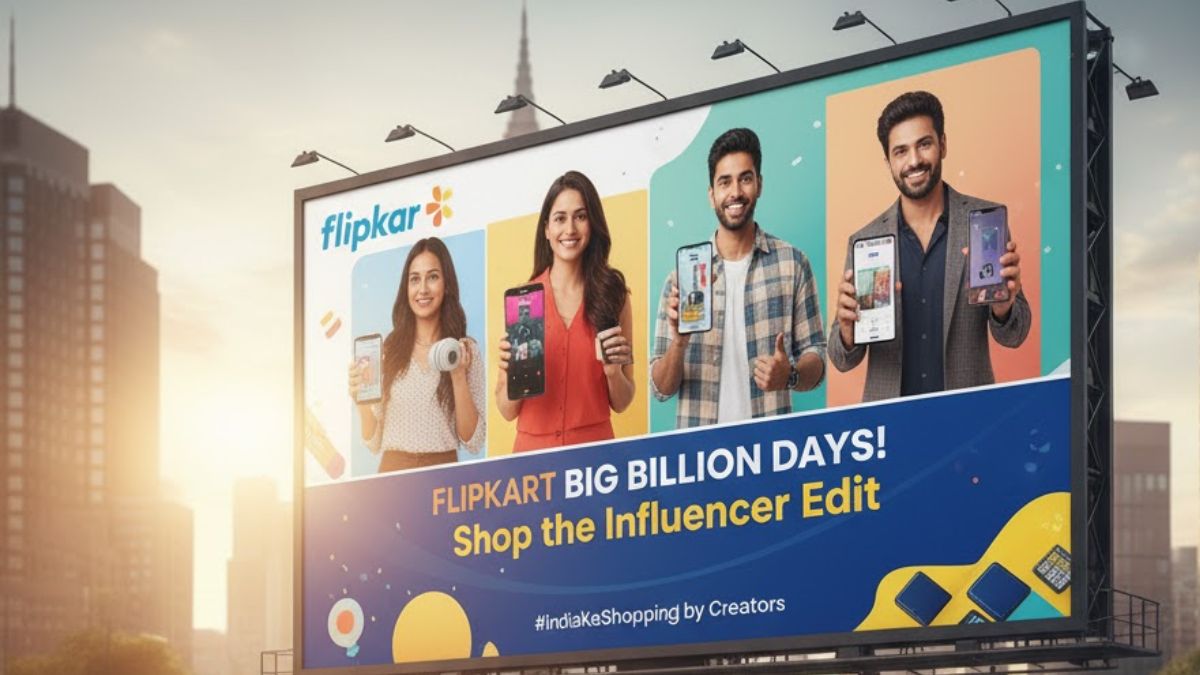
Introduction – The Making of a Festive Phenomenon
Every October, India gears up for one of the biggest online shopping carnivals — Flipkart’s Big Billion Days. What started as a single-day flash sale in 2014 has evolved into a full-blown festive season shopping phenomenon, influencing consumer behavior across the nation. Behind this transformation lies a powerful marketing machine — and at the heart of it, Flipkart’s influencer strategy.
This Case Study: Flipkart’s Influencer Strategy for Big Billion Days explores how the e-commerce giant used influencer collaborations, creator-driven storytelling, and regional engagement to turn a sale into a cultural celebration. Through this lens, we’ll decode the strategies, learnings, and impact that make Flipkart’s influencer marketing blueprint one of India’s most successful festive campaigns.
Social media collaborations and digital marketing
From celebrity tie-ins to micro-influencer power plays, Flipkart mastered the art of social media collaborations and digital marketing to dominate festive shopping conversations online. As brands compete for festive eyeballs and conversions, this case study offers actionable insights for marketers, agencies, and creators on how to replicate Flipkart’s marketing brilliance.
- Introduction – The Making of a Festive Phenomenon
- Social media collaborations and digital marketing
- 1. The Evolution of Flipkart’s Big Billion Days – From Sale to Social Movement
- 2. Behind the Scenes: Building a Creator-Driven Brand
- 3. Flipkart’s Social Media Collaboration Framework
- 4. Category-Wise Influencer Activations
- 5. The Numbers Behind the Buzz – Real Data, Real Impact
- 6. What Marketers Can Learn from Flipkart’s Influencer Playbook
- 7. Conclusion – The Power of Community in Commerce
- 10. About Hobo.Video
1. The Evolution of Flipkart’s Big Billion Days – From Sale to Social Movement
1.1 The Beginning: A Flash Sale Turns Viral
When Flipkart launched its first Big Billion Days in 2014, India’s e-commerce market was still young. Yet, the sale attracted over 1.5 million shoppers within hours, overwhelming servers and social media feeds alike. What started as a discount-driven event became a brand-defining moment.
By 2017, Flipkart had shifted from heavy-discount ads to emotional storytelling, building campaigns around “India’s festive spirit.” Instead of just pushing offers, the brand began highlighting how shopping was about celebration, family, and togetherness — a sentiment that resonates deeply with Indian audiences.
That emotional narrative laid the foundation for influencer marketing to take center stage.
1.2 The Rise of Influencer Collaborations
Flipkart recognized early that festive season campaigns thrive on social buzz. As Indian consumers began spending more time on Instagram, YouTube, and short-form video apps, the brand pivoted toward influencer collaborations to amplify its festive identity.
From Bollywood stars like Alia Bhatt and Ranbir Kapoor to regional YouTubers and fashion influencers, Flipkart built an ecosystem of creators representing India’s diversity. These partnerships helped translate Flipkart’s offers into relatable content — from styling videos to regional language memes — that reached millions organically.
By 2022, over 40% of Flipkart’s Big Billion Days engagement came through influencer-led content, according to a report by Social Samosa.
This strategic shift from traditional ads to creator-driven brand storytelling made Flipkart a case study in modern e-commerce marketing.
2. Behind the Scenes: Building a Creator-Driven Brand
2.1 Understanding the Audience: Data-Driven Festive Insights
For a brand marketer, success in influencer marketing starts with data. Flipkart’s team mined insights from previous campaigns — studying browsing behaviors, content engagement rates, and festival-specific spikes in search volume.
Their internal research revealed that:
- 70% of Big Billion Days shoppers were under 35
- 60% of total engagement came from Tier-2 and Tier-3 cities
- Short-form video platforms drove 3x higher conversion rates than static ads
This data helped Flipkart design an influencer strategy focused on regional relevance and UGC (user-generated content) storytelling rather than high-budget celebrity campaigns alone.
2.2 The Content Strategy: From Offers to Emotions
Flipkart’s influencer marketing evolved beyond product showcases. Each creator was encouraged to tell a story — not just promote a sale. The brand’s internal brief emphasized three pillars:
- Authenticity: Showcase real shopping experiences.
- Emotion: Link products with festive memories.
- Community: Encourage followers to share their own stories.
This approach blurred the line between influencer marketing and UGC videos, making consumers part of the campaign itself.
For instance, a regional food vlogger might create a “Big Billion Diwali Feast” video using products bought from Flipkart, while a fashion influencer shared “Festive Look under ₹999” reels. These UGC-style campaigns delivered relatability and authenticity, boosting engagement rates.
2.3 Choosing the Right Influencers: From Celebs to Micro-Creators
In 2021–2023, Flipkart collaborated with over 1,200 influencers across India, according to Business Today. The brand divided creators into three key tiers:
- Celebrity Influencers: For nationwide buzz (e.g., Virat Kohli, Alia Bhatt)
- Macro Influencers: For category-specific reach (tech, fashion, lifestyle)
- Micro & Nano Influencers: For community trust and regional storytelling
This mix allowed Flipkart to reach every consumer segment — from urban Gen Zs to rural families. Micro-influencers, in particular, became vital in building credibility in local languages. Their content didn’t just sell products; it humanized the brand.
The brand’s influencer ecosystem reflected what platforms like Hobo.Video define as “AI-powered community marketing” — using both algorithmic insights and human creativity to create deeper brand engagement.
3. Flipkart’s Social Media Collaboration Framework
3.1 Multi-Platform Presence
Flipkart’s influencer strategy wasn’t limited to Instagram. The team built a multi-platform campaign spanning:
- YouTube: Unboxing videos, tech reviews, and festive shopping hauls
- Instagram: Reels, Stories, and influencer takeovers
- Twitter/X: Hashtag challenges like
#BigBillionDaysUnboxed - Facebook: Family-centric content for older demographics
Each platform served a purpose. For instance, YouTube offered long-form storytelling, while Instagram created short-term virality. Flipkart also integrated AI tools to track engagement and sentiment across platforms, optimizing content performance in real time — a tactic now mirrored by the top influencer marketing companies in India.
3.2 Regional Campaigns: The Heart of Flipkart’s Success
One of the most overlooked but powerful aspects of Case Study: Flipkart’s Influencer Strategy for Big Billion Days is its regional focus.
Flipkart understood that India isn’t one market — it’s many micro-markets. Hence, the company worked with creators from Tamil Nadu, West Bengal, and the Northeast to make content in local languages and cultural contexts.
Examples include:
- Tamil creators doing “Festive Tech Hauls” in Tamil
- Bengali vloggers celebrating Durga Puja shopping
- Marathi influencers promoting Flipkart’s “Family Shopping Challenge”
This approach tapped into regional pride and emotional resonance, driving higher click-through and conversion rates.
According to ET Brand Equity, regional influencer videos accounted for over 45% of total video impressions during the 2023 Big Billion Days.
For marketers, this reinforces a key insight: hyperlocal storytelling outperforms one-size-fits-all campaigns.
3.3 Real-Time Engagement: Festive Momentum in Action
Flipkart’s team treated influencer marketing as a live campaign, not a static promotion. During the sale days, influencers shared real-time shopping updates, wishlists, and giveaways, turning their followers into active participants.
Some collaborated with the “The Influencer” series on YouTube — a behind-the-scenes look at creators preparing for Big Billion Days. Others hosted live sessions featuring famous Instagram influencers reviewing trending products.
By integrating influencers into real-time marketing moments, Flipkart amplified excitement and FOMO — two emotions that drive purchase intent during festive seasons.
4. Category-Wise Influencer Activations
4.1 Fashion & Lifestyle – Styling the Festive Story
Fashion and lifestyle categories have always been Flipkart’s influencer sweet spot. For Big Billion Days, the brand collaborated with top influencers in India from fashion and beauty niches to create engaging, relatable stories.
Creators like Komal Pandey, Dolly Singh, and Karron Dhinggra used the hashtag #BigBillionStyle to share styling reels and “Festival Looks Under ₹999.”
These videos aligned perfectly with Flipkart’s creator-driven brand identity — authentic, fun, and community-focused.
Instead of traditional ads, Flipkart leaned on UGC videos and micro-influencer testimonials that looked like organic content, not promotions. The result? Engagement rates were 2.5x higher than paid social ads, as perET Brand Equity.
This shift highlights how e-commerce influencer marketing can blend aspiration with affordability — the emotional core of India’s festive shopping behavior.
4.2 Electronics & Tech – Building Trust Through Expertise
For the electronics segment, Flipkart used tech YouTubers and reviewers as brand advocates. Influencers like Trakin Tech and Technical Guruji shared hands-on reviews and unboxing videos, integrating Flipkart’s Big Billion Days offers into their content.
These influencers acted as digital trust bridges, explaining features and deals in simple terms, often in regional languages.
According to Flipkart’s 2023 internal report (covered by Business Standard), this segment alone saw:
- Over 500 million views across YouTube and Instagram,
- A 40% surge in click-through rates, and
- A 22% increase in first-time buyers from Tier-2 cities.
This demonstrates the power of using influencers as category specialists — not just content creators.
For marketers, this reinforces a timeless principle: Influence grows when authority meets authenticity.
4.3 Home, Beauty & Lifestyle – The Personal Touch
Flipkart’s beauty and home product campaigns leveraged lifestyle creators who focused on daily life and festive preparation content.
Creators showcased “home makeover” reels, festive gifting guides, and skincare routines using Flipkart products. The content wasn’t about hard-selling — it was about belonging.
A campaign report by Social Beat revealed that beauty influencer collaborations contributed nearly 35% of Flipkart’s festive engagement in 2023, with an average engagement rate of 7.4% per post — significantly higher than the retail average.
Such campaigns redefined what influencer collaborations mean for e-commerce — shifting focus from persuasion to participation.
5. The Numbers Behind the Buzz – Real Data, Real Impact
Flipkart’s social media campaign for Big Billion Days 2023 wasn’t just creative — it was data-driven.
Here are key performance highlights from publicly available insights:
| Metric | 2022 | 2023 | Growth |
|---|---|---|---|
| Total Engagement (All Platforms) | 1.8B | 2.6B | +44% |
| Influencer Collaborations | 950 | 1,250+ | +31% |
| Tier-2 & Tier-3 Engagement Share | 52% | 65% | +25% |
| UGC Video Submissions | 70,000+ | 1.1 lakh+ | +57% |
(Source: Social Samosa, ET Brand Equity, Business Today)
These figures underline one clear truth: Influencer marketing and UGC are now core growth engines for India’s e-commerce giants.
The Case Study: Flipkart’s Influencer Strategy for Big Billion Days proves how powerful storytelling, regional inclusion, and creator trust can outperform even the biggest ad budgets.
6. What Marketers Can Learn from Flipkart’s Influencer Playbook
6.1 7 Key Learnings for Brand Marketers
- Local First, Global Second: Regional creators are the backbone of engagement in India’s festive economy.
- Data Before Drama: Every creative decision should be backed by audience insights and performance metrics.
- UGC is the New Word-of-Mouth: Encourage shoppers to share their Flipkart moments; authenticity scales better than ads.
- Platform Diversity Matters: Use YouTube for depth, Instagram for discovery, and short-form for conversion.
- Festive = Emotional: Root every campaign in celebration, nostalgia, or family connection.
- Real-Time Interaction Builds Trust: Engage continuously during campaigns, not just before launch.
- AI + Human Creativity = Scale: Tools likeAI influencer marketinghelp identify high-impact creators quickly.
These lessons echo what Hobo.Video promotes as the “whole truth” of modern digital marketing — blending technology with human emotion.
7. Conclusion – The Power of Community in Commerce
The Case Study: Flipkart’s Influencer Strategy for Big Billion Days ultimately tells one powerful story: commerce thrives when it feels like community.
Flipkart turned an online sale into a national festive movement by tapping into India’s emotional, cultural, and digital pulse.
By empowering creators — from celebrities to nano influencers — Flipkart humanized shopping and built a creator-driven brand that celebrates people, not just products.
For marketers, this is a blueprint for future campaigns: combine cultural timing, emotional storytelling, and data-led influencer strategies to spark nationwide engagement.
And for creators, the message is simple: you don’t need a million followers to make an impact — you just need authentic influence.
10. About Hobo.Video
Hobo.Videois India’s leading AI-powered influencer marketing and UGC company. With over 2.25 million creators, it helps brands run impactful, data-driven campaigns that combine AI insights with human storytelling.
Services Offered:
- Influencer marketing campaigns
- UGC content creation
- Celebrity endorsements
- Product feedback and testing
- Marketplace and seller reputation management
- Regional and niche influencer campaigns
Trusted by: Himalaya, Wipro, Symphony, Baidyanath, and The Good Glamm Group.
Want your brand growth to actually feel real this time?Talk to us.
Influencers like you are shaping the future — we help make it profitable.Let’s connect.
FAQs
What is Flipkart’s Big Billion Days?
Flipkart’s Big Billion Days is an annual mega sale held around the festive season, offering massive discounts across categories like fashion, electronics, and lifestyle. It has become one of India’s biggest online shopping events.
How did Flipkart use influencer marketing during Big Billion Days?
Flipkart collaborated with over 1,200 influencers across India, from celebrities to micro-creators, to promote its offers and build excitement through relatable, regional storytelling.
Why was regional influencer marketing so crucial?
India’s diverse linguistic and cultural landscape makes regional creators vital for brand authenticity. Flipkart used them to reach Tier-2 and Tier-3 cities, which drove over 60% of engagement.
What platforms did Flipkart focus on?
The brand focused on Instagram, YouTube, and short-video platforms for maximum engagement, leveraging each for specific goals — storytelling, discovery, and conversions.
How effective was UGC in Flipkart’s campaign?
User-generated content added massive authenticity. Over 1.1 lakh UGC videos were shared in 2023, increasing organic engagement and brand trust.


