


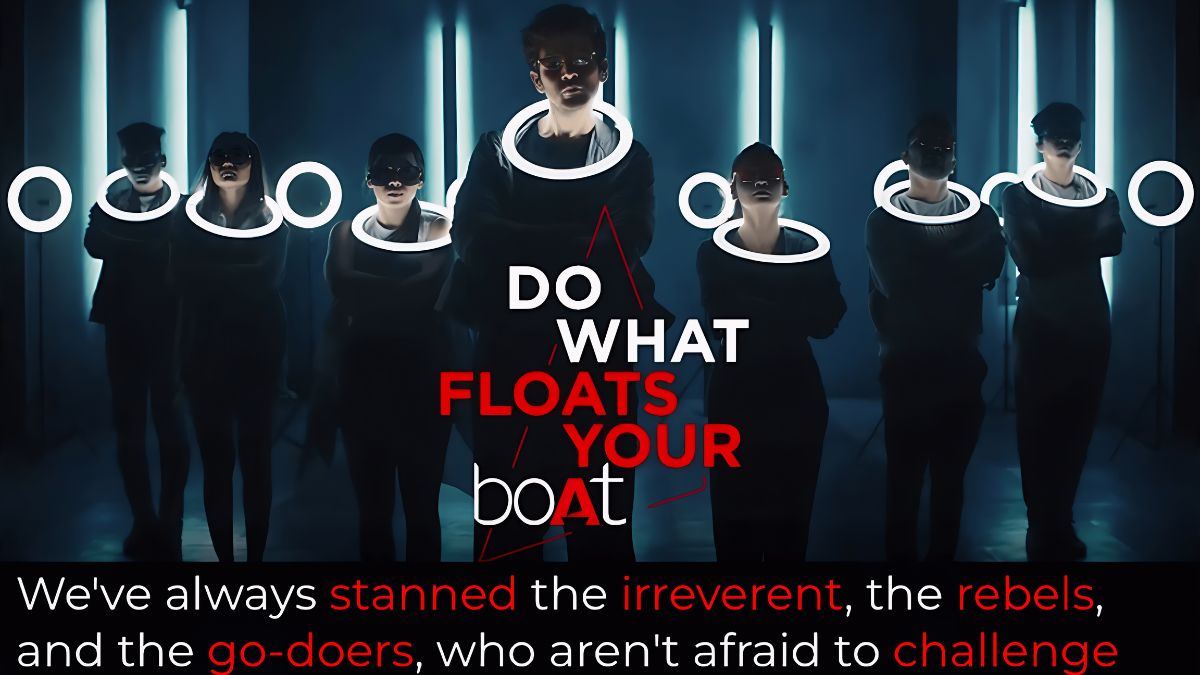
In India’s rapidly evolving D2C landscape, few stories feel as alive and electric as BoAt’s. What started as a scrappy audio startup selling earphones has now become a billion-dollar symbol of youth culture. But BoAt’s rise isn’t simply about affordable gadgets or slick branding, it’s a masterclass in how a brand can build community-first marketing by turning creators into its loudest amplifiers. At its core, BoAt’s Creator-Led Marketing Strategy is less about technology and more about human connection.
The company didn’t just sell audio gear; it sold belonging. It showed India’s Gen Z and millennials that music could be a lifestyle, not a luxury. What powered this emotional connection? A bold, creator-driven approach that transformed ordinary people into storytellers and a brand into a cultural movement.
This case study digs deep into that transformation exploring how BoAt used creators to build its billion-dollar identity, what real-world lessons marketers can take from it, and why its approach continues to shape the DNA of India’s D2C revolution.
- 1. The Rise of BoAt and the Birth of Creator-Led Marketing
- 2. Understanding BoAt’s Creator-Led Marketing Strategy
- 3. How BoAt Used Creators to Build a Billion-Dollar Brand
- 4. BoAt’s Digital Ecosystem: Combining UGC and Influencer Marketing
- 5. Lessons from BoAt’s Influencer Marketing Strategy
- 6. How BoAt Connects with Gen Z Through Creators
- 7. The Business Impact of BoAt’s Creator Ecosystem
- Summary: Key Learnings from BoAt’s Creator Strategy
- About Hobo.Video
1. The Rise of BoAt and the Birth of Creator-Led Marketing
When BoAt entered the market in 2016, the Indian audio space wasn’t waiting for another competitor. Giants like JBL, Sony, and Sennheiser already dominated the scene. But BoAt wasn’t interested in playing by their rules. It didn’t try to win through specs or technical jargon, it won through sentiment. Founders Aman Gupta and Sameer Mehta spotted a truth others missed: India’s youth didn’t just want functionality; they wanted identity. Owning earphones wasn’t about sound quality alone, it was a badge of expression. So, BoAt flipped the narrative. Instead of positioning itself as a “gadget brand,” it called itself a “lifestyle brand.”
But the real genius move? The founders didn’t make themselves the face of that story, they handed the mic to India’s creators. From day one, BoAt built its world around influencers, storytellers, and UGC people who could make audiences feel something rather than just see another ad. By 2023, BoAt had climbed into the global top five wearable brands (IDC India), an astonishing feat for a homegrown D2C brand. Yet, if you trace that growth line, you’ll see a consistent thread authentic storytelling powered by creators.
BoAt didn’t run conventional ad campaigns. It built relationships through influencer partnerships, UGC challenges, meme-led moments, and community engagement. Every marketing move felt conversational, never corporate. And that’s precisely why India’s young generation didn’t just buy BoAt; they became BoAt.
2. Understanding BoAt’s Creator-Led Marketing Strategy
2.1 The Core Idea: Building a Tribe, Not Just a Consumer Base
At the heart of BoAt’s approach lies a beautifully simple idea build a tribe, not a customer list. BoAt didn’t hire influencers to “advertise.” It invited them to join a culture. The term “BoAtheads” wasn’t a marketing gimmick, it was a rallying cry. It turned fans, users, and creators into a community bonded by rhythm, energy, and attitude.
BoAt’s creators weren’t just endorsers; they were insiders. They lived the lifestyle the brand represented passionate about music, fitness, gaming, and creativity. The brand’s influencer selection wasn’t about who had the most followers; it was about who had the right fit.
A travel vlogger showing off their favorite playlist on a trek, a gamer syncing beats before a stream, or a college student using BoAt Airdopes during a commute, these weren’t staged ads. They were snapshots of real, relatable lives. And that relatability became BoAt’s most powerful form of currency.
2.2 Content-First Marketing Approach
BoAt’s marketing team had one rule: content before campaign. Instead of pushing products, they built stories. Each creator collaboration began with a simple question how does this product fit naturally into your life? So, when a gym influencer showcased sweat-resistant earphones, it wasn’t about features, it was about hustle. When a student shared a “Study Mode with BoAt” post, it wasn’t about specs, it was about focus, flow, and vibe.
This storytelling-first philosophy connected with a generation raised on authenticity. According to Statista (2024), over 74% of Indian Gen Z consumers trust influencer recommendations over brand ads. BoAt didn’t just notice that trend, it built its entire marketing around it.
Every product drop became a creative collaboration. Each campaign, an extension of a creator’s personality. The brand essentially became a content platform, where creators weren’t hired help, but co-authors of the BoAt narrative.
2.3 Multi-Tiered Influencer Strategy
BoAt’s brilliance also lies in its layered influencer ecosystem, a carefully structured approach that ensured both reach and relevance. Here’s how BoAt built it:
- Macro Influencers – Celebrities and sports icons for mass visibility. These faces gave BoAt aspirational pull.
- Micro Influencers – Niche community voices like fitness trainers, gamers, or tech reviewers who connected with engaged audiences.
- UGC Creators – Everyday BoAtheads posting their personal experiences online, adding the warmth of authenticity.
This multi-tier structure created an effect traditional advertising could never replicate. Macro creators pulled audiences in; micro and UGC creators kept them engaged. Together, they formed a self-sustaining storytelling engine one that felt personal, spontaneous, and, most importantly, real.
3. How BoAt Used Creators to Build a Billion-Dollar Brand
3.1 Influencer Partnerships in India: From Bollywood to YouTube
BoAt realized early on that the youth of India weren’t glued to TV screens anymore, they were living online. So instead of splurging on expensive prime-time commercials, BoAt went where the eyeballs actually were: YouTube and Instagram.
In its early stages, BoAt partnered with over 200 creators, spanning categories and personalities. Campaigns like #PlugIntoNirvana didn’t scream “buy now”; they whispered “this fits your vibe.” Fitness influencers, tech reviewers, and travel vloggers each portrayed BoAt as a lifestyle extension.
Collaborations with Bhuvan Bam, CarryMinati, and Prajakta Koli gave BoAt more than reach, they gave it voice. These creators didn’t sound like sponsors; they sounded like friends sharing cool finds. That authenticity made BoAt the audio brand for India’s digital-first generation.
3.2 Creator-Driven Product Launches
Each BoAt product launch became a mini digital festival.
Before an official release, creators were often seen unboxing, using, or casually featuring upcoming BoAt products. By the time the ads arrived, audiences already knew the product, because their favorite creators had shown it in real-life contexts.
Examples?
- BoAt Rockerz Headphones were introduced through gym influencers showing intense workout routines.
- BoAt Airdopes debuted via travel vloggers who tied them to themes of freedom, exploration, and adventure.
BoAt followed what insiders call the “creator funnel” awareness sparked by big names, depth built by micro-creators, and authenticity sustained by UGC. This cascading strategy turned every launch into a community-led event, not a corporate rollout.
3.3 Collaborations with Celebrities Who Felt Relatable
BoAt’s celebrity partnerships were crafted differently from the industry norm. When it collaborated with Kiara Advani, Kartik Aaryan, or Hardik Pandya, the campaigns didn’t project untouchable stardom. Instead, they projected everyday cool. These stars didn’t act like scripted brand mascots, they came across as themselves. A bit playful, a bit confident, perfectly in tune with BoAt’s easy-going energy.
BoAt never tried to be “luxurious” or “exclusive.” Its tone was “cool but accessible”, the kind of vibe that made a fan think, “That could be me.” This subtle emotional connection became one of BoAt’s most underrated yet powerful brand assets.
4. BoAt’s Digital Ecosystem: Combining UGC and Influencer Marketing
BoAt’s marketing genius doesn’t stop at influencer campaigns. What truly sets it apart is how seamlessly it blends influencer marketing with UGC into one organic ecosystem. Rather than rely solely on paid creators, BoAt encouraged its own customers to create content making marketing feel participatory, not promotional.
4.1 UGC Videos That Fueled Organic Reach
BoAt’s “BoAthead of the Week” challenge became an online ritual. Fans were encouraged to post photos or videos showing how BoAt fit into their daily lives. The most creative entries got featured on BoAt’s official social pages a dream moment for many young users.
It was genius psychology, people weren’t just buying a product; they were earning visibility. And that social validation loop turned users into evangelists. According to Marketing Week, user-generated content can boost brand trust by up to 72%, especially when peers validate it. BoAt understood that numbers might drive sales once, but trust drives them forever and UGC became its trust engine.
4.2 Creator Commerce: Turning Engagement into Sales
Here’s where BoAt’s marketing hit another level creator commerce. Every time a YouTuber reviewed BoAt’s latest Airdopes, they included affiliate links leading to the brand’s store. Fans weren’t just watching; they were buying. This direct-to-consumer loop turned social engagement into measurable sales, all while keeping the experience authentic and story-driven.
In effect, BoAt blurred the lines between content and commerce. It didn’t shout “Shop Now.” It whispered, “Here’s what I use and it works.” That authenticity-first, sales-second approach not only built revenue but also long-term equity, a rare combination few brands manage to balance.
5. Lessons from BoAt’s Influencer Marketing Strategy
BoAt’s success didn’t come from one viral campaign or lucky break. It came from discipline, experimentation, and an obsession with staying connected to its audience. Every influencer partnership, every post, every hashtag carried a long-term intent to build community capital.
Let’s break down what really fueled its marketing engine.
5.1 Data-Driven Creator Selection
BoAt’s creator partnerships weren’t chosen on gut feeling or vanity metrics. Each collaboration was grounded in data. Instead of chasing big names for the sake of clout, BoAt examined creator metrics beyond follower counts engagement quality, comment sentiment, audience demographics, and conversion behavior.
If a creator’s audience leaned heavily toward young urban fitness enthusiasts, they were ideal for promoting sweat-resistant earphones. If another had a strong presence in college circles, they fit perfectly for affordable Airdopes.
BoAt didn’t just look for who could shout the loudest; it looked for who could whisper the right message to the right crowd. That fine-tuned targeting ensured that every rupee spent on influencer marketing turned into measurable ROI, a rarity in India’s influencer economy.
5.2 Regional Creator Integration
India isn’t one homogeneous audience, it’s a tapestry of languages, lifestyles, and cultural codes. BoAt understood this nuance better than most. Instead of sticking only to English-speaking, metro-based creators, the brand went regional. It collaborated with Tamil, Bengali, Marathi, and Telugu influencers, understanding that emotional resonance often begins in one’s mother tongue.
A Tamil fitness YouTuber talking about BoAt Rockerz in his natural dialect could strike deeper emotional chords than a celebrity ad in English. Regional content consumption grew by over 120% after 2020. BoAt didn’t just ride that wave, it built its own tide, expanding beyond Tier 1 cities into India’s cultural heartlands.
That’s how BoAt stopped being just a Delhi-Mumbai story and became a pan-India movement.
5.3 Always-On Creator Strategy
Here’s one of BoAt’s smartest moves, it didn’t treat influencer marketing as a seasonal activity. While other brands activated creators around Diwali or Valentine’s Day, BoAt made it a 365-day discipline. Its always-on creator ecosystem ensured that the brand stayed visible on digital platforms week after week.
This consistency turned BoAt into a habit, not a headline. Fans didn’t just see BoAt during sale seasons; they saw it woven naturally into creators’ everyday routines in workout clips, vlogs, memes, travel diaries, and even casual reels. That constant digital presence built recall stronger than any TV jingle ever could.
6. How BoAt Connects with Gen Z Through Creators
BoAt’s connection with Gen Z isn’t accidental, it’s cultural. The brand doesn’t just market to this generation; it mirrors them. BoAt’s marketing playbook revolves around four ideas that perfectly align with how young Indians think, talk, and consume:
6.1 Authenticity:
BoAt never tries to look perfect. Its messaging celebrates imperfection the tangled wires, the messy desks, the late-night playlists. This human imperfection makes it real, approachable, and beloved.
6.2 Community
Through the “BoAtheads” identity, BoAt created a feeling of belonging. Fans didn’t just buy earphones, they joined a lifestyle tribe. Every time they used the hashtag #BoAtLife, they weren’t promoting a brand; they were signaling identity.
6.3 Content Format:
BoAt thrives on reels, memes, and short-form content the natural dialect of Gen Z. Whether it’s a creator lip-syncing to a trending sound or a meme captioned “When your Airdopes survive the rain,” the brand knows how to blend in with internet humor.
6.4 Conversation-First Approach:
Instead of shouting product specs, BoAt sparks conversations. It creates moments that fans respond to, remix, or parody. That’s why its social presence feels less like advertising and more like cultural participation.
According to YouGov India (2024), over 83% of Indian Gen Zs prefer brands that “speak their language.” BoAt didn’t just learn that language, it became fluent in it. Its memes, creator collabs, and campaign tonality capture exactly how India’s digital generation expresses itself raw, witty, and unapologetically real.
7. The Business Impact of BoAt’s Creator Ecosystem
You can debate strategies all day, but numbers tell the story best. BoAt’s creator-first ecosystem produced business outcomes that most D2C brands can only dream of. Let’s look at the impact in cold, hard metrics:
- Revenue Growth: From ₹100 crore in FY2018 to over ₹3,000 crore by FY2023.
- Brand Awareness: Crowned the #1 audio brand in India.
- Creator Collaborations: Over 5,000 partnerships across YouTube, Instagram, and beyond.
- Community Engagement: Millions of UGC posts under #BoAtLife and #BoAthead.
BoAt didn’t outspend its competitors, it out-storied them. Instead of buying attention, it earned it through authenticity. Each campaign, each piece of creator content compounded brand equity, brick by brick. Legacy brands were busy running ads; BoAt was busy building culture. And culture, as it turns out, converts better than any campaign.
Summary: Key Learnings from BoAt’s Creator Strategy
BoAt’s creator-led strategy isn’t just a case study; it’s a playbook for the next generation of Indian brands. Here are the most important lessons BoAt teaches every D2C founder and marketer:
- Creators build community, not just campaigns.
Your audience doesn’t want a product push; they want a story to be part of. - Authenticity drives conversions.
Real voices outperform polished scripts every single time. - Regional influencers matter as much as national names.
Local storytelling carries unmatched trust and relatability. - UGC sustains organic conversations.
Let your customers talk, they’re better marketers than you think. - Always-on creator relationships sustain growth.
Consistency beats virality. Brands that stay visible stay remembered.
BoAt proved that the future of Indian D2C marketing doesn’t belong to ad agencies or celebrity endorsements. It belongs to authentic creator ecosystems human, messy, and full of heart.
About Hobo.Video
Hobo.Video stands at the intersection of creativity and technology, India’s leading AI-powered influencer marketing and UGC company helping brands grow authentically in the digital age. With a network of over 2.25 million creators, Hobo.Video offers full-funnel campaign execution from influencer matchmaking to analytics-driven optimization.
Its services include:
- Influencer marketing & campaign management
- UGC content creation and strategy
- Celebrity endorsements and social storytelling
- Product testing and review generation
- Marketplace reputation and seller credibility management
- Regional and niche influencer activations
Trusted by top names like Himalaya, Wipro, Symphony, Baidyanath, and The Good Glamm Group, Hobo.Video blends AI precision with human emotion ensuring every campaign delivers real engagement, authentic storytelling, and measurable ROI.
If you’re a brand ready to break the mold and achieve hypergrowth, we’re already on your wavelength.Let’s build something powerful together.
Influencer? Let’s turn your content into consistent brand deals.Let’s make that happen.
FAQs About BoAt’s Creator-Led Marketing Strategy
Q1. What makes BoAt’s influencer marketing strategy unique?
BoAt treats creators as cultural storytellers, not advertising assets. They’re part of the “BoAthead” community shaping the brand’s identity, not just endorsing it.
Q2. How did BoAt use creators to grow its brand?
By integrating creators into every stage from pre-launch buzz to post-sale engagement, BoAt made influencer marketing its core growth engine.
Q3. Why is BoAt considered a case study in Indian D2C success?
Because it turned a simple product category into a lifestyle ecosystem using a blend of influencer marketing, storytelling, and UGC.
Q4. What lessons can new D2C brands learn from BoAt?
Don’t imitate BoAt’s aesthetics; understand its philosophy — authenticity, long-term creator trust, and cultural listening.
Q5. How does UGC complement BoAt’s influencer strategy?
UGC keeps the brand conversation alive beyond campaigns. It shows real people using BoAt, reinforcing trust and relatability.
Q6. What’s BoAt’s biggest marketing strength?
Consistency. The brand never goes silent; it constantly fuels conversations through creators and fans alike.
Q7. Which social media platforms work best for BoAt?
Instagram and YouTube drive maximum engagement, while X (formerly Twitter) keeps BoAt culturally relevant through memes and trend-jacking.
Q8. How does BoAt measure ROI from influencer campaigns?
By tracking engagement quality, conversion data, and affiliate-driven sales rather than vanity metrics like follower counts.
Q9. Is BoAt’s strategy applicable for smaller brands?
Absolutely. Even micro D2C startups can replicate the model using micro and nano influencers within their niche communities.
Q10. What’s the next step for BoAt’s marketing evolution?
AI-powered influencer matching and personalized campaigns that blend data precision with creator intuition, a balance of machine insight and human creativity.


