

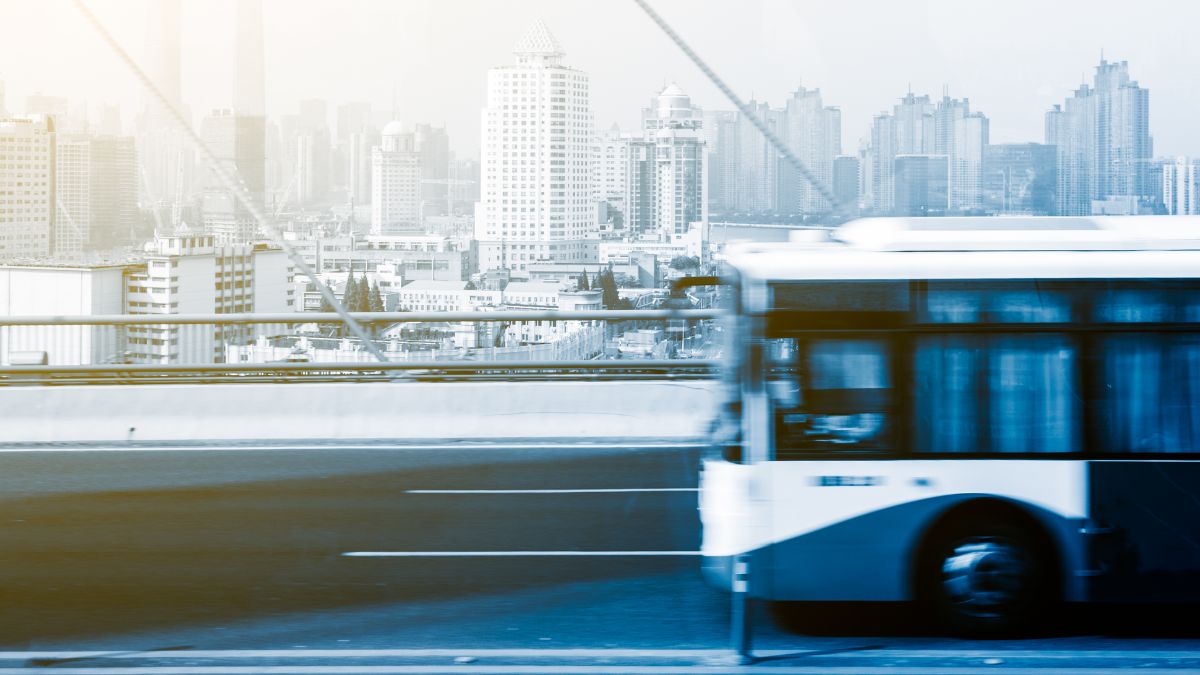
Buses are more than just a mode of transport; they are moving canvases for brands. When executed well, bus wrap promotion ideas can transform ordinary vehicles into mobile billboards that capture attention, boost brand recall, and generate engagement. Using transit media advertising and vehicle vinyl wraps, brands can convert buses into high-impact visual stories that reach thousands of people daily. Combining these campaigns with influencer marketing and UGC Videos magnifies reach further. In India, where buses are widely used in urban and semi-urban areas, bus branding offers a cost-efficient way to increase out-of-home brand exposure. By carefully planning routes, designing creative visuals, and leveraging full or partial bus wrap services, each journey becomes a marketing opportunity. The strategic use of fleet advertising strategies ensures repeated exposure, making the brand a part of daily commuter experiences.
- 1. Why Bus Wrap Promotion Ideas Work
- 2. Types of Bus Branding
- 3. Creative Bus Wrap Promotion Ideas
- 4. Planning and Execution
- 5. Overcoming Common Challenges
- 6. Real-World Examples
- 7. Influencer Marketing and UGC Integration
- 8. Measuring Success
- 9. Future Trends
- 10. Why Brands Should Invest in Bus Wrap Promotion Ideas
- Conclusion
- About Hobo.Video
1. Why Bus Wrap Promotion Ideas Work
1.1 Transit Media Advertising: A Powerful Tool
Transit media advertising has grown significantly in India. Transit media is one of thefastest-growing segmentsin out-of-home (OOH) advertising. As urbanization and public mobility rise, buses provide repetitive, mobile exposure across diverse geographies. Buses move through neighborhoods, business districts, and high-footfall areas, offering brands a unique advantage over static billboards. Vehicle vinyl wraps allow for bold, large-format graphics that are hard to ignore. Mobile billboard campaigns ensure the brand message reaches different audiences multiple times a day. Repeated exposure builds long-term recall, and with the right fleet advertising strategy, multiple buses can operate on key routes simultaneously, increasing both reach and frequency. When combined with influencer marketing or AI-powered campaigns, these physical activations become a hybrid strategy that connects offline and online audiences seamlessly.
1.2 Repeated Exposure and Recall
Buses travel across multiple areas, giving repeated visibility to pedestrians, drivers, and commuters. Unlike static OOH advertising, fleet advertising strategies ensure your brand message is seen multiple times a day. This repeated exposure helps in establishing brand recognition and recall in a way few other mediums can match. Incorporating influencer marketing India and UGC Videos in the campaign amplifies audience engagement and strengthens the overall brand presence.
2. Types of Bus Branding
2.1 Full Bus Wrap Services
A full bus wrap covers the entire exterior of the bus, delivering maximum impact and visibility. This format is ideal for product launches or campaigns aimed at generating widespread awareness. Full wraps transform a moving bus into a compelling storytelling platform that engages audiences from multiple angles.
2.2 Partial Wraps: Side or Rear Panels
Partial wraps cover specific sections of the bus, such as the side or rear panels. This cost-efficient method ensures visibility on busy routes while allowing brands to target specific demographics. Side and rear panels are particularly effective for high-traffic areas and ensure your messaging reaches commuters effectively.
2.3 Interior Branding
Interior branding focuses on the captive audience inside the bus. Seat-back panels, overhead spaces, and digital screens provide an opportunity to deliver detailed messages, promotional offers, or interactive content. This format complements exterior wraps by engaging passengers during their travel time.
2.4 Hybrid Fleet Strategy
A hybrid approach combines full wraps on high-traffic buses with partial wraps on smaller, local buses. This strategy maximizes reach while managing costs. By implementing a well-planned fleet advertising strategy, brands can ensure their message is visible across multiple zones and demographics.
3. Creative Bus Wrap Promotion Ideas
3.1 Story-Driven Wraps
Brands can use festival-themed designs, such as Diwali or Holi, to connect culturally with audiences. Narrative sequences across panels turn a bus into a moving story, while QR codes or AR triggers offer interactive experiences. Campaigns that incorporate influencer marketing and UGC Videos extend reach beyond the street, creating engagement both offline and online.
3.2 Eye-Catching Vinyl Bus Wrap Design
High-contrast colors and large typography ensure the messaging is legible from a distance. Perforated vinyl maintains visibility for passengers while displaying your design to the outside world. Time-based visuals or dual-sided designs allow brands to create dynamic storytelling that adapts today and night conditions. Vinyl bus wrap designs, whether full or partial, allow your brand message to travel as a moving billboard, creatinghigh visibility and impact.
3.3 Influencer & UGC Integration
Inviting influencers or micro-creators to ride branded buses generates authentic content for social media. Commuters can also share their experiences through UGC Videos, using campaign-specific hashtags. This strategy amplifies the reach of the campaign while building audience trust and engagement.
3.4 Experiential Transit Activations
Pop-up events at bus stops or transforming buses into mobile experiential zones allow direct interaction with the brand. Experiential activations make campaigns memorable and can be reinforced through influencer participation or social media coverage.
3.5 Eco-Friendly & Premium Materials
Brands can choose eco-friendly or recycled vinyl materials to align with sustainability messaging. Reflective or glow-in-the-dark vinyl enhances night-time visibility. Advanced options like LED or dynamic digital wraps enable interactive, changing visuals, further capturing commuter attention.
3.6 Data-Driven Route Planning
Route selection based on commuter data and footfall ensures high visibility. High-traffic areas such as business districts, colleges, and shopping centers maximize impressions. Integrating QR codes and interactive elements along these routes provides measurable engagement and bridges the gap between offline and digital campaigns.
4. Planning and Execution
4.1 Audience Research
A detailed understanding of the target audience is critical. Brands should analyze route data, identify high-density zones, and select cities or neighborhoods with maximum visibility. This ensures the bus wrap campaign reaches the right people at the right time.
4.2 Creative Design Process
Effective designs consider vinyl limitations and bus contours. Mockups help visualize how the wrap will appear on moving buses, and iterative refinement ensures readability and engagement. The use of top influencers in India to preview campaigns adds credibility and social validation.
4.3 Vendor and Partner Management
Working with transport agencies, fleet owners, and professional installation teams ensures high-quality execution. Proper scheduling of installation and maintenance ensures the wraps remain visually appealing throughout the campaign duration.
4.4 Launch and Monitoring
Pilot launches on a few buses allow brands to test effectiveness. Engagement can be tracked through QR codes, social media, and influencer participation. Insights from these pilots guide the rollout to the full fleet, optimizing results while minimizing risk.
5. Overcoming Common Challenges
Regulatory approvals vary by city and must be navigated carefully to avoid delays. Budget management is crucial, as full wraps are expensive, making hybrid strategies a viable option. Durability of vinyl is another consideration, and weather-resistant materials with scheduled maintenance ensure longevity. Measuring impact has traditionally been difficult in OOH campaigns, but QR codes, hashtags, and influencer-generated UGC Videos now make tracking possible. Finally, integrating offline campaigns withdigital and social strategiesmaximizes reach and engagement.
6. Real-World Examples
FMCG brands often launch festival-themed bus wraps with QR code contests, generating both offline visibility and social media engagement. Influencers riding the buses amplify the message online, extending reach beyond physical impressions. Tech startups can transform buses into mini-experience centers, allowing commuters to interact with products while influencers create UGC Videos to promote the campaign. Environmental campaigns utilize eco-friendly wraps and pop-up activations, creating awareness about sustainability while engaging the audience through influencer-driven content.
7. Influencer Marketing and UGC Integration
Combining bus wrap campaigns with influencer marketing and UGC ensures maximum engagement. Commuters can be encouraged to share their experiences using UGC Videos, while influencers ride the buses and document their journey. AI-powered influencer platforms help identify creators whose audience aligns with the brand, and a cohesive narrative across bus wraps, influencer content, and social media campaigns strengthens brand storytelling.
8. Measuring Success
Reach can be estimated by analyzing bus routes, frequency, and footfall, while engagement is tracked through QR codes, hashtags, and social shares. Conversions are measured through landing page visits, sign-ups, and sales resulting from campaign interactions.ROI can be calculated by comparing bus wrap cost estimates to impressions, engagement, and conversions, enabling brands to optimize future campaigns.
9. Future Trends
Bus branding is evolving with technology. Programmatic and digital wraps allow route-based dynamic messaging. AI-driven creative tools optimize design layouts for engagement. Sustainable materials reflect growing environmental awareness, while AR experiences and LED displays offer interactive, immersive engagement for commuters.
10. Why Brands Should Invest in Bus Wrap Promotion Ideas
Investing in bus branding in India is a strategic choice. Expanding transit networks increase visibility, while OOH advertising continues to grow. Cost-efficient repeated exposure and the ability to integrate influencer marketing and UGC campaigns make buses a highly effective marketing medium. Well-executed campaigns strengthen brand recall, generate engagement, and create measurable impact both offline and online.
Conclusion
Bus wrap promotion ideas allow brands to transform vehicles into moving stories that reach thousands every day. By combining full and partial wraps, planning routes strategically, leveraging influencer marketing and UGC, and monitoring performance metrics, brands can ensure maximum impact. Hobo.Video offers expertise and a vast creator network to execute campaigns that drive visibility, engagement, and measurable ROI.
About Hobo.Video
Hobo.Videois India’s leading AI-powered influencer marketing and UGC company with over 2.25 million creators. The platform provides end-to-end campaign management, combining AI and human strategy to enhance ROI.
Services include:
- Influencer marketing
- UGC content creation
- Celebrity endorsements
- Product feedback and testing
- Marketplace and seller reputation management
- Regional and niche influencer campaigns
Trusted by Himalaya, Wipro, Symphony, Baidyanath, and Good Glamm Group.
Stop waiting. Start building real brand growth today.Click here.
We’re a growing community of creators doing big things — you in?Join now.
1. What is bus wrap advertising?
Bus wrap advertising uses vinyl graphics to turn buses into mobile billboards. It boosts brand visibility, creates repeated exposure, and can be combined with influencer marketing and UGC Videos for greater engagement.
2. How much does a full bus wrap cost in India?
Full bus wraps cost between ₹80,000 to ₹3,00,000 depending on bus size, design, and material. Partial wraps are cheaper, and costs include design, installation, and maintenance.
3. Are bus wrap campaigns effective?
Yes. Buses reach diverse audiences repeatedly. Combined with influencer marketing and UGC Videos, they improve engagement and recall, making them a cost-efficient advertising medium.
4. Can wraps be customized for festivals or events?
Absolutely. Wraps can reflect festival themes, campaigns, or product launches. Interactive elements like QR codes or AR can boost engagement.
5. What types of bus wraps exist?
Full wraps cover the entire bus, partial wraps target sides or rear, and interior wraps engage passengers. Hybrid strategies combine formats for maximum visibility.
6. How long do bus wraps last?
High-quality vinyl lasts 3–5 years with proper maintenance. Weather conditions affect longevity, so regular checks are recommended.
7. How can influencer marketing work with bus wraps?
Influencers can share their bus experiences via UGC Videos, expanding the campaign’s reach and connecting offline and online audiences.
8. Are bus wraps cost-effective?
Yes. They provide repeated exposure to large audiences. Strategic route planning and digital integration improve ROI compared to static billboards.
9. Can campaign performance be measured?
Yes. QR codes, hashtags, social engagement, and website tracking help measure reach, engagement, and conversions.
10. What are future trends in bus wrap advertising?
Digital and AR wraps, AI-optimized designs, and eco-friendly materials are shaping the future, offering interactive and sustainable campaigns.


