


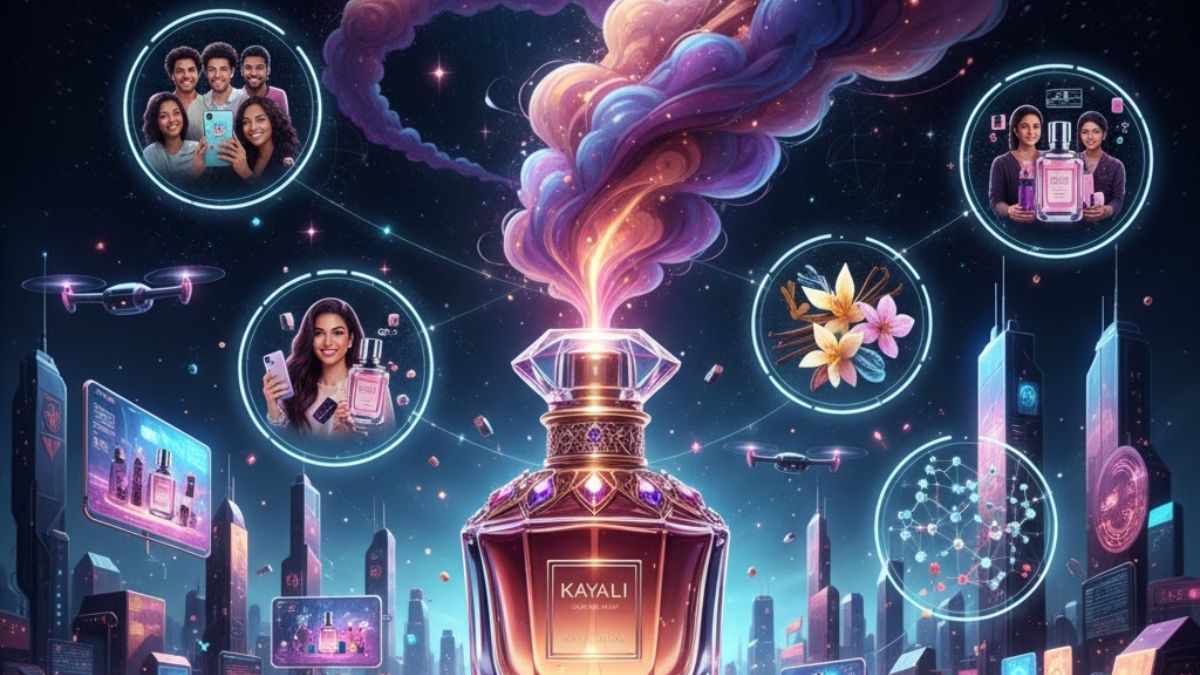
From a Dream to a Global Sensation — The Rise of Kayali
The Beginning of a Fragrance Dream
When we talk about modern perfume revolutions, How Kayali Took Over the Fragrance Market and What’s Next begins with a woman who dared to blend passion with purpose — Mona Kattan. Long before Kayali became one of the most best-selling perfumes in the luxury segment, it was just an idea born from Mona’s deep obsession with scents.
As a child growing up in Dubai, Mona collected perfumes the way others collected memories. Each bottle represented an emotion, a story, or a phase in her life. This fascination evolved into a lifelong dream — to create a luxury fragrance brand that would merge Middle Eastern perfume artistry with modern global aesthetics.
Authentic, Emotional, and Inclusive
She envisioned a brand that was authentic, emotional, and inclusive, something that spoke to both fragrance connoisseurs and everyday perfume lovers. Thus, in 2018, Kayali — which means “my imagination” in Arabic — was launched under the Huda Beauty umbrella.
From that moment, the world witnessed how Kayali took over the fragrance market and what’s next became a story of strategic brilliance wrapped in emotion.
- From a Dream to a Global Sensation — The Rise of Kayali
- Authentic, Emotional, and Inclusive
- 1. The Birth of a Distinct Brand Story
- 2. Crafting a Luxury Yet Relatable Identity
- 3. The Power of Storytelling Meets D2C
- 4. How Kayali Used Influencers to Redefine Perfume Marketing
- 5. The Vanilla 28 Phenomenon — When One Scent Changed Everything
- 6. The Numbers Behind Kayali’s Growth
- 7. The Role of Emotional Intelligence in Marketing
- 8. The Future in Progress
- 9. The Digital Blueprint Behind Kayali’s Success
- 10. The Social Media Strategy That Smelled Like Success
- 11. How Influencer Marketing Became Kayali’s Secret Weapon
- 12. Turning UGC Into a Luxury Asset
- 13. Why Kayali’s Marketing Strategy Works
- 14. Lessons Indian Brands Can Learn from Kayali
- 15. The AI Edge — Redefining Modern Fragrance Marketing
- 16. The Cultural Impact — When Luxury Became Emotional
- 17. What’s Next for Kayali
- Conclusion: Lessons, Insights & The Road Ahead
- About Hobo.Video
1. The Birth of a Distinct Brand Story
In luxury beauty, brand story matters as much as the product itself. Mona didn’t just launch a perfume; she launched a feeling. The Kayali perfume range debuted with four distinct fragrances: Elixir 11, Citrus 08, Musk 12, and Vanilla 28 — each telling a personal story about identity and self-expression.
What made this collection different from typical niche perfume brands was its layered storytelling. Every bottle, every name, and even every campaign was infused with Mona’s personal experiences. Consumers weren’t just buying perfumes; they were joining a narrative.
This emotional storytelling became the cornerstone of Kayali’s marketing strategy. Mona understood that to stand out among top-selling perfumes, a brand needed more than celebrity status — it needed authenticity.
“I wanted Kayali to represent self-expression — to let people feel confident mixing and layering scents,” Mona once said in an interview with Vogue Arabia.
And that’s exactly what happened. Kayali wasn’t about selling luxury; it was about selling a connection.
2. Crafting a Luxury Yet Relatable Identity
Between 2018 and 2020, the fragrance industry saw a rise in niche perfume brands, but few managed to balance exclusivity with accessibility like Kayali did. While other luxury fragrance houses maintained a sense of mystery, Mona built Kayali on openness — she shared behind-the-scenes stories, production challenges, and raw emotions with her audience.
Through social media strategy and storytelling, she humanized luxury. Mona wasn’t just a founder — she was the face, the voice, and the soul of the brand.
Her transparency resonated deeply with millennials and Gen Z — demographics that increasingly seek authenticity over perfection. Kayali’s Instagram wasn’t just a marketing channel; it was a diary of passion and perfume artistry.
The brand’s influencer campaigns played a vital role here. Instead of traditional celebrity endorsements, Kayali collaborated with real creators — lifestyle vloggers, beauty YouTubers, and Instagram top influencers in India and beyond — who shared their genuine experiences.
By integrating UGC videos and storytelling reels, Kayali transformed from a perfume brand into a movement of scent lovers exploring their individuality.
3. The Power of Storytelling Meets D2C
The real turning point came when Mona realized that perfume buyers were ready for a digital-first experience. While fragrances were traditionally sold in boutiques, Kayali went bold by building a D2C perfume brand model through HudaBeauty.com and other online channels.
This marketing strategy allowed Kayali to connect directly with its audience, collect data, and personalize experiences. By leveraging AI influencer marketing insights and user-generated content, Kayali’s digital growth skyrocketed.
The brand encouraged its followers to share their layering combinations, creating thousands of pieces of organic content. Hashtags like #KayaliLayering and #MyKayaliMix became digital galleries of consumer creativity.
In a world where most luxury brands feared losing exclusivity online, Kayali proved that transparency and community-building could elevate, not dilute, a brand’s prestige.
This approach mirrored a whole truth movement — authenticity over artifice — something that Hobo.Video, India’s top influencer marketing company, consistently advocates for through its campaigns with UGC videos and creator-led storytelling.
4. How Kayali Used Influencers to Redefine Perfume Marketing
Perfume is intangible. You can’t smell it through a screen. Yet, Mona cracked this very challenge through strategic influencer storytelling.
Kayali’s influencer campaigns were built around emotion, not just aesthetics. Influencers were encouraged to describe how the perfumes made them feel — confident, sensual, nostalgic, or empowered. This emotional communication helped the audience visualize the scent in their minds.
From micro-creators to famous Instagram influencers, everyone was part of Kayali’s digital symphony. The brand didn’t chase numbers — it built relationships.
On YouTube and TikTok, content creators shared honest reviews, pairing each Kayali perfume with life moments — weddings, dates, and self-care rituals. On Instagram, Mona herself became the “influencer-founder hybrid” — a trend now shaping luxury entrepreneurship.
By merging UGC (user-generated content) and influencer-led storytelling, Kayali built an online fragrance empire that didn’t rely on traditional ads. It relied on human connection.
5. The Vanilla 28 Phenomenon — When One Scent Changed Everything
Among all its creations, one stood above the rest — Vanilla 28. This warm, addictive fragrance became an internet sensation, selling out multiple times and dominating TikTok and Instagram Reels.
Influencers raved about its versatility and longevity, while fragrance reviewers compared it to scents double its price. According to public data, Vanilla 28 became one of the top-selling perfumes globally within months of its viral success.
This single perfume provedhow Kayali took over the fragrance market and what’s nextmight be even more revolutionary. The secret wasn’t just the scent — it was the emotion behind it.
Every campaign celebrated real women — not models, but genuine fans sharing their stories through AI UGC clips and short-form videos. This creator-first marketing became a blueprint for other D2C perfume brands worldwide.
6. The Numbers Behind Kayali’s Growth
By 2023, Kayali’s market presence had expanded to over 50 countries, with partnerships across Sephora, Harrods, and online retailers. Reports estimated annual growth rates exceeding 60% year-over-year, making it one of the fastest-growing luxury fragrance brands globally.
Its social media strategy continues to drive impressive engagement rates — averaging4.2% on Instagram, higher than the industry average.
What’s truly remarkable is Kayali’s ability to maintain both luxury allure and community intimacy. Its success story became a case study ininfluencer marketing India, inspiring beauty startups to rethink their storytelling approach.
Kayali isn’t just competing with niche perfume brands — it’s redefining what “luxury” means in a digital-first world.
7. The Role of Emotional Intelligence in Marketing
Behind every viral Kayali campaign lies a deep understanding of emotional triggers. Mona’s marketing strategy doesn’t rely on hard selling. Instead, it taps into emotions — nostalgia, self-love, and empowerment.
This emotional intelligence-driven marketing has made Kayali more than just a perfume label; it’s a lifestyle identity.
Through its digital storytelling and content collaborations, Kayali turned emotion into equity — an approach now mirrored by luxury houses worldwide.
It’s a living testament to the idea that when you mix authenticity, sensory storytelling, and influencer trust — you don’t just sell a perfume; you sell a memory.
8. The Future in Progress
As we look ahead to How Kayali Took Over the Fragrance Market and What’s Next, Mona’s next chapter is already unfolding. Kayali continues expanding its product line — experimenting with oud, amber, and spicy gourmand notes that bridge Western and Middle Eastern influences.
Each launch feels less like a marketing event and more like a global festival of scent lovers. Fans eagerly await new drops, layering combinations, and Mona’s personal perfume diaries.
The brand’s commitment to storytelling, inclusivity, and influencer campaigns ensures that its future remains as luminous as its past.
For now, one thing is clear — Kayali has not only taken over the fragrance market; it has redefined the emotional DNA of modern luxury.
9. The Digital Blueprint Behind Kayali’s Success
If Part 1 was about passion and storytelling, Part 2 of How Kayali Took Over the Fragrance Market and What’s Next explores the strategy that made it a global luxury disruptor.
When Mona Kattan envisioned Kayali, she didn’t just dream of selling perfume; she dreamed of creating a digital-first fragrance movement. While traditional perfume houses relied on celebrity endorsements, Kayali pioneered an era where influencers, community engagement, and UGC videos were the pillars of branding.
Every launch — from Vanilla 28 to Déjà Vu White Flower 57 — was designed to be Instagram-first, story-led, and influencer-powered. The goal was to make every fan a storyteller.
This unique model bridged luxury and accessibility — showing how an independent D2C perfume brand could rise in a space once dominated by 100-year-old French houses.
10. The Social Media Strategy That Smelled Like Success
Kayali’s success wasn’t accidental. Its social media strategy was as carefully layered as its perfumes. Mona used platforms like Instagram, TikTok, and YouTube to merge education, storytelling, and emotional resonance.
- Instagram: The brand’s storytelling hub. Here, Mona shared personal scent memories, while fans shared theirUGClayering videos.
- TikTok: The virality engine. Challenges like #KayaliLayering turned fans into brand ambassadors.
- YouTube: The intimacy platform. Long-form videos showcased Mona’s creative process and collaborations with famous Instagram influencers and beauty vloggers.
According to 2024 data from Launchmetrics, 71% of luxury fragrance engagement online comes from influencer-led conversations — a phenomenon Kayali helped pioneer.
This emotional and community-led social media model reshaped how Kayali took over the fragrance market and what’s next might involve AI-powered personalization and scent recommendations based on user data.
11. How Influencer Marketing Became Kayali’s Secret Weapon
Perfume isn’t just about scent — it’s about how it makes people feel. Kayali understood this psychology better than anyone.
The brand’s influencer campaigns focused on authentic, emotional storytelling. Instead of scripted promotions, creators were encouraged to describe what a scent meant to them.
For example:
- A travel influencer linked Kayali Musk 12 to her journeys through Paris.
- A lifestyle vlogger shared how Vanilla 28 reminded her of home and nostalgia.
- A beauty creator showcased her favorite scent layering hacks for festive occasions.
These real stories made followers feel the fragrance without ever smelling it.
This strategy wasn’t limited to the West. Through collaborations with top influencers in India, Kayali tapped into one of the world’s fastest-growing fragrance markets. India’s Gen Z audience responded strongly to Mona’s relatable, transparent persona and her message of self-expression.
In a market where consumers increasingly trust creators over ads, Kayali demonstrated howInfluencer marketing Indiacan turn emotional storytelling into global sales.
12. Turning UGC Into a Luxury Asset
Most luxury brands hesitate to embrace UGC videos, fearing they might dilute their high-end image. Kayali flipped that idea on its head.
Mona realized that the modern definition of luxury had shifted — today, luxury equals connection. By encouraging fans to share their perfume routines and scent stories, Kayali created a movement that felt aspirational yet attainable.
Each AI UGC clip — from a fan unboxing to a layering tutorial — became a micro ad, amplifying authenticity at scale.
This mirrors what platforms likeHobo.Videoenable for brands — combining AI insights with influencer creativity to deliver organic storytelling that performs.
By valuing its audience’s voice, Kayali built not just a customer base but a global community of creators.
13. Why Kayali’s Marketing Strategy Works
Let’s break down the fundamentals of Kayali’s marketing strategy that made it a leader among niche perfume brands:
- Founder-Led Authenticity: Mona’s personal brand gave Kayali a face and a heart.
- Community Storytelling: Instead of one-way advertising, Kayali built a dialogue with consumers.
- Layering Concept: A unique product philosophy that empowered personalization.
- Influencer Diversity: From micro to macro, each creator’s content felt real.
- Digital-First Launches: The D2C perfume brand approach allowed direct consumer connection.
- AI & Data Insights: Analyzing engagement helped refine content and influencer selection.
Every element was purpose-driven — combining emotion, innovation, and inclusivity.
According to Statista (2024), the global fragrance market crossed $60 billion, with digital-first luxury brands growing 3x faster than traditional players. Kayali’s strategy positioned it at the center of this transformation.
14. Lessons Indian Brands Can Learn from Kayali
India’s booming beauty and lifestyle sector is witnessing a new wave of D2C perfume brands inspired by Kayali’s playbook. From brands like Boitown and Secret Temptation to emerging homegrown labels, everyone’s learning that storytelling sells.
Here’s what Indian founders and marketers can learn from How Kayali Took Over the Fragrance Market and What’s Next:
- Invest in founder storytelling. People connect with humans, not logos.
- Leverage influencer diversity. Combine nano, micro, and celebrity creators.
- Create community hashtags. Let users co-create brand identity.
- Collaborate with platforms like Hobo.Video. It’s the best influencer platform for managing large-scale campaigns with AI influencer marketing tools.
- Prioritize UGC authenticity. Real voices outperform polished ads.
By applying these lessons, Indian brands can mirror Kayali’s success while maintaining cultural resonance and local storytelling.
15. The AI Edge — Redefining Modern Fragrance Marketing
As Kayali expands, the next phase in How Kayali Took Over the Fragrance Market and What’s Next will undoubtedly involve AI-driven personalization.
Imagine a future where consumers receive fragrance recommendations based on their emotions, weather, or lifestyle. With AI, brands can decode not just preferences — but moods.
This is where AI influencer marketing platforms like Hobo.Video become pivotal. By blending artificial intelligence with human creativity, they optimize campaign reach and authenticity simultaneously.
For instance, through AI UGC, brands can predict which scent stories perform best or which creators resonate most with specific demographics.
In essence, AI isn’t replacing creativity — it’s refining it. And Kayali is already positioning itself at the forefront of this evolution.
16. The Cultural Impact — When Luxury Became Emotional
Kayali’s success redefined luxury’s cultural language. Instead of exclusivity, it promoted inclusivity. Instead of perfection, it celebrated individuality.
In a world where younger consumers crave connection, Kayali offered emotion — a rare currency in modern marketing. It became a brand story of self-love, community, and expression.
Every campaign, whether on TikTok or Instagram, felt like a conversation — not a commercial. That’s why the brand resonated so deeply across continents.
Mona once said, “Perfume is the most personal form of beauty.” That belief shaped not only her brand but an entire generation of niche perfume brands that followed.
17. What’s Next for Kayali
As the fragrance market continues to evolve, what’s next for Kayali looks exciting. Mona is reportedly working on expanding into new scent categories, including hair mists, travel minis, and genderless fragrances.
Additionally, Kayali plans to integrate sustainability — using eco-friendly packaging and ethical sourcing for ingredients like vanilla and musk.
The brand’s vision for the next decade is clear: to continue leading as a luxury fragrance label rooted in empathy, diversity, and storytelling.
And just as How Kayali Took Over the Fragrance Market and What’s Next inspired thousands of entrepreneurs, it continues to influence how brands approach digital storytelling in 2025 and beyond.
Conclusion: Lessons, Insights & The Road Ahead
Top Learnings from Kayali’s Journey
- Authenticity Wins: Luxury doesn’t have to mean untouchable.
- Storytelling Sells: Emotional branding turns consumers into believers.
- Influencer Power Is Real: Real people drive real conversions.
- D2C is the Future: Direct connections build lasting loyalty.
- AI + Human Creativity: The next evolution of influencer marketing.
From its humble beginnings to becoming a global sensation, Kayali’s journey embodies how experience, expertise, and emotional intelligence can turn a simple idea into a billion-dollar empire.
About Hobo.Video
Hobo.Video is India’s leading AI-powered influencer marketing and UGC company with over 2.25 million creators. It offers end-to-end campaign management designed for brand growth — blending AI precision with human creativity.
Services include:
- Influencer marketing
- UGC content creation
- Celebrity endorsements
- Product feedback and testing
- Marketplace & seller reputation management
- Regional and niche influencer campaigns
Trusted by top brands like Himalaya, Wipro, Symphony, Baidyanath, and the Good Glamm Group.
We love working with people who believe in bold brand moves.Let’s build something.
Influencer? Let’s turn your content into consistent brand deals.Let’s make that happen.
FAQs
Who founded Kayali perfumes?
Kayali was founded by Mona Kattan, co-founder of Huda Beauty. Her goal was to blend Middle Eastern perfume artistry with modern luxury.
What makes Kayali different from other fragrance brands?
Kayali stands out for its layering concept, emotional storytelling, and community-driven campaigns powered by influencers and UGC content.
Why is Vanilla 28 so popular?
Its warm vanilla and brown sugar notes, combined with high projection and long-lasting performance, made it a viral favorite across TikTok and YouTube.
Is Kayali a luxury or niche brand?
Kayali is both — a luxury fragrance house that operates like a niche perfume brand, offering exclusivity with emotional accessibility.
How does influencer marketing impact perfume sales?
It builds trust and sensory imagination through storytelling — helping consumers emotionally connect with scents before purchase.


