


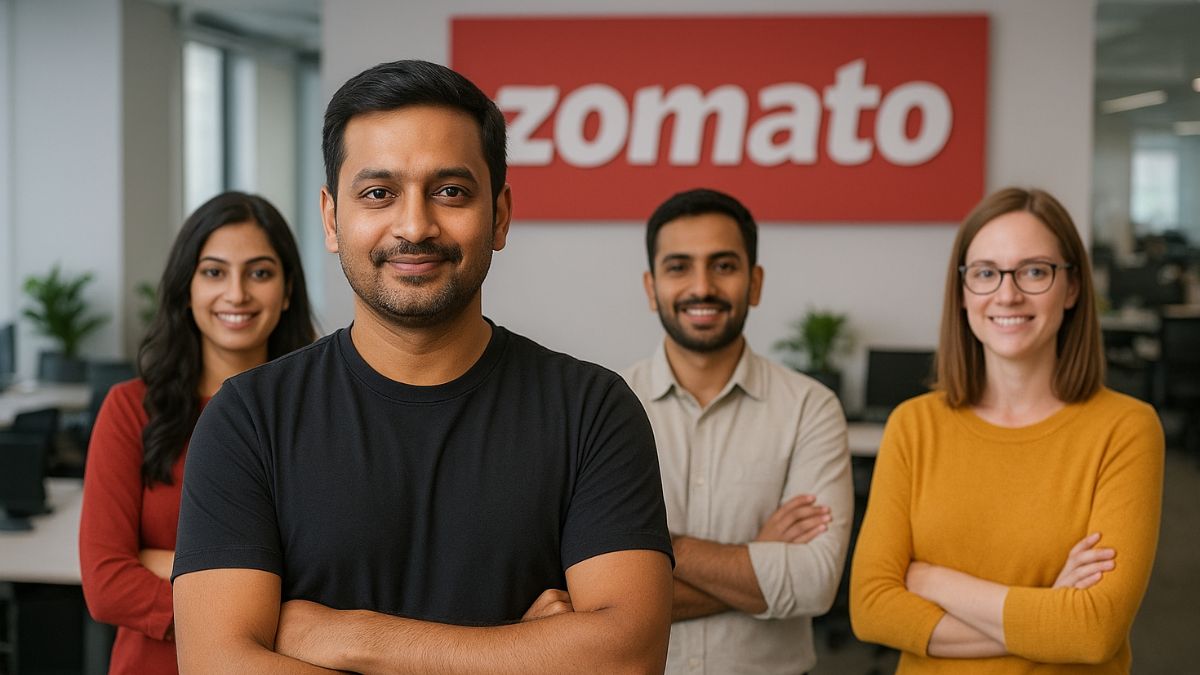
1. Introduction: Why Deepinder Goyal’s Lessons Are Essential
Deepinder Goyal startup lessons provide actionable insights for founders navigating the uncertain and highly competitive Indian startup ecosystem. From the early days of Zomato, when the company was just scanning menus and manually delivering information to users, Deepinder demonstrated a unique approach to tackling problems that most early-stage startups struggle with. His problem-solving methods focus on clarity, speed, and customer-centricity, which are essential traits for surviving the initial chaos of a startup. These early-stage startup insights show that success does not come from resources alone but from disciplined execution, learning from real feedback, and strong decision-making. Applying founder mindset strategies inspired by his journey allows founders to avoid common pitfalls and scale sustainably while staying focused on long-term growth, operational efficiency, and team development.
- 1. Introduction: Why Deepinder Goyal’s Lessons Are Essential
- 2. Lesson 1: Focus on One Market Before Scaling
- 3. Lesson 2: Address Problems Publicly to Build Trust
- 4. Lesson 3: Move Fast, Learn Faster
- 5. Lesson 4: Make Tough Decisions Early
- 6. Lesson 5: Listen to Users, Not Just Advisors
- 7. Lesson 6: Hire Carefully, Act Fast
- 8. Lesson 7: Stay Observant and Focused
- 9. Lesson 8: Don’t Glorify Struggle
- 10. Conclusion
- About Hobo.Video
2. Lesson 1: Focus on One Market Before Scaling
2.1 Why Concentrating Locally Builds Strong Foundations
Deepinder Goyal startup lessons emphasize mastering a single market before attempting nationwide expansion. India is diverse, and consumer behavior varies significantly across cities. By focusing on one city initially, Zomato growth strategies could be tested, refined, and optimized for efficiency. This allowed the team to understand restaurant operations, user behavior, and delivery logistics in a controlled environment. Many founders make the mistake of scaling too quickly, stretching resources thin, and facing operational chaos. Concentrating on one market ensures clarity and builds repeatable processes. This approach reflects critical startup leadership principles, emphasizing focus and discipline. By solidifying operations locally, founders can create a template that can be replicated in other regions, significantly reducing risk and setting the stage for controlled, sustainable growth that scales effectively while maintaining quality and service standards.
2.2 Cost Efficiency and Strategic Advantage
Focusing on one market provides both operational and cost advantages. For early-stage startups, limiting the initial scope can reduce operational costs by nearly 30–40 percent while allowing teams to experiment with new strategies without excessive risk. Deepinder’s approach shows that careful planning and disciplined execution create a strong foundation for scaling. By gathering early-stage startup insights from concentrated markets, founders can learn faster and iterate efficiently. This method also aligns with founder mindset strategies, emphasizing patience and prudence over impulsive expansion. Ultimately, mastering one market before scaling allows startups to avoid common pitfalls, strengthen internal processes, and ensure a higher probability of long-term success.
3. Lesson 2: Address Problems Publicly to Build Trust
3.1 Transparency as a Competitive Advantage
One of the most notable Deepinder Goyal startup lessons is the importance of public transparency. Early in Zomato’s journey, errors like delayed deliveries or incorrect menus were addressed openly rather than concealed. This approach cultivated trust with customers, showing accountability and responsiveness. For founders facing early-stage challenges, openly acknowledging mistakes can strengthen brand credibility and encourage a proactive internal culture. Transparency also fosters better communication within teams and ensures issues are addressed quickly. Customers tend to respond positively to honesty, which can translate into stronger loyalty and higher retention rates. By integrating this principle into operations, founders can simultaneously reinforce their brand and demonstrate authentic leadership that aligns with startup leadership principles and founder mindset strategies.
3.2 Shaping Team Culture Through Visibility
Handling problems publicly also sets a cultural precedent within the startup. When teams observe leadership addressing issues openly, it creates a safe environment for experimentation and learning. Deepinder Goyal problem solving in public ensures that employees feel empowered to make decisions without fear of blame, encouraging innovation and accountability. Impact of team quality: Startups withwell-aligned early teamsgrow up to 2x faster than those with misaligned or inexperienced teams. This approach highlights key startup leadership principles: honesty, integrity, and proactive communication. Early-stage startup insights demonstrate that founders who model transparency foster more resilient teams capable of handling stress and adapting to challenges. A culture built on openness ultimately strengthens organizational performance and supports scalable growth across markets.
4. Lesson 3: Move Fast, Learn Faster
4.1 Speed as a Strategic Advantage
Deepinder Goyal startup lessons repeatedly show that speed often outweighs perfection in the early stages. Startups operate in dynamic environments, and rapid execution helps founders test assumptions and gather actionable feedback quickly. Many early-stage startups delay decisions, fearing failure, but this hesitation often slows growth and innovation. By adopting a “move fast, learn fast” mentality, founders can reduce risks through small experiments while iterating quickly based on real results. Early-stage startup insights show that speed builds momentum, improves team agility, and uncovers valuable patterns in customer behavior, which are essential for long-term scaling. Founder mindset strategies inspired by this approach emphasize decisiveness and adaptability over cautious planning, allowing startups to stay ahead of competitors.
4.2 Implementing Quick Experimentation
Zomato’s success demonstrates the importance of rapid testing. Deepinder encouraged teams to implement small-scale experiments, gather feedback, and refine approaches continuously. This startup problem-solving framework provides a structured method for innovation without overwhelming resources. By focusing on measurable outcomes, teams learn what works and what doesn’t, enabling informed decisions. Early-stage startup insights suggest that repeated cycles of experimentation create predictable growth patterns. Founder mindset strategies prioritize learning from these iterative processes, ensuring that speed does not compromise quality or customer satisfaction. This balance between action and reflection is a cornerstone ofsustainable scalingfor any early-stage venture.
5. Lesson 4: Make Tough Decisions Early
5.1 Cutting What Doesn’t Work
Deepinder Goyal startup lessons highlight the importance of decisiveness. Startups often struggle to discontinue failing products, features, or initiatives due to emotional attachment. Zomato’s early decisions to eliminate underperforming lines allowed the company to reallocate resources efficiently and focus on high-impact areas. Making hard choices early prevents compounding problems and aligns with founder mindset strategies that prioritize long-term growth over short-term comfort. Early-stage startup insights show that hesitation in decision-making is a major factor behind failure, with nearly 70% of startups encountering difficulties due to delayed action. Founders who embrace this principle gain clarity, build stronger teams, and maintain operational discipline.
5.2 Emotional Discipline and Strategic Focus
Letting go of ideas, products, or team members requires emotional intelligence. Deepinder demonstrated that separating personal attachment from business needs strengthens decision-making. Startup leadership principles stress focus, resource allocation, and clear priorities. Founders who cultivate emotional discipline can act quickly, adapt strategies, and maintain growth momentum. Early-stage startup insights indicate that disciplined decision-making also improves team confidence and reduces confusion. By systematically evaluating options and making tough choices, founders ensure that resources support scalable initiatives, contributing to sustainable success in complex markets.
6. Lesson 5: Listen to Users, Not Just Advisors
6.1 Prioritizing Real Feedback
Deepinder Goyal startup lessons emphasize that advisors provide guidance, but real users reveal what truly matters. Zomato’s growth strategies were informed primarily by observing user behavior and preferences. Customers demanded faster delivery, accurate menus, and a consistent experience. Early-stage startup insights reveal that understanding actual customer needs helps refine products, identify gaps, and anticipate market trends. Founder mindset strategies stress collecting actionable feedback, interpreting data effectively, and making iterative improvements based on evidence rather than assumptions or opinions. Companies that activelyuse customer feedbackin product decisions see 10–15% higher retention rates than those that don’t.
6.2 Building Effective Feedback Loops
Creating structured systems to capture user input enables early detection of issues and supports continuous improvement. Deepinder Goyal problem solving relied heavily on feedback loops to enhance customer experience and refine operations. Startup leadership principles encourage transparency, responsiveness, and adaptability. Applying these lessons helps founders prioritize high-impact initiatives and develop products that resonate with target audiences. Consistent listening not only improves offerings but also strengthens brand loyalty and positions startups for long-term scalability.
7. Lesson 6: Hire Carefully, Act Fast
7.1 The Importance of High-Impact Teams
Hiring is one of the most critical decisions for early-stage startups. Deepinder Goyal startup lessons show that small, talented, and committed teams outperform larger, misaligned groups. High-quality hires drive faster execution, stronger problem-solving, and efficient operations. Early-stage startup insights indicate that each employee has an outsized impact on culture and performance, making recruitment a strategic priority. Founder mindset strategies stress evaluating skills, culture fit, and alignment with long-term objectives before expanding teams.
7.2 Removing Misaligned Members Quickly
Keeping underperforming or misaligned team members can slow execution and increase operational costs significantly. Deepinder’s approach demonstrates the importance of addressing these issues promptly. Startup problem-solving frameworks suggest clear performance metrics and regular evaluations to guide decisions. Acting decisively ensures the team remains focused and motivated. By hiring carefully and removing obstacles early, founders build resilient teams capable of scaling operations effectively, fostering alignment with organizational goals, and supporting sustainable growth.
8. Lesson 7: Stay Observant and Focused
8.1 Awareness Drives Strategy
Deepinder Goyal startup lessons highlight the need for continuous observation. Founders must track market trends, customer behavior, and competitor moves to make informed decisions. Early-stage startup insights reveal that small shifts in the market can significantly impact growth if unnoticed. Founder mindset strategies emphasize curiosity, vigilance, and proactive thinking. By staying aware, founders can pivot effectively, anticipate challenges, and seize opportunities before competitors.
8.2 Avoiding Distractions for Maximum Impact
Deepinder minimized unnecessary meetings and administrative tasks to prioritize core objectives. Startup leadership principles stress focus and time management as essential for early-stage success. Founders who concentrate on critical areas such as product development, customer experience, and operational efficiency are better positioned to execute strategies effectively. Staying observant while eliminating distractions enhances decision-making and ensures that the startup remains agile, responsive, and capable of achieving sustained growth.
9. Lesson 8: Don’t Glorify Struggle
9.1 Smart Work Over Endless Hustle
Many founders believe that long hours equate to progress, but Deepinder Goyal startup lessons show that disciplined execution yields better results. Zomato growth strategies focused on structured systems, process clarity, and efficient operations rather than glorifying chaos. Early-stage startup insights suggest that excessive hustle can lead to burnout, reduced productivity, and team attrition. Founder mindset strategies encourage founders to work smarter, streamline operations, and maintain a healthy work-life balance for sustained performance.
9.2 Building Systems, Not Chaos
Creating organized workflows and clear processes is essential for early-stage startups. Deepinder emphasized that strong systems reduce errors, improve accountability, and facilitate scaling. Startup problem-solving frameworks rooted in discipline ensure that teams can operate effectively, even under pressure. Founders who replace unnecessary drama with structured executionbuild stronger, more resilient organizations capable of meeting customer expectations consistently and achieving long-term success.
10. Conclusion
Summary of Key Takeaways
- Start with one market, refine processes, then scale gradually.
- Move fast, test small, and learn from feedback.
- Address issues publicly to strengthen trust.
- Make tough decisions early to protect resources.
- Listen to real users over assumptions or advice.
- Hire carefully, remove obstacles, and build high-performing teams.
- Stay observant, focused, and aware of market changes.
- Build disciplined systems rather than glorifying struggle.
- Apply these principles to product, brand, and marketing strategies.
About Hobo.Video
Hobo.Videois India’s leading AI-powered influencer marketing and UGC company, with over 2.25 million creators. It offers end-to-end campaign management designed for brand growth. Services include:
- Influencer marketing
- UGC content creation
- Celebrity endorsements
- Product feedback and testing
- Marketplace and seller reputation management
- Regional and niche influencer campaigns
Trusted by brands like Himalaya, Wipro, Symphony, Baidyanath, and Good Glamm Group. Register today to scale your brand.
You don’t need magic. Just a plan for smart brand growth.Let’s build one.
Influencer to influencer — this is where the real growth begins.Register now.
FAQs
What are Deepinder Goyal startup lessons?
Practical insights from Zomato’s growth that guide founders in problem-solving, decision-making, and scaling.
How can founders handle early challenges?
Focus on one market, gather user feedback, and act decisively.
Why is transparency important?
It builds trust, strengthens team culture, and fosters customer loyalty.
How do these lessons apply to marketing?
They guide campaigns by emphasizing testing, learning, and responsiveness.
What is the founder mindset strategy?
Focused execution, adaptability, and prioritizing long-term growth over short-term comfort.
How do you scale sustainably?
Build repeatable processes, focus on core markets, and invest in high-quality teams.
Why avoid romanticizing struggle?
Burnout reduces productivity; structured systems yield better results.
What hiring strategy works best?
Hire slowly for skill and fit, act quickly when necessary.
How does feedback improve products?
Real-time insights guide enhancements and improve customer experience.
Why are these lessons relevant today?
They help founders navigate complex markets efficiently, fostering growth and resilience.


