


Introduction
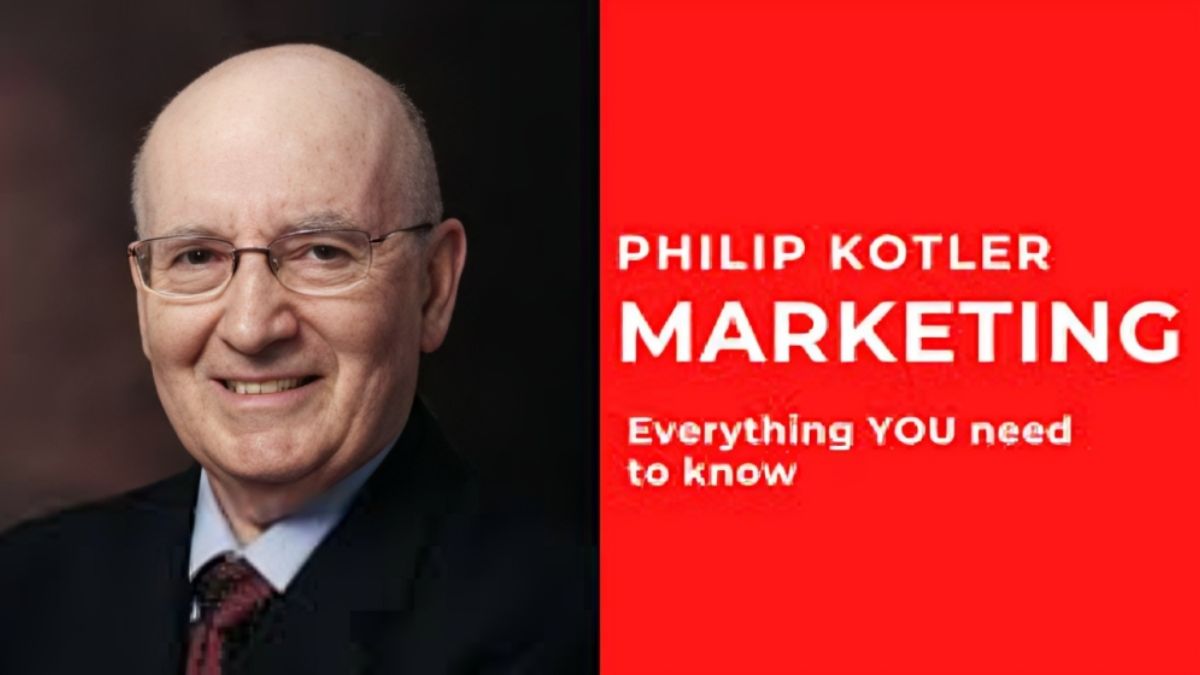
When you hear the title Father of Digital Marketing, the mind immediately jumps to Philip Kotler. Often celebrated as the Father of Modern Marketing, Kotler’s insights didn’t just influence traditional marketing, they laid the conceptual foundation for today’s digital revolution. In a rapidly evolving Indian digital landscape, every marketer who wants to thrive owes a debt to his ideas. His frameworks on consumer behavior, segmentation, targeting, positioning, and data-driven decision-making remain the blueprint for influencer marketing, UGC videos, and AI-powered campaigns today.
Digital marketing’s journey is far from linear. It’s messy, full of trial and error, early triumphs, and bold innovations. From the first clickable banner ad in 1994 to sophisticated AI influencer marketing campaigns, understanding this history isn’t optional, it’s essential for brands competing in India’s crowded online space. In this article, we trace the history of digital marketing, highlight crucial milestones, and explain how Philip Kotler’s philosophy continues to influence modern campaigns, including practical lessons for D2C brands in India.
- Introduction
- 1. The Origins of Digital Marketing
- 2. Key Milestones in Digital Marketing
- 3. How Philip Kotler Shaped Modern Digital Marketing
- 4. Real-World Impact: Case Studies
- 6. Lessons for Modern Marketers
- 7. The Future of Digital Marketing
- 8. Innovation Timeline of Digital Marketing
- Conclusion : Summary
- About Hobo.Video
1. The Origins of Digital Marketing
Digital marketing didn’t simply appear overnight. Its roots stretch back to the early 1990s, when the internet slowly penetrated homes and offices. Marketers experimented boldly with banner ads, email marketing, and early search engines, constantly asking: What actually resonates with people? Kotler’s principles on segmentation, targeting, and positioning (STP) were already guiding these efforts, even if marketers didn’t explicitly realize it.
In India, digital marketing began modestly. Yet the core remains identical: understand your audience, deliver content that matters, and measure everything. Kotler’s insistence on evidence-driven decisions offers the perfect blueprint for Indian brands leveraging platforms like Hobo.Video to run ROI-focused campaigns efficiently.
1.1 Early Internet Marketing Strategies
The first digital campaigns were primitive by today’s standards, but revolutionary nonetheless. Static banner ads, straightforward email newsletters, and early pay-per-click campaigns became laboratories for understanding consumer psychology. Each click, open, or conversion taught marketers lessons Kotler had been emphasizing for decades: the consumer should always come first.
- Banner Ads: First appeared on portals like HotWired in 1994, capturing attention in entirely new ways.
- Email Marketing: Offered the unprecedented ability to communicate directly with audiences, personalizing messages long before social media existed.
- Click Tracking: Early analytics that gave marketers insights into behavior, a direct descendant of Kotler’s measurement-centric mindset.
Statista reports that global online advertising spend in 1995 was just $0.5 billion. By 2025, India alone is expected to surpass $12 billion in digital advertising spend. That’s a testament to how early experiments, combined with data-driven marketing, can snowball into a digital marketing juggernaut.
1.2 Digital Advertising Pioneers Inspired by Kotler
Few individuals influenced the industry as profoundly as the Father of Digital Marketing. These visionaries didn’t just create ads; they created systems. They pioneered audience segmentation, measured ROI, and applied data to what was previously intuition-driven. Their work laid the foundation for platforms that now allow brands to manage influencer campaigns, schedule posts, and track engagement effortlessly. Imagine trying to plan a marketing campaign without these principles, it would be like navigating a city without a map.
2. Key Milestones in Digital Marketing
Digital marketing has evolved over three decades, shaped by technological innovation and marketing visionaries like Kotler.
2.1 Search Engine Marketing Origins
Search engines revolutionized consumer discovery. Google, launched in 1998, prioritized relevance over volume, forcing marketers to rethink content strategy. Suddenly, understanding SEO, keywords, and user intent became mandatory, concepts Kotler had long advocated under the umbrella of understanding consumer behavior.
- 1998: Google’s algorithm redefined online discovery.
- 2005: Paid search advertising matured, allowing precise ROI measurement.
- Impact in India: Brands like Nykaa and Mamaearth that adopted search marketing early captured niche audiences and grew exponentially.
By combining search engine marketing with Kotler’s segmentation principles, Indian brands gained a competitive advantage that continues to influence their digital campaigns today.
2.2 The Rise of Social Media and Influencer Marketing Beginnings
By the late 2000s, social media platforms like Facebook, Instagram, and YouTube transformed marketing. This era gave birth to influencer marketing, a natural extension of Kotler’s relationship marketing philosophy. The premise is simple: people trust people. Influencers became authentic voices brands could amplify.
Examples from India:
- A regional skincare brand collaborated with micro-influencers on Instagram, achieving 35% higher engagement in just three months.
- Wellness D2C brands that integrated UGC videos reported a 22% increase in repeat purchases, showing the power of authentic user content.
Platforms like Hobo.Video now make it seamless to scale influencer campaigns, combining AI UGC with traditional marketing insights for maximum impact.
3. How Philip Kotler Shaped Modern Digital Marketing
Understanding Kotler’s principles clarifies why modern campaigns succeed. His emphasis on consumer-centric strategies, measurement, and continuous innovation continues to guide marketers globally.
3.1 Data-Driven Decision Making
Kotler believed marketing decisions should be guided by evidence, not intuition. Today, digital marketers rely on real-time analytics, tracking engagement, conversion rates, and ROI. Platforms like Hobo.Video provide actionable insights, allowing teams to pivot campaigns instantly based on consumer responses a modern embodiment of Kotler’s vision.
3.2 Audience-Centric Messaging
Kotler’s segmentation framework dividing audiences into demographics, psychographics, and behavior-based clusters has been digitized. Indian brands leveraging AI influencer marketing can identify influencers who resonate with specific customer segments, ensuring relevance, trust, and engagement.
3.3 Continuous Testing and Optimization
Digital campaigns today embrace A/B testing, multivariate testing, and dynamic content, echoing Kotler’s emphasis on iteration. Campaigns are never static, they evolve constantly, driven by analytics, consumer feedback, and market shifts.
4. Real-World Impact: Case Studies
4.1 Indian D2C Brands
Concrete examples illustrate Kotler’s principles in action:
- Snack Brand Example: Micro-influencer campaigns in tier-2 cities increased sales by 40% in two months.
- Beauty Brand Example: Automation via campaign tools reduced campaign time by 25%, while engagement increased simultaneously.
- Wellness Brand Example: UGC videos drove repeat purchases up 22%, emphasizing the importance of authentic content.
5.2 Lessons for Marketers
These case studies reveal a simple truth: historical marketing principles remain powerful when paired with modern tools. Platforms like Hobo.Video enable Indian brands to combine AI-driven analytics, influencer marketing, and UGC content, delivering measurable ROI and authentic engagement.
6. Lessons for Modern Marketers
6.1 Emphasizing Audience Engagement
Kotler’s core teaching is clear: understand your consumer. Brands today analyze behavior, preferences, and engagement metrics to refine campaigns. Platforms like Hobo.Video automate data collection while keeping influencer collaborations authentic and human.
6.2 Leveraging Influencer Marketing Effectively
Learning how to become an influencer or collaborating with top influencers in India magnifies campaigns. Authenticity combined with AI influencer marketing ensures content resonates, builds trust, and drives conversions.
7. The Future of Digital Marketing
Digital marketing will continue to evolve, merging AI, predictive analytics, and immersive experiences. Kotler’s timeless principles—consumer focus, measurement, and adaptability, remain indispensable. Indian D2C brands that blend historical wisdom with technological innovation will lead the market and redefine success.
8. Innovation Timeline of Digital Marketing
- 1994: First clickable banner ad appears.
- 1995: Email marketing campaigns gain traction.
- 1998: Google revolutionizes online search.
- 2005: Paid search advertising standardizes ROI measurement.
- 2010 onwards: Social media and influencer marketing rise globally and in India.
These milestones demonstrate that Kotler’s principles underpin every major advancement in digital marketing, including audience engagement optimization and ROI-focused campaigns.
Conclusion : Summary
- Digital marketing began with banner ads, emails, and search engines.
- The Father of Digital Marketing pioneered data-driven, measurable campaigns.
- Influencer marketing beginnings evolved into structured, ROI-focused strategies.
- Platforms like Hobo.Video enable brands to implement these lessons using AI UGC and automated campaign tools.
- Studying history equips marketers to innovate while sustaining engagement and results.
About Hobo.Video
Hobo.Video is India’s leading AI-powered influencer marketing and UGC company. With over 2.25 million creators, it offers end-to-end campaign management designed for brand growth. The platform blends AI insights with human strategy to maximize ROI.
Services include:
- Influencer marketing
- UGC content creation
- Celebrity endorsements
- Product feedback and testing
- Marketplace and seller reputation management
- Regional and niche influencer campaigns
Trusted by brands such as Himalaya, Wipro, Symphony, Baidyanath, and the Good Glamm Group.
If you’re a brand ready to break the mold and achieve hypergrowth, we’re already on your wavelength.Let’s build something powerful together.
If you’re passionate, creative, and ready to earn, this is for you.Start now.
Frequently Asked Questions
Who is the Father of Digital Marketing?
He is the pioneer who systematized online marketing, making data, testing, and measurable results central to strategy.
What is the history of digital marketing?
It began in the early 1990s with banner ads, email campaigns, and search engine optimization, evolving steadily since.
When did influencer marketing begin?
Social media in the late 2000s gave rise to influencer marketing, which has now become structured and ROI-focused.
What are key milestones in digital marketing?
From the first clickable ad in 1994 to AI-driven campaigns today, each milestone shaped modern strategy.
How can brands leverage UGC videos?
UGC videos increase authenticity and engagement, especially when integrated into campaigns via platforms like Hobo.Video.
What are early internet marketing strategies?
Banner ads, email marketing, and pay-per-click search advertising were the first steps in building online visibility.
Why study digital marketing history?
It teaches marketers what works, avoids repeated mistakes, and provides insights into audience behavior and trends.
How did search engine marketing originate?
Optimizing for relevance and paid search in the late 1990s allowed brands to drive targeted traffic efficiently.
What is the role of influencers in India today?
Influencers help brands tell authentic stories, drive engagement, and boost conversions across social platforms.
Why choose Hobo.Video for influencer marketing?
Hobo.Video combines AI, UGC, and creator strategy to deliver measurable results for brands in India.


