


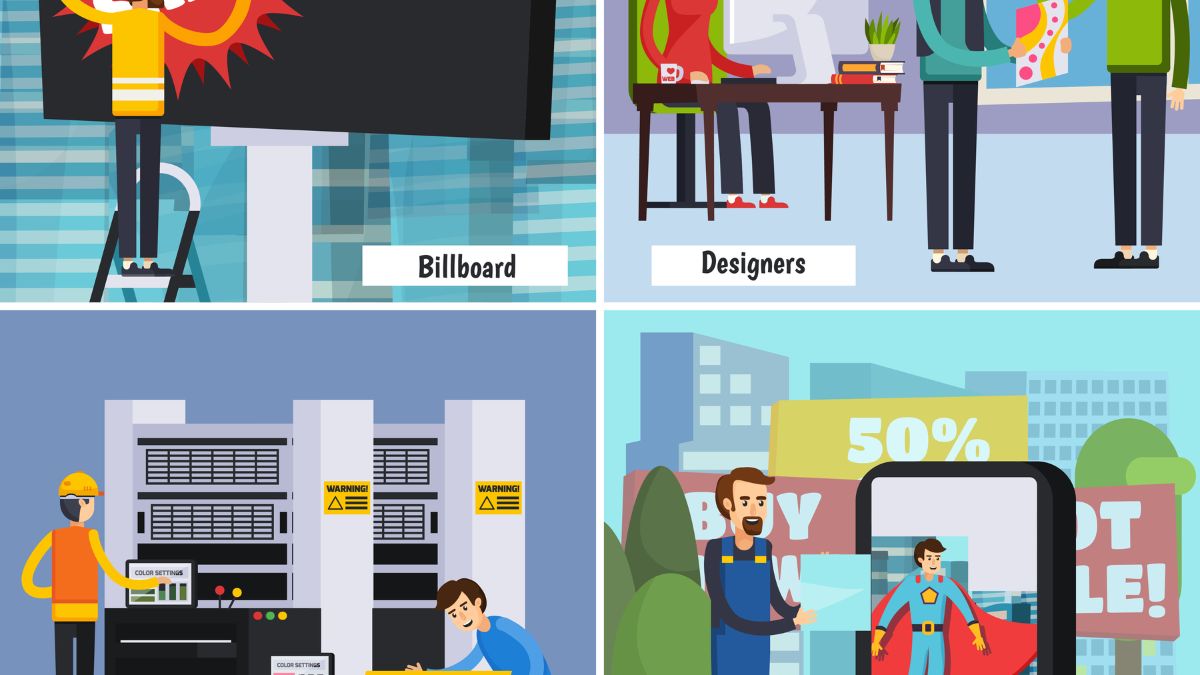
The debate around infomercial vs demonstration comes up often today because brands need formats that feel natural, show value clearly, and influence buying decisions. Many marketers still blend these two even though both work differently. A strong infomercial meaning lies in simple storytelling and emotion, while a strong product demo meaning lies in proof and clarity. Indian viewers connect with both styles, but they expect them in different stages of the buying journey. With UGC Videos, influencer marketing, AI UGC, and creator-led content shaping most campaigns today, the comparison between infomercial vs demonstration is more important than ever.
Reports show Indian internet usersspend around 90 minutes a daywatching product videos. Another study reveals that more than 80 percent trust a product demo before buying. Meanwhile, infomercial-style content improves brand recall for more than half of the audience in the first two months. These figures show how each format influences consumer buying influence in its own way. Choosing the right one becomes essential when planning campaigns that blend storytelling, proof, and relatable experiences.
- 1. What Is an Infomercial? A Complete Infomercial Explanation
- 2. What Is a Product Demo? A Clear Product Demo Breakdown
- 3. Infomercial Vs Demonstration: Understanding the Real Difference
- 4. Where Each Format Works Best for Indian Brands
- 5. How Influencer Marketing Shapes Both Styles
- 6. Why UGC Videos Outperform Traditional Infomercials
- 7. A Side-by-Side Marketing Comparison
- 8. How AI Influencer Marketing Strengthens Both Formats
- 9. A Simple Guide for Brands Choosing Between the Two
- Conclusion: Key Learnings to Remember
- About Hobo.Video
1. What Is an Infomercial? A Complete Infomercial Explanation
An infomercial is a long-form narrative that mixes promotion with a relatable story. It takes more time than a short ad because it tries to build context before presenting a product. A typical infomercial identifies a problem, adds tension, and offers the product as a clear solution. This structure explains why this infomercial explanation still matters in a fast-moving digital world.
Infomercials usually highlight benefits rather than plain features. They zoom into lifestyle outcomes and emotional triggers. Strong infomercial marketing techniques often include testimonials, comparisons, and relatable moments. A good infomercial also uses a side-by-side marketing comparison to show how the product performs better than alternatives. Many Indianbrands now adapt this formatinto shorter, creator-driven clips to make them useful, snackable, and authentic for viewers.
2. What Is a Product Demo? A Clear Product Demo Breakdown
A product demo focuses on showing how the product actually works. It is a straight-to-the-point, hands-on explanation. Whether it’s a blender, a face serum, a mobile app, or a grooming tool, a demo proves performance without drama. This product demo breakdown is built on simple, logical steps that help viewers understand the product demo meaning instantly.
Indian consumers rely on demos because they remove confusion. Seeing a product in action builds trust quickly. People heavily depend on UGC Videos and creator content when evaluating categories like electronics, beauty, kitchen essentials, or fitness gear. The natural tone, lighting, and unscripted flow make demos feel more believable. For this reason, creators across India record thousands of demos daily for both big and small brands.
3. Infomercial Vs Demonstration: Understanding the Real Difference
The real difference between infomercial and product demo sits in intention. Infomercials persuade through a story. Demonstrations persuade through proof. This contrast shapes the entire conversion path. Infomercials help viewers imagine how a product fits into their life. Demonstrations help them judge whether the product is actually worth the price.
In simple terms, infomercials drive discovery while demos drive decision. This is why brands must think about infomercial vs demonstration early in the content plan. Both formats influence buyers differently and both can shape outcomes when used in the right order.
4. Where Each Format Works Best for Indian Brands
Infomercials perform well when the product carries a strong emotion or lifestyle shift. Categories such as skincare, home improvement, fitness accessories, and wellness products use storytelling to grab attention. Demonstrations work best when the product requires technical evidence. Electronics, cooking appliances, grooming gadgets, and smart tools fit this category.
A crisp visual product presentation helps viewers understand function instantly. Many top influencers in India combine both formats by starting with a problem-focused opener, then shifting into a quick demo, and closing with a short comparison. This hybrid style has proven effective because Indian audiences enjoy content that is clear, relatable, and free of unnecessary noise.
5. How Influencer Marketing Shapes Both Styles
Influencer marketing India has reshaped how brands approach infomercials and demos. Today, creators deliver short infomercial-style clips that feel like everyday conversations. Their tone is friendly, familiar, and easy to follow. This directly boosts consumer buying influence, even when the video is under a minute.
Product demos have become even more creator led. People trust real users more than staged ads. They want honest reactions, close-up angles, and real-time usage. This helps viewers understand the difference between infomercial and product demo in a practical way. The creator community also knows how to handle the “How to,” “What is,” and “where to use” questions that audiences ask often.
6. Why UGC Videos Outperform Traditional Infomercials
UGC brings authenticity to infomercials. When everyday consumers express the whole truth of their experience, the storytelling feels genuine. UGC blends the emotion of infomercials with the clarity of demonstrations. It shows reactions, comparisons, and hints that feel natural and unscripted.
With the rise of AI UGC and platforms that support creators, brands now rely oncommunity-driven storiesmore than staged ads. This evolution makes infomercial vs demonstration a flexible decision rather than a strict choice. UGC merges both and offers the best of each.
7. A Side-by-Side Marketing Comparison
A side-by-side marketing comparison helps marketers decide quickly:
7.1 Strengths of Infomercials
- Build emotional recall
- Offer entertainment value
- Highlightlifestyle improvements
7.2 Strengths of Demonstrations
- Show real results
- Establish trust faster
- Suit products that require technical clarity
This comparison simplifies the content planning process.
8. How AI Influencer Marketing Strengthens Both Formats
AI influencer marketing has changed the workflow for both infomercials and demos. AI tools help identify patterns, find the right creators, shape storylines, and optimize performance. For infomercials, AI predicts what emotional triggers work best. For demos, AI suggests framing, speed, and angles that viewers respond to.
Creators also get insights on rising queries such as “How to,” “What is,” and “where to buy.” This helps the content match what people search or ask in real time.
9. A Simple Guide for Brands Choosing Between the Two
9.1 Understand your product type
If it needs proof, choose a demo. If it needs awareness, choose an infomercial.
9.2 Understand your viewer’s stage
Use infomercials for discovery and demonstrations for conversion.
9.3 Match the platform
Short videos favour demos. Long formats favour infomercial-style storytelling.
9.4 Decide the tone
Use problem-solution for infomercials and step-by-step clarity for demos.
Conclusion: Key Learnings to Remember
Here are the main takeaways:
- Use infomercials when your goal is emotion and interest.
- Use demonstrations when your goal is trust and decision-making.
- Blend both formats inside UGC strategies for best results.
- Plan where infomercial vs demonstration fits in your funnel.
- Keep your narrative simple and relatable.
- Focus on strong visual product presentation.
- Let creators speak naturally rather than script every line.
About Hobo.Video
Hobo.Videois India’s leading AI-powered influencer marketing and UGC company. With over 2.25 million creators, it offers end-to-end campaign management for brand growth. Using a combination of AI and human strategy, Hobo.Video ensures maximum ROI.
Services include:
- Influencer marketing
- UGC content creation
- Celebrity endorsements
- Product feedback and testing
- Marketplace and seller reputation management
- Regional and niche influencer campaigns
Trusted by brands like Himalaya, Wipro, Symphony, Baidyanath, and the Good Glamm Group.
If you’re a brand ready to break the mold and achieve hypergrowth, we’re already on your wavelength.Let’s build something powerful together.
Want consistent campaigns and timely payments?Let’s get started.
FAQs
1. What separates an infomercial from a product demo?
An infomercial aims to build interest through a story, while a product demo focuses on real performance. Each helps the viewer at a different point in the buying journey.
2. Why are infomercials still used in India?
They build emotional connection. Viewers enjoy content that feels like everyday advice instead of a direct advertisement.
3. Do product demos build trust faster?
Yes. Clear, real usage gives people confidence in what they are buying.
4. Does UGC improve infomercial performance?
UGC adds honesty and removes the staged feeling of traditional ads. That makes infomercials more believable.
5. Are demos better for high-investment products?
Usually yes. People want proof before spending on electronics, appliances, or smart tools.
6. Why do creators have so much impact on buying decisions?
Their tone is simple and natural. They speak the way consumers think, which builds trust.
7. Should brands always use both styles?
Most should. Infomercials attract attention and demonstrations seal the deal.
8. Are short infomercials effective today?
Yes. Short clips with a solid problem-solution hook can perform really well.
9. How does AI help improve these formats?
AI studies viewer behaviour and suggests the best angles, topics, and creator styles.
10. How can brands record better demonstration videos?
Use simple steps, clear light, natural framing, and honest usage. Let the creator’s experience guide the flow.


