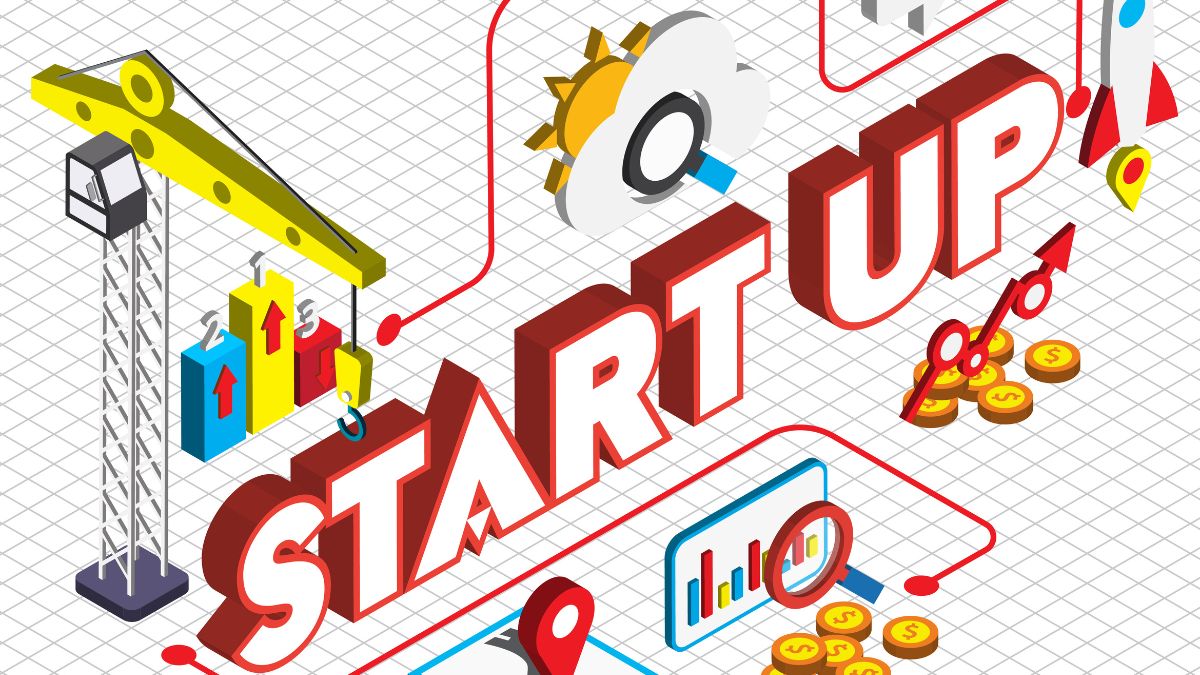
India’s startup ecosystem is a rollercoaster fast, unpredictable, and full of surprises. Turning an idea into a business that actually survives and grows? That’s harder than most people think. From Idea to Success: Startup’s Marketing Journey shows how passion and energy can be guided with a clear roadmap, highlighting the small, crucial steps that lead to real growth, because without them, your startup risks disappearing into the noise.
From Idea to Success: Startup’s Marketing Journey isn’t just a guide. Think of it as a practical map, full of strategies, lessons, and insights that come from seeing startups win and fail in real life.
Whether you’re a first-time founder figuring out how to launch or a D2C brand trying to scale through influencers and user-generated content (UGC), this guide walks you through turning ideas into measurable outcomes. Let’s get into it.
- 1. Understanding Startup Growth Strategies
- 2. Setting Goals and KPIs
- 3. Audience Research and Persona Development
- 4. Crafting Your Marketing Strategy
- 5. Community Engagement and Organic Growth
- 6. Influencer Collaboration and UGC Integration
- 7. Paid Media and Organic Synergy
- 8. Monitoring, Analytics, and Optimization
- 9. Leveraging Trends and Emerging Features
- 10. Common Mistakes to Avoid
- Summary: Key Takeaways
- Final Call-to-Action
- About Hobo.Video
1. Understanding Startup Growth Strategies
Let’s be honest: startup growth is messy. One week feels like a breakthrough, the next, nothing seems to work. Marketing strategies need to be flexible because your audience, your competitors, and even your own product can change overnight.
1.1 From Idea to Execution
Before you post your first ad or create your first reel, ask yourself three questions:
- What problem are we really solving?
Too many startups create “solutions” nobody needs. If your product doesn’t add value, nothing else matters. - Who else is doing this, and what can we do differently?
Study competitors. Don’t just glance at them, look at their messaging, campaigns, and the gaps they’re leaving. That’s where your opportunity lies. - Why should people care?
Your value proposition is your heart and soul. If it’s weak, nobody will notice your campaigns. Make it clear, precise, and human.
And remember: this isn’t a “set and forget” step. Markets shift, trends evolve, and your audience changes. Revisit your core message often.
1.2 Core Principles of Startup Marketing
- Be agile: If something isn’t working, pivot fast. Don’t cling to a plan because it looks nice on paper.
- Experiment constantly: Try different formats, test new content ideas, and fail quickly to learn faster.
- Celebrate small wins: Even tiny engagement or early conversions are proof you’re moving in the right direction.
A quick reality check: 57% of Indian startups make digital marketing a priority in their first year. It’s not a luxury, it’s survival.

Amplify Your Brand,
One Influence at a Time.
2. Setting Goals and KPIs
Without clear goals, you’re shooting in the dark. A startup without KPIs is a ship drifting aimlessly.
2.1 SMART Goals for Startups
- Specific: Don’t just say “get more users.” Say, “We aim for 5,000 sign-ups in three months.”
- Measurable: Track what you can count clicks, downloads, sign-ups.
- Achievable: Be realistic. Ambition is good, but chasing impossible targets is demoralizing.
- Relevant: Tie metrics to revenue, retention, or engagement, whatever moves the needle for your business.
- Time-bound: Deadlines give focus. Without them, campaigns drag.
2.2 Aligning Goals with Brand Vision
Your marketing goals must match your startup’s identity. A lifestyle brand lives in storytelling and user-generated content. A SaaS company thrives on problem-solving tutorials. Mismatched goals? Your campaigns feel hollow and your audience senses it immediately.
3. Audience Research and Persona Development
Here’s the harsh truth: even the most creative campaigns fail if they don’t resonate with the right people. Knowing your audience isn’t optional—it’s everything.
3.1 Data-Driven Insights
Pay attention to where your audience is active and what they like. Tools like Hootsuite, Sprout Social, or even simple Instagram analytics can tell you:
- When are they online?
- What content keeps them hooked videos, blogs, memes?
- Which platforms do they prefer LinkedIn, YouTube, Instagram, or niche regional apps?
3.2 Crafting Buyer Personas
Go deeper than demographics. Include pain points, content preferences, and platform habits. Think of it as creating a mini-profile of your ideal customer what keeps them up at night, what makes them scroll past your post, and what makes them hit “buy.”
- Pain points
- Content preferences
- Online habits
For example:
- A health-tech startup might target urban professionals aged 25–40.
- An EdTech startup focuses on Gen Z students active on Instagram and Discord.
Tailoring content to these personas can almost double conversion rates. Skipping this? It’s like throwing arrows blindfolded.
4. Crafting Your Marketing Strategy
Your marketing strategy is the backbone. Without it, campaigns feel messy and forgettable.
4.1 Content Pillars
- Educational: Tutorials, how-tos, tips people actually use.
- Engagement: Polls, quizzes, challenges—anything that sparks conversation.
- Promotional: Launches, offers, and collaborations that feel natural.
4.2 Choosing Formats and Channels
- Instagram: Reels, Stories, Carousels
- LinkedIn: Articles, posts
- YouTube: Shorts, tutorials
UGC adds trust. Startups using authentic user or influencer-generated content often see engagement double compared to polished corporate posts.
4.3 Scheduling and Consistency
Random posting kills momentum. Tools like Buffer, Hootsuite, or dashboards like Hobo.Video help plan campaigns. Regularity builds trust—and trust keeps people coming back.
5. Community Engagement and Organic Growth
Even brilliant content falls flat if people don’t interact. Your community is your best growth engine.
5.1 Community-First Approach
- Respond to DMs and comments promptly. People notice and remember.
- Run polls and Q&As. Ask, “What do you want to see next?”
- Collaborate with micro-influencers who truly understand your niche.
5.2 Leveraging UGC
Encourage testimonials, screenshots, unboxing videos. Micro-influencers build trust faster than big celebrities and they cost a fraction. Authenticity wins every time.
6. Influencer Collaboration and UGC Integration
The right influencer can fast-track your growth from concept to sales.
6.1 Selecting Influencers
- Relevance matters more than follower numbers.
- Check if their followers are your potential customers.
- Engagement beats vanity metrics every time.
6.2 Campaign Examples
- Health D2C brands often work with 10–15 micro-influencers to create tutorials that actually convert.
- Gaming startups use short UGC videos to showcase gameplay tips and gain organic reach.
6.3 Metrics to Track
- Engagement per post
- Shares and reposts
- Conversions from links
With the right approach, campaigns become predictable, measurable, and far more effective.
7. Paid Media and Organic Synergy
Paid ads aren’t an alternative, they amplify what’s already working.
- Boost posts performing well organically.
- Retarget website visitors with personalized ads.
- Track ROI to make every rupee count.
Startups that combine paid and organic campaigns see almost double engagement compared to organic-only approaches.
8. Monitoring, Analytics, and Optimization
Not tracking your campaigns is expensive guesswork. If you don’t measure, you’re just hoping for results. Think of it like driving blindfolded, you might get somewhere, but probably not where you want to go.
8.1 Track the Right KPIs
Measure engagement, reach, clicks, and conversions. Think of these as the pulse of your marketing without it, you can’t know if your efforts are healthy. Look beyond vanity numbers; focus on what truly moves your business forward.
8.2 Iterate Based on Data
Adjust formats, content, and schedules based on results. Share learnings with your team. Alignment saves time, reduces errors, and improves impact. Every tweak, no matter how small, can compound into big wins over time. Don’t be afraid to scrap what doesn’t work sometimes the fastest way forward is through letting go.
8.3 Document Everything
What worked, what didn’t, and why. Your future campaigns will thank you. Treat your reports like a diary one that your next campaign can learn from, so mistakes aren’t repeated. Over time, this becomes a playbook of proven strategies, saving countless hours and guesswork.
9. Leveraging Trends and Emerging Features
Stay ahead or get left behind. Social media evolves rapidly.
- AI tools can help generate content ideas and boost efficiency.
- Short-form video rules attention spans.
- Micro-communities foster loyalty and trust.
Startups using early AI-powered UGC campaigns see retention rates double among early adopters. Early moves pay off.
10. Common Mistakes to Avoid
- Starting marketing without a strategy
- Ignoring data and audience insights
- Relying only on influencer hype
- Skipping consistent posting or community engagement
Summary: Key Takeaways
- Set SMART goals that reflect business objectives
- Understand your audience deeply and create accurate personas
- Define content pillars and stay consistent
- Engage micro-influencers and leverage UGC
- Combine paid and organic campaigns for maximum impact
- Track KPIs and optimize continuously
- Use AI, short-form video, and community campaigns strategically
Final Call-to-Action
Following this journey from idea to success ensures campaigns that are measurable, authentic, and scalable. Brands and influencers can join Hobo.Video to use AI-powered influencer campaigns and UGC content—turning ideas into tangible results.
About Hobo.Video
Hobo.Video is India’s leading influencer marketing and UGC platform. With 2.25 million creators, it manages campaigns end-to-end for growth. Services include:
- Influencer marketing
- UGC content creation
- Celebrity endorsements
- Product testing and feedback
- Marketplace and seller reputation management
- Regional and niche influencer campaigns
Trusted by Himalaya, Wipro, Symphony, Baidyanath, and the Good Glamm Group, Hobo.Video combines reach, authenticity, and results.
Want creators who drive real, unconventional brand growth?Register now and launch your campaign.
If you’re an influencer who wants to earn without the hassle,Join now.
FAQs
How does a startup go from idea to success?
Plan strategically, execute thoughtfully, and engage the right community.
What are marketing tips for startup beginners?
Start small, define clear goals, test iteratively, and focus on learning.
Which platforms work best in India?
Instagram, YouTube, LinkedIn, and regional apps like ShareChat.
How often should startups post?
3–5 times per week on primary channels; Stories and Reels daily for consistency.
Are influencers necessary?
Yes. Micro and niche influencers amplify authentic reach cost-effectively.
Can small startups implement this framework?
Absolutely, scale campaigns according to resources and team capacity.
Which metrics matter most?
Engagement rate, reach, clicks, conversions, ROI.
Should startups invest in paid campaigns?
Yes, to amplify high-performing organic content and retarget prospects.
How do you optimize campaigns over time?
Analyze performance, tweak formats, posting schedules, and influencer strategies.
Is AI relevant for startups in 2025?
Definitely, it boosts efficiency, creativity, and campaign performance.

 Vishnumaya
 Rohit Thapa