
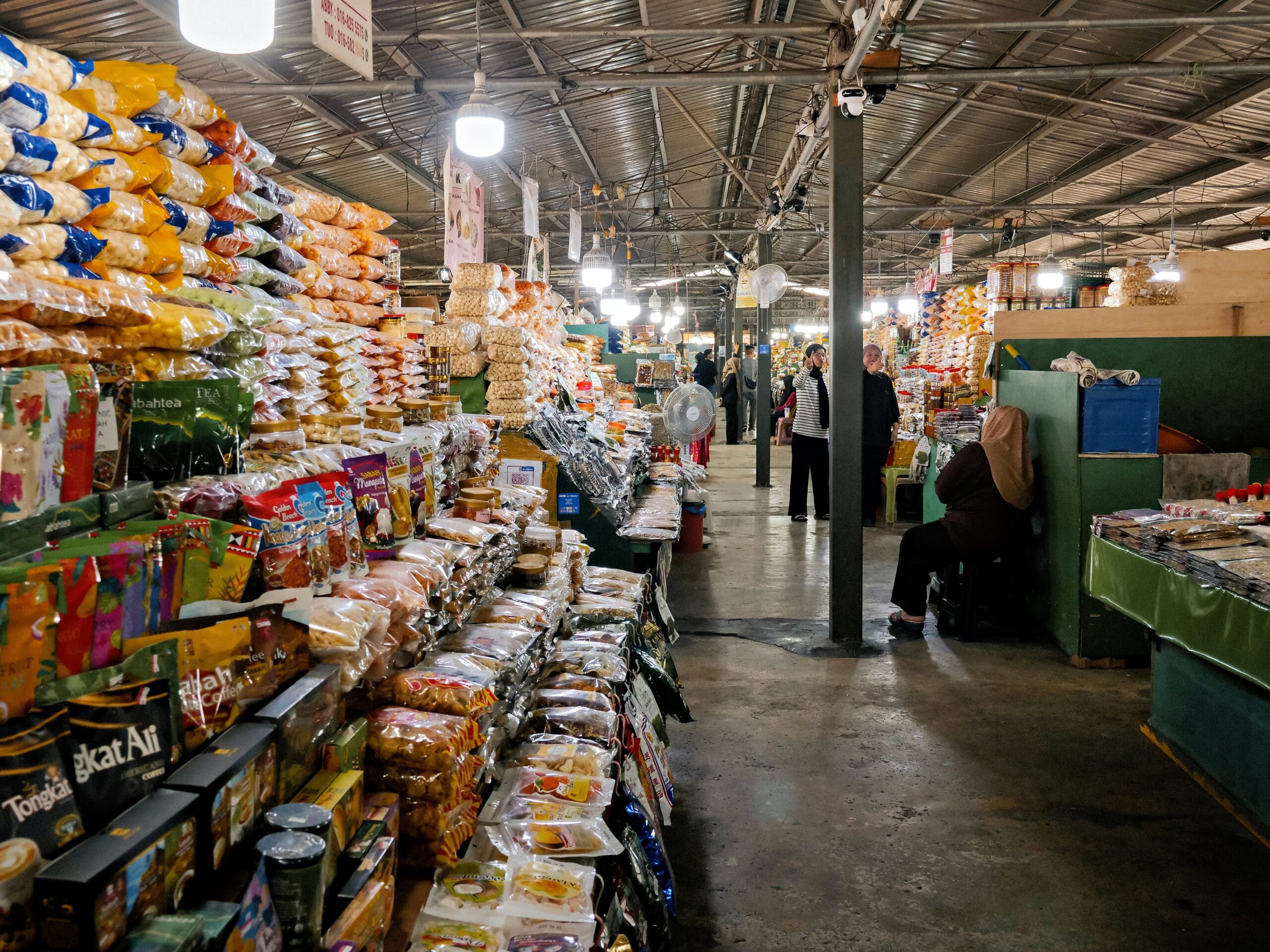
India’s consumer goods market is changing as international trade agreements reshape imports, pricing, product availability and competition. These agreements influence how Indian brands operate and how consumers access products from around the world. A product sitting on a supermarket shelf may have travelled through several countries before reaching an Indian household. Its ingredients, packaging, machinery and components may come from different markets. Meanwhile, the brand may manufacture the finished product in India. This is why international trade agreements matter to India’s consumer goods market. They influence how products move, what businesses pay and which brands can compete. They can also affect the choices available to consumers.
International trade agreements and India’s consumer goods market have a closer relationship than many shoppers realise. A change in import duty can affect product costs. A change in market access can create opportunities for Indian manufacturers. Similarly, rules covering product standards can influence which goods enter the country. These changes may eventually reach retailers, online marketplaces and households.
However, the impact is not always immediate. A lower tariff does not guarantee a lower retail price. Businesses also consider freight, exchange rates, taxes, storage, compliance and distribution. Therefore, understanding trade agreements requires looking beyond headline announcements.
- 1. Understanding International Trade Agreements and Their Role in India’s Consumer Goods Market
- 2. India’s Major Trade Agreements and What They Mean for Consumer Products
- 3. How Trade Agreements Affect Prices, Product Choices and Indian Brands
- 4. The Rules, Risks and Regulations Businesses Must Understand
- 5. What Consumer Brands, Retailers and Marketers Should Do
- Key Learnings: What the future may hold for India’s consumer goods market
- About Hobo.Video
This article explains how trade agreements influence India’s consumer goods market. It explores the opportunities, challenges and business decisions behind these changes. It also examines what Indian brands, retailers and marketers should watch as international trade relationships evolve.
1. Understanding International Trade Agreements and Their Role in India’s Consumer Goods Market
1.1 What is an international trade agreement?
An international trade agreement is an arrangement between two or more countries. It establishes rules for trade and economic cooperation. These rules may reduce tariffs, simplify customs procedures or improve access to specific markets. Some agreements also cover services, investment, intellectual property and technical standards.
A free trade agreement, commonly called an FTA, usually reduces or removes customs duties on eligible products. However, countries do not necessarily remove every duty. They may protect selected sectors through exclusions, quotas or longer tariff-reduction periods. Therefore, businesses must examine the product-specific schedules.
Other agreements use broader forms of cooperation. A Comprehensive Economic Partnership Agreement may cover goods, services and investment. A Trade and Economic Partnership Agreement may also include investment commitments and regulatory cooperation. The exact coverage depends on the negotiated text.

Amplify Your Brand,
One Influence at a Time.
For Indian businesses, these agreements can change sourcing decisions. They may also influence export plans and supplier relationships. Consequently, companies should study the actual agreement rather than rely only on a headline announcement.
1.2 Why consumer goods are directly affected
Consumer goods include products people buy for personal or household use. The category covers food, beverages, clothing, footwear, cosmetics, personal care, electronics, appliances and household products. Some products arrive as finished imports. Others use imported materials or components during Indian manufacturing.
Consider a personal care brand selling shampoo in India. It may source fragrances from one country and packaging machinery from another. It may manufacture the finished product locally. Therefore, changes in import duties on ingredients or machinery can influence production costs.
Similarly, an electronics brand may assemble products in India. Yet, it may depend on imported chips, displays or specialised components. Trade rules can affect these supply chains. They can also influence the price and availability of finished devices.
This explains why India’s consumer goods market responds to trade policy in several ways. The effect reaches manufacturers, importers, retailers and consumers. It may also create opportunities for local suppliers who can meet new demand.
1.3 How tariffs influence product costs
A tariff is a customs duty imposed on imported goods. When a country reduces a tariff under a trade agreement, eligible imports may become less expensive. However, the importer must satisfy the agreement’s conditions. These may include product classification and rules of origin. Suppose an imported appliance attracts a customs duty of 10%. A trade agreement may reduce the applicable preferential rate to 5%. The importer could then save money on the customs duty. However, the final retail price depends on other costs and business decisions.
The company may use the savings to improve its margin. It may reduce the selling price or spend more on marketing. It could also invest in distribution and customer service. Therefore, consumers do not always receive the entire benefit. Tariff reductions can also affect domestic manufacturers. Imported competitors may become more price-competitive. Local businesses may respond through product innovation, better service or lower production costs. As a result, trade agreements can influence competition even when consumers do not purchase imported goods directly.
1.4 The difference between an agreement being signed and becoming operational
A trade agreement does not necessarily take effect on the day countries announce it. Governments may need to complete domestic approval and ratification procedures. They may also need to publish customs notifications and implementation rules.
India’s recent trade agreements illustrate this distinction. The India-UAE CEPA came into force on 1 May 2022. The India-Australia ECTA became operational on 29 December 2022. The India-EFTA TEPA entered into force on 1 October 2025. The India-UK CETA became effective on 15 July 2026. The India-Oman CEPA entered into force on 1 June 2026. These dates matter when businesses calculate preferential duty benefits.
Companies should also distinguish operational agreements from negotiations and announcements. An announced agreement may not yet create an enforceable tariff benefit. Similarly, a signed agreement may still require ratification. Businesses should verify the current position before changing import contracts or pricing plans.
2. India’s Major Trade Agreements and What They Mean for Consumer Products
2.1 India-UAE CEPA: A stronger trade connection with a major regional partner
India and the United Arab Emirates signed their Comprehensive Economic Partnership Agreement in February 2022. It came into force on 1 May 2022. The agreement aims to improve market access and strengthen economic cooperation between the countries. The UAE is an important trading partner for India. It also serves as a commercial gateway to other markets. This makes the agreement relevant to businesses handling food products, textiles, jewellery, chemicals and other goods.
Official figures show that India-UAE bilateral trade reached US$100.06 billion in FY 2024–25. This represented growth of approximately 19.6% over the previous financial year. The figure includes trade across different product categories. It should not be treated as a direct measure of consumer goods sales. Nevertheless, it demonstrates the scale of the commercial relationship.
For consumer brands, stronger trade connections can support sourcing and distribution. Indian exporters may find opportunities in the UAE market. Importers may also explore products and materials from the region. However, businesses must still examine product-specific concessions and compliance requirements.
2.2 India-Australia ECTA: Opportunities across goods and supply chains
India and Australia signed the Economic Cooperation and Trade Agreement on 2 April 2022. It entered into force on 29 December 2022. The agreement created preferential market access for eligible goods and supported wider economic cooperation.
The relationship matters to consumer businesses through both finished products and industrial inputs. Australia supplies resources, agricultural products and raw materials. These inputs can support manufacturing and food-related industries in India. Meanwhile, Indian exporters gain access to the Australian market under preferential terms.
The Department of Commerce reported total bilateral trade of US$24.1 billion in FY 2024–25. India’s exports to Australia reached US$8.5 billion, compared with US$4 billion in FY 2020–21. The government also reported that India’s exports grew by 8% during FY 2024–25.
For Indian consumer brands, the agreement may support access to inputs and export markets. However, the benefits differ by sector and product. A company must examine its tariff classification and the applicable rules before claiming a concession.
2.3 India-EFTA TEPA: Investment and access to specialized markets
India signed the Trade and Economic Partnership Agreement with the European Free Trade Association on 10 March 2024. The EFTA group includes Switzerland, Norway, Iceland and Liechtenstein. The agreement entered into force on 1 October 2025.
The agreement covers goods, services, investment and other areas of economic cooperation. It also includes an investment objective of US$100 billion over 15 years. The agreement links this objective with the facilitation of one million direct jobs in India.
For consumer goods, the relationship may matter in several ways. Switzerland has established businesses in areas such as food, watches, healthcare and specialized manufacturing. Norway and Iceland have strengths in selected food, marine and industrial sectors. Liechtenstein has specialized manufacturing businesses.
However, the agreement does not mean every product from these countries enters India duty-free. Businesses must check the relevant tariff schedules. They should also consider Indian standards, labelling and product registration requirements.
The investment dimension may prove important over time. New investment can support manufacturing, technology transfer and supplier development. These changes may influence the products available to Indian consumers.
2.4 India-UK CETA: A new chapter in bilateral market access
India and the United Kingdom signed the Comprehensive Economic and Trade Agreement on 24 July 2025. It entered into force on 15 July 2026. The agreement covers trade in goods and services, alongside wider economic cooperation. The Indian government has stated that the agreement provides zero-duty access for nearly 99% of India’s exports to the UK. It also reported that more than 50 export consignments were flagged off across over 20 ports, airports, inland container depots, special economic zones and factories on the first day.
For Indian consumer goods companies, improved access can support exports of textiles, clothing, footwear, processed products and other eligible goods. The agreement may also influence the sourcing decisions of UK brands operating in India.
However, exporters must understand the product schedules. They must also comply with rules of origin and destination-market standards. A lower tariff does not remove every regulatory requirement. Companies still need accurate documentation and reliable supply chains.
2.5 India-Oman CEPA and India-New Zealand FTA
India and Oman signed their Comprehensive Economic Partnership Agreement on 18 December 2025. It entered into force on 1 June 2026. The agreement adds another important relationship to India’s expanding trade network. Oman has a strategic location near major shipping routes. It also has commercial links across the Gulf region. These factors can matter to businesses involved in logistics, food, chemicals and industrial supply chains. The Ministry of Commerce’s recent trade briefing lists the agreement’s status.
India and New Zealand signed their free trade agreement on 27 April 2026. The agreement entered into force on 20 October 2026, according to a government update issued in November 2026. New Zealand is particularly relevant to food and agricultural trade. However, businesses should avoid assuming that every agricultural product receives unrestricted access. Agreements may contain product-specific safeguards, quotas and conditions.
For consumer brands, these partnerships can expand sourcing options. They may also create export opportunities. The real impact will depend on implementation, product coverage and business readiness.
2.6 The India-EU agreement and the US interim framework
India and the European Union announced the conclusion of their FTA negotiations on 27 January 2026. However, negotiation completion does not automatically mean the agreement has entered into force. Legal review, signing and ratification processes remain important.
The European market matters to Indian businesses across textiles, pharmaceuticals, engineering, food and consumer products. An operational agreement could influence market access and supply-chain decisions. It may also affect the competitive position of European brands in India, depending on the final tariff schedules.
India and the United States also announced a framework for an interim agreement in February 2026. The government described negotiations as ongoing in its trade agreement update. Therefore, businesses should not treat the framework as a fully operational FTA.
For companies, this distinction is essential. Announcements may create expectations, but only implemented commitments establish applicable trade benefits. Businesses should monitor official notifications before making long-term sourcing decisions.
3. How Trade Agreements Affect Prices, Product Choices and Indian Brands
3.1 Imported products may become more competitive
Lower preferential tariffs can reduce the cost of eligible imports. This may make some foreign products more competitive in India. The effect depends on the original duty, the reduction schedule and the product’s total landed cost. Consider a premium kitchen appliance imported from a partner country. A tariff concession may reduce the importer’s customs expense. The importer could then offer a more competitive price. Alternatively, it may retain the existing price and improve its margin. Consumers may benefit when brands pass on part of the savings. They may also gain access to products that were previously expensive or difficult to source. However, this outcome is not automatic.
Exchange-rate movements can offset tariff savings. Freight costs may rise. Companies may also face higher insurance or compliance expenses. Therefore, marketers should avoid promising price reductions simply because a trade agreement exists. A more accurate message explains the specific product benefit. Brands should also verify the applicable tariff before making claims about lower prices.
3.2 Consumers may get more variety and product access
Trade agreements can help businesses explore suppliers and markets that were previously less attractive. This may increase the range of products available to consumers. It can also create opportunities for specialized categories. For example, a retailer may consider importing premium food products from a partner country. An electronics distributor may explore new suppliers. A fashion company may source specialized fabrics or accessories. These decisions can widen product choice.
However, product access depends on more than tariffs. Companies must consider demand, logistics, product standards and distribution. Some products may not suit Indian consumers or local price expectations. Retailers also need to evaluate after-sales support. Imported appliances require service networks and spare parts. Cosmetics may need appropriate registration and compliant labels. Food products must satisfy relevant safety requirements. Therefore, trade agreements can create possibilities. Businesses still need to decide which products make commercial sense.
3.3 Domestic manufacturers may face stronger competition
Trade liberalization can increase competitive pressure on Indian manufacturers. When eligible imports become cheaper, domestic companies may face new pricing challenges. This can be difficult for businesses with higher production costs or limited scale. Yet, competition can also encourage improvement. Companies may invest in better machinery, product design and quality control. They may review sourcing costs and reduce waste. Some may focus on specialized products rather than competing only on price.
The impact varies across industries. A small domestic manufacturer may face different challenges from a large company with an established supply chain. Similarly, a product category with strong local demand may respond differently from one dominated by imports. Government policy can also shape the outcome. Safeguards, quality standards and domestic manufacturing programmes may influence competition. Businesses should understand both trade commitments and domestic regulations. For brands, the central question is not simply whether imports become cheaper. It is whether the company can offer consumers a clear reason to choose its product.
3.4 Indian exporters can reach new consumers abroad
Trade agreements work in both directions. They can reduce barriers for Indian products entering partner markets. This creates opportunities for manufacturers, exporters and consumer brands. Indian companies may explore overseas demand for clothing, textiles, processed food, home products, beauty products and other eligible categories. However, success requires more than a lower tariff. Exporters must understand local tastes and regulations. They may need new packaging, language adaptations and product certifications. They must also build distribution and customer support.
A product that performs well in India may need changes for another market. For example, food brands may need different pack sizes or ingredient declarations. Fashion companies may need to adjust sizing and seasonal collections. Trade agreements can make market entry more attractive. Yet, brands must still build a credible proposition. They need reliable quality, suitable pricing and a strong route to market.
3.5 Supply chains can become more flexible
Many consumer products depend on international supply chains. A single finished product may use materials from several countries. Trade agreements can influence where companies source these inputs. A manufacturer may choose a supplier in a partner country because preferential duties improve the landed cost. Another business may diversify suppliers to reduce dependence on one location. Both decisions can change production planning.
However, companies must compare the complete cost. A cheaper imported component may create longer delivery times. It may also require additional testing or certification. A supplier closer to the factory may offer better reliability despite a higher price. Businesses should also consider currency risk. A sudden exchange-rate movement can affect import costs. Long-term contracts and hedging strategies may help manage exposure. Supply-chain decisions require careful analysis. Trade agreements create new options, but businesses must test those options against operational needs.
3.6 The benefits may reach consumers gradually
Consumers often expect trade agreements to produce immediate price changes. In practice, the impact may take time. Importers need to adjust contracts and documentation. Retailers may need to sell existing inventory first. Brands may also review their product portfolios before changing prices. They could introduce new variants or expand distribution. Some companies may invest savings in marketing and service instead of reducing prices.
Therefore, the consumer impact may appear through several routes. People may see more products, improved quality or stronger competition. Prices may change in selected categories rather than across the entire market. This is why broad claims can mislead. A trade agreement does not reduce every import duty. It does not guarantee cheaper products in every store. The effect depends on the product, agreement and business response.
4. The Rules, Risks and Regulations Businesses Must Understand
4.1 Rules of origin determine whether a product qualifies
Rules of origin are among the most important parts of a trade agreement. They determine whether a product qualifies as originating from a partner country. A product does not automatically qualify because a company ships it from that country. For example, a company may import raw materials from several countries. It may then assemble the finished product in an FTA partner country. The agreement’s rules will determine whether that processing is sufficient to qualify.
Rules may use criteria such as tariff classification changes, regional value content or specific manufacturing processes. The exact test differs by agreement and product. This matters because importers must prove eligibility. They may need a certificate of origin and supporting records. Incorrect claims can lead to denied benefits, duty demands or penalties. Businesses should review these rules before choosing suppliers. They should also maintain documents that show where materials came from and how production occurred.
4.2 Product standards and safety requirements still apply
Lower customs duties do not remove product safety obligations. Imported goods must comply with applicable Indian laws and standards. These requirements protect consumers and help maintain product quality. For example, selected electronics and household products may require compliance with Bureau of Indian Standards requirements. Food products must follow the relevant Food Safety and Standards Authority of India rules. Cosmetics also face applicable regulatory requirements.
Companies should examine the rules before importing. They should confirm whether testing, registration or certification applies. They should also review packaging and labelling obligations. The same principle applies to exports. Indian manufacturers must satisfy the destination country’s product requirements. A product may qualify for preferential duty but still fail a technical standard. Businesses should treat compliance as part of product planning. It should not become a last-minute customs exercise.
4.3 Non-tariff barriers can affect market access
Not every trade barrier takes the form of a customs duty. Countries may use technical regulations, testing rules, labelling requirements and licensing procedures. These measures can affect how easily products enter a market. Some requirements protect legitimate public interests. They may support health, safety or environmental goals. However, differences between national systems can increase business costs.
For a consumer brand, these requirements may influence product design. A company may need different labels for different countries. It may also need additional testing or documentation. Businesses should identify these requirements early. They should include compliance costs in their pricing models. They should also work with experienced customs and regulatory professionals. An FTA may improve market access. Yet, exporters still need to understand the full regulatory environment.
4.4 Safeguards and exclusions protect sensitive sectors
Countries do not always open every product category in the same way. They may exclude sensitive products from tariff reductions. They may also use quotas or safeguards to manage import competition. A safeguard measure can address a situation where increased imports cause or threaten serious injury to a domestic industry. The relevant agreement and domestic legal framework determine when such measures apply. For businesses, this means tariff concessions need careful reading. A general statement about market access may not apply to every product. The product’s tariff line and schedule matter.
Companies should also monitor trade remedies. Anti-dumping duties and countervailing duties may affect import costs. These measures operate separately from ordinary preferential tariff reductions. Importers should verify the applicable duty before placing orders. Exporters should monitor trade policy developments in destination markets. This reduces the risk of unexpected costs.
4.5 Documentation and customs classification matter
Customs authorities classify products using Harmonized System codes. These codes help determine the applicable tariff and regulatory treatment. A small classification difference can change the duty or compliance requirement. Importers should confirm the correct classification before claiming preferential benefits. They should also check the agreement’s tariff schedule. The product description used in commercial documents should match the actual goods.
Documentation may include invoices, packing lists, transport documents and origin certificates. Businesses should maintain accurate records. They should also understand verification procedures. India’s DGFT provides information and digital services for trade documentation. The ICEGATE portal provides customs-related services and information. Companies should seek professional advice for complex classifications. An incorrect claim can create financial and operational problems.
4.6 Exchange rates and freight can offset tariff benefits
A tariff reduction is only one part of the landed cost. Currency movements can change the price of imported goods. Freight rates and insurance can also move unexpectedly. Suppose an importer receives a lower customs duty under an agreement. However, the supplier invoices the product in a foreign currency. If the rupee weakens before payment, the importer’s cost may rise.
Similarly, shipping delays can increase storage and handling expenses. A port congestion problem may erase part of the expected saving. These factors matter especially for seasonal consumer goods. Companies should build realistic cost models. They should test different exchange-rate and freight scenarios. They should also avoid making retail pricing decisions based only on headline tariff reductions.
A reliable sourcing strategy considers the entire supply chain. It does not focus on one tax rate.
5. What Consumer Brands, Retailers and Marketers Should Do
5.1 Review sourcing and product portfolios
Consumer brands should map the materials and components used in their products. They should identify where each input comes from. They should also review whether suppliers operate in countries with relevant trade agreements.
This exercise can reveal possible cost and supply-chain opportunities. A company may find an alternative supplier with preferential access. It may also identify a product that could become more competitive in an overseas market.
However, sourcing decisions should not rely on tariff savings alone. Businesses should evaluate quality, delivery times and supplier reliability. They should also consider currency exposure and compliance requirements.
Brands should review their product portfolios regularly. They may decide to introduce new variants or adjust pack sizes. They may also explore premium or specialised categories.
A trade agreement can create options. A well-planned business strategy turns those options into commercial decisions.
5.2 Build a landed-cost model before changing prices
Importers should calculate the complete cost of bringing a product into India. This includes the product price, freight, insurance, customs duties, applicable taxes and handling expenses. It may also include testing, certification and warehousing.
A preferential tariff can reduce one part of this calculation. Yet, the final result depends on all other costs. Companies should compare the existing route with the proposed sourcing route.
They should also consider inventory already in the market. A business may not be able to change retail prices immediately. It may need to sell older stock before introducing a revised price.
Retailers should communicate price changes carefully. They should avoid implying that every saving comes from an FTA. Transparent explanations help maintain customer trust.
5.3 Prepare for stronger competition through differentiation
As trade barriers change, brands may face new competitors. Competing only on price can become difficult. Businesses should identify what makes their products worth choosing.
That advantage may come from quality, service, design, convenience or local relevance. Indian brands can also use regional knowledge to create products for specific consumer groups.
For example, a food brand may develop flavours suited to local preferences. A personal care company may create products for India’s climate and usage habits. A home appliance brand may focus on service availability and energy efficiency.
Differentiation should be supported by evidence. Brands should demonstrate product performance and explain their benefits clearly. They should also listen to customer feedback.
Strong positioning becomes especially important when consumers have more choices. A clear reason to buy can protect a brand from price-only competition.
5.4 Use market research before entering a new country
Trade agreements can make exports more attractive. However, a lower tariff does not prove that a market has enough demand. Companies must understand local consumers before investing.
They should research purchasing power, product preferences and retail channels. They should also study competitors and local regulations. A product may need different packaging, claims or product specifications.
Market research can include retailer interviews and consumer surveys. Businesses can also study online reviews and category searches. These sources can reveal common complaints and unmet needs.
Small export tests may help validate demand. A company can begin with a limited product range. It can then review sales, returns and customer feedback before expanding.
International expansion requires patience. A trade agreement can lower a barrier, but it cannot replace market understanding.
5.5 Make marketing relevant to different consumer groups
Trade agreements may increase product variety. As competition grows, brands need clearer communication. They should explain why a product matters to a particular audience.
For example, a premium imported appliance may appeal to consumers seeking advanced features. A locally manufactured alternative may compete through service and affordability. Both brands need to communicate their value honestly.
Marketers should avoid broad claims such as “best quality” without evidence. They should explain product features and show practical benefits. They should also use customer feedback to understand purchase barriers.
This is where influencer marketing can support product education. Creators can demonstrate how products work. They can explain differences between models and show products in everyday settings.
However, brands must provide accurate information. Paid partnerships should be disclosed. Creators should not make unsupported claims about product origin, safety or performance.
5.6 Use UGC Videos to explain product value
When consumers compare more products, authentic demonstrations can help them understand their options. UGC Videos can show product use, packaging, features and everyday performance. They can also answer questions that a traditional advertisement may not address.
For example, a creator can demonstrate an imported kitchen appliance. Another can compare two fabric types. A skincare creator can explain texture and application, while avoiding medical promises.
Brands should create clear briefs. They should provide verified product information and specify claims that creators must avoid. They should also secure permission for content usage.
AI UGC tools can help brands develop creative variations. However, synthetic content must not misrepresent real customer experiences. Brands should maintain transparency and human review.
The purpose is not to make every advertisement look like a customer review. It is to help consumers understand the product through useful content.
5.7 Use AI and data without losing consumer trust
Trade agreements can create more complex sourcing and market data. AI tools can help businesses analyse suppliers, monitor prices and organise product information. They can also support demand forecasting and campaign planning.
AI influencer marketing can help brands organise creator discovery and campaign workflows. However, brands should verify audience quality and content relevance. Automated recommendations should not replace human judgement.
AI UGC can support content production and adaptation. Yet, brands must not use synthetic testimonials that pretend to represent real customers. They should also disclose synthetic or altered content when necessary.
Data quality matters. Incorrect product information can lead to misleading claims. Poor supplier data can also create compliance risks.
Businesses should use technology to improve decisions. They should not treat automated output as proof. Human teams must review important commercial and consumer-facing information.
5.8 Build a team that understands trade and consumer behaviour
Trade agreements involve several business functions. Procurement teams need to understand sourcing options. Finance teams need to model costs. Legal and compliance teams need to review obligations. Marketing teams need to communicate product value.
These functions should work together. A sourcing decision can affect product positioning. A tariff change can affect pricing. A new supplier can affect product quality and delivery.
Companies should create a regular trade review process. They can track agreement updates, tariff schedules and regulatory changes. They should also identify products that may qualify for concessions.
Smaller businesses may not have a dedicated trade team. They can work with customs brokers, trade consultants and industry associations. They should still maintain internal responsibility for important decisions.
The best results come from informed coordination. Trade policy should not remain isolated within the import department.
Key Learnings: What the future may hold for India’s consumer goods market
India’s trade network continues to evolve. New agreements and upgrades can change market access across several sectors. At the same time, businesses face changing consumer expectations and global supply-chain risks.
The impact will not be identical across product categories. Electronics may respond to component costs and technology access. Food products may depend on safety rules and tariff schedules. Fashion may benefit from sourcing flexibility and export opportunities. Beauty and personal care may face detailed product and labelling requirements.
The wider opportunity lies in stronger competition and better business choices. Indian companies can use trade agreements to access new markets. They can also explore specialised inputs and international partnerships.
However, success will depend on execution. Businesses need reliable suppliers, compliant products and clear consumer communication. They also need to understand the actual benefits available under each agreement.
For consumers, the long-term outcome may include greater choice and stronger competition. Yet, price changes will depend on many factors beyond trade policy.
- Check the agreement’s status: Confirm whether it is announced, signed, ratified or operational.
- Study product-specific tariff schedules: Do not assume every product receives the same concession.
- Understand rules of origin: Verify whether goods qualify for preferential treatment.
- Calculate the full landed cost: Include freight, insurance, duties, compliance and currency movements.
- Review product standards: Confirm Indian and destination-market requirements before shipping.
- Explore new suppliers carefully: Compare quality, reliability and total cost.
- Prepare for competition: Strengthen product quality, service and differentiation.
- Research export markets: Understand consumer preferences and distribution before entering.
- Communicate product value honestly: Avoid unsupported claims about price, origin or quality.
- Use creator content responsibly: Make product demonstrations accurate, transparent and useful.
- Use AI with human review: Protect consumer trust and verify important information.
- Monitor trade policy updates: Review official notifications and customs guidance regularly.
About Hobo.Video
Hobo.Video is India’s leading AI-powered influencer marketing and UGC company. With over 2.25 million creators, it offers end-to-end campaign management designed for brand growth. Its approach combines AI capabilities with human strategy to support maximum ROI.
Its services include:
- Influencer marketing
- UGC content creation
- Celebrity endorsements
- Product feedback and testing
- Marketplace and seller reputation management
- Regional and niche influencer campaigns
Trusted by brands such as Himalaya, Wipro, Symphony, Baidyanath and the Good Glamm Group, Hobo.Video helps businesses connect with audiences through relevant creator-led campaigns. It supports brands seeking stronger product communication, consumer engagement and measurable marketing outcomes.
Visit Hobo.Video to explore influencer marketing and UGC solutions for your next campaign.
If you’re ready to grow your brand smartly, we’re right here. Let’s connect.
We’re a growing community of creators doing big things you in? Join now.
Frequently Asked Questions
What are international trade agreements?
International trade agreements are arrangements between countries that establish rules for trade and economic cooperation. They may reduce customs duties, improve market access and simplify trade procedures. Some agreements also cover services, investment and technical standards. Their exact scope depends on the negotiated text. Businesses should review product-specific rules before claiming benefits.
How do trade agreements affect India’s consumer goods market?
Trade agreements can influence import costs, product availability and competition. They may reduce duties on eligible imports and create export opportunities for Indian manufacturers. They can also affect sourcing decisions and supply chains. However, the impact varies by product. Freight, exchange rates, compliance and business pricing decisions also influence the final consumer price.
What are rules of origin in an FTA?
Rules of origin determine whether a product qualifies as originating from a trade agreement partner. Shipping a product through a partner country does not automatically make it eligible. The product may need to meet specific manufacturing or value-addition conditions. Importers must maintain supporting documents and follow certificate-of-origin procedures when claiming preferential tariffs.
Do free trade agreements make imported products cheaper in India?
They can reduce customs duties on eligible products. However, this does not guarantee lower retail prices. Importers also pay freight, insurance, handling and other costs. Businesses may retain some savings as additional margin. Therefore, consumers may see lower prices in selected categories, but not across every imported product.

 Ankita Saha
 Anooshka Pandey