
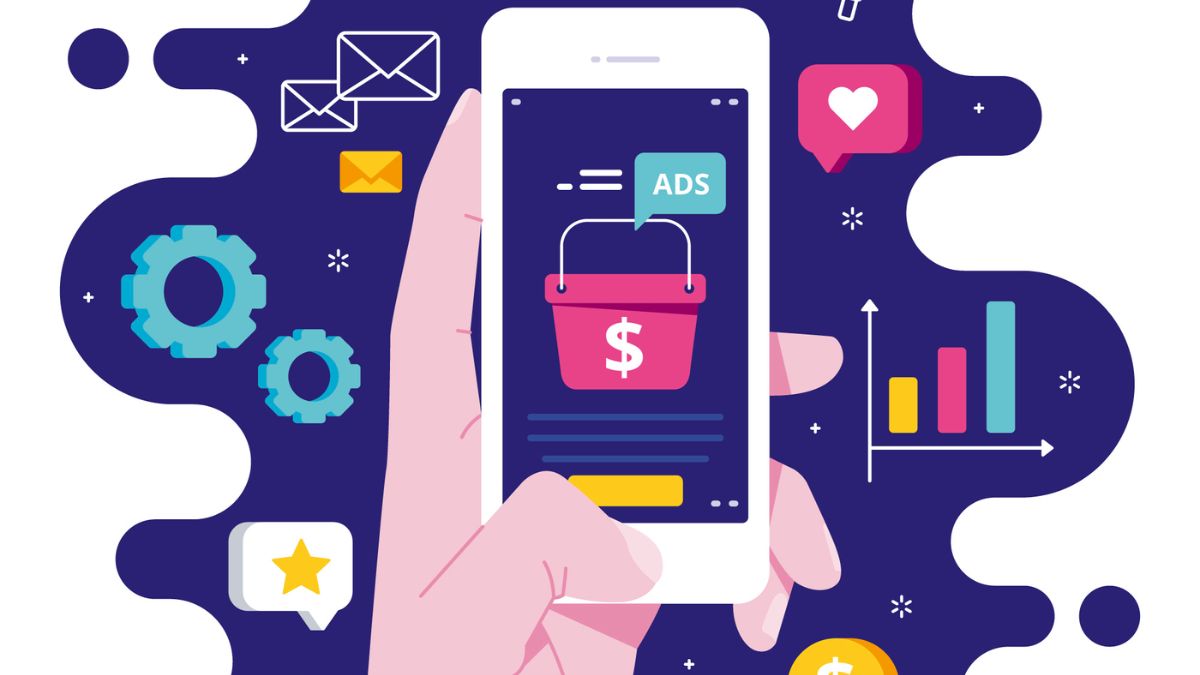
Digital monetization is not just a buzzword anymore—it has become the backbone of how businesses survive and grow in today’s digital-first economy. From startups to large enterprises, every brand is constantly experimenting with revenue models to find sustainable income sources. To truly Master Digital Monetization, businesses must understand how each revenue model works, what challenges exist, and how to combine them strategically. In India, especially, where digital adoption is rising at record speed, this knowledge can transform businesses into profitable powerhouses.
According toKPMG’s India report, the Indian digital economy is projected to reach $1 trillion by 2030, driven by new monetization strategies across e-commerce, SaaS, content, and influencer-led campaigns. The opportunities are vast, but the right mix of monetization strategies is the real game-changer. Whether it’s creating passive income online, implementing a freemium vs premium model, or tapping into platform-based business growth, the art lies in adapting models that match your business and customer needs.
This article breaks down eight proven revenue models that help you Master Digital Monetization, supported by real-world insights, practical strategies, and India-focused examples.
- 1. Subscription-Based Business Model
- 2. Advertising Revenue Streams
- 3. Freemium vs Premium Model
- 4. E-Commerce Revenue Ideas
- 5. SaaS Monetization Techniques
- 6. Platform-Based Business Growth
- 7. Passive Income Online
- 8. Virtual Events and Hybrid Monetization
- Conclusion – Learning to Master Digital Monetization
- About Hobo.Video
1. Subscription-Based Business Model
The subscription-based business model is one of the most effective ways to create predictable revenue. In this model, customers pay a recurring fee—monthly, quarterly, or annually—for continued access to a product or service.
1.1 Why Subscriptions Work in India
Subscription adoption in India has skyrocketed with platforms like Hotstar, Netflix, and Zee5. Statista reports that India’s subscription video-on-demand market is expected to hit $3 billion by 2027. For digital products, subscriptions lower the entry barrier while ensuring long-term customer relationships.
1.2 Benefits for Businesses
This model provides stable cash flow, customer loyalty, and better forecasting for growth. It allows companies to invest in innovation without worrying about irregular sales. In sectors likeSaaSand e-learning, this is a core digital monetization strategy.
2. Advertising Revenue Streams
Advertising continues to be a dominant force for online revenue generation. By leveraging traffic and audience engagement, businesses can earn through display ads, sponsored content, and programmatic advertising.

Amplify Your Brand,
One Influence at a Time.
2.1 The Growth of Digital Ads in India
As per GroupM’s 2024 report, India’s digital ad market crossed ₹55,000 crore, making up over 50% of total ad spends. Brands are moving budgets from television to digital, creating opportunities for publishers, apps, and influencers.
2.2 Advantages of Ad Models
Ads allow free access to services while creating revenue at scale. For businesses focused on digital content monetization, this ensures they can attract users without charging upfront fees, building both reach and trust.
3. Freemium vs Premium Model
The freemium vs premium model has become a core approach for apps, SaaS products, and online tools. It offers a basic free version to attract users and charges for advanced features.
3.1 Why It Works
In India, affordability plays a big role. Free versions create awareness, while premium tiers allow businesses to convert a small but high-value segment of users. For example, Spotify India follows this model successfully, drawing millions of free users while steadily growing its paid subscriber base.
3.2 Long-Term Benefits
This approach reduces acquisition costs, increases trust, and builds a funnel for upgrades. When combined with strong digital transformation in event industry strategies, freemium models help companies engage audiences before offering advanced paid solutions.
4. E-Commerce Revenue Ideas
E-commerce has opened a floodgate of opportunities for platform-based business growth. From direct-to-consumer sales to marketplace partnerships, businesses can create multiple revenue streams online.
4.1 Rise of E-Commerce in India
India’s e-commerce market is projected to reach $350 billion by 2030, as per Invest India. With platforms like Flipkart, Amazon, and Meesho, even small sellers can scale nationally. This makes e-commerce revenue ideas critical for mastering digital monetization.
4.2 Strategic Approaches
Models like dropshipping, affiliate sales, and private-label branding help diversify risk. Additionally, adding UGC videos and influencer marketing India strategies creates consumer trust and drives conversion rates up by over 30%.
5. SaaS Monetization Techniques
Software-as-a-Service is one of the fastest-growing industries in India. With a focus on recurring income and scalability, SaaS monetization techniques are becoming essential for businesses of all sizes.
5.1 Why SaaS Dominates
NASSCOM reports that the Indian SaaS market is expected to touch $50 billion by 2030. With low infrastructure costs and high scalability, SaaS empowers businesses to generate recurring revenues efficiently.
5.2 Winning SaaS Strategies
Tech companies are using tiered pricing, usage-based billing, and API monetization to drive growth. When bundled withAI influencer marketingcampaigns, SaaS firms also reach global audiences without heavy marketing spends.
6. Platform-Based Business Growth
Platforms thrive by creating ecosystems where multiple players—buyers, sellers, and creators—interact. Businesses like Zomato, Swiggy, and Ola are Indian examples of successful platform-based business growth.
6.1 Value of Platforms
Platforms enable multiple revenue streams: commissions, ads, subscriptions, and partnerships. By leveraging interactive event experiences and UGC, platforms keep users engaged while expanding their ecosystem. They also create network effects where every new user increases the value for others. Over time, platforms can diversify into new services, making them more resilient to competition.
6.2 Future Potential
As India transitions towards hybrid events, technology, and platform-driven digital economies, these models will only grow stronger. Platforms give scale, data insights, and trust—key pillars to Master Digital Monetization. They allow businesses to pivot into adjacent industries with lower risk. Additionally, platforms often attract investor interest because of their long-term scalability.
7. Passive Income Online
Passive income is no longer limited to investments. Today, digital creators, influencers, and businesses generate passive income online through affiliate marketing, royalties, and ad revenue.
7.1 Why Passive Income Matters
In India, creators on YouTube alone earned over ₹7,000 crore collectively in 2023, highlighting the scale of opportunities. Passive models reduce dependence on active work and create consistent side incomes. They also provide financial security, allowing individuals to explore creative projects without constant monetary pressure. With the right setup, one-time efforts like creating an e-book can continue earning revenue for years.
7.2 Building Multiple Streams
By combining affiliate sales,famous Instagram influencers‘ partnerships, and UGC-led strategies, individuals and brands can ensure steady growth. These methods work across niches, from e-commerce to education. The key lies in diversifying income so that if one stream slows, others continue performing. Consistency in content creation and audience engagement strengthens these passive income channels over time.
8. Virtual Events and Hybrid Monetization
Events have gone digital, and India is seeing rapid adoption of virtual events, hybrid events technology, and innovative interactive event experiences.
8.1 Market Growth in Events
According to EY India, the event industry’s digital transformation has accelerated since 2020, with hybrid events accounting for over 60% of corporate event budgets in 2024. This showcases how digital transformation in the event industry is reshaping monetization. The market is set to expand further as businesses explore cost savings and global reach through virtual setups. At the same time, attendees enjoy more flexibility, making hybrid formats more appealing.
8.2 How Events Monetize Digitally
Ticketing, sponsorships, interactive features, and tiered access drive revenue. For brands, events also double as platforms for influencer marketing and AI UGC integration, ensuring higher engagement and long-term recall. Some companies also offer exclusive networking lounges or workshops at a premium price. This layered approach makes events a sustainable part of online revenue generation strategies.
Conclusion – Learning to Master Digital Monetization
- Subscriptions create a reliable income with customer loyalty.
- Advertising fuels scale for digital content monetization.
- Freemium models balance reach and premium upgrades.
- E-commerce revenue ideas expand business visibility.
- SaaS strategies enable recurring high-value revenue.
- Platforms unlock multiple income streams simultaneously.
- Passive income online builds long-term wealth.
- Virtual and hybrid events symbolize the future of event tech in India.
To truly Master Digital Monetization, businesses must combine these models instead of depending on one. In the Indian market, adaptability and consumer understanding are the real drivers of success.
Want to explore proven digital monetization strategies?Read here.
About Hobo.Video
Hobo.Videois India’s leading AI-powered influencer marketing and UGC company. With over 2.25 million creators, it offers end-to-end campaign management designed for brand growth. The platform combines AI and human strategy for maximum ROI.
Services include:
- Influencer marketing
- UGC content creation
- Celebrity endorsements
- Product feedback and testing
- Marketplace and seller reputation management
- Regional and niche influencer campaigns
Trusted by top brands like Himalaya, Wipro, Symphony, Baidyanath, and the Good Glamm Group.
Growth isn’t magic—it’s strategy, creativity, and the right people. If you’re serious about scaling,reach out to us now.
I found a platform that actually values creators — and you should too.Join in.
Frequently Asked Questions (FAQs)
Q1. What does it mean to Master Digital Monetization?
Mastering digital monetization means learning how to use different online revenue models to maximize earnings. It requires combining multiple strategies like subscriptions, ads, and SaaS for sustainable growth.
Q2. Why are subscription-based models so effective in India?
They provide affordable access to digital products while ensuring businesses enjoy steady revenue. With India’s rising middle class, subscriptions appeal to both affordability and convenience.
Q3. How can small businesses benefit from advertising revenue streams?
Small businesses with websites or apps can use ad networks to generate income. Even modest traffic can yield steady revenue, especially when combined with influencer partnerships.
TitleQ4. Is the freemium vs premium model suitable for all industries?
Not all, but it works well for apps, SaaS tools, and digital content platforms. It helps attract users for free and later upsell to premium features.
Q5. What are some trending e-commerce revenue ideas in India?
Affiliate programs, dropshipping, private labels, and UGC-led influencer campaigns are driving new revenue streams in e-commerce.

 Vishnumaya