
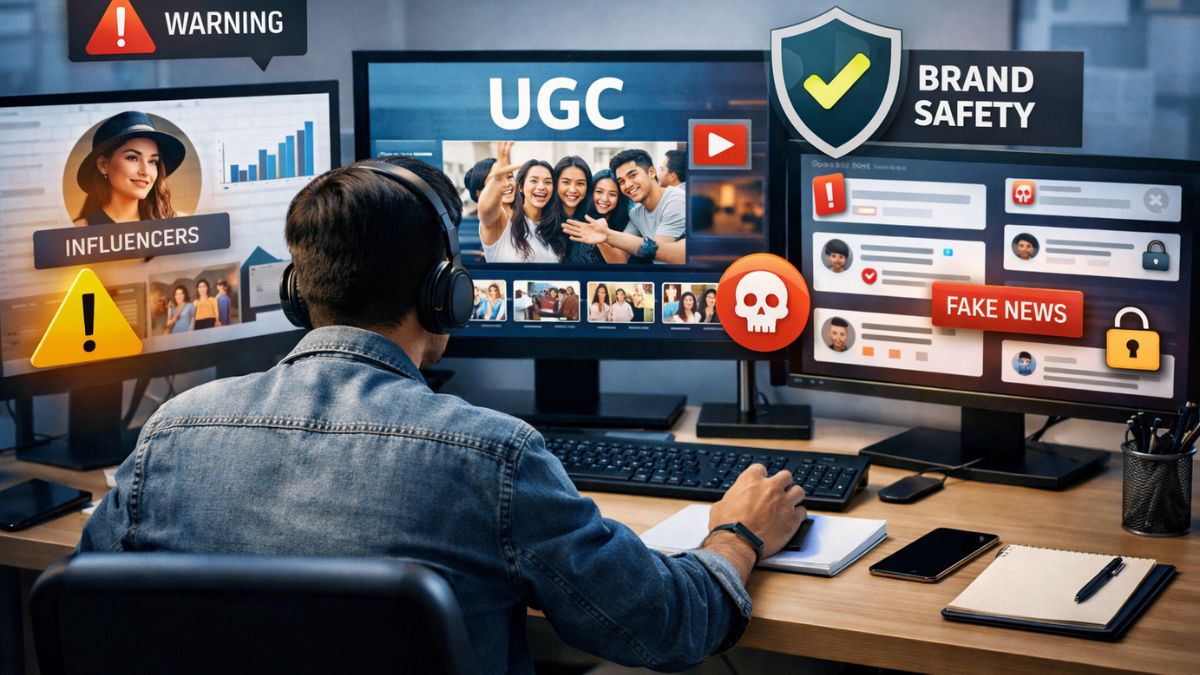
Social media brand safety is no longer a background concern. It sits at the centre of every serious social media strategy. One careless post, one poorly chosen influencer, or one ignored comment thread can undo years of trust. For social media managers, brand safety is not about being cautious all the time. It is about being prepared.
In India, wheresocial platforms shape opinions quickly and emotions drive engagement, the margin for error is small. Audiences notice tone, timing, and intent. That is why a clear brand safety checklist for social media managers matters more than ever. It helps teams move fast without moving blindly.
This guide breaks down social media brand safety into practical, real-world steps. It focuses on risks, influencers, UGC, compliance, and daily management, without making the process feel restrictive or complicated.
1. What Social Media Brand Safety Really Means Today
Social media brand safety is about protecting how your brand appears, sounds, and behaves online. It ensures your content does not sit next to harmful narratives or create confusion about what your brand stands for. This includes posts, ads, influencer content, comments, and even reposted user-generated content.
For Indian brands, context matters deeply. Language, culture, festivals, and social issues influence how messages are received. A post that feels harmless in one moment can feel insensitive in another. Social media brand safety gives managers a framework to pause, review, and publish with confidence.
At its core, brand safety is about consistency. When brands communicate clearly and responsibly over time, audiences begin to trust them. That trust directly affects engagement, loyalty, and purchase decisions.
2. Why Brand Safety Is a Daily Responsibility for Social Media Managers
Social media managers are often under pressure to stay relevant. Trends move fast, and response time matters. However, speed without structure leads to mistakes. Brand safety cannot be treated as a checklist used once and forgotten.

Amplify Your Brand,
One Influence at a Time.
Every caption, reply, collaboration, and story adds to public perception. A strong brand safety checklist social media teams follow helps managers make better decisions under pressure. Instead of reacting emotionally, they rely on agreed guidelines.
In India’s digital space, where posts can go viral within minutes, daily brand safety practices reduce stress and confusion. Managers who prioritise safety do not slow brands down. They help brands grow without unnecessary damage.
3. Social Media Risk Management: Knowing Where Problems Begin
Social media risk management starts with awareness. Risks appear in many forms. These include offensive comments, influencer controversies, misleading claims, poor ad placements, or tone-deaf messaging during sensitive events.
Each platform carries different risks. Instagram faces influencer-related issues. Twitter amplifies controversy. YouTube deals with misinformation in long-form content. Understanding these differences helps managers plan better.
Effective social media risk management involves documenting possible scenarios and responses. A brand safety checklist for social media managers should clearly outline what to do when things go wrong. Preparation reduces panic and protects brand reputation when situations escalate.
3.1 Common Brand Risks on Indian Social Platforms
Indian audiences are highly engaged and opinionated. Social and cultural topics trend fast. Misusing language, symbols, or humour can trigger backlash. Knowing these patterns helps managers publish responsibly.
4. Creating Clear Brand Safety Guidelines for Marketers
Brand safety guidelines for marketers act as a shared reference point. They define tone, language, humour limits, and boundaries. Without them, teams rely on personal judgment, which leads to inconsistency.
Strong guidelines explain what the brand supports and what it avoids. They include examples of acceptable and unacceptable content. In India, guidelines should also address regional sensitivities and multilingual communication.
When marketers follow documented brand safety guidelines, approvals become faster and smoother. These guidelines should be shared with agencies, freelancers, and influencers to ensure everyone speaks the same brand language.
5. Influencer Marketing and Brand Safety in India
Influencer marketing in India continues to grow rapidly, but safety often gets overlooked. Many brands focus on reach and ignore background checks. This approach increases risk.
Social media brand safety requires careful influencer vetting. Managers should review past content, language use, public opinions, and audience behaviour. Even well-known creators may have histories that conflict with brand values.
Clear contracts also matter. Influencers should understand disclosure rules, content approval processes, and boundaries. When influencer partnerships align naturally with brand values, campaigns feel authentic and safe.
5.1 How Technology Supports Influencer Safety
AI tools help identify fake engagement and risky patterns. However, human review remains essential for cultural understanding and tone evaluation.
6. Managing UGC Without Losing Brand Control
UGC builds trust because it feels real. However, real content also comes with unpredictability. Social media brand safety ensures that authenticity does not turn into risk.
Before reposting UGC, managers should review visuals, captions, and context carefully. Background elements, gestures, and language all matter. A content moderation checklist social managers use helps filter submissions efficiently.
AI UGC tools can speed up sorting, but final decisions should stay human. When UGC is handled thoughtfully, it strengthens community connection without compromising brand image.
7. Content Moderation Checklist Social Managers Can Rely On
Comment sections shape how brandsare perceived. Ignoring them allows spam, abuse, and misinformation to grow. Active moderation is essential for social media brand safety.
A content moderation checklist social managers follow should define when to reply, hide, delete, or escalate comments. Tone is as important as speed. Calm and respectful responses protect credibility, even during criticism.
Moderation is not about silencing users. It is about maintaining a healthy digital space. Brands that manage communities well earn long-term loyalty and respect.
8. Social Media Compliance Best Practices for Indian Brands
Social media compliance best practices protect brands legally and ethically. In India, ASCI guidelines require clear disclosures for paid influencer content. Failing to follow these rules damages trust.
Compliance also includes truthful claims, responsible advertising, and platform-specific policies. Social media brand safety depends on following these standards consistently.
Managers should keep records of approvals and disclosures. This protects brands during audits and disputes. Compliance may feel technical, but it plays a major role in long-term reputation building.
9. Brand Reputation Protection During a Crisis
Mistakes happen. What matters is response. A brand reputation protection checklist prepares teams before issues arise. It outlines who responds, what tone to use, and when to pause content.
Social media risk management during crises requires empathy. Defensive responses escalate problems. Indian audiences respond better to accountability and clarity.
Having a plan removes guesswork. It helps brands act responsibly and protect trust when emotions run high.
10. Advertising and Placement Safety on Social Media
Ad placement affects perception. Ads shown next to harmful content damage credibility. Platforms offer safety controls, but many brands fail to use them fully.
A brand safety checklist social media advertising teams follow should include placement reviews and exclusion lists. Monitoring comments on ads is equally important.
According to Google research, brands appearing near unsafe content face a significant drop in trust. Quality exposure matters more than reach alone.
Fordeeper guidance on ad safety standards, refer to Google’s official brand safety framework.
11. Using Tools to Support Social Media Brand Safety
Technology helps manage scale. Monitoring tools track mentions, sentiment, and unusual activity. AI tools flag risky keywords and sudden engagement spikes.
However, tools support decisions rather than replace judgment. The best results come from combining technology with experience. This balance is especially important in India’s diverse digital environment.
When tools and people work together, social media brand safety becomes sustainable and efficient.
Conclusion: Building Trust Through Consistent Brand Safety
Social mediabrand safety is not about fear or restriction. It is about responsibility. Brands that communicate thoughtfully earn trust over time. Social media managers play a critical role in protecting that trust.
A clear brand safety checklist for social media managers reduces risk, improves confidence, and supports long-term growth. When safety becomes part of daily workflow, brands move faster and smarter.
In a crowded digital space, trust is the real differentiator. Brands that protect it consistently stand out and grow stronger with every interaction.
About Hobo.Video
Hobo.Videois India’s leading AI-powered influencer marketing and UGC company. With over 2.25 million creators, it delivers end-to-end campaign management built for real brand growth.
The platform combines AI insights with human strategy to ensure safety, scale, and ROI.
Services include:
- Influencer marketing
- UGC content creation
- Celebrity endorsements
- Product feedback and testing
- Marketplace and seller reputation management
- Regional and niche influencer campaigns
Trusted by brands like Himalaya, Wipro, Symphony, Baidyanath, and the Good Glamm Group.
Want your brand growth to actually feel real this time?Talk to us.
If you’re an influencer who’s ready to turn content into income,start now.
FAQs
1. What is social media brand safety?
Social media brand safety ensures your brand does not associate with harmful or misleading content. It protects trust and credibility across platforms.
2. Why is brand safety important in influencer marketing?
Influencers reflect brand values. Poor vetting can damage reputation quickly, especially in India’s fast-reacting audience culture.
3. How often should brand safety guidelines be updated?
Review them quarterly or after major platform or legal changes.
4. Are AI tools enough for brand safety?
No. AI helps scale monitoring, but human judgment ensures cultural relevance and emotional understanding.
5. What platforms need the most moderation?
Instagram and Twitter require constant monitoring due to fast engagement cycles.
6. How do brands handle negative comments?
Respond politely, remove abuse, and escalate serious issues internally.
7. What role does UGC play in brand safety?
UGC builds trust but must be reviewed carefully before reposting.
8. Is disclosure mandatory in India?
Yes. ASCI guidelines require clear influencer disclosures.
9. Can small brands manage brand safety?
Yes. Simple checklists and clear rules go a long way.
10. Who owns brand safety in an organization?
Social media managers lead, but marketing heads must support them.

 Vishnumaya