
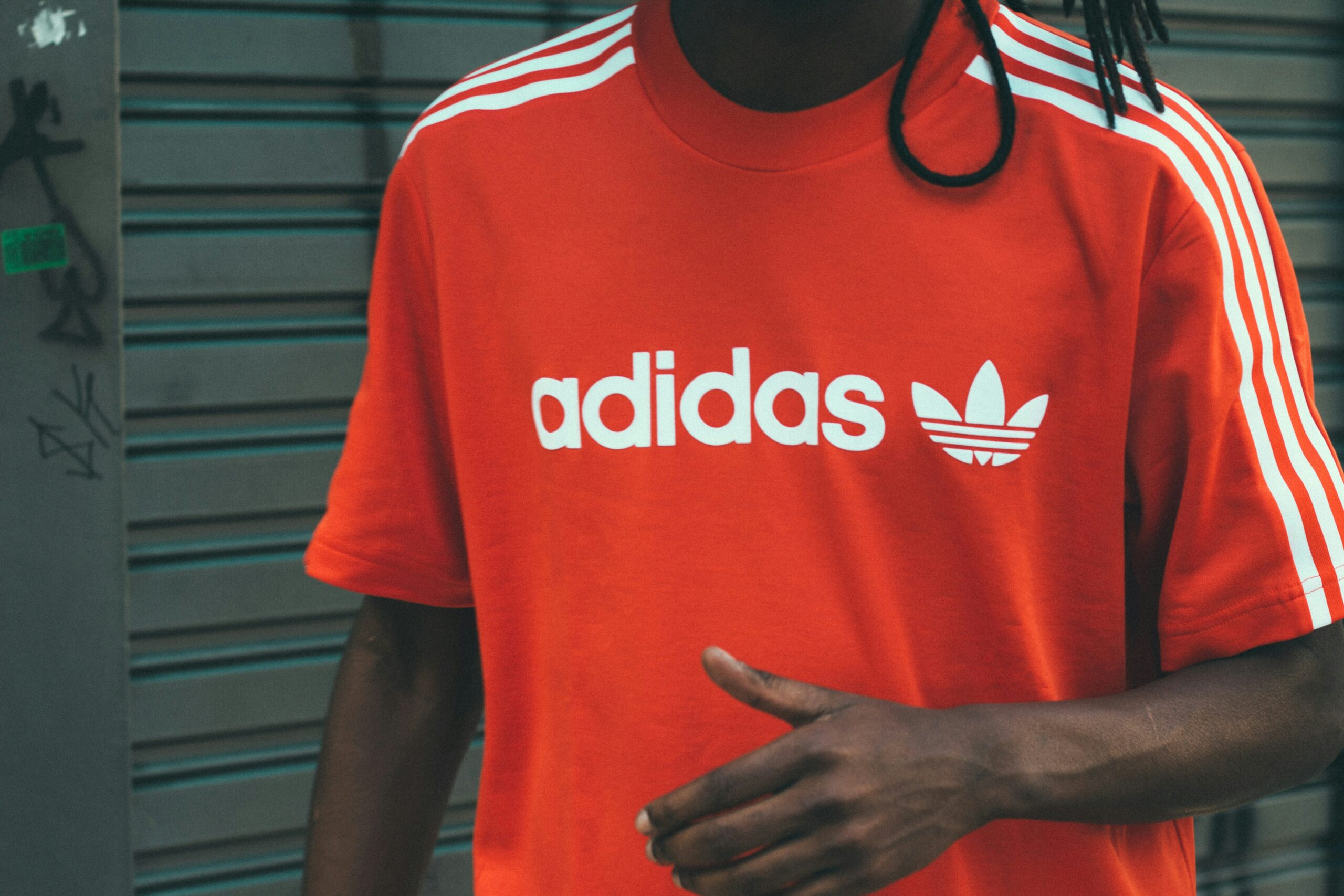
Global sporting events give brands something ordinary advertising cannot easily create: a shared moment of excitement. Millions of people follow the same match, celebrate the same victory, and remember the same sporting stories. For adidas, these moments create an opportunity to connect its products with passion, performance, and culture. The brand does not simply place its logo around a stadium. It builds stories around athletes, teams, fans, and the emotions that make sport meaningful. This is how adidas global sporting events marketing supports long-term brand positioning. It helps adidas remain visible during major competitions while connecting its identity with the people who follow them. From football tournaments to the Olympic Games, adidas uses sport to show what its brand represents. More importantly, it turns major events into conversations that continue beyond the final whistle.
- 1. Why Global Sporting Events Matter to adidas’ Brand Positioning
- 2. How adidas Uses Major Sporting Events to Tell Its Brand Story
- 3. The Marketing Strategies Behind adidas’ Sporting Event Campaigns
- 4. How Digital Media, Influencers, and UGC Extend Sporting Event Marketing
- 5. What adidas’ Brand Positioning Teaches Other Brands
- Key Lessons for Brands Planning Sporting Event Campaigns
- Conclusion: Key takeaways for marketers
- About Hobo.Video
1. Why Global Sporting Events Matter to adidas’ Brand Positioning
1.1 Sporting events create attention that ordinary campaigns struggle to earn
A major sporting event brings together audiences with different ages, interests, and backgrounds. Fans follow their national teams, favourite athletes, and personal sporting heroes. Consequently, brands receive an opportunity to become part of conversations that already matter to people.
For adidas, this attention has a natural connection with its business. The company sells products designed for football, running, training, basketball, and other sports. Therefore, appearing around major competitions reinforces its connection with sporting performance. However, visibility alone does not build a strong brand. People must also understand what the brand stands for.
That is why adidas connects its campaigns with themes such as confidence, teamwork, determination, and enjoyment. These themes give audiences something more meaningful than a product advertisement. They also help the company build a consistent identity across different sporting markets.
1.2 The brand reaches audiences through sport and culture
Sport does not remain limited to the playing field. It influences music, fashion, entertainment, street culture, and everyday conversations. A football jersey can become a fashion choice. Running shoes can become part of someone’s daily wardrobe. Similarly, an athlete’s personal story can inspire people who never compete professionally.
Adidas understands this relationship between performance and culture. Its marketing connects sporting achievements with lifestyle choices and cultural movements. This allows the company to reach people who follow competitions closely and people who simply enjoy sporting style.
The approach also supports the company’s product strategy. In its 2024 annual report, adidas described its iconic product franchises as important symbols of sport and culture. These included Predator and F50 in football, Adizero in running, and Samba, Gazelle, and Superstar in lifestyle.

Amplify Your Brand,
One Influence at a Time.
1.3 Sporting events help brands build emotional connections
People remember sporting moments because they carry strong emotions. A last-minute goal can create excitement across an entire country. An athlete overcoming an injury can inspire people facing personal challenges. A team winning after years of disappointment can become part of a nation’s sporting memory. Brands can connect with these emotions when their involvement feels genuine. However, audiences quickly notice campaigns that only use sporting events to sell products. Therefore, adidas often builds its storytelling around the human experience of sport.
This emotional connection helps the brand remain relevant after a tournament ends. People may forget a particular advertisement, but they can remember the athlete, message, or moment associated with it. Over time, these memories contribute to brand positioning.
2. How adidas Uses Major Sporting Events to Tell Its Brand Story
2.1 FIFA World Cup: Turning football into a global brand experience
Football provides adidas with one of its most important global marketing platforms. The FIFA World Cup brings together national teams, international stars, and supporters from across the world. It also creates a natural setting for football boots, team kits, match balls, and sportswear. adidas uses this opportunity through athlete partnerships, team sponsorships, product launches, and large-scale storytelling. These activities help the brand appear across different parts of the tournament experience. Fans may see adidas products on the pitch, in campaign films, through social media, and in retail stores.
For the 2026 FIFA World Cup, adidas introduced its Backyard Legends campaign. The film brought together football stars, music personalities, and actor Timothée Chalamet. Lionel Messi, Bad Bunny, Lamine Yamal, Jude Bellingham, and Trinity Rodman appeared alongside other sporting icons. The campaign connected neighbourhood football with the global tournament.
The idea carries an important message. Football does not belong only to professional players or famous stadiums. It also belongs to children playing in neighbourhoods, friends meeting after work, and communities gathering around a local pitch. This wider view helps adidas connect elite sport with everyday participation.
2.2 UEFA EURO and Copa América: Building stories around football pressure
International football tournaments give brands a chance to connect with national pride and sporting ambition. However, adidas does not limit its communication to team kits and match-day visibility. It also uses these competitions to explore the personal experiences of athletes. During the 2024 UEFA EURO and CONMEBOL Copa América, adidas extended its You Got This brand campaign. The campaign featured football stars such as Lionel Messi and Jude Bellingham. Their stories focused on pressure and the importance of confidence during high-stakes competition.
The brand launched the campaign ahead of the major football tournaments. It also used its social channels and other communication platforms to reach audiences. This approach gives the brand a clear emotional territory. Fans see athletes as highly skilled competitors, but they also understand the pressure behind their performances. Consequently, adidas can communicate with both serious football followers and everyday players.
2.3 Olympic and Paralympic Games: Connecting performance with personal stories
The Olympic and Paralympic Games offer adidas a different storytelling opportunity. Unlike a single-sport tournament, the Games bring together athletes from many disciplines. They also introduce audiences to sports and competitors they may not follow regularly. During Paris 2024, adidas used the You Got This campaign to highlight confidence and self-belief. Its athlete stories included Noah Lyles, Sümeyye Boyacı, and Sasha Zhoya. The campaign explored the pressure athletes experience before competing on a major international stage. Adidas also introduced an Athlete Pack covering footwear for 41 different disciplines. The brand connected this product activity with its wider Olympic campaign and Paris retail presence. Its annual report describes the campaign, athlete stories, product activity, and celebrations around the Games. The important lesson is that the Olympics allow adidas to speak beyond one sport. The brand can celebrate athletes with different abilities, backgrounds, and ambitions. This helps create a broader picture of what sporting achievement means.
2.4 Major events create opportunities for local market campaigns
A global campaign does not always connect with every audience in the same way. Fans in India may respond to different sporting personalities than fans in Germany or Brazil. Local sporting cultures also influence the language, humour, and stories that audiences prefer. Adidas recognizes the value of local relevance. Its 2024 annual report explains that the company created market-specific versions of its You Got This campaign. Local teams also organized events to connect with their communities.
This approach allows the brand to maintain a consistent global message without making every advertisement identical. The central idea remains recognizable, while local storytelling makes it more relatable. For example, a campaign in India could connect with cricket followers and young football players. A European campaign might focus on national football teams and local club culture. Both can communicate confidence and sporting participation. The result is a balance between global recognition and local understanding. This balance matters because a brand must feel familiar across markets without losing its international identity.
3. The Marketing Strategies Behind adidas’ Sporting Event Campaigns
3.1 Athlete partnerships give the brand credibility
Athletes are central to sporting event marketing. Their achievements, training routines, and personal stories give brands a direct connection with sport. However, an effective partnership requires more than a famous face wearing a product. adidas works with athletes across different sports and markets. These partnerships help the company demonstrate how its products fit into real sporting environments. They also provide stories that audiences can follow before, during, and after competitions.
An athlete partnership can support several marketing objectives. A footballer can demonstrate the role of boots and match apparel. A runner can explain the importance of footwear during training. A basketball player can connect performance products with the culture surrounding the sport. The strongest partnerships also reflect shared values. When an athlete’s personal story fits the brand’s message, the collaboration feels more believable. Therefore, brands should choose partners based on sporting credibility, audience relevance, and storytelling potential.
3.2 Campaign storytelling creates a recognizable brand identity
A tournament may last for several weeks, but a brand needs a message that lasts much longer. This is where consistent storytelling becomes important. Adidas’ You Got This campaign provides a useful example. The company introduced it in February 2024 and developed different chapters around sporting events. Its stories moved from everyday athletes to elite footballers and Olympic competitors. The campaign connected different sports through one central idea: confidence can help people deal with pressure. This gave adidas a recognizable message across several competitions. It also helped the company speak to people who participate in sport at different levels. A consistent message does not require identical advertisements. Instead, each campaign can explore a different human experience while supporting the same brand idea. This creates continuity across multiple events and markets. For marketers, the lesson is simple. A strong sporting campaign should not begin and end with the event logo. It should strengthen a brand message that audiences can recognize later.
3.3 Product launches become more meaningful during sporting moments
Major events create demand for products connected with the competition. Fans look for team jerseys, football boots, training apparel, and other sporting products. Athletes also need equipment that supports their performance. Adidas uses these moments to connect product launches with sporting stories. Its 2024 marketing activity included football performance kits, running franchises, and apparel collections. The company also highlighted the role of iconic products in its wider brand strategy. This approach gives consumers a reason to notice products beyond their design. They can see the equipment used by athletes and understand its connection with a particular sport. However, product visibility must remain credible. A brand should communicate product features accurately instead of suggesting that every consumer can achieve professional results. Clear product information helps build trust and supports informed purchasing decisions.
3.4 Experiential marketing brings fans closer to the brand
Watching a campaign online is different from experiencing a brand in person. Sporting events create opportunities for fans to interact with products, activities, and other supporters. During UEFA EURO 2024, adidas created its Home of adidas Football experience in Berlin. The space included public viewing, creative studios, exhibitions, game boxes, and five-a-side football pitches. The activation gave fans several ways to engage with the brand beyond watching advertisements. Such experiences can strengthen brand memory. Visitors can play, explore products, meet other fans, and create content. They may also share photographs and videos with their social media communities. For adidas, this creates an additional layer of communication. The brand becomes part of the event experience rather than remaining a logo on a screen. For other brands, the lesson is to design activities that give audiences a genuine reason to participate.
4. How Digital Media, Influencers, and UGC Extend Sporting Event Marketing
4.1 Social media keeps campaigns active beyond match days
A sporting event creates several important moments before the competition begins. Fans discuss team selections, predict results, follow training sessions, and react to campaign announcements. During the event, they share match reactions and memorable performances. Afterward, they discuss victories, disappointments, and standout athletes. Social media allows adidas to participate in this full conversation. Campaign films, athlete interviews, product demonstrations, and short videos can reach audiences across different platforms. The brand can also adapt its content to match the way people use each platform. Short-form video is particularly useful for fast-moving sporting conversations. A brief athlete message can communicate an idea quickly. A behind-the-scenes clip can show preparation and personality. A fan reaction can capture the excitement of a live event. However, brands should avoid posting simply to follow every trend. Content should connect with the campaign’s central message and the audience’s interests.
4.2 Influencer partnerships bring sporting stories into local communities
Professional athletes provide sporting authority, but creators offer a different type of connection. Local fitness creators, football commentators, coaches, and lifestyle influencers can explain sporting moments in familiar language. For example, an Indian creator could discuss the design of a football jersey. A fitness influencer could demonstrate a warm-up routine inspired by an international competition. A football content creator could explain the skills behind a memorable goal. These collaborations can help a global brand reach smaller, highly engaged communities. They can also make international sporting events more accessible to people who do not follow every competition. Brands should choose creators carefully. Audience relevance, content quality, credibility, and disclosure practices matter more than follower count alone. Partnerships should also respect athlete image rights, event rules, and the brand’s sponsorship agreements.
4.3 UGC Videos turn audience participation into brand conversations
Fans do not want to remain passive viewers. They create match reactions, outfit videos, training clips, fan edits, and personal sporting stories. These activities can generate useful opportunities for brands. UGC Videos can show how people experience sport in their everyday lives. For example, a campaign could invite fans to share their first football memory. Another could encourage runners to document their preparation for a local race. However, brands must obtain permission before using audience content in paid advertising. They should also explain how submissions may appear across marketing channels. Clear usage rights protect both the creator and the company. A well-managed UGC campaign can make a global sporting message feel personal. It can also give brands a wider range of stories than traditional advertising alone.
4.4 AI influencer marketing can support campaign planning
Large sporting campaigns often involve several markets, languages, platforms, and creator groups. Teams must manage content calendars, approvals, performance reports, and audience feedback. Technology can help organize these activities. AI influencer marketing tools can support creator discovery, audience analysis, campaign tracking, and reporting. AI UGC workflows can also help teams organize briefs and review large volumes of content. Nevertheless, human review remains important. Brands should not use AI to manufacture false athlete endorsements or misleading fan experiences. They should also review generated content for accuracy, rights, and cultural sensitivity. Technology works best when it supports a clear strategy. It should make campaign operations more efficient without replacing authentic sporting stories.
5. What adidas’ Brand Positioning Teaches Other Brands
5.1 Consistency matters more than a single viral moment
A viral campaign can create short-term attention. However, brand positioning develops through repeated experiences and consistent communication. adidas has used recurring themes across different sporting events. Its You Got This campaign connected everyday athletes, football stars, and Olympic competitors through a shared message. This gave the company a consistent idea to develop across multiple campaigns. Other brands can apply the same principle. They should identify a clear brand message before selecting events or creators. Each activation should strengthen that message instead of introducing an unrelated theme. A consistent identity helps consumers understand what a brand represents. It also makes campaigns easier to recognize across platforms and markets.
5.2 Global reach needs local understanding
International visibility does not automatically create local relevance. Consumers connect with familiar languages, sporting heroes, and community experiences. Therefore, brands should adapt their campaign execution to each market. In India, sporting campaigns can draw on cricket, football, running, badminton, and regional sporting communities. Brands can work with local creators who understand these audiences. They can also use regional languages and culturally relevant formats. However, localization should not become a simple translation exercise. The campaign must reflect how people actually participate in and discuss sport. Local teams should have room to shape stories that feel natural. The central brand message can remain consistent. Its expression should change when local audience behaviour requires it.
5.3 Brand purpose must appear in real actions
Consumers increasingly expect brands to support the values they communicate. A campaign about participation should connect with accessible sporting opportunities. A message about confidence should avoid humiliating beginners or promoting unrealistic standards. adidas’ Move for the Planet initiative offers an example of connecting a campaign with participation and community support. Its 2024 annual report states that participants tracked almost 230 million minutes of activity through the adidas Running app. The company also reported a €1.5 million donation to support more resilient sports facilities and sustainability education. This example shows how a brand can connect communication with an activity beyond advertising. It also demonstrates why specific, measurable details matter when brands discuss their social or environmental initiatives. Purpose-led marketing works best when the action is clear and the claims are supported. Consumers should be able to understand what the brand did and what the activity achieved.
5.4 Measure brand impact beyond views and likes
A sporting campaign can generate millions of views without changing how consumers perceive a brand. Therefore, marketers should evaluate more than reach and engagement.
Useful measures include:
- Brand awareness: Did more people recognise the brand after the campaign?
- Brand association: Did audiences connect the brand with the intended sporting values?
- Consideration: Did more consumers consider the brand when choosing products?
- Engagement quality: Did people comment, share, save, or participate meaningfully?
- Search interest: Did searches for the brand or featured products increase?
- Retail impact: Did product interest translate into store visits or online sales?
- Community growth: Did the campaign attract relevant followers and participants?
- Long-term recall: Did consumers remember the campaign after the tournament?
Teams should compare campaign performance with a clear baseline. They should also separate sponsorship visibility from actual consumer response. This helps marketers understand which activities contributed to brand outcomes.
Key Lessons for Brands Planning Sporting Event Campaigns
6.1 Choose events that fit the brand
A popular event may attract a large audience, but that does not make it suitable for every company. Brands should consider their products, target consumers, and existing identity before investing. A sportswear company has a natural connection with athletic competitions. A food brand may connect through fan gatherings or match-day experiences. A technology company might focus on performance tracking or broadcasting experiences. The event should provide a believable reason for the brand to participate. Otherwise, the campaign may appear opportunistic.
6.2 Build a campaign before, during, and after the event
A strong campaign needs more than match-day posts. Brands should plan content across the complete event journey.
- Before the event: Introduce the campaign, products, athletes, and central message.
- During the event: Share timely content, fan experiences, and approved athlete stories.
- After the event: Highlight memorable moments, community participation, and campaign outcomes.
This structure helps brands maintain attention without repeating the same message. It also creates more opportunities to measure audience response.
6.3 Combine famous athletes with everyday participants
Global sporting stars can attract attention. Everyday athletes can make a campaign feel accessible. Both groups serve different communication needs. A campaign can feature a professional athlete discussing pressure and preparation. It can also include amateur runners, young football players, or local sports communities. This creates a wider picture of participation. Brands should not treat everyday participants as background decoration. Their stories deserve genuine attention and proper consent. When handled respectfully, these stories can make a campaign more relatable.
6.4 Give creators a clear brief without removing their voice
Creators understand how their communities communicate. A brand should explain its campaign message, product details, required disclosures, and content rights. However, it should avoid scripting every sentence.
A useful creator brief includes:
- Campaign objective and target audience.
- Key product information and approved claims.
- Required messages and visual guidelines.
- Content format and publishing schedule.
- Sponsorship disclosure requirements.
- Usage rights and paid-media permissions.
- Review process and performance expectations.
This balance protects brand consistency while allowing creators to communicate naturally.
6.5 Protect credibility through accurate claims and clear sponsorships
Sporting campaigns can reach large audiences quickly. Therefore, brands must check product claims, athlete endorsements, and event-related communication carefully. They should confirm that every athlete has approved the relevant content. They should also verify image rights, music rights, and event sponsorship permissions. Creator partnerships should include clear advertising disclosures. A campaign can lose trust if it suggests an official event relationship that does not exist. It can also create problems if it uses an athlete’s image without permission. Legal and compliance review should happen before publication. This is especially important when campaigns run across several countries with different advertising rules.
Conclusion: Key takeaways for marketers
adidas demonstrates how global sporting events can support a long-term brand identity. The company combines athlete partnerships, product storytelling, local activations, and digital communication. It also connects major competitions with everyday participation.
The most useful lessons include:
- Build a clear brand message: Give every campaign a central idea that audiences can remember.
- Choose relevant sporting events: Select competitions that fit the brand and its consumers.
- Use credible athlete partnerships: Work with people whose sporting identity supports the campaign.
- Create local versions: Adapt stories to regional audiences without losing the global message.
- Extend campaigns through creators: Use relevant influencers and UGC Videos to encourage participation.
- Make experiences interactive: Give fans opportunities to play, explore, and share.
- Connect purpose with action: Support campaign messages with meaningful activities and evidence.
- Measure long-term outcomes: Track brand association, consideration, and recall alongside engagement.
- Protect audience trust: Check sponsorship disclosures, product claims, and content permissions.
- Maintain consistency: Use sporting events to strengthen the brand rather than chase temporary attention.
Ultimately, adidas global sporting events marketing works because it connects sport with human experiences. It brings together elite performance, everyday participation, and cultural relevance. Other brands can learn from this approach by building campaigns around meaningful stories instead of relying only on event visibility.
About Hobo.Video
Hobo.Video is India’s leading AI-powered influencer marketing and UGC company. With over 2.25 million creators, it offers end-to-end campaign management designed for brand growth. The platform combines AI and human strategy for maximum ROI.
Its services include:
- Influencer marketing.
- UGC content creation.
- Celebrity endorsements.
- Product feedback and testing.
- Marketplace and seller reputation management.
- Regional and niche influencer campaigns.
Hobo.Video is trusted by leading brands, including Himalaya, Wipro, Symphony, Baidyanath, and the Good Glamm Group. It helps brands connect with creators and build campaigns designed around their marketing goals.
Visit Hobo.Video to explore influencer marketing and UGC solutions for your next campaign.
If you’re ready to grow your brand smartly, we’re right here. Let’s connect.
We’re a growing community of creators doing big things you in? Join now.
Frequently Asked Questions
How does adidas use global sporting events for marketing?
adidas uses global sporting events through athlete partnerships, team sponsorships, product launches, campaign films, and fan experiences. It connects these activities with messages about sport, confidence, and performance. The brand also adapts campaigns for local markets. This helps adidas reach international audiences while maintaining a recognizable identity across different competitions.
Why are sporting events important for adidas’ brand positioning?
Sporting events bring together passionate audiences and create strong emotional moments. adidas can connect its products with these experiences through athletes, teams, and campaign storytelling. These associations help reinforce the brand’s sporting credibility. They also allow adidas to reach people who enjoy sport as participants, fans, or lifestyle consumers.
What is the adidas You Got This campaign?
You Got This is an adidas global brand campaign launched in 2024. It focuses on self-belief and overcoming negative pressure in sport. The campaign features everyday athletes and elite sporting partners. adidas developed different chapters around major competitions, including UEFA EURO, Copa América, and the Paris 2024 Olympic and Paralympic Games.
How did adidas use the Paris 2024 Olympic Games in its marketing?
adidas used Paris 2024 to highlight athlete stories and the importance of self-belief. Its You Got This campaign featured athletes from different disciplines. The company also introduced an Athlete Pack covering footwear for 41 disciplines. It connected the campaign with its Paris retail presence and athlete celebrations.
How does adidas use football tournaments to strengthen its brand?
adidas uses football tournaments through team kits, match balls, athlete partnerships, product launches, and fan activations. Campaigns around UEFA EURO, Copa América, and the FIFA World Cup help the company connect with football audiences. It also uses football stories to communicate wider themes, such as confidence, teamwork, and enjoyment.

 Anooshka Pandey