
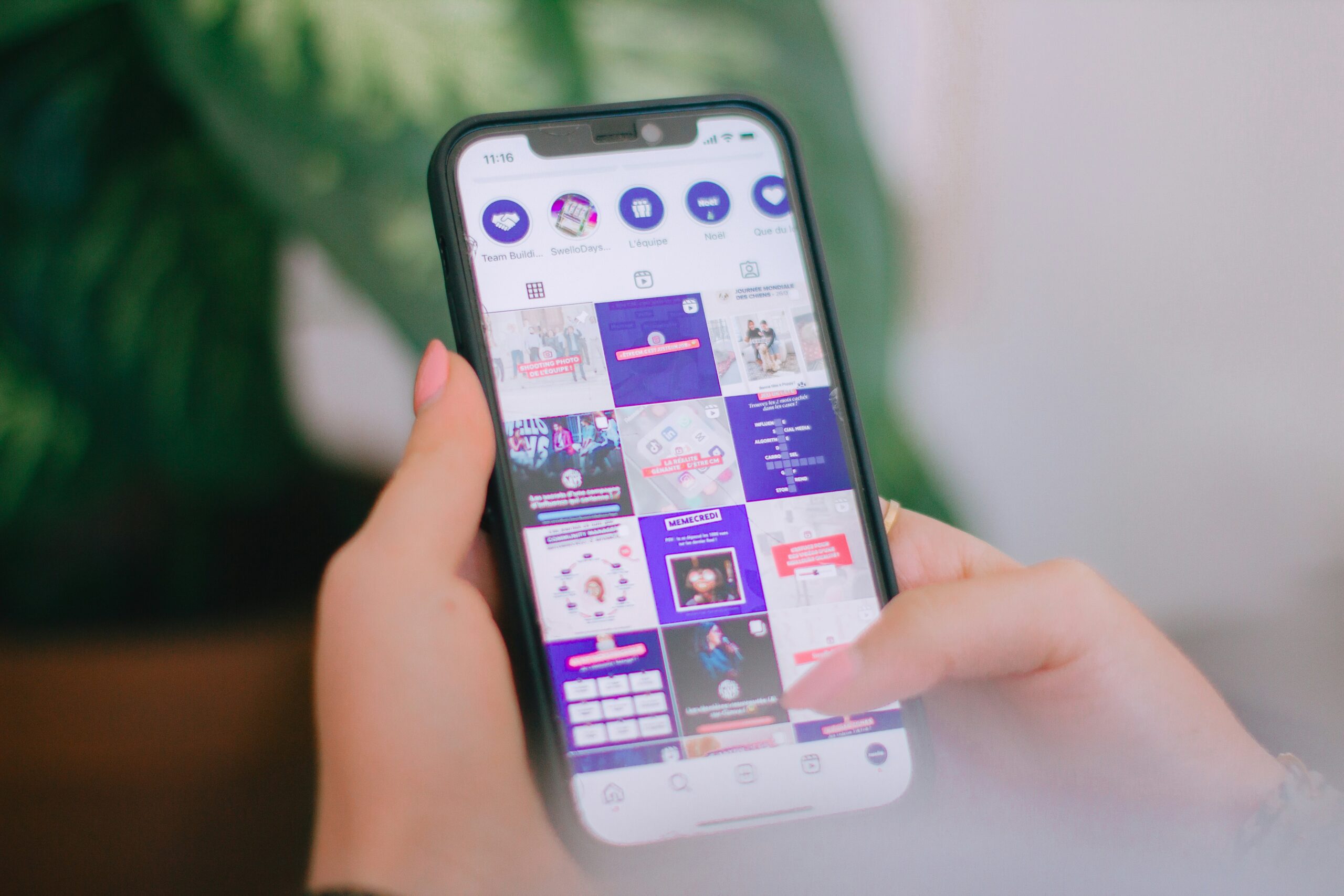
Celebrity fan pages have become an important part of modern celebrity publicity. When a star announces a film, fan accounts quickly share photographs, create video edits, post countdowns, and encourage discussions. This activity can extend a film’s visibility beyond official promotional channels.
In India, fan communities have long celebrated actors through posters, theatre gatherings, birthday events, and fan clubs. Social media has taken this enthusiasm online. Today, celebrity fan pages connect fans across cities and countries, keeping celebrities relevant between film releases.
However, not every fan page works with a celebrity’s PR team. Many operate independently, driven by genuine admiration. Others may receive official updates, invitations, or promotional material.
For brands, film studios, and publicity teams, understanding this difference is essential. This article explores how fan pages support celebrity publicity, amplify film promotions, and connect with influencer marketing.
- 1. Why Celebrity Fan Pages Have Become a Publicity Force
- 2. How Fan Pages Support Celebrity Publicity and Film Promotions
- 3. What Makes Fan Pages Influential in the Digital Publicity Ecosystem?
- 4. How Brands, Celebrities, and PR Teams Can Work With Fan Communities
- 5. The Role of Influencer Marketing, UGC Videos, and AI in the Fan Economy
- Conclusion: What Celebrity Teams and Brands Should Learn From Fan Pages
- Key learnings for brands and entertainment teams
- About Hobo.Video
1. Why Celebrity Fan Pages Have Become a Publicity Force
1.1 From offline fan clubs to always-active digital communities
Celebrity fandom in India did not begin with Instagram or YouTube. Fans have supported film stars through posters, theatre celebrations, birthday events, public gatherings, and fan associations for decades. In several regions, fan clubs have maintained organised local networks. Members arrange screenings, celebrate releases, and support activities connected with their favourite stars.
Social media changed how these communities operate. A fan no longer needs to live near a celebrity’s hometown or local fan club. They can follow updates, join conversations, and contribute content from almost anywhere. A page based in Delhi can share a post with followers in Mumbai, Chennai, Dubai, or London.
As a result, fan communities have become easier to discover. They can also remain active between film releases. A new interview, throwback photograph, birthday message, or award appearance can become a fresh content opportunity.

Amplify Your Brand,
One Influence at a Time.
This shift has created a new layer of celebrity visibility. Official accounts still control the main announcements. However, independent fan communities help keep those announcements moving across the internet.
1.2 What makes a fan page different from an official celebrity account?
An official celebrity account speaks directly for the person or their authorised team. It may share personal updates, professional announcements, brand collaborations, and promotional material. A fan page has a different role. It usually exists because people admire a celebrity and want to share information or creative content about them.
Fan pages may publish:
- New photographs and public appearances.
- Film announcements and release updates.
- Edited clips from interviews and events.
- Birthday and career celebration posts.
- Fan art, posters, graphics, and video edits.
- News reports and entertainment coverage.
- Reactions, discussions, and fan theories.
Some accounts also organise offline activities. These may include birthday celebrations, charity drives, fan screenings, and theatre gatherings.
The distinction becomes important when audiences interpret a post. A fan page should not make followers believe it represents the celebrity. It should clearly communicate its unofficial status. Otherwise, people may confuse fan commentary with an official statement.
This clarity protects audiences and the celebrity’s identity. It also helps the page build trust over time.
1.3 Why audiences follow fan pages alongside official handles
Official accounts offer direct updates. However, fan pages often provide a different experience. They collect information, create edits, share older moments, and discuss details that may not appear on official profiles.
For example, a celebrity may post one photograph from a film set. Fan pages may turn that photograph into several formats. One account creates a fan edit. Another shares the film’s earlier announcements. A third discusses the actor’s previous performances.
This activity gives followers more ways to engage with the same subject. It also creates a sense of community. People can meet others who share their interest and take part in conversations.
Fan pages can also serve audiences who prefer particular languages or regional contexts. A national celebrity’s official account may publish mostly in English or Hindi. Regional fan pages can add local-language commentary and references.
However, not every follower wants the same information. Some prefer news updates. Others enjoy edits, humour, or discussions. Successful pages understand their community and develop a recognisable content style.
1.4 The scale of India’s social media audience makes fan activity more visible
The growth of digital platforms has created a large environment for fan communities. DataReportal’s Digital 2026: India reported 500 million social media user identities in October 2025. Its report also estimated Instagram’s potential advertising reach in India at 481 million, based on Meta’s advertising tools.
These numbers need careful interpretation. Social media user identities do not necessarily represent unique individuals. Advertising reach also does not equal monthly active users. Nevertheless, the figures show the scale of the digital environment in which celebrity conversations take place.
For entertainment teams, this creates a major opportunity. A fan edit can reach people who do not follow the celebrity directly. A film hashtag can enter conversations across different communities. A public appearance can become a discussion topic through multiple fan accounts.
The opportunity is not limited to large metropolitan audiences. Mobile-first platforms allow fans from smaller cities and towns to participate. They can share local screening experiences and create content in their own languages.
2. How Fan Pages Support Celebrity Publicity and Film Promotions
2.1 They extend the life of a promotional announcement
Traditional publicity often follows a defined schedule. A production house announces a film, releases a poster, shares a trailer, and organises interviews. The campaign may also include songs, events, media appearances, and digital advertisements.
Fan pages can extend the conversation around each activity. A trailer may receive several edits. A poster may inspire fan artwork. An interview clip may circulate with a new caption. As a result, one official announcement can generate several rounds of discussion.
This does not mean every fan post is coordinated. Independent fans may create content because they genuinely enjoy the celebrity or film. Their motivation can differ from the studio’s commercial objectives.
Still, the publicity effect can overlap. A fan-created video may introduce a film to someone who missed the official trailer. A discussion page may remind followers about a release date. A fan club may organise a group screening.
Therefore, entertainment teams should understand fan activity as an additional layer of visibility. It can support a campaign, but it cannot replace a clear promotional strategy.
2.2 The Pathaan example shows how fan communities can amplify a film
Shah Rukh Khan’s Pathaan provides a useful Indian example. Before the film’s January 2023 release, fan clubs became highly visible across social media. They shared promotional clips, created edits, discussed the film, and organised celebrations.
An Indian Express report published on 27 January 2023 examined the role of Shah Rukh Khan’s fan clubs during the film’s release. It described fan communities as an important part of the promotional environment. The report also discussed organised first-day-first-show screenings and the work of groups such as SRK Universe.
The article reported that SRK Universe had more than 50,000 members at the time. Its network included members across 200 Indian cities and 40 countries, according to the club’s representative.
The same report captured an important distinction. Some fans rejected the suggestion that their activity was simply publicity work. They described their efforts as voluntary expressions of admiration. Another fan representative explained that fan clubs alone could not make a film successful. Neutral audiences still needed to enjoy the film.
2.3 Fan pages can create excitement before a film release
The period before a film release is important for entertainment publicity. Audiences want to know the cast, story, release date, music, and visual style. Fan pages can keep these details in circulation through different formats.
A fan page may share a countdown graphic. Another may post a character introduction. Someone else may create a compilation of the actor’s earlier performances. These formats can encourage followers to discuss the upcoming release.
However, fan activity should not become a source of misinformation. Unverified casting rumours, fake release dates, and edited statements can confuse audiences. They may also create unnecessary pressure for the production team.
Official teams can help by sharing clear announcements and correcting important misinformation. They should avoid presenting independent fan activity as an official campaign unless a real partnership exists.
The strongest approach allows enthusiasm to grow without misleading people. Fans retain their independent voice. Meanwhile, official channels remain responsible for accurate information.
2.4 Fan edits make celebrity content easier to rediscover
A celebrity’s digital history can contain years of interviews, performances, appearances, and public moments. Fan editors often revisit this material and create new formats.
For example, an editor may combine scenes from different films. Another may create a short video around a memorable dialogue. Someone else may collect public appearances from a particular year. These edits can introduce older work to younger viewers.
This activity can also bring renewed attention to a film or performance. A popular edit may encourage followers to revisit a song or watch an earlier project. It can create a fresh conversation around content that originally appeared years ago.
However, creators must respect copyright and platform rules. Using film clips, songs, photographs, and interviews does not automatically make the content legally reusable. Fan enthusiasm does not remove intellectual property rights.
Studios and rights holders should consider how fan creativity affects their communities. They can also provide authorised promotional assets when appropriate. Clear usage terms can reduce confusion and help fans create responsibly.
2.5 Fan communities can support theatrical celebrations
Film releases often become social experiences for dedicated fan groups. Members may book screenings, arrange group visits, decorate theatres, and celebrate a star’s appearance on screen.
These activities can create visible excitement around a release. Photographs and videos from screenings may circulate online. They can also encourage other fans to participate in similar celebrations.
The Pathaan coverage described fan-led first-day-first-show screenings and other activities. Another report by ThePrint discussed fan clubs across cities and countries. It also described how fans used posters, dance events, merchandise, and repeat screenings around the film.
These examples show how fan activity can move beyond social media. The community may create an offline event first. Later, members share that experience online. This creates a connection between theatrical attendance and digital conversation.
Still, fan screenings should not be treated as a guarantee of wider audience demand. Dedicated fans may watch a film several times. General audiences make their own decisions based on the film itself.
2.6 They help celebrities remain visible between releases
Celebrity publicity does not stop when a film leaves theatres. Actors continue to appear at events, attend interviews, work on new projects, and participate in brand campaigns.
Fan pages can maintain interest during these quieter periods. They may revisit career milestones, share older interviews, celebrate birthdays, or discuss a public appearance.
This ongoing activity gives fans a reason to remain connected. It also keeps the celebrity’s work discoverable for new followers.
However, constant posting is not always necessary. A page that shares every rumour or unverified update can lose credibility. Reliable pages often build their identity around a particular style. They may focus on career updates, edits, photographs, or community activities.
For celebrities, the value lies in sustained audience interest. Yet official teams should not assume that every fan page needs direction. Many communities prefer independence and may not welcome formal control.
3. What Makes Fan Pages Influential in the Digital Publicity Ecosystem?
3.1 Community participation creates a different kind of attention
A traditional advertisement speaks to an audience. A fan page often invites its audience to participate. Followers may comment with memories, share personal photographs, create edits, or suggest future content.
This participation can make the page feel like a community rather than a one-way information channel. People return because they want to see what others are discussing.
For example, a page may ask followers to choose their favourite film performance. Another may invite fans to share memories from a theatrical screening. A third may create a birthday countdown with contributions from different cities.
These activities can produce meaningful engagement. However, high comment counts do not automatically indicate genuine interest. Some accounts use repetitive comments, engagement exchanges, or automated activity.
Entertainment teams should look beyond visible numbers. They should examine the quality of conversations, audience relevance, and the consistency of community participation.
3.2 Fan pages often translate publicity into different content formats
Official publicity teams usually create a central message. Fan pages may reinterpret that message through formats suited to their followers.
One page may publish a short video. Another may create a carousel. A regional account may translate the announcement. Someone else may produce a humorous reaction or a detailed discussion.
This variety can help a campaign travel across different audience groups. It also shows why fan communities should not be treated as identical distribution channels.
Some pages have strong editing skills. Others focus on breaking updates. Certain accounts specialise in regional film culture. Some create detailed archives of a celebrity’s work.
For marketers, this means the fan ecosystem has several different content roles. A page’s value depends on its audience and creative identity. It should not be measured only by its follower count.
3.3 Emotional connection can make fan content memorable
Fans often have personal reasons for following a celebrity. A film may remind them of childhood. A song may connect with a special memory. An actor’s public journey may inspire them.
Fan pages give these feelings a shared space. A birthday post may collect messages from different countries. A film anniversary may encourage followers to revisit a favourite scene. A tribute edit may bring older and newer fans together.
This emotional context can make fan content feel different from a conventional advertisement. The creator may spend time selecting photographs, editing clips, and writing captions because the subject matters to them.
However, emotion can also create problems. Some communities may attack critics or other fan groups. Others may spread rumours or pressure celebrities to respond. A healthy fan community needs clear boundaries.
The goal should be to celebrate work and build positive connections. Admiration should not become entitlement to a celebrity’s private life.
3.4 Fan pages can help regional and international audiences connect
Indian celebrities often have audiences across different states and countries. Fan pages can help these audiences communicate through language and cultural references.
A Tamil fan account may discuss a Hindi film star’s appearance in a regional project. A Bengali page may translate an interview. An international fan community may organise a screening in its city.
These activities can make a celebrity’s public presence feel more accessible. They can also create opportunities for regional publicity.
For a production house, regional fan communities may provide useful audience insight. Their discussions can reveal which characters, songs, or promotional moments attract attention. Yet teams should not treat a few comments as representative market research.
A fan page is a community with its own interests. It does not speak for every viewer in that region. Marketers should combine community observations with audience research and campaign data.
3.5 The difference between organic reach and paid promotion
A fan page may share a film poster because its administrator likes the actor. Another page may receive payment to publish a promotional post. Both posts can look similar to an ordinary viewer.
The relationship behind the post changes how audiences should interpret it. If a page receives money, gifts, benefits, or another material incentive for promotional content, disclosure may be required under applicable advertising guidelines.
In India, the Advertising Standards Council of India explains disclosure expectations for influencer advertising. Its guidance covers material connections such as compensation, gifts, discounts, trips, and other benefits.
This matters when brands or entertainment teams work with fan-page administrators. They should clearly document the arrangement. They should also ensure that promotional posts carry appropriate disclosures.
An independent fan post and a paid promotional post should not be presented as the same thing. Transparency protects both the audience and the people involved.
4. How Brands, Celebrities, and PR Teams Can Work With Fan Communities
4.1 Start by understanding the page before approaching its administrator
Not every fan page is suitable for a campaign. Some accounts focus on one celebrity. Others cover an entire film industry. Some publish news updates, while others create edits and fan art.
Before reaching out, a brand or publicity team should review the page’s content. It should understand the audience, language, posting frequency, and community behaviour.
Useful checks include:
- Does the page clearly identify itself as unofficial?
- Does it publish accurate information?
- Does its audience match the campaign?
- Are comments relevant and authentic?
- Does the administrator have a consistent content style?
- Has the page shared harmful rumours or misleading claims?
- Does it respect privacy and intellectual property?
This review helps teams avoid unsuitable partnerships. It also prevents the mistake of choosing pages only because they have large follower counts.
A smaller community may offer stronger relevance. A large account may have impressive reach but weak audience trust. The right choice depends on the campaign’s purpose.
4.2 Give fan communities accurate information without controlling their voice
Publicity teams can provide official assets, confirmed release dates, and approved announcements. This can help fan communities access reliable information.
However, a team should not assume that every independent fan page will follow a script. Fan communities value their own identity. They may prefer to create original captions, edits, and discussions.
A healthy relationship respects that independence. The team can clarify facts and offer authorised material. The fan page can decide whether the information fits its audience.
If the arrangement becomes a paid collaboration, the team should document expectations and disclosure requirements. It should also avoid asking administrators to disguise advertising as spontaneous fan enthusiasm.
The aim should be to make accurate information accessible. It should not be to manufacture fake grassroots support.
4.3 Use fan insights to understand audience conversations
Fan pages can provide a window into how audiences discuss a celebrity. Comments may reveal interest in a character, song, public appearance, or film announcement.
For example, a production team may notice repeated questions about a trailer release. A brand may see followers discussing a celebrity’s styling. A publicity team may identify a regional language community that wants more local updates.
These observations can help teams develop better content. However, they should not replace formal research.
A few fan accounts cannot represent an entire audience. Administrators may have highly dedicated followers. Their preferences may differ from casual viewers.
Teams should therefore combine social listening with surveys, campaign data, audience research, and direct feedback. This creates a more balanced picture.
Fan pages can help teams identify questions. Research helps them understand how widespread those questions are.
4.4 Build campaigns around participation rather than forced promotion
A fan community may respond better to an activity than a generic promotional caption. For example, a film team can share an official poster and invite fans to create their own artwork. A brand can ask followers to share a favourite on-screen look.
Possible community activities include:
- A fan-art challenge using authorised assets.
- A film countdown with official release information.
- A discussion about memorable characters.
- A public birthday celebration.
- A regional-language campaign.
- A fan screening with clear event details.
- A creator-led discussion about a film or celebrity’s work.
These activities give people a reason to contribute. They also allow different creative styles to appear.
However, campaigns should publish clear rules. If a brand offers prizes, it should explain eligibility, selection, and usage rights. It should also obtain permission before reusing submitted content.
4.5 Respect privacy, copyright, and the celebrity’s boundaries
Fan pages often use photographs, video clips, music, and public appearances. However, public availability does not automatically mean unrestricted reuse.
Copyright owners may control the use of film footage, promotional photographs, music, and other creative assets. Platforms may also remove content that violates their policies.
There is another important boundary: private information. Fan pages should not share private addresses, travel details, personal contact information, or material obtained through intrusive behaviour.
Celebrity admiration does not justify harassment. Nor should a fan page encourage followers to confront family members, partners, colleagues, or critics.
Publicity teams should communicate these boundaries clearly. They can provide approved assets and explain permitted usage. They should also correct serious misinformation when necessary.
A healthy fan ecosystem supports public work without invading private life.
4.6 Make unofficial status clear
An unofficial page should not appear to be the celebrity’s personal account. It should use clear wording such as “fan page” or “unofficial account” in its profile identity.
This is important because audiences may mistake a popular fan account for an authorised source. Such confusion can spread false announcements and fake statements.
Meta’s policies distinguish between fan, satire, and parody accounts and impersonation. The platform’s policy language says fan accounts should make their unofficial nature clear. Users should check the latest official platform rules before creating or managing such accounts.
The practical lesson is simple. A fan page can celebrate a celebrity without pretending to be that celebrity. Clear identity helps protect the community and the public.
4.7 Measure the impact without confusing activity with commercial results
Fan-page activity can create visibility. However, visibility is not the same as ticket sales, streaming views, or product purchases.
A campaign report should separate different outcomes. It may track the number of participating pages, content volume, reach estimates, shares, comments, and referral activity. It may also examine whether audiences searched for the film or visited an official page.
For a paid campaign, teams can use tagged links and trackable landing pages. They can also compare results across content formats.
However, attribution needs care. A person may see a fan edit, watch a trailer later, and purchase a ticket through another channel. The final purchase may have several influences.
Therefore, reports should explain the measurement method and limitations. They should not claim that fan pages alone caused a film’s success.
5. The Role of Influencer Marketing, UGC Videos, and AI in the Fan Economy
5.1 Fan-page administrators and influencers are not automatically the same
A fan-page administrator manages a community around a celebrity. An influencer usually creates content for an audience and may influence opinions or purchasing decisions.
The roles can overlap. A fan-page administrator may build a large following and develop original content. They may also become a creator in entertainment, fashion, or lifestyle categories.
However, follower count alone does not make every fan account an influencer. The administrator’s content, audience relationship, and ability to influence decisions matter.
Brands should evaluate these accounts carefully. A fan page may be suitable for a film announcement. It may not be suitable for a skincare endorsement or financial product campaign.
Similarly, an established creator may have a strong audience but limited interest in a particular celebrity. The campaign should match the account’s identity.
Influencer marketing works best when the creator’s audience and the campaign objective align.
5.2 UGC Videos can add a more personal layer to celebrity conversations
User-generated content gives audiences a way to share their own experiences and opinions. In entertainment, this may include reactions to a trailer, a theatre experience, a favourite character, or a film’s music.
UGC Videos can show these experiences in a direct format. A viewer may record a reaction after a screening. A fan may create an edit using permitted material. A creator may discuss why a performance stood out.
Brands and studios can encourage such participation. However, they should not assume that every user-created post is available for commercial reuse.
Before using a fan’s video in an advertisement, the brand should obtain permission. It should explain where the content will appear and whether the creator will receive compensation. It should also preserve relevant disclosures.
For more on creator-led video campaigns, see Hobo.Video’s article on UGC strategies for Meta Ads.
5.3 AI influencer marketing can help organize creator discovery
AI influencer marketing tools can help teams organize creator research and campaign workflows. They may support audience analysis, content categorization, reporting, and performance tracking.
For example, a brand may need creators who discuss a particular actor, film genre, or fashion category. Tools can help narrow the search. Human review should then assess authenticity, content quality, and audience relevance.
AI can also help teams identify repeated themes in public conversations. It may summarise common questions or group content by topic.
However, teams should not treat automated analysis as perfect. A tool may misread sarcasm, regional expressions, or the context of a fan conversation. Human judgement remains important.
AI should make research more efficient. It should not replace the understanding that comes from studying a community carefully.
5.4 AI UGC needs clear boundaries
AI UGC tools can support editing, subtitles, translation, and creative variations. They can help a team adapt content for different platforms and languages.
However, synthetic content must not mislead audiences. A brand should not create fake fan testimonials or make it appear that a real person endorsed a product without permission.
The same caution applies to celebrity likenesses and voices. Using a celebrity’s image or voice in synthetic promotional material can raise consent, intellectual property, and consumer deception concerns.
A campaign should clearly identify synthetic or virtual content where required. It should also obtain the necessary rights before using a person’s likeness.
The whole truth is that AI can help teams work faster. It cannot create genuine fan affection or replace informed consent.
5.5 How to become an influencer through a fan-page community
Some creators begin by managing fan pages. They learn editing, caption writing, community management, and content planning. Over time, these skills can support a broader creator career.
However, aspiring creators should build an original identity. Reposting celebrity photographs alone may not create a sustainable professional profile.
A stronger path may include:
- Learning short-form video editing.
- Developing original commentary.
- Understanding platform copyright rules.
- Building a clear content category.
- Engaging respectfully with followers.
- Checking facts before publishing updates.
- Learning disclosure requirements for paid partnerships.
- Creating a portfolio of original work.
A creator can eventually cover entertainment news, film reviews, celebrity fashion, or digital culture. The important step is to offer something beyond reposting.
Fan communities can be a starting point. Long-term growth requires original value and audience trust.
Conclusion: What Celebrity Teams and Brands Should Learn From Fan Pages
Fan pages have become an unofficial part of celebrity publicity because they keep conversations active beyond official announcements. They share updates, create edits, organise communities, and bring fans together around films and public appearances.
The example of Shah Rukh Khan’s Pathaan shows how organised fan communities can create visible excitement around a release. Yet it also highlights an important distinction. Fan enthusiasm should not automatically be labelled as paid PR. Independent communities may act voluntarily and have their own motivations.
For celebrities, studios, brands, and agencies, the opportunity lies in understanding these communities without trying to control every conversation. A healthy relationship needs accurate information, clear boundaries, respect for fan independence, and transparent commercial partnerships.
Key learnings for brands and entertainment teams
- Recognise fan communities: They can help keep celebrity conversations active between official announcements.
- Understand the difference: An independent fan page is not automatically an official publicity partner.
- Check page quality: Review audience relevance, content history, engagement, and credibility.
- Share accurate information: Give communities access to confirmed announcements and authorised assets.
- Respect creative freedom: Do not expect every independent fan page to follow a promotional script.
- Disclose paid activity: Clearly label material connections and commercial partnerships.
- Protect intellectual property: Obtain permission before using fan-created content in brand campaigns.
- Respect privacy: Never encourage harassment or the sharing of private information.
- Use creator partnerships carefully: Select influencers based on audience fit and content quality.
- Measure outcomes honestly: Separate visibility and engagement from actual sales or ticket purchases.
Fan communities show what happens when people care enough to keep a story alive. Build your next creator-led campaign with Hobo.Video and connect your brand with audiences through meaningful content.
About Hobo.Video
Hobo.Video is India’s leading AI-powered influencer marketing and UGC company. With over 2.25 million creators, it offers end-to-end campaign management designed for brand growth. The platform combines AI and human strategy for maximum ROI.
Its services include:
- Influencer marketing.
- UGC content creation.
- Celebrity endorsements.
- Product feedback and testing.
- Marketplace and seller reputation management.
- Regional and niche influencer campaigns.
Hobo.Video is trusted by leading brands, including Himalaya, Wipro, Symphony, Baidyanath, and the Good Glamm Group. Its approach combines technology, creator relationships, and campaign expertise to support brand growth.
For businesses exploring influencer marketing India, Hobo.Video supports creator discovery, campaign planning, and execution. Brands can explore opportunities through the Hobo.Video website.
For creators, the platform offers opportunities to work with brands and develop professional partnerships. Whether you are learning how to become an influencer or expanding an established creator profile, you can explore the available opportunities.
If you’re ready to grow your brand smartly, we’re right here. Let’s connect.
We’re a growing community of creators doing big things you in? Join now.
Frequently Asked Questions
What are celebrity fan pages?
Celebrity fan pages are social media accounts created by fans to celebrate, discuss, and share information about public figures. They may post photographs, career updates, edits, interviews, film announcements, and fan artwork. Most operate independently of the celebrity’s official team. A responsible page should clearly identify itself as unofficial and avoid misleading followers into believing it represents the celebrity.
How do fan pages help celebrity publicity?
Fan pages can extend the reach of public announcements through shares, edits, discussions, and community activities. They may keep a film visible between official promotional posts. Some also organise screenings and celebrations. However, their activity is not always coordinated with a celebrity’s PR team. Organic fan enthusiasm and paid publicity should remain clearly distinguished.
Are celebrity fan pages managed by PR agencies?
Some fan pages may have relationships with celebrity teams, while many operate independently. A page may receive official updates or invitations without becoming an authorized account. Others create content entirely through voluntary effort. Therefore, audiences should not assume that every fan post comes from a PR agency. Pages should disclose any formal or paid promotional relationship.
What is the difference between a fan page and an official celebrity account?
An official celebrity account represents the celebrity or an authorized team. It shares approved announcements and communications. A fan page is usually run by admirers and offers commentary, edits, and community updates. Fan pages should clearly state their unofficial status. They should never imitate the celebrity or mislead followers about who controls the account.
Can fan pages promote films without payment?
Yes. Fans often share trailers, posters, songs, and release updates because they genuinely support a film or actor. They may also organize screenings and create edits voluntarily. However, if a fan page receives money, gifts, or another material benefit for promotional content, appropriate advertising disclosure may apply. The relationship should remain transparent.

 Sahil Singh