
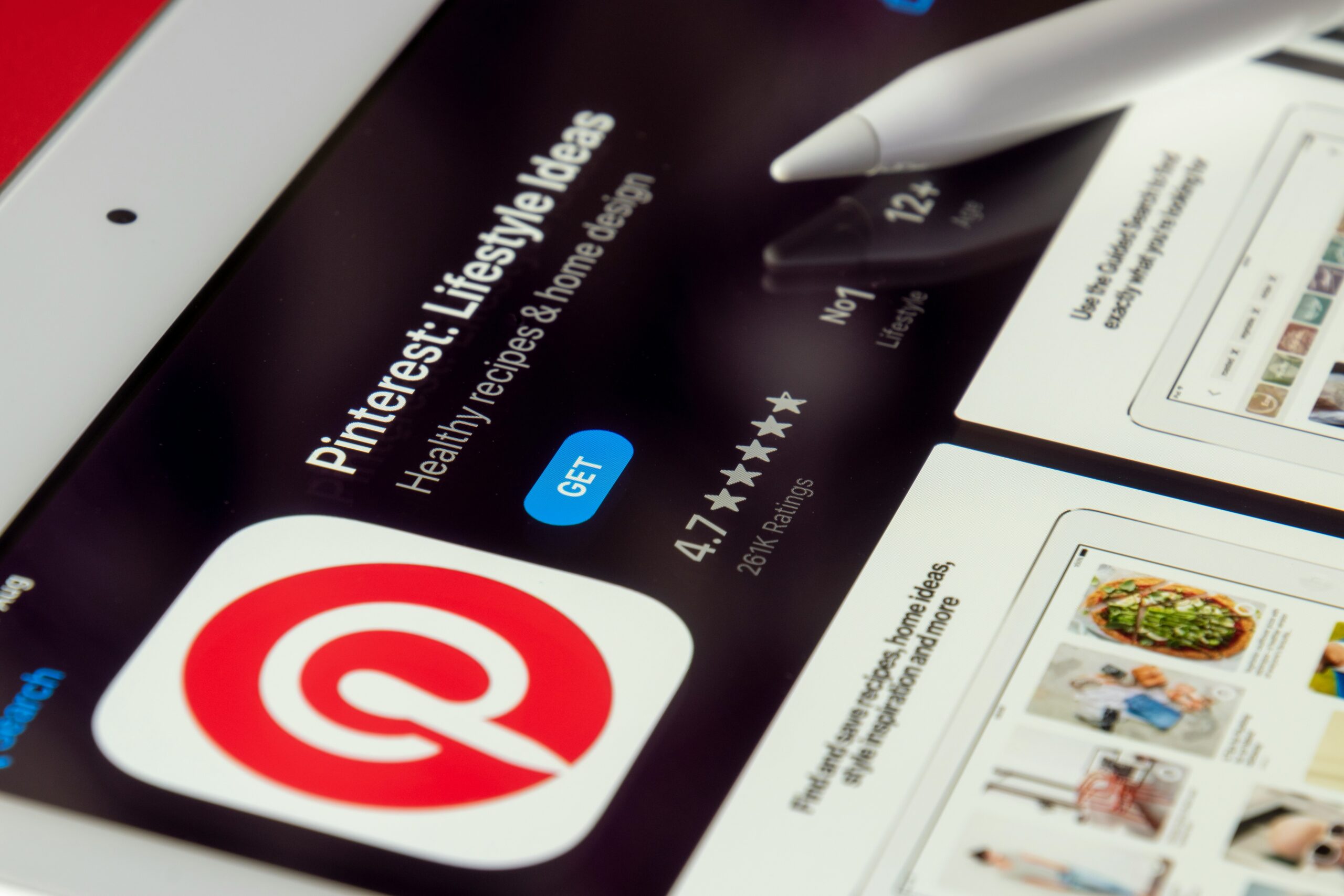
The Hearts United Pinterest partnership has become an important development in the global media industry. It shows how long-standing agency relationships can evolve when platforms change their business priorities. Pinterest has retained Hearts United for its US and UK media business following a competitive review. The decision extends a relationship that began in 2019 under Mediahub.
The announcement matters for more than the agency world. Pinterest is changing how it presents itself to users and advertisers. It wants people to move beyond collecting ideas and take action on them. That means discovering products, planning purchases and finding inspiration for real-life decisions.
The Hearts United Pinterest partnership also reflects a wider shift in media planning. Brands increasingly need connected strategies across search, social media, video, television and commerce. They cannot treat every channel as an isolated advertising space.
- 1. What Happened Between Hearts United and Pinterest?
- 2. Hearts United: A New Global Media Network With Combined Capabilities
- 3. Pinterest’s Changing Position: From Visual Inspiration to Shopping Action
- 4. What Brands Can Learn From the Hearts United Pinterest Partnership
- 5. The Role of Influencer Marketing and UGC in a Visual Discovery Strategy
- 6. How Indian Brands Can Apply These Lessons: A Practical Framework
- Key learnings for brands
- About Hobo.Video
For marketers in India, this development offers useful lessons. It highlights the value of long-term partnerships, integrated media planning, audience understanding and AI-supported advertising. More importantly, it shows why brands must connect inspiration with action.
1. What Happened Between Hearts United and Pinterest?
Hearts United has retained Pinterest’s US and UK media business after a competitive review. The appointment followed a process that included holding companies and independent agencies. The announcement marked an important milestone for the newly formed agency.
However, this was not a completely new relationship. Mediahub had managed Pinterest’s US media account since 2019. It added the UK assignment in 2020. The latest decision continues that relationship under the Hearts United name.
The distinction matters. Pinterest has not suddenly appointed a new global agency for every country. Instead, it has retained an established team for two important markets. Hearts United’s wider network gives the partnership access to broader capabilities and global coordination.

Amplify Your Brand,
One Influence at a Time.
The decision also reflects Pinterest’s changing position. The platform increasingly describes itself as an AI-powered visual search, discovery and shopping destination. Therefore, its media strategy must support brand awareness and commercial action.
1.1 The partnership began before Hearts United existed
The relationship started under Mediahub in the United States in 2019. The agency later took responsibility for Pinterest’s UK media business in 2020.
That history gives the appointment a different meaning. Pinterest did not select an unfamiliar partner without previous experience. It chose to continue working with a team that already understood its business, audience and media requirements.
Long-standing partnerships can create valuable institutional knowledge. An agency learns how a client communicates, which audiences matter and how campaigns perform. It also understands previous challenges and the decisions behind earlier strategies.
However, experience alone does not guarantee continued business. Agencies must keep improving their approach. They need to respond when a client’s priorities change.
That is especially important for Pinterest. Its role in digital discovery has evolved considerably. The platform now wants to strengthen its position in shopping, visual search and AI-powered recommendations.
The latest review gave Hearts United an opportunity to demonstrate how its capabilities could support that next stage.
1.2 Why the competitive review mattered
Pinterest conducted a competitive review before retaining the agency. The process involved holding company agencies and independent contenders. According to industry reporting, consultancy Hwy 111 Media led the review.
The review was described as mission-critical by Pinterest’s Chief Marketing Officer, Claudine Cheever. That description highlights the importance of the decision.
Pinterest is not simply buying media placement. It wants an agency partner that understands its evolving brand position. It also needs a team capable of connecting media activity with business outcomes.
A competitive review gives a client an opportunity to challenge an existing relationship. It can examine whether the current agency still offers the right capabilities. It can also reveal new approaches that may improve performance.
For Hearts United, retaining Pinterest represents a vote of confidence. It shows that continuity can remain valuable when supported by a fresh strategy.
However, the result should not be interpreted as proof that every part of the relationship will remain unchanged. The media environment continues to develop. Both organisations will need to adapt.
1.3 What the $110 million media account figure means
Industry reporting based on COMvergence data estimates Pinterest’s combined US and UK media spend at approximately $110 million.
This figure refers to the estimated media expenditure associated with the two markets. It is not a disclosed agency fee or the amount Hearts United will personally receive.
The distinction is important. Media spend usually refers to money allocated towards advertising placements. Agency compensation may follow a separate commercial arrangement.
The reported figure nevertheless indicates the scale of the assignment. Pinterest operates in competitive advertising markets. It needs to reach users across different media environments and purchase journeys.
A media account of this size requires careful planning. The agency must understand audience behaviour, campaign objectives and channel performance. It must also coordinate activity across markets without losing local relevance.
For brands, the lesson is simple. A large media budget needs a clear strategy. Spending more money does not automatically create stronger brand recognition or commercial results.
2. Hearts United: A New Global Media Network With Combined Capabilities
Hearts United officially launched in August 2026 under Omnicom Media. The agency brought together Hearts & Science and Mediahub to create a new global media network.
The combination joined two organisations with different strengths and histories. Hearts & Science developed a reputation for data-led decision-making. Mediahub built its approach around media as a creative platform.
The new network aims to combine these capabilities. Its proposition focuses on connected media ecosystems rather than isolated channel plans.
This approach reflects how people now discover brands. Consumers move between social platforms, creators, search engines, online video and shopping environments. Their decisions rarely follow one straight path.
For Pinterest, this broader media thinking is relevant. The platform wants to connect inspiration with action. Therefore, its marketing strategy needs to reach people across different stages of discovery and decision-making.
2.1 Why the merger creates a different opportunity
The combination of Hearts & Science and Mediahub creates a larger operating structure. It brings together teams, experience and market capabilities under one network.
According to Omnicom Media’s launch announcement, Hearts United operates across 40 markets. The agency also combines capabilities in media planning, data, technology and commerce.
A global network can help clients coordinate campaigns across countries. It can also share insights between teams and reduce unnecessary duplication.
However, global scale does not automatically guarantee better work. Agencies must organise their teams carefully. They need to maintain local market knowledge while using shared capabilities.
For example, a campaign that works in the United States may not translate directly into India. Language, culture, purchasing power and media habits differ.
Therefore, global planning should provide direction, not impose identical execution everywhere.
The Hearts United Pinterest partnership gives the agency an opportunity to demonstrate how a connected network can support a platform with international ambitions.
2.2 What connected media planning actually means
Connected media planning brings different channels together around a shared customer journey. A traditional media plan may assign separate budgets to television, social media, search and display. Each channel then operates with its own targets and reporting. A connected approach starts with the audience. It asks where people discover information, what influences their decisions and which experiences encourage action.
For Pinterest, this means considering how people encounter the platform and its brand promise. Someone might see a television advertisement, search for inspiration later and eventually use Pinterest to plan a purchase. The media strategy should support that journey.
This does not mean every channel needs the same message. Television may build broad awareness, while search can capture active interest. Social content can demonstrate products, and display advertising can support further discovery. The channels work together because they serve connected objectives.
2.3 Why senior leadership and collaboration matter
The launch announcement identified Nicole Estebanell as Hearts United’s US CEO. Ross Jenkins leads the agency across EMEA.
The organization also described a model built around focused, senior-led teams. This approach aims to reduce unnecessary silos and handoffs.
That structure can matter in complex accounts. Large clients often work with several departments and regional teams. Without clear ownership, decisions can become slow and inconsistent.
Senior involvement can help maintain strategic direction. It can also improve communication between the client and agency.
However, leadership must support execution rather than replace it. Media planners, analysts, creative teams and local specialists still need room to make informed decisions.
A successful partnership requires clear responsibilities. It also needs regular communication and shared performance measures.
For Indian businesses, this lesson applies even when the agency relationship is much smaller. A company should know who owns its strategy, who manages execution and who evaluates results.
3. Pinterest’s Changing Position: From Visual Inspiration to Shopping Action
Pinterest has long been associated with visual discovery. Users save ideas related to home design, fashion, food, travel, beauty and personal projects.
However, the platform wants to play a stronger role in the journey from inspiration to action. It increasingly describes itself as an AI-powered visual search and shopping destination.
This shift changes how advertisers can approach Pinterest. They are not only reaching people who browse attractive images. They are reaching people who may be planning something they want to try, buy or do.
That difference creates a useful marketing opportunity. A person searching for kitchen ideas may be considering a renovation. Someone collecting outfit inspiration may be preparing for an event.
These interests can provide meaningful signals about future needs.
3.1 Pinterest is growing its global audience
Pinterest reported 661 million global monthly active users in Q3 2026. This represented a 10% increase compared with the same quarter in 2025.
The company’s results also showed different growth rates across regions. US and Canada monthly active users reached 107 million. Europe reached 161 million, while the rest of the world reached 394 million.
The rest-of-world category recorded 13% year-on-year growth. This was higher than the 7% growth reported for Europe and 4% for US and Canada.
These figures matter for global marketers. They show that Pinterest’s audience growth is not limited to its established North American markets.
However, audience growth alone does not guarantee commercial success. Advertisers must understand the interests and needs of people in each market.
A brand should not assume that one creative idea will perform equally well everywhere. Local insights remain essential.
3.2 Why visual search creates a different discovery experience
Traditional text search begins with words. Users describe what they want and examine the available results.
Visual search adds another layer. People can explore images, identify similar products and discover ideas through visual cues.
This matters because consumers do not always know the exact words for what they want. Someone may recognise a room style without knowing its design name. Another person may like a clothing silhouette but struggle to describe it.
Visual discovery can help bridge that gap.
For brands, this creates a reason to invest in clear product imagery. Images should communicate the product’s appearance and context. They should also help users understand how it fits into everyday life.
A furniture company can show a sofa inside a complete living room. A beauty brand can create visual guides around product routines. A fashion retailer can publish outfit combinations.
The content should answer a real question. Attractive imagery matters, but usefulness gives it a stronger role.
3.3 Why Pinterest wants to connect discovery with action
Pinterest’s challenge is not simply attracting attention. It wants users to move from inspiration towards decisions.
The company has shared research suggesting that online sessions can begin with clear intent but become distracted by endless scrolling. Its commissioned research found that 60% of online sessions start with a specific intention, while 44% of time spent online is lost to unintended scrolling.
These figures provide context for Pinterest’s positioning. The platform wants to create an environment where discovery leads somewhere meaningful.
For advertisers, this raises an important question. Does the campaign help people take the next step?
A product image should lead to useful product information. A recipe idea should connect with ingredients or cooking instructions. A fashion inspiration board should help people explore relevant products. The strongest content does not leave users wondering what to do next.
3.4 Why this matters for shopping and commerce brands
Pinterest’s direction creates opportunities for businesses that sell visually discoverable products. Fashion, home decor, beauty, food, travel and lifestyle brands can all benefit from visual inspiration. Their products often fit into larger plans and personal interests.
For example, a consumer may search for a wedding guest outfit. They may save several styles, compare colours and explore accessories. A fashion brand can reach that person during the planning process. Similarly, a home decor brand can create boards around small apartments, festive decoration or practical storage.
The content should help users make decisions. Brands should avoid filling their profiles with disconnected product photographs. Instead, they can organize ideas around specific needs. This makes discovery easier and creates more opportunities for relevant engagement.
4. What Brands Can Learn From the Hearts United Pinterest Partnership
The appointment offers several lessons for businesses. These lessons extend beyond media agencies and large advertising budgets. Brands need to build relationships that can adapt as their business changes. They also need to connect media activity with customer needs. The Hearts United Pinterest partnership demonstrates the value of combining established client knowledge with new capabilities. It also highlights the importance of full-funnel planning and market-specific execution. Indian brands can apply these principles across their own marketing activities. They do not need a global media network to start.
4.1 Long-term partnerships create valuable knowledge
A long-term agency relationship allows teams to build an understanding of the client’s business. They learn which audiences respond to different messages. They also understand seasonal patterns, brand guidelines and previous campaign results. This knowledge can improve planning. Teams spend less time rediscovering basic information and more time developing stronger strategies.
However, long-term relationships must not become comfortable or passive. Agencies should continue challenging assumptions and testing new approaches. Clients should also review performance regularly. They need to ask whether the agency still understands their changing goals.
For Indian businesses, this applies to influencer agencies, production partners and digital marketing teams. A brand should not select partners only for one campaign. It should consider whether they can support future growth.
4.2 Full-funnel marketing connects awareness with conversion
Full-funnel marketing covers the different stages of the customer journey. At the awareness stage, brands introduce themselves to new audiences. During consideration, they explain their products and answer questions. At conversion, they help customers complete purchases.
However, the journey does not end there. Retention activities encourage customers to return and recommend the brand. A disconnected campaign may generate reach without building consideration. Another may attract clicks but fail to convert visitors. A full-funnel approach connects these activities.
For example, a skincare brand could use Pinterest content to introduce routines. Creator demonstrations could explain product usage. Search campaigns could capture people researching specific concerns. Customer reviews could support purchase decisions. Each channel has a role. The strategy works because the activities support one another.
4.3 Global consistency needs local relevance
A brand operating across several markets needs a recognizable identity. Yet, customers in different countries do not respond to identical messages. The same product may solve different problems in different regions. Cultural references, language and seasonal behaviour also influence communication. Therefore, brands should establish common strategic principles. Then, local teams can adapt creative execution.
An Indian fashion campaign may need regional language versions. A US campaign may use different seasonal references. Both can maintain the same brand promise. This approach prevents two problems. The first is inconsistent brand communication. The second is creative that feels imported and irrelevant. Global planning should create alignment. Local insight should make the campaign meaningful.
4.4 Data should support creative decisions
Data helps brands understand what audiences do. It can reveal which content attracts attention, which products receive interest and where customers leave the journey. However, data should not become a replacement for creative thinking. A campaign can achieve strong click-through rates but still feel forgettable. Another may generate fewer clicks while building a stronger brand association.
Marketers should combine performance data with qualitative understanding. They can review search behaviour, customer comments, creator feedback and campaign results. These insights can help teams develop better creative ideas.
For example, a home decor brand may discover that users save small-space organization ideas more often than product advertisements. The brand can then create more useful content around storage solutions. Data identifies patterns. Creative teams turn those patterns into relevant experiences.
4.5 AI should improve the process, not remove human judgement
Pinterest is positioning itself around AI-powered visual search and shopping. Hearts United has also highlighted AI-forward operations as part of its approach. AI can support media planning, audience analysis and campaign optimization. It can help teams process information and identify patterns faster. However, technology does not understand every cultural nuance. It may also miss the emotional reasons behind a customer’s decision.
Human teams must review recommendations and creative output. They should check accuracy, brand fit and audience relevance. The best approach combines technology with experience. AI can reduce repetitive work, while people remain responsible for strategic and creative decisions. For Indian brands, this balance is particularly important. Regional language, humour and cultural context can change how people interpret content.
5. The Role of Influencer Marketing and UGC in a Visual Discovery Strategy
Pinterest’s visual nature creates an interesting connection with influencer marketing. Both rely on ideas, interests and content that people want to explore. Creators can help brands explain products through real experiences. They can demonstrate styling choices, home arrangements, recipes and everyday routines. Meanwhile, user-generated content provides a different perspective. It shows how customers use products outside a traditional advertising setting.
These formats can support discovery and consideration. They can also help brands build a reusable content library. For Indian businesses, this creates opportunities across categories. Fashion, beauty, home decor, travel and food brands can all work with creators whose audiences match their products.
5.1 Influencer content can make product discovery more relatable
A product photograph shows what an item looks like. A creator can explain how it fits into daily life. A fashion creator may demonstrate several ways to style one outfit. A home decor creator may show how a small room can feel more organized. A beauty creator may explain the order of a skincare routine.
These examples provide context. They help viewers imagine how the product might work for them. However, brands should select creators based on audience relevance. A large follower count does not guarantee that the creator reaches the right people.
They should also review previous content, audience quality and communication style. The goal is to create a natural connection between the product and the creator’s usual subject matter.
5.2 UGC videos can answer practical customer questions
UGC videos can help customers understand products before purchasing. A buyer may want to see the texture of a skincare product. Another may want to understand how a dress fits. A homeowner may want to see how a storage product works inside a real kitchen. A useful video can answer these questions quickly.
Brands can invite creators or customers to produce demonstrations and reviews. They can then organize the content around common customer concerns. However, businesses need permission before reusing content in paid advertising. They should agree on usage rights, duration, editing permissions and platforms. This protects creators and gives brands a clear understanding of how they can use each asset. For more information, explore Hobo.Video’s Pinterest partnership article.
5.3 Build content around interests instead of only products
People often search for solutions and inspiration rather than brand names. Someone planning a holiday may search for travel outfits, packing ideas and destinations. A person decorating a home may explore colour combinations and furniture layouts. Brands can become part of these discovery journeys.
A travel company could create visual guides around weekend trips. A fashion label could share outfit ideas for different occasions. A kitchen brand could publish practical cooking inspiration.
This approach gives content a useful purpose. It also allows brands to reach people before they begin comparing specific products. However, the content must remain relevant. A brand should not attach its product to every popular topic. Useful ideas create stronger connections than constant promotion.
5.4 Regional creators can help brands reach local communities
India’s consumer market includes many languages and cultural preferences. National campaigns may create broad visibility, but regional creators can make messages feel familiar. A home decor brand could work with creators who understand regional housing styles. A food company could collaborate with local recipe creators. A beauty brand could develop content in Hindi, Tamil, Bengali or Marathi.
The creator should understand the audience’s interests. The brand should also provide clear product information and campaign expectations. Regional influencer marketing works best when it respects local context. Simply translating an English script may not produce natural communication. Creators should have room to explain products in their own voices. That balance helps maintain authenticity while protecting the brand message.
5.5 AI influencer marketing can support campaign operations
AI influencer marketing can help teams organize creator discovery and campaign information. It can also support audience analysis and performance reporting. For example, brands may use tools to compare creator categories or identify content patterns. These insights can help teams build more focused shortlists.
However, the final selection still needs human review. Teams should examine whether the creator’s content suits the brand and audience. AI UGC tools can also support editing and content variations. Yet, brands must remain transparent about synthetic elements and respect creator permissions. Technology should improve efficiency. It should not encourage misleading endorsements or fabricated customer experiences.
6. How Indian Brands Can Apply These Lessons: A Practical Framework
The Hearts United and Pinterest development may involve a large media account. Still, its central lessons apply to smaller companies. Indian brands can start by understanding their customers. Then, they can organize content around genuine interests and connect each channel with a clear objective. The following framework provides a practical starting point.
6.1 Define the customer journey before selecting platforms
Brands should identify how customers discover, evaluate and purchase products. A beauty customer may begin with a search about skin concerns. They may then watch creator demonstrations and compare product reviews. A furniture customer may save room inspiration before visiting a showroom. A travel customer may collect destination ideas months before booking.
These journeys require different content. Brands should map the questions customers ask at each stage. They can then select platforms and formats that answer those questions. This approach prevents businesses from joining platforms simply because competitors use them.
6.2 Create a content library that supports multiple channels
One strong content idea can support several formats. A creator demonstration could become a short video, product page asset and social media post. A visual guide could become a Pinterest Pin, blog image and email creative. However, brands must secure the appropriate rights before reusing content.
They should also adapt each asset to the platform. A vertical video may work well in one environment, while another may require a different format. A structured content library reduces repeated production work. It also helps teams maintain consistency across campaigns.
6.3 Set measurable objectives for each campaign
Every campaign needs a clear purpose. A brand awareness campaign may focus on reach and brand search activity. A consideration campaign may measure saves, meaningful engagement and product page visits. A conversion campaign may track purchases, qualified leads and revenue. Retention activity may examine repeat purchases and customer lifetime value. Teams should avoid treating every interaction as a sale. A save or view may indicate interest, but it does not prove purchase intent. Measurement should match the campaign objective.
6.4 Test creative ideas across different audiences
Brands should not assume that one creative format will work everywhere. They can test different product demonstrations, creator styles and messages. Then, they can compare the results across relevant audience groups. For example, a fashion company may test styling content against product-fit demonstrations. A home brand may compare room inspiration with practical organization tips. The strongest result should guide the next campaign. However, teams should consider audience size and campaign duration before drawing conclusions. Small tests provide direction. They do not always establish a universal rule.
6.5 Connect content performance with business results
A campaign may receive strong engagement but generate few purchases. Another may have lower engagement but attract highly qualified customers. Therefore, brands should connect platform metrics with website and sales data. They can track visits, product views, enquiries, conversions and repeat purchases. Where possible, they should use campaign-specific links and clear attribution methods. They should also compare results with the cost of production and media distribution. This helps managers understand which content creates business value. It also prevents teams from selecting campaigns based only on attractive engagement numbers.
6.6 Build partnerships that can evolve
Brands should look beyond one-time campaign execution. They need partners who understand their business and can adapt as priorities change. An influencer agency may initially support creator discovery. Over time, it may help build a content strategy and manage long-term creator relationships. A media agency may begin with campaign planning. Later, it may support audience analysis, commerce strategy and cross-channel measurement. The relationship should grow alongside the business. However, brands should continue reviewing performance. A long partnership should create better knowledge and stronger results, not prevent new ideas.
Key learnings for brands
The Hearts United Pinterest appointment reflects a changing media environment. Platforms want to connect discovery with action. Agencies need to plan across channels rather than manage isolated placements.
The partnership also shows how established client relationships can evolve. Mediahub’s previous experience gave Hearts United a foundation. The new network brings wider capabilities and a global operating structure.
For Indian businesses, the opportunity lies in applying these principles at the right scale. They can use creators, visual content, regional storytelling and performance measurement to create stronger customer journeys.
- Build relationships that keep improving. Long-term partnerships create useful knowledge, but teams must continue testing new approaches.
- Connect media channels. Customers move between platforms, so campaigns should support a connected journey.
- Make visual content useful. Product imagery should help people understand, compare or plan.
- Move beyond awareness. Content should provide a clear next step whenever appropriate.
- Use AI thoughtfully. Technology can support analysis and operations, while people guide strategy and creative decisions.
- Respect local markets. Global consistency should not remove regional relevance.
- Use creators for genuine context. Relevant demonstrations can help customers understand products.
- Measure the right outcomes. Reach, engagement, saves, clicks and sales serve different purposes.
- Build reusable content systems. Good content can support several stages of the customer journey.
- Keep the customer at the centre. Media strategy should begin with real needs rather than platform trends.
About Hobo.Video
Hobo.Video is India’s leading AI-powered influencer marketing and UGC company. With over 2.25 million creators, it offers end-to-end campaign management designed for brand growth. The platform combines AI and human strategy for maximum ROI.
Its services include:
- Influencer marketing.
- UGC content creation.
- Celebrity endorsements.
- Product feedback and testing.
- Marketplace and seller reputation management.
- Regional and niche influencer campaigns.
Hobo.Video helps brands connect with creators across categories, languages and audience groups. Its approach combines AI-supported tools with human campaign strategy. This helps businesses plan creator partnerships and develop content that supports brand growth.
Visit Hobo.Video to explore influencer marketing and UGC solutions for your next campaign.
If you’re ready to grow your brand smartly, we’re right here. Let’s connect.
We’re a growing community of creators doing big things you in? Join now.
Frequently Asked Questions
What is the Hearts United Pinterest partnership?
Hearts United has retained Pinterest’s US and UK media business after a competitive review. The relationship began in the United States under Mediahub in 2019. The agency added Pinterest’s UK assignment in 2020. Following the formation of Hearts United, Pinterest selected the combined agency network to continue managing its media activity across these two markets.
Is Hearts United managing Pinterest’s advertising worldwide?
The latest announcement specifically concerns Pinterest’s US and UK media business. Hearts United operates as a global media network with a presence across 40 markets. However, that does not mean the Pinterest appointment automatically covers every country. It is important to distinguish the agency’s global footprint from the markets included in this particular media assignment.
What is Hearts United?
Hearts United is a global media agency launched by Omnicom Media in August 2026. It combines the previous Hearts & Science and Mediahub networks. The organization brings together media planning, data, technology and commerce capabilities. Its approach focuses on connected media ecosystems, helping clients plan across platforms, communities, creators and commercial environments.
When did the Pinterest and Mediahub relationship begin?
The relationship began in the United States in 2019 when Mediahub started working with Pinterest. The agency added the UK assignment in 2020. The latest decision continues that relationship under the Hearts United network. This history makes the appointment a retention following a competitive review rather than a completely new client relationship.
What is the estimated value of Pinterest’s US and UK media account?
Industry reporting based on COMvergence data estimates the combined US and UK media spend at approximately $110 million. This is an estimate of media expenditure, not necessarily agency compensation. The actual commercial terms between Pinterest and Hearts United have not been publicly detailed in the announcement.

 Sahil Singh