
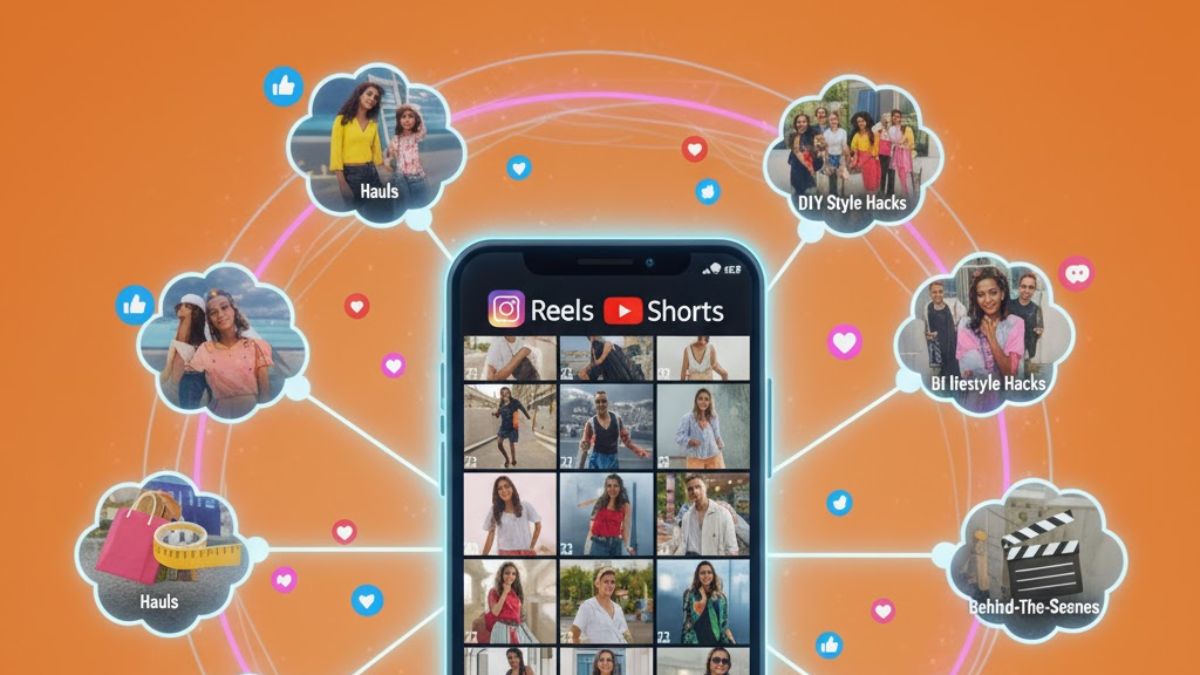
The Rise of a 15-Second Revolution
It started with a mirror and a smartphone.
A 22-year-old college creator from Pune — Aarushi — filmed herself styling one kurti in three ways and uploaded it as an Instagram Reel. By midnight, the video had crossed 1 million views. By morning, she had messages from Indian clothing brands wanting to collaborate.
That’s the modern-day magic of short-form video. What once needed TV ads and celebrity models now takes just a few seconds of creativity. Reels and Shorts have rewritten how clothing brands build visibility, desirability, and community.
Myntra and Bewakoof to small D2C labels on Hobo.Video
Today, if you scroll through Instagram or YouTube, you’ll see endless fashion influencers creating content that feels like a mix of art and authenticity. And brands — from Myntra and Bewakoof to small D2C labels on Hobo.Video — are using them to drive viral clothing campaigns that sell out in hours.
This article dives deep into how brands use Reels & Shorts for clothing campaigns, exploring real examples, UGC trends, data insights, and why short-form video is now fashion’s most powerful runway.
- The Rise of a 15-Second Revolution
- 1. Why Short-Form Video Became the New Runway for Fashion
- 2. How Indian Clothing Brands Use Reels & Shorts to Drive Campaigns
- 3. Data-Driven Insight: Why Reels Convert Better Than Ads
- 4. The New Age of Influencer-Led Clothing Campaigns
- 5. Case Study: How “Bewakoof” Turned Everyday Humor Into Viral Clothing Reels
- 6. The “AI Influencer Marketing” Edge in Fashion Campaigns
- 7. Trends Defining Reels & Shorts in Indian Clothing Marketing (2025)
- 8. Key Takeaways So Far
- 10. Using UGC Videos to Build Long-Term Fashion Communities
- 11. Storytelling Templates for Clothing Reels That Go Viral
- 12. Common Mistakes Brands Make in Reels Campaigns
- 13. The Emotional ROI: How Short-Form Videos Build Brand Love
- 14. Summary: Key Learnings & Tips
- 16. Final Thoughts: The Future Belongs to Storytellers
- About Hobo.Video
1. Why Short-Form Video Became the New Runway for Fashion
1.1 The Shift in Consumer Behavior
In India, fashion inspiration no longer comes from glossy magazines — it comes from mobile screens. According to Statista, over 490 million Indians actively consume digital video content every month, and nearly 70% prefer short-form formats like Reels and Shorts.
That’s why Instagram Reels and YouTube Shorts have become core pillars in marketing fashion. Clothing brands now see them as the quickest way to reach Gen Z — an audience that values storytelling and realness over perfect product shots.
Whether it’s Ajio’s 15-second outfit transformations, Bewakoof’s UGC videos featuring real customers, or H&M’s Shorts challenges, brands are realizing that in 2025, attention spans are short — but impact can be long-lasting.

Amplify Your Brand,
One Influence at a Time.
2. How Indian Clothing Brands Use Reels & Shorts to Drive Campaigns
2.1 The “Relatable Reel” Formula
Fashion brands use Reels to turn everyday stories into emotional narratives. For example, Myntra’s #BeUnscripted campaign featured micro-influencers showing “real-day dressing” — what they wear to college, work, and family events. It wasn’t about models; it was about moments.
This approach taps into UGC videos and AI influencer marketing insights from platforms likeHobo.Video, where brands discover local creators who reflect regional culture and fashion diversity.
Each Reel tells a story — not just about clothing, but identity.
“The whole truth of fashion marketing today is that people trust people, not polished ads.”
That’s why UGC and influencer marketing India have become inseparable from fashion growth.
2.2 YouTube Shorts: The Story Behind the Style
While Instagram Reels dominate discovery, YouTube Shorts is emerging as the storytelling platform for deeper engagement. Indian brands like Fablestreet and Libas use Shorts for behind-the-scenes looks — how fabrics are chosen, how collections are made, and why sustainability matters.
These YouTube Shorts fashion campaigns combine education and emotion — showing the craftsmanship behind every piece. The “authentic creation process” angle builds brand trust and keeps customers connected beyond the trend cycle.
3. Data-Driven Insight: Why Reels Convert Better Than Ads
According to Meta’s internal report (2024), users spend 20% of all Instagram time watching Reels, and Reels generate 22% higher engagement than static posts.
On YouTube, Shorts are viewed over 70 billion times daily worldwide, per Google’s official blog.
When combined with fashion marketing, these numbers translate to direct business results:
- 40% increase in brand recall when Reels are part of clothing campaigns
- 2.5x higher click-through rate for Reels-based ads vs. traditional display
- 3x ROI improvement when using influencer-ledUGC videosinstead of studio ads
These figures explain how brands use Reels & Shorts for clothing campaigns that not only go viral but also drive measurable sales and loyalty.
4. The New Age of Influencer-Led Clothing Campaigns
4.1 The Rise of Micro and Nano Influencers
Gone are the days when only celebrities endorsed clothes. Thetop influencers in Indianow include creators with 10K–100K followers — who drive hyperlocal engagement.
Platforms like Hobo.Video, one of India’s best influencer platforms, connect clothing brands with these niche voices. A small boutique in Jaipur can now collaborate with 20 local influencers creating AI UGC styled Reels in regional languages — resulting in authentic outreach.
Fashion brands use Reels to turn these creators into storytellers. When a nano-influencer shows “How to style a ₹799 top for 3 looks,” it doesn’t just inspire — it sells.
4.2 From “Looks” to “Lifestyle”: The Emotional Hook
The best Reels ideas today are less about fashion trends and more about fashion moods.
Indian audiences connect deeply with emotion-driven stories — a girl dressing for her first interview, a mother choosing comfort wear, or friends styling for a wedding.
When creators embed these narratives in Reels, viral clothing moments are born.
Brands like FabIndia and The Souled Store master this — combining humor, relatability, and heart.
5. Case Study: How “Bewakoof” Turned Everyday Humor Into Viral Clothing Reels
5.1 The Brand Approach
Bewakoof built its identity on wit and youth culture. When Reels launched, the brand didn’t just post product videos — it created skits.
Creators joked about Indian college life, relationships, and self-expression, all while wearing Bewakoof tees.
This approach generated over 25 million views across its Instagram Reels fashion campaign series.
5.2 The UGC Integration
Using Hobo.Video’s influencer marketing tools, Bewakoof tapped into UGC creators from Tier 2 cities. The platform matched brand aesthetics with local creator personalities — ensuring real voices represented the brand.
Each Reel felt spontaneous but was guided by strategy — short-form video content that merged entertainment with apparel identity.
6. The “AI Influencer Marketing” Edge in Fashion Campaigns
6.1 What Is AI Influencer Marketing?
AI influencer marketing uses algorithms to identify ideal creator-brand matches based on engagement, tone, and content type. On Hobo.Video, this technology analyzes over 2.25 million creators to optimize collaboration.
This system answers the modern question every brand asks — “How to find the right influencer?”
It’s no longer guesswork; it’s data-driven storytelling.
6.2 Why AI + UGC = The Future of Fashion Marketing
When AI UGC meets short-form creativity, brands get scalable authenticity. AI ensures the right voice; creators bring the human connection.
This synergy allows even small clothing labels to create consistent Reels campaigns without huge budgets.
And that’s the whole truth behind how brands use Reels & Shorts for clothing campaigns successfully — it’s not about algorithms replacing creativity, but amplifying it.
7. Trends Defining Reels & Shorts in Indian Clothing Marketing (2025)
Here’s what’s shaping the next wave of marketing fashion in India:
- Regional Language Reels: 60% of fashion Reels now feature Hindi, Tamil, or Telugu captions — connecting brands to Bharat.
- UGC as Ads: Real customers’ outfit clips are being turned into paid Reels by brands.
- AR Try-Ons: Virtual fashion filters are driving higher engagement among Gen Z.
- Sustainability Shorts: Brands like No Nasties use Shorts to show ethical sourcing.
- “Day-in-the-Life” Narratives: Creators blend fashion with lifestyle storytelling.
Each trend points to one thing: fashion ads are no longer ads. They’re conversations.
8. Key Takeaways So Far
- Reels and Shorts have become India’s digital catwalk for fashion.
- Clothing campaigns thrive on emotion + authenticity more than aesthetics.
- Micro-influencers and UGC creators drive better ROI than celebrity endorsements.
- Platforms like Hobo.Video simplify influencer discovery and AI-based campaign execution.
- The best Reels ideas center around storytelling, relatability, and real-life expression.
9. Advanced Strategies: How Brands Use Reels & Shorts for Clothing Campaigns Effectively
9.1 Data Meets Creativity: The New Fashion Formula
In the world of clothing campaigns, short-form video has become both an art and a science. Successful brands don’t just post Reels — they plan data-backed storytelling journeys.
Fashion marketers today analyze metrics like watch time, audience retention, and rewatch rate to optimize their content strategy. For instance,Meta’s Business Insights report reveals that Reels under 15 seconds perform 30% better than those over 30 seconds when paired with trending audio.
That’s why brands like Myntra and H&M India time their Reels around cultural moments — festive drops, college reopenings, or monsoon looks. The short format helps them stay relevant to India’s fast-moving fashion moods.
9.2 The 3R Framework: Relatable, Real, Repeatable
When we look deeper into how brands use Reels & Shorts for clothing campaigns, one pattern emerges — the 3R Formula:
- Relatable: The story feels like something anyone could live.
- Real: It’s not overproduced; it feels spontaneous.
- Repeatable: It can become a trend or challenge others join.
This is exactly what made Libas’s “#MyEverydayElegance” Reels series viral — everyday women sharing how they style kurtas at home and at work. Thousands recreated it, turning it into a UGC wave that boosted brand engagement by 68% in just one month.
9.3 Leveraging Trending Sounds and Challenges
Trends move fast, but the best brands learn to adapt them authentically.
When a sound trend hits Instagram Reels or YouTube Shorts, fashion influencers quickly use it to show off new outfits or styling hacks.
For example, The Souled Store capitalized on trending meme sounds during IPL season to showcase its cricket merchandise. Within days, its Reels crossed 2.3 million organic views.
Brands that connect pop culture + product win big — and that’s the whole truth of modern marketing fashion.
9.4 Collaborations That Feel Like Conversations
The strongest clothing campaigns no longer rely on paid ads. Instead, they use collaborative storytelling between creators and customers.
A good example is FableStreet’s Reels collab with working women across India, sharing “How to style minimal looks for power meetings.” These collaborations didn’t feel promotional — they felt like community moments.
This is where Hobo.Video, one of India’s top influencer marketing companies, bridges the gap between brand goals and creator authenticity — ensuring campaigns never feel “forced.”
10. Using UGC Videos to Build Long-Term Fashion Communities
10.1 Why UGC Is Fashion’s Most Trusted Currency
In a world full of ads, UGC videos feel like recommendations from a friend. They make a brand human.
79% of people say UGC highly influences their buying decisions.click here…
That’s why brands on Hobo.Video actively encourage UGC contests — inviting creators to submit outfit ideas, styling hacks, or “behind my look” Reels.
The best part? UGC content continues to work even after campaigns end — keeping the brand visible through creators’ feeds.
10.2 Turning UGC into Reels Ads
Here’s a pro tip most fashion brands miss: your customers’ Reels can become your ads.
When creators share authentic styling videos, brands can repurpose them as paid Reels or YouTube Shorts ads — a strategy known as UGC Amplification.
Platforms like Hobo.Video make this seamless, allowing brands to track performance, rights usage, and conversions through AI insights.
This blend of authenticity and analytics is redefining influencer marketing India — giving clothing brands the creative edge they need.
11. Storytelling Templates for Clothing Reels That Go Viral
Let’s decode a few best Reels ideas that consistently work for Indian fashion brands:
| Story Type | Example | Emotional Trigger |
|---|---|---|
| Transformation Reels | “From homewear to date-ready in 10 seconds” | Surprise & Style |
| Behind the Brand | Showing how artisans make your clothes | Authenticity & Pride |
| Trend Re-creation | Using viral sounds with product styling | Relatability & FOMO |
| Mini Tutorials | “How to style one saree five ways” | Value & Curiosity |
| Life Moments | “My first day at college outfit” | Nostalgia & Confidence |
These formats keep content repeatable, personal, and visually satisfying — ideal for both Instagram Reels and YouTube Shorts fashion campaigns.
12. Common Mistakes Brands Make in Reels Campaigns
Even with millions of views, not every Reel leads to growth. Here are common pitfalls clothing brands should avoid:
- Overbranding: Too much logo visibility turns storytelling into advertising.
- Ignoring Analytics: Without data, even great ideas can flop.
- Missing Local Culture: Reels that ignore regional nuances lose connection.
- Late Trend Adoption: Waiting too long to act kills momentum.
- No CTA or Engagement Hook: Always guide viewers to your page, website, or marketplace.
As top influencers in India often say — “Trends fade fast. Stories stay.”
13. The Emotional ROI: How Short-Form Videos Build Brand Love
Fashion isn’t sold — it’s felt.
When audiences watch Reels that show real emotions, like laughter, nostalgia, or belonging, it strengthens loyalty.
According to a YouGov report, 59% of Gen Z in India say they buy from brands that “make them feel represented.”
That’s why the emotional storytelling in short-form video marketing drives longer-term brand equity than even paid celebrity ads.
Brands that understand this don’t just chase virality — they build communities.
14. Summary: Key Learnings & Tips
Here’s a quick recap of everything we’ve covered about how brands use Reels & Shorts for clothing campaigns:
- Reels and Shorts are fashion’s most powerful storytelling tools in India.
- Short-form video increases clothing campaign ROI by up to 3x.
- The most successful brands mix AI influencer marketing with human creativity.
- UGC videos outperform traditional ad shoots in engagement and trust.
- Platforms like Hobo.Video help brands manage creators, track analytics, and scale easily.
- Every campaign should follow the 3R framework — Relatable, Real, Repeatable.
- Authenticity, emotion, and cultural context are now fashion’s strongest marketing assets.
16. Final Thoughts: The Future Belongs to Storytellers
Fashion’s biggest runway is now the smartphone screen.
Every 15-second clip can make someone fall in love with a brand — not because of glamour, but because of emotion, honesty, and identity.
If you’re a fashion brand, a creator, or an emerging label, this is your moment.
Create, collaborate, and connect — because the next viral story could be yours.
About Hobo.Video
Hobo.Video is India’s leading AI-powered influencer marketing and UGC company, connecting over 2.25 million creators with top brands.
The platform empowers businesses to launch authentic, scalable campaigns with data-backed insights and creative collaboration.
Services include:
- Influencer marketing
- UGC content creation
- Celebrity endorsements
- Product feedback and testing
- Marketplace and seller reputation management
- Regional and niche influencer campaigns
Trusted by top brands like Himalaya, Wipro, Symphony, Baidyanath, and The Good Glamm Group, Hobo.Video blends human creativity with AI precision — delivering campaigns that inspire, influence, and impact.
We love working with people who believe in bold brand moves.Let’s build something.
Influencer? Let’s turn your content into consistent brand deals.Let’s make that happen.
FAQs
Why are Reels and Shorts more effective than photo posts for clothing brands?
Because short-form video gives movement, texture, and emotion to clothing. It allows brands to show how clothes feel, not just how they look — leading to stronger emotional connections and higher engagement.
How can small clothing brands start using Reels effectively?
Start with storytelling. Show the process — from unboxing to styling to customer reactions. Use trending audio, natural light, and authenticity. Tools on Hobo.Video help small brands collaborate with micro-influencers at scale.
How often should a fashion brand post Reels or Shorts?
Ideally, 3–5 Reels a week. Consistency builds recall. Use analytics to find what timing and style perform best for your audience.
What’s the best way to collaborate with influencers for Reels campaigns?
Find influencers who align with your brand story. Use AI influencer marketing platforms like Hobo.Video to match tone, engagement, and audience demographics accurately.
Can UGC videos really replace professional shoots?
Absolutely. In fact, UGC often performs better. Viewers relate to “real people,” and brands save major production costs while keeping authenticity intact.

 Vishnumaya