
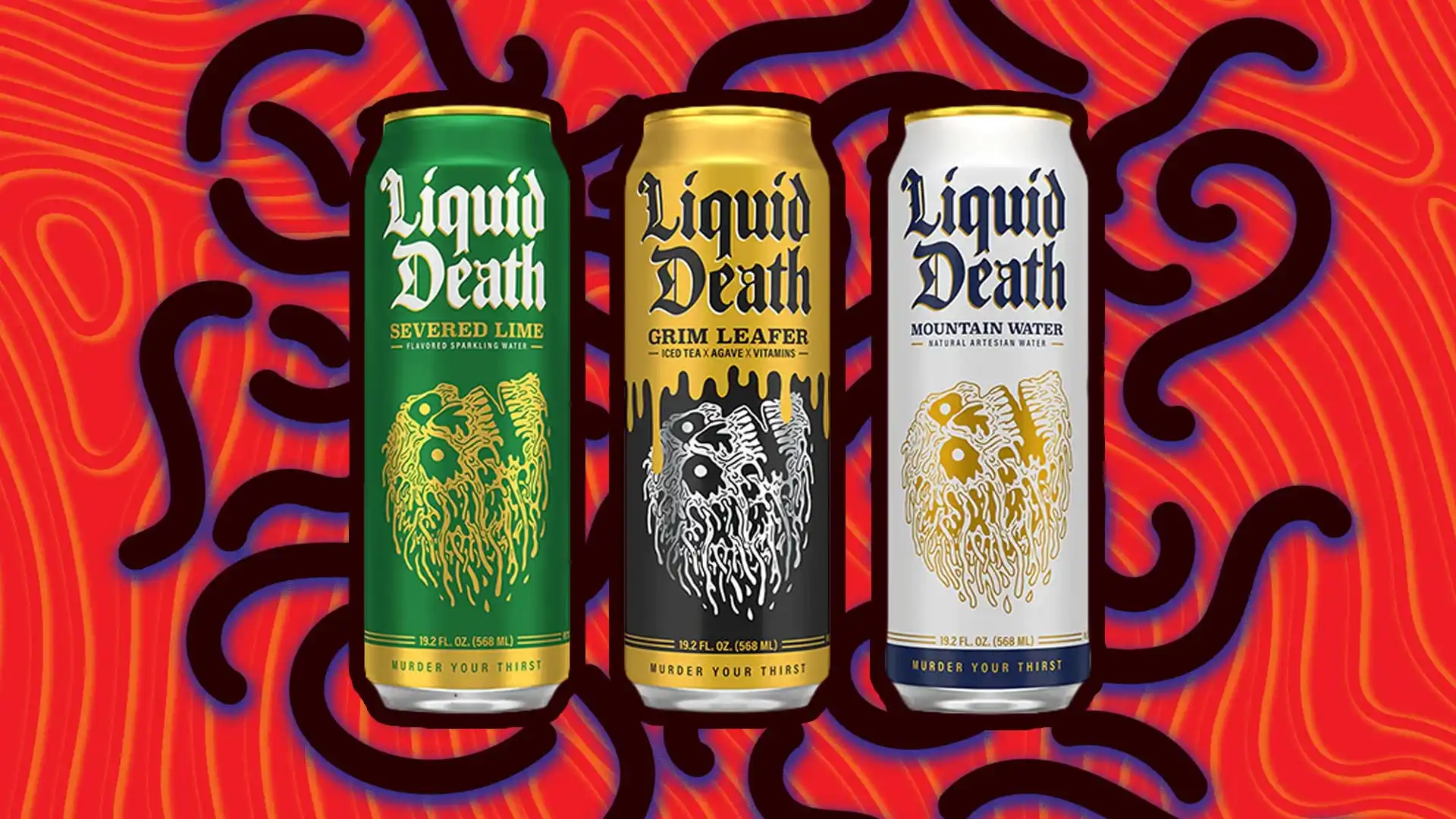
Water is free from the tap. Yet millions of people still pay for it every day. In India, we grew up with Bisleri and Kinley, and nobody called them exciting. Then a skull-covered can appeared in America and flipped the whole category. Liquid Death turned plain water into a cult brand. It did not sell a miracle ingredient. Instead, it borrowed the loud style of heavy metal and punk music. This Liquid Death story shows how bold branding can beat a big budget. In this case study, we will cover the idea, the stunts, the numbers and the lessons. Indian marketers, founders and creators can use every one of them.
- 1. What Is the Liquid Death Case Study All About?
- 2. The Idea That Sounded Like a Joke
- 3. Heavy-Metal Branding, Explained
- 4. Stunts That Fans Wanted to Share
- 5. From Online Cult to Shelf Space
- 6. Lessons Indian Brands Can Borrow
- 7. Conclusion: Key Takeaways for Marketers
- Ready to Build a Brand People Talk About?
- About Hobo.Video
1. What Is the Liquid Death Case Study All About?
1.1 The Problem With Boring Water
Walk down any water aisle and you will notice the same story. Blue labels, snowy peaks and words like pure and fresh fill every shelf. Every brand looks like the next one. That sameness created a gap in the market. Mike Cessario, a longtime advertising creative, spotted it early. He had worked on campaigns for Netflix and Organic Valley, asMarketplacenotes. He also noticed something odd. Healthy brands rarely used bold, funny ads. Junk food and energy drinks owned that space. So he asked a simple question. What if water got the same loud treatment? That one thought became the base of this branding experiment. It sounds silly at first. However, many great brand ideas sound silly at first.
1.2 The Man Behind the Skull
Mike Cessario did not come from the beverage world. He came from advertising, and that mattered a lot. He registered the Liquid Death name in 2017 and started testing ideas fast. One popular origin story starts at the Warped Tour music festival. There, artists sipped plain water from energy drink cans. That contrast became the seed of the brand. Water could look dangerous and still be healthy. Because Cessario understood storytelling, he treated the can like a movie poster. He did not build a drinks company first. He built a character first, and the product followed. Many founders do the opposite. They perfect the product and then wonder why nobody cares.
2. The Idea That Sounded Like a Joke
2.1 Water Packaged Like Beer
The product inside is simple mountain water. The packaging does the heavy lifting. Instead of a plastic bottle, the company chose a tall aluminium can that looks like a beer tallboy. The label even says the can is infinitely recyclable. That gave the brand a clear stance against single-use plastic. Moreover, a can feels cooler in the hand than a bottle. At a party, you can hold one without looking like you skipped the drinks. That small shift changed how people saw water. Many brands copy a competitor’s format. This one borrowed a format from a different category instead. Good branding often starts with that kind of surprise.
2.2 A Fake Ad Before a Real Product
Here is the part marketers love. Cessario made a video ad before the product even existed. It showed a man being waterboarded with a can, a very dark joke. Facebook later banned it. Still, the ad collected three million views. Within four months, the Facebook page had nearly 80,000 followers. That was more than Aquafina’s page at the time, asCNBC reported. Investors noticed. Liquid Death proved demand with a joke before a single can reached a shelf. That is cheap market research. A small brand can try something similar. Test the idea in public, watch the reaction, and then decide how much to invest.
3. Heavy-Metal Branding, Explained
3.1 Skulls, Cans and a Punk Slogan
Picture the look. A skull, bold black type and a slogan that says murder your thirst. It reads like merchandise from a metal band, not a water brand. The Liquid Death team carried that attitude into every detail. Flavour names include Mango Chainsaw, Berry It Alive and Severed Lime, asMediaPostnotes. One iced tea was first called Armless Palmer. Legal trouble forced a rename to Dead Billionaire. Each name makes you smile, and each one repeats the same message. This consistency is why the branding sticks in memory. Strong visuals and strong words working together is rare in the drinks aisle. Customers know whose can they hold, even from across the room.
3.2 Humor as a Marketing Engine
The brand never talks like a water company. It talks like a comedian holding a guitar. Its posts mock its own product, and sometimes its critics. In one stunt, the company made a punk album inspired by internet hater comments. Track names included Liquid Lame-O and Rather Murder Myself, according to the same MediaPost report. Most health brands play safe, so this humor stood out. Fans shared the jokes on their own. Every share worked like a free ad. Notice what the company did not do. It did not preach about hydration. It entertained people first and let the product follow. That choice made the brand feel like a friend, not a lecture.

Amplify Your Brand,
One Influence at a Time.
4. Stunts That Fans Wanted to Share
4.1 A Skateboard, a Punk Album and a Soul Contract
Next came the stunts. The brand sold a limited-edition skateboard with paint that carried skateboard legend Tony Hawk’s blood, asMarketplacereports. At launch, fans could e-sign a contract to sell their soul for a free can, BevNet reported. Silly? Yes. Shareable? Absolutely. Each stunt matched the heavy-metal theme, so nothing felt random. Because of that, people talked about the brand without being asked. For creators in India, this is a useful lesson. A good idea gives people a story to retell. The company was no longer selling water alone. It was selling a story, and fans loved to pass it on.
4.2 A Super Bowl Ad on a Tiny Budget
Big brands spend millions on Super Bowl ads. Liquid Death spent far less. Its 2022 Super Bowl ad cost only $100,000 to make, according to Cessario, asMediaPostreports. The lesson is simple. A funny ad that costs little can still win big attention. People remember a laugh far longer than a logo. Think about IPL season in India, when every brand fights for the same ad slots. A bold idea can cut through that noise at a lower price. Budget is rarely the real problem. Courage and clarity usually matter more, and this case shows exactly how.
5. From Online Cult to Shelf Space
5.1 Whole Foods and Beyond
Online buzz alone does not pay the bills. The company needed shelves. In 2020, it expanded into Whole Foods and finished the year with roughly $10 million in sales,CNBC reported.Chains such as 7-Eleven and Publix followed soon after. By early 2023, Marketplace said the cans sold in about 60,000 US stores. Notice the order of events here. First came fans, and then came shelves. Most startups try it the other way round. They chase distribution first and hope love arrives later. This brand built demand online, so retailers had a reason to say yes.
5.2 The Numbers That Followed
The growth numbers tell their own story. Sales jumped from about $10 million in 2020 to $45 million in 2021, per CNBC. By late 2022, investors valued the company at $700 million. Then, in March 2024, a $67 million round pushed the valuation to $1.4 billion, as investorScience Inc announced.Think about that for a moment. Liquid Death reached unicorn status by selling water in cans. Private valuations can change, so always check fresh news before quoting them. Even so, the direction is clear. Strong branding gave this company pricing power in a category where most products look identical.
6. Lessons Indian Brands Can Borrow
6.1 Pick a Clear Enemy
Every strong brand fights something. Liquid Death fought boring water and plastic bottles. Indian brands can do the same. A chai startup could fight sugary energy drinks. A skincare label could fight confusing ingredient lists. Pick one enemy and say it loudly. Then make the tone fit your audience. Humor works well for Gen Z, but trust may matter more for older buyers. Also, remember that shock alone is not the goal. Consistency is. If your enemy, your visuals and your voice all point the same way, people remember you faster. That is how a small brand starts to feel big.
6.2 Let Creators Do the Talking
This brand grew through shareable content, and creators drive the same effect in India today. Short videos, honest reviews and funny skits often spread faster than polished ads. UGC also costs less than studio shoots. A small brand can brief ten micro creators and test ten different jokes. Hobo.Video helps brands do exactly this, with creators across niches and regions. If a joke lands, scale it. If it flops, drop it quickly. That test-and-learn loop is a core part of modern branding. It also protects your budget while you search for the voice that clicks.
7. Conclusion: Key Takeaways for Marketers
Liquid Death proves that branding can turn a simple product into a talking point. This Liquid Death case study also shows that humor, consistency and courage can replace a giant ad budget. Cessario did not invent water. He changed how water felt, looked and sounded. Indian brands can follow the same path with local flavour. Start small, test in public, and let your audience help you grow. Here are the main learnings to take away.
- Break category rules: Borrow the style of a different industry, as this brand did with beer and metal music.
- Test before you build: A bold video can prove demand before you invest in stock.
- Stay consistent: Names, visuals and jokes should all repeat one message.
- Entertain first: People share fun content, and shares work like free ads.
- Create story-worthy stunts: Give fans something to retell, not just something to buy.
- Use creators and UGC: Cheap, fast tests help you find the voice that works.
Ready to Build a Brand People Talk About?
Great branding does not need a giant budget. It needs a bold idea, the right creators and a team that tests fast. Brands, register withHobo.Videoto launch influencer and UGC campaigns that get noticed. Creators, join us and turn your content into paid brand partnerships. Your next big idea deserves an audience, so start today.
About Hobo.Video
Hobo.Video is India’s leading AI-powered influencer marketing and UGC company. With over 2.25 million creators, it offers end-to-end campaign management designed for brand growth. The platform blends AI with human strategy to deliver maximum ROI.
Services include:
- Influencer marketing
- UGC content creation
- Celebrity endorsements
- Product feedback and testing
- Marketplace and seller reputation management
- Regional and niche influencer campaigns
Trusted by top brands like Himalaya, Wipro, Symphony, Baidyanath and the Good Glamm Group.
Need a Strategy plan that works for your brand? Let’s build it together
Ready to grow your influence and earn doing what you love? Join the fam
Frequently Asked Questions
Who started this canned water brand and when?
Mike Cessario, a former advertising creative, started it. He registered the name in 2017 and ran his first online video test in 2018. The first sales followed in 2019. He built the brand around a simple thought: sell water the way other companies sell beer and energy drinks. Today the company is based in Los Angeles.
What does “murder your thirst” mean?
It is the brand’s tagline, and it is a dramatic way to say the drink ends your thirst fast. The phrase fits the heavy-metal theme perfectly. It also turns a boring product benefit into a memorable line. Punchy taglines like this are easy to repeat, which helps word of mouth.
Is the water different from regular bottled water?
The product is mountain water in an aluminium can. The label, as read aloud in a Marketplace interview, says the water comes from the Alps. The big difference is the packaging and attitude, not a secret ingredient. Many buyers choose it for the can, the humor and the recyclable packaging.
Why did Facebook ban the first video ad?
Reports say the ad showed a man being waterboarded with a can, which is dark humor. Facebook banned it, though not before the video reached three million views. No official reason is public in the sources we checked. The lesson for brands is to test bold ideas but stay within platform rules.
How did the brand grow without big ad budgets?
It leaned on viral content and loud branding. The early video drew three million views, and the Facebook page quickly passed Aquafina’s follower count. Later stunts, like the Tony Hawk skateboard and the punk album, kept people talking. Its 2022 Super Bowl ad cost only $100,000 to make.
