
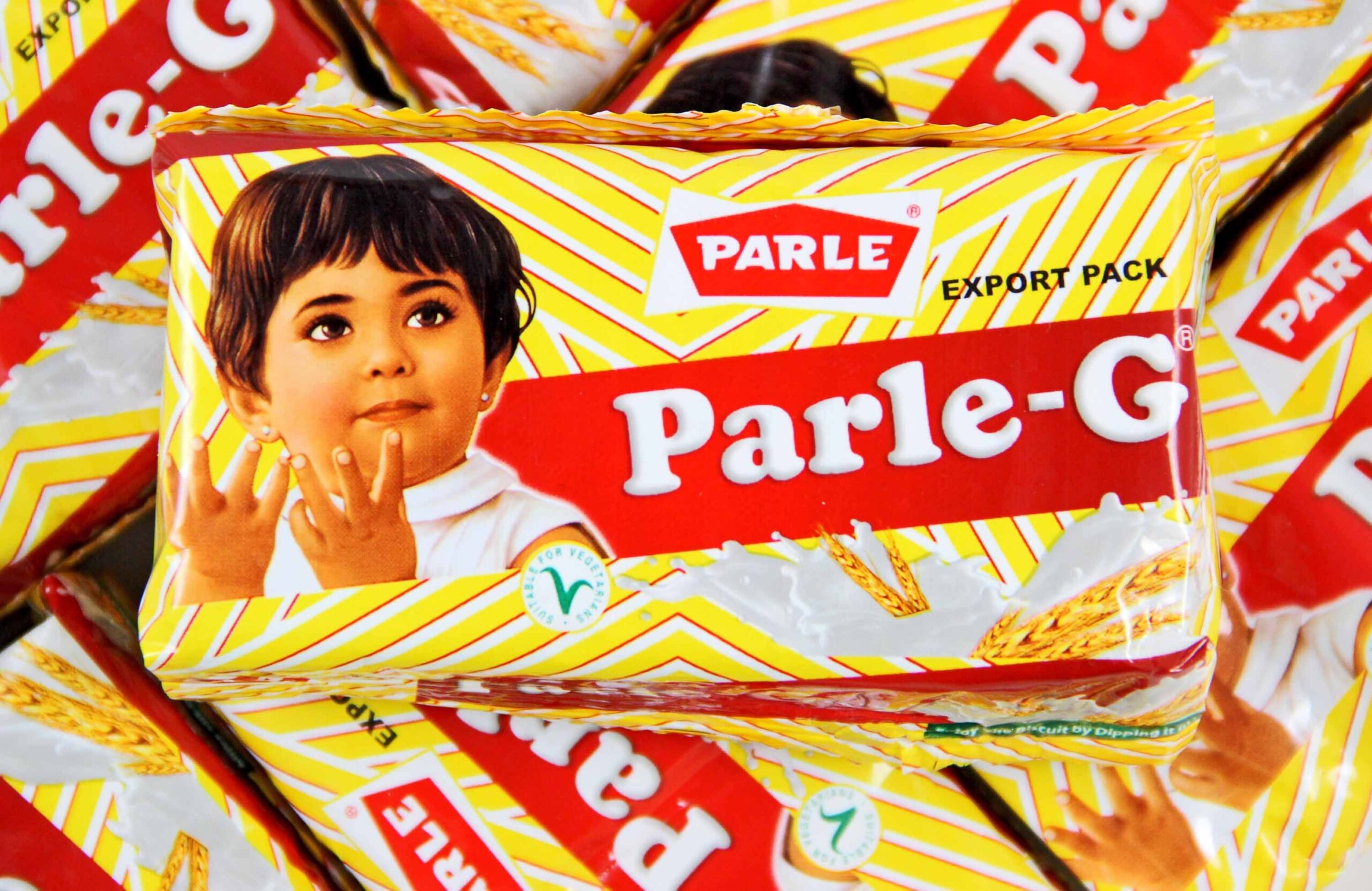
Parle-G has sat on Indian tea tables for generations. Your grandfather dunked it in chai, and your child does the same today. Few brands earn that kind of habit. Parle-G did it with a simple promise: good taste, fair price, and a name you can trust. Then came the line “G for Genius”, which gave a plain glucose biscuit a bigger meaning. The real secret, though, was never the slogan. It was the habit of showing up in the same way for decades. For Indian D2C brands, that habit is rare and valuable. Social media rewards noise, but loyalty rewards patience. This article shows how a consistent brand grows, and what new founders can borrow today.
1. How a Humble Biscuit Began
1.1 A Candy Maker Turns to Biscuits
The story starts in Mumbai. Parle Products began in 1929 in the Vile Parle suburb, and the name comes from that place. At first, the company made sweets.Best Media Infosays its first product was an orange candy. Ten years later, in 1939, it started making biscuits. The timing mattered. Imported biscuits were costly then, and many Indians could not afford them. Parle chose to sell affordable biscuits to ordinary families. That choice shaped everything that followed. The brand did not chase rich buyers. It chased the huge middle of India, one small pack at a time. Notice the lesson here. A clear audience and a clear price gave the company a strong base. Later campaigns only built on that base. Founders today can learn from this early focus.
1.2 From Gluco to a Shorter Name
The biscuit first carried the name Parle Gluco. The “G” stood for glucose, which suggested energy. In the mid-1980s, the brand changed its name to Parle-G, according toThe National.The change looks tiny. Yet it made the name shorter, snappier, and easier to say. Kids could shout it across a shop counter. Notice what did not change. The taste and the affordable price stayed familiar. That balance is hard to find. Many brands rebrand and lose their old fans. Here, the company gave customers a fresh name while keeping the old comfort. It is a smart lesson for any D2C brand that plans a rebrand.
2. How “G for Genius” Lifted Parle-G
2.1 One Letter, Two Meanings
Then came the big idea. The brand kept the “G” but gave it a second meaning. Glucose became genius. A later campaign line said “G maane Genius”, which means G stands for genius.Best Media Infoquotes a company leader who explained the thinking. Parents already saw the biscuit as a source of strength. The brand added the idea of a sharp mind. That move pushed it from a one-sided image to a richer one. Kids wanted to feel clever. Parents wanted to see their kids do well. One small word covered both wishes. Importantly, the brand did not drop its old meaning overnight. It layered the new idea on top, so nobody felt left behind. That is smart and consistent storytelling.
2.2 The Shaktimaan Effect
Great ideas need a great face. In the late 1990s, Parle teamed up with Shaktimaan, India’s favourite superhero.The National reports that this campaign lifted sales from 50 tonnes to 2,000 tonnes a month. That jump is huge. Children loved the hero, and parents saw a snack that fit the story of strength and smarts. The biscuit stopped being just a tea-time habit. It became part of how kids imagined being strong and clever. Marketers often chase new faces every season. Here, the brand picked one popular face and let the story grow around it. Today, D2C brands can use creators in the same way. Choose voices your buyers already trust, and then repeat the message across many posts.
3. The Numbers That Prove Parle-G’s Staying Power
3.1 Sales That Few Brands Match
The numbers tell the rest of the story. A Nielsen survey from 2011 reported that Parle-G was the best-selling biscuit brand in the world.MediaNews4Unotes that in 2013 it became the first Indian FMCG brand to cross ₹5,000 crore in retail sales. A 2023 DNA Indiareport says the brand sells over a billion packets a month. That works out to around 121 biscuits for every Indian. Such scale does not come from a single viral moment. It comes from small purchases repeated by millions of people, week after week. Parle-G earned its place by being consistent in taste, price, and availability. A village shopper and a metro shopper find the same familiar pack.
3.2 Why Small Packs and Wide Reach Matter
Another reason for this scale is simple access. Parle-G sells in many pack sizes, and it keeps its distribution wide. Case studies often point to this mix of low price and easy availability as a core strength. People can buy a small pack on impulse at any corner shop. That removes the fear of spending too much. It also builds the habit of buying again and again. This idea matters for new D2C brands too. Many founders chase premium prices and slick packaging first. Yet habits form when buying feels easy and cheap. Offer a starter pack, a trial size, or a small bundle. Then let loyal customers move up to bigger packs later. Low risk at the start creates trust, and trust creates repeat orders.

Amplify Your Brand,
One Influence at a Time.
4. Lessons for Indian D2C Brands
4.1 Pick One Promise and Repeat It
Parle-G never tried to be everything. It promised taste, value, and a little strength, and it kept repeating that story. Many new D2C brands do the opposite. They change their tagline every quarter and wonder why nobody remembers them. Memory needs repetition. If you want people to recall you, say the same core thing in many fresh ways. Choose one promise, such as “gentle on skin” or “protein without the guilt”. Use it in your ads, packaging, creator videos, and customer replies. Keep the tone consistent too. A friendly brand should sound friendly in every caption and every email. Over time, that repetition builds trust, and trust beats a clever one-time stunt.
4.2 Refresh the Message, Not the Soul
Look at how the brand handled change. It moved from “Gluco” to “G for Genius” without losing its old comfort. The core stayed the same. Only the angle shifted. Smart D2C brands can follow this path. Keep your values steady, but update your stories as buyers change. A skincare brand might start with “clean ingredients” and later add “made for Indian weather”. A snack brand might move from “healthy” to “smart fuel for long study nights”. Each step builds on the last one. Do not throw away what customers already love. Test new angles with small creator videos first, and then scale what works. Parle-G shows that a brand can stay young without becoming a stranger.
4.3 Let Customers and Creators Tell the Story
Word of mouth carried this biscuit across generations. Today, that role belongs to customers and creators. A real unboxing video or honest review travels further than a polished ad. Indian shoppers often ask a friend or scroll through reviews before they buy. So make it easy for happy buyers to speak up. Send a simple prompt with each order. Share the best posts on your page. Also work with micro and regional creators who speak your customers’ language. Platforms likeHobo.Videohelp brands connect with over 2.25 million creators and collect UGC at scale. A steady flow of real voices keeps your message fresh. It also keeps your brand consistent across languages and cities.
5. Common Mistakes D2C Brands Make
The first mistake is changing direction too often. A brand that shouts “premium” in March and “budget” in June confuses everyone. The second mistake is copying a famous campaign without a matching story. “G for Genius” worked because it grew from a real idea about strength and growing minds. The third mistake is chasing quick wins. A viral reel feels great, but it rarely builds habit. Fourth, many brands ignore their basics. Quality, delivery, and service must stay steady, or no slogan can save you. Finally, some founders quit too early. This biscuit needed decades to build its place. You may not need decades, but you do need patience. Pick a promise, protect it, and give it time to work.
6. Conclusion: Key Learnings
Parle-G proves that a brand can win by staying the same in the right ways. It kept its taste and price steady, and “G for Genius” added new meaning over time. And it never needed a flashy trick. It needed a clear promise and decades of patience. For Indian D2C brands, the path is open but demanding. You must listen, repeat, and refresh without losing yourself. Creators and customers can speak for you, but only if your story is consistent. Treat every post, pack, and reply as another small deposit in the trust bank. That is the real value of staying consistent. Here are the key takeaways from the Parle-G story.
- Choose one clear promise and repeat it across every channel.
- Keep price, quality, and availability steady before chasing new tricks.
- Refresh your message slowly, and keep the core meaning alive.
- Use small packs or trial sizes to lower the risk of a first purchase.
- Let customers and creators tell your story in their own words.
- Be patient, because trust grows through repetition, not one viral post.
7. Start Building a Brand People Remember
Ready to build a brand people remember for years? Hobo.Video can help you start. Our platform blends AI with human strategy to run influencer and UGC campaigns that feel real and deliver results. Brands can register today and tap into a network of over 2.25 million creators. Influencers and creators can sign up to work with brands that value honest content. Pick one promise, repeat it with passion, and let your community carry it forward. The brands people love in ten years are the ones that start showing up consistently today.Register with Hobo.Videonow and start your own long-term brand story.
8. About Hobo.Video
Hobo.Video is India’s leading AI-powered influencer marketing and UGC company. With more than 2.25 million creators, it delivers end-to-end campaign management built for brand growth. The platform blends AI with human strategy to drive maximum ROI. Its services include:
- Influencer marketing
- UGC content creation
- Celebrity endorsements
- Product feedback and testing
- Marketplace and seller reputation management
- Regional and niche influencer campaigns
Trusted by top brands like Himalaya, Wipro, Symphony, Baidyanath and the Good Glamm Group.
Need a Strategy plan that works for your brand?Let’s build it together
Ready to grow your influence and earn doing what you love?Join the fam
Frequently Asked Questions
What does the G in Parle-G stand for?
The G first stood for glucose, since the biscuit began as Parle Gluco. The brand became Parle-G in the mid-1980s. Later, campaigns gave the letter a second meaning: genius. The “G maane Genius” line linked the biscuit with energy and a sharp mind. Both meanings now live side by side in people’s memory.
When did the company start making biscuits?
Parle Products began in 1929 in Vile Parle, Mumbai, as a confectionery maker. It started making biscuits in 1939. At that time, imported biscuits were expensive for most Indians. Parle aimed to offer affordable options instead. That focus on value became the base of its long journey.
What was the “G for Genius” campaign about?
It added a new idea to an old name. Besides energy, the biscuit now stood for sharp thinking. Parents saw a snack that supported their child’s growth. Children felt clever. The message grew from the brand’s existing image, so it felt natural rather than forced. That is why it stuck.
How did the Shaktimaan campaign help?
In the late 1990s, Parle teamed up with the popular superhero Shaktimaan. According to The National, monthly sales rose from 50 tonnes to 2,000 tonnes. Children loved the character, and parents trusted the brand. The tie-up connected the biscuit to strength and smarts in a way kids understood easily.
Can new D2C brands build this kind of loyalty?
Yes, but it takes patience. Start with one clear promise and keep your quality steady. Share the same message in your ads, packaging, and creator content. Collect honest reviews and reply to every comment. Loyalty grows slowly, yet it compounds. Each happy order adds to your reputation, and your reputation lowers future acquisition costs.

 Neeti Katyal
 Rohit Thapa