
Picture this. You launch a UGC video on Monday, and the numbers look great. By week three, clicks drop, costs rise, and your team starts guessing. That slow slide has a name: creative fatigue. Many Indian brands blame the budget or the audience. In truth, people just saw the same ad too many times. This guide explains how creative fatigue works and how to spot it early. You will also learn how a continuous UGC strategy keeps your ads fresh. We will keep everything simple, practical, and built for Indian brand marketing teams. So grab a chai, and let’s get started.
1. What Creative Fatigue Really Means
1.1 The Simple Definition
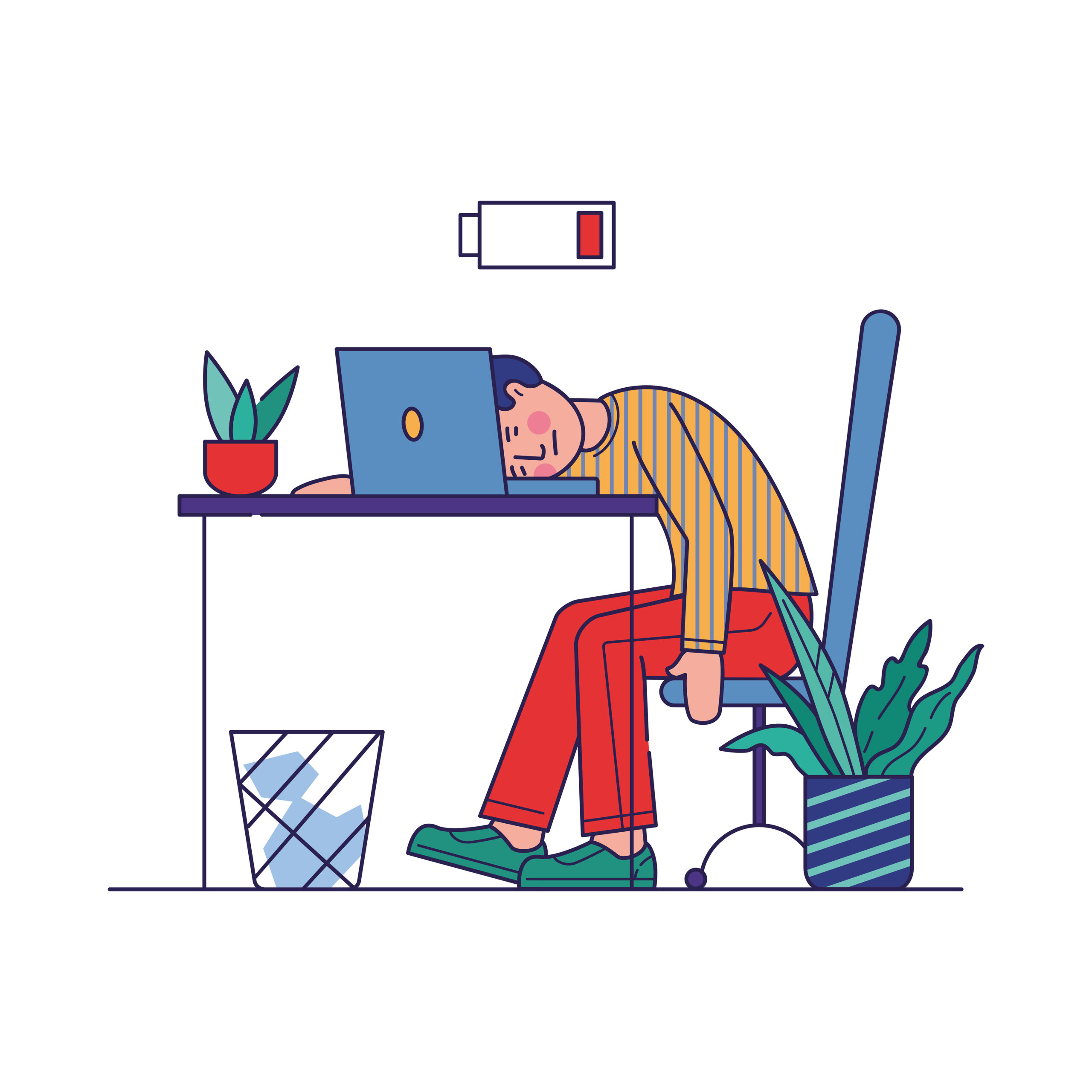
Creative fatigue happens when people see the same ad too many times and stop reacting to it. At first, your video earns clicks and comments. Then the audience gets bored. Click rates fall, and cost per result climbs. Meanwhile, your budget stays the same, so every rupee works harder for less. Think of it like a wedding song on repeat. You love it on day one. By day ten, you want to skip it. Ads follow the same pattern. Importantly, the ad did not suddenly become bad. Your audience just got tired of it. That is why fixing the offer or the targeting rarely helps. The real fix lies in giving people something new to look at.
1.2 What the Numbers Say
The numbers back this up. A 2022 Meta study suggested a 45% drop in performanceafter four exposures, as Jon Loomer reports.However, Loomer adds that the study comes with many caveats. So treat 45% as a warning sign, not a strict rule. Meta also builds the idea into Ads Manager. It shows a “Creative fatigue” label when your cost per result reaches at least twice your past levels. Before that, you may see a softer “Creative limited” tag. In other words, the platform itself admits that repeated ads wear out. Smart brands therefore plan for a steady supply of new creatives instead of hoping one video wins forever.
2. Why Your Ads Wear Out So Fast
2.1 Small Audiences and Repeated Views
Audience size plays a big role. Suppose you run remarketing ads for a Delhi skincare brand. The pool of people who visited your site is small. Therefore, the same shoppers see the same video again and again. Frequency climbs, and interest drops. Limited placements make this worse, because they shrink your reach further. Jon Loomer lists these causes in his guide. He also points out that narrow targeting speeds up the wear and tear. Festive seasons add pressure too. During Diwali, many brands fight for the same eyeballs, so familiar ads get skipped fast. Because of this, small audiences need a bigger library of fresh videos than most teams expect.
2.2 One Hero Ad and Too Few Variations
Many teams still hunt for a single hero ad. They spend weeks on one big shoot and then push it everywhere. That approach carries risk. When you run only one ad in an ad set, fatigue arrives sooner. Loomer suggests building ad sets from many ads that share the load instead. Likewise, tiny edits do not solve the problem. A new font or colour on the same hook still feels familiar to viewers. In fact, people notice the message first, not the styling. So variety must come from the idea itself, such as a new face, story, or problem. This is where UGC helps, because every creator brings a different voice.
3. How to Spot the Warning Signs Early
3.1 Metrics to Watch Every Week
You do not need fancy software to catch tired ads. Start with four numbers: click-through rate, frequency, cost per result, and conversion rate. Check them weekly, or every three days during a launch. First, look for a steady fall in click-through rate. Next, see whether frequency keeps rising while results stay flat. Then compare today’s cost per result with your best week. If it creeps toward double, act fast. Also, read the comments. Viewers often write something like “seen this ad again” before the dashboard shows trouble. As a result, your social team becomes an early warning system. Moreover, note the date each creative went live, so you know its age at a glance.
3.2 Do Not Wait for the Label
Meta’s labels are useful, but they arrive late. By the time you see creative fatigue in the Delivery column, cost per result has already doubled. The “Creative limited” tag shows up earlier, so treat it as your yellow light. Moreover, Loomer notes that Meta confirms fatigue only when performance drops and more impressions will not help. That means you carry the job of watching trends. So build a simple sheet with each creative, its launch date, and weekly numbers. Colour a row amber when click-through falls 25% from launch. Colour it red when cost per result doubles. The amber rule is a common rule of thumb, not an official Meta limit, so tune it yourself.

Amplify Your Brand,
One Influence at a Time.
4. Why UGC Works So Well in India
4.1 Trust Beats Polish
Indian shoppers listen to people like themselves. A Kantar report found that 67% of Indians trust influencer recommendations more than traditional ads, asexchange4media reports.That trust matters for tired audiences too. A real person talking about a real problem feels fresh, even when the product is familiar. Furthermore, UGC looks like content from a friend’s phone, so it blends into the feed. Polished studio ads can feel like ads. Viewers spot them, and they scroll on. A good UGC strategy uses this instinct. It gives you many honest voices, each with a different story, accent, and style. Consequently, your brand marketing feels like a conversation instead of a repeated announcement.
4.2 A Growing Creator Market
The supply of creators keeps growing, which helps you keep content fresh. The Goat Agency and Kantar published the India Influencer Marketing Report 2025. It valued the industry at ₹3,600 crore in 2024. Growth of 25% was projected for 2025, as Social Samosa reports.Behind those numbers sit many creators across cities, towns, and languages. For you, that means choice. You can brief a mom in Ludhiana, a gym trainer in Pune, and a student in Kochi. Each one tells a different story. Therefore, you can rotate fresh faces every week without repeating yourself. Platforms like Hobo.Video make this easier by connecting brands with a large creator base.
5. Building a Continuous UGC Strategy
5.1 Set a Fixed Refresh Rhythm
A continuous UGC strategy starts with a calendar, not a one-time shoot. Decide how many new videos you need each month, based on your spend and audience size. A small D2C brand might start with six to eight fresh videos. A larger advertiser may need many more. The point is to ship new creatives on a fixed rhythm, for example every week. That way, you replace tired ads before they hurt results. Order content in batches from five or six creators at a time. Then stagger the launch dates. This keeps creative fatigue from hitting every ad at the same time. Also, track each batch separately to see what lasts.
5.2 Brief Creators for Variety
Good briefs create good variety. Give creators the goal, the key message, and the must-haves, but let them choose the story. Ask each person to open with a different hook. One can start with a problem, another with a surprising result, and a third with a quick comparison. Also, mix formats. Try unboxings, reviews, tutorials, and day-in-the-life clips. Vary the language too, since Hindi, Tamil, and Bengali audiences respond to their own tone. As a result, every video feels like its own idea. Finally, collect raw footage when you can. Short clips let your editors build new cuts later, which stretches each shoot further. Always agree on usage rights in writing before you run paid ads.
5.3 Test Hooks Before You Scale
Not every video deserves a big budget. Run small tests first, with a modest spend per creative. Watch the first three seconds, because the hook decides everything. Compare hold rate, click-through rate, and cost per result. Then scale the winners slowly and keep testing new ones beside them. This habit protects you from betting everything on a single lucky video. It also gives you data on what your audience likes. Over time, you will see patterns, such as problem-first hooks beating price-first hooks. Use those patterns in your next creator briefs. Consequently, your UGC strategy gets sharper with every cycle, and your brand marketing team stops guessing.
5.4 Retire and Recycle Smartly
Retire ads based on data, not feelings. Pause a creative once frequency climbs and results slide together. However, do not delete it. A paused ad may work again after a few weeks, especially with a new audience. You can also recycle strong ideas. Take a winning hook and ask a new creator to reshoot it in their own style. Cut the best 15 seconds into a short version for Reels or Shorts. Add fresh captions or a new first line. This way, one good idea becomes many assets. Meanwhile, you keep a library of proven angles, ready whenever performance dips. Over a year, that library saves time and money.
6. Mistakes That Bring Fatigue Back
6.1 Changing the Look, Not the Idea
Brands often swap fonts, colours, or music and call it a new ad. Viewers see through this quickly. That approach only delays creative fatigue. If the hook and story stay the same, the audience still recognises the video. In fact, a dozen ads built on one hook can still tire people out. Real change needs a new angle, a new speaker, or a new problem. Ask yourself one question before approving any creative. Would a repeat viewer feel they are seeing something new? If the answer is no, send it back. This small check saves budget and keeps your campaigns healthy.
6.2 Ignoring Regional and Niche Audiences
India is not one market. A video that works in Mumbai may fall flat in Lucknow or Coimbatore. When brands run one language and one tone nationwide, repeat views pile up quickly. Regional creators solve this. They speak the local dialect, use familiar references, and show products in everyday homes. Likewise, niche creators give you new pockets of audience, from fitness to personal finance to parenting. Each new pocket reduces how often you hit the same viewers. As a result, you spread impressions across more people instead of hammering the same few. This is the quiet advantage of a wide creator network.
7. Conclusion: Key Takeaways
Creative fatigue is not a sign that your product or targeting has failed. It is a natural result of showing the same message to the same people. Indian audiences are quick to scroll past anything that feels repeated. You cannot stop it forever, but you can stay ahead of it. Watch your numbers weekly, build ad sets with many creatives, and refresh on a schedule. Above all, treat content as a flow, not a one-time project. A continuous UGC strategy gives you that flow, and it keeps your brand marketing honest and relatable. Here are the key learnings to carry forward.
- Watch frequency, click-through rate, and cost per result every week.
- Treat Meta’s “Creative limited” tag as an early yellow light.
- Build ad sets with many ads, not one hero video.
- Refresh with new creators on a fixed calendar.
- Brief for new hooks, formats, and languages, not new fonts.
- Test small, scale winners, and recycle proven ideas.
- Confirm usage rights in writing before running paid UGC.
About Hobo.Video
Hobo.Video is India’s leading AI-powered influencer marketing and UGC company. With over 2.25 million creators, it offers end-to-end campaign management designed for brand growth. The platform blends AI with human strategy to deliver maximum ROI.
Services include:
- Influencer marketing
- UGC content creation
- Celebrity endorsements
- Product feedback and testing
- Marketplace and seller reputation management
- Regional and niche influencer campaigns
Trusted by top brands like Himalaya, Wipro, Symphony, Baidyanath, and the Good Glamm Group.
Better strategy, better results, better brand growth.Let’s build.
If you’re tired of chasing brands, this is your sign.Register now.
Frequently Asked Questions
What is creative fatigue in simple words?
It is the drop in ad results that happens when people see the same creative too often. Clicks fall, and costs rise. The audience has not changed its mind about your product. They have simply seen the video too many times. Think of it as boredom with your ad, not with your brand. The fix is to rotate new content, new faces, and new hooks before the numbers slide too far.
How do I know my ads are tired?
Look for falling click-through rate, rising frequency, and higher cost per result. Meta also shows a “Creative limited” tag when cost per result is higher than before but under double. A stronger warning appears once it reaches double. Comments are another clue, because viewers often mention repeats. Check these signals weekly so you can act before results fall too far.
What is the difference between ad fatigue and a bad ad?
A bad ad performs poorly from day one. A fatigued ad starts well and then declines. Use this test: if new creative in the same audience restores results, you had fatigue. If new creative also struggles, check your offer, landing page, or targeting. The pattern over time tells you which problem you face.
How many times can people see an ad before it wears out?
No single number works for everyone. A 2022 Meta study pointed to a 45% performance drop after four exposures, but it comes with caveats. Other guides suggest watching weekly frequency near 2.5 to 3. Use these as rough guides only. Your own data matters more, so track how results change as frequency climbs in your account.
Can small brands afford a continuous UGC strategy?
Yes. UGC often costs less than studio shoots, and you can start with a handful of micro creators. Order small batches, test them, and put money behind the winners. Many creators also share raw clips you can edit into new cuts. Begin small, track results, and grow the programme as returns show up.

 Ankita Saha
 Sahil Singh