
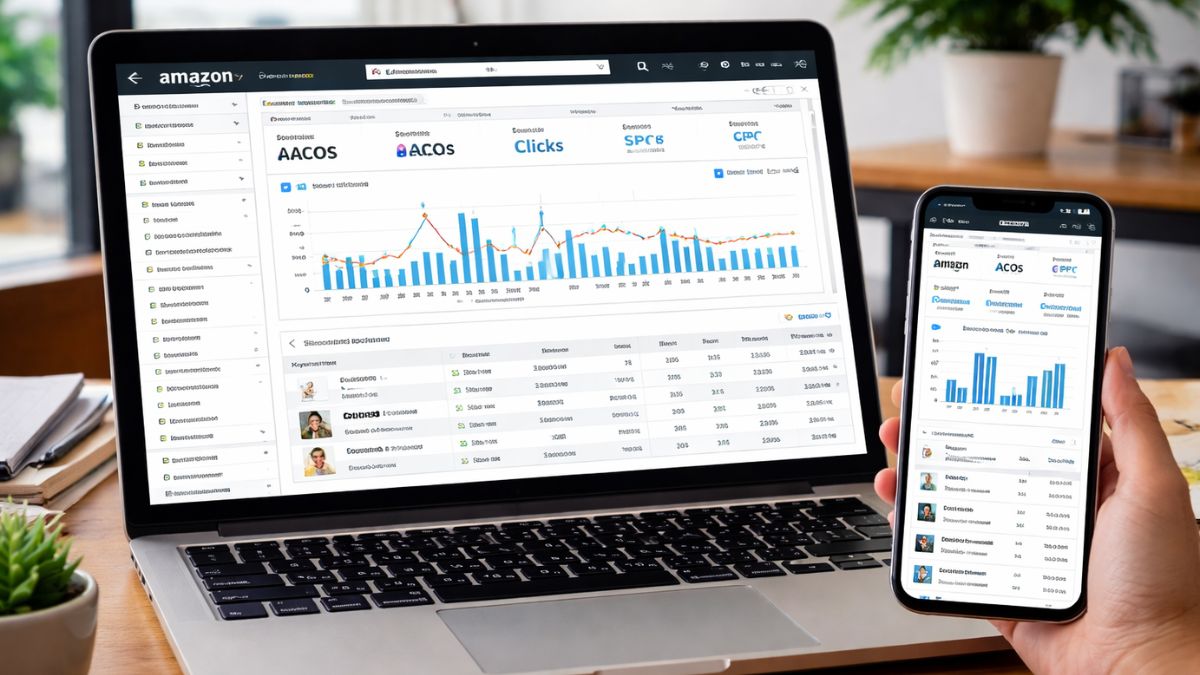
Advertising on Amazon can feel complicated at first. There are multiple options, terms, and strategies to understand. But with clear Amazon marketing tips, beginners can create campaigns that bring real traffic and sales efficiently. This guide explains everything step by step, from account setup to optimization, making it easy for beginners to start running ads confidently. You’ll learn key concepts like Amazon PPC tutorial, Sponsored products ads, Amazon ad campaign setup, and Amazon advertising optimization. Using these strategies, you can improve visibility, monitor performance, and scale campaigns for long-term growth. By applying these tips, your advertising efforts can become more strategic, cost-efficient, and profitable over time.
- 1. Understanding Amazon Advertising
- 2. Why You Should Use Amazon Ads
- 3. Types of Amazon Ads
- 4. Step-by-Step Guide: How to Run Amazon Ads for Beginners
- 5. Optimizing Your Amazon Ads
- 6. Advanced Amazon Marketing Tips
- 7. Common Mistakes Beginners Make
- 8. Measuring Success
- 9. Tips for Scaling Campaigns
- 10. Conclusion
- About Hobo.Video
1. Understanding Amazon Advertising
Advertising on Amazon allows sellers to promote products directly on the marketplace where people are already shopping. Unlike organic listings, ads place your products prominently in search results and product detail pages, increasing visibility and driving higher conversion rates. There are several ad types, including Sponsored products ads, sponsored brands ads, and Sponsored display ads, each suited for different goals. Learning the basics through an Amazon PPC tutorial helps beginners understand bidding, keyword targeting, and campaign management. Knowing the differences between ad types ensures efficient use of your budget. Even with a small daily spend, campaigns can provide actionable insights about shopper behavior, helping you improve listings, keywords, and ad content for better sales results.
2. Why You Should Use Amazon Ads
Running ads on Amazon offers clear benefits for sellers who want to increase product visibility and conversions. Ads appear in prominent locations, making it easier for shoppers to find your products. Amazon marketing tips highlight that campaigns not only boost exposure but also provide data for continuous optimization. Key advantages include higher conversion rates because ads target active buyers, better brand recognition through Sponsored Brands, and valuable analytics on impressions, clicks, and sales. For example, sellers using paid campaigns can measure performance using metrics like CTR and ACOS to refine their strategy. Reports from Statista show Amazon accounted for 41% of India’s e-commerce sales in 2025, demonstrating the platform’s massive potential for businesses looking to expand their reach through effective paid advertising.
3. Types of Amazon Ads
3.1 Sponsored Products Ads
Sponsored products ads are the simplest and most effective starting point for beginners. These ads appear in search results and product pages based on targeted keywords. By using an Amazon ad campaign setup, you can choose which products to promote, assign keywords, and set bids to control costs. Sponsored products help boost visibility and increase sales by reaching shoppers at the right moment. Beginners should monitor metrics such as clicks, impressions, and sales to understand performance. Optimizing these ads regularly ensures they remain efficient. For instance, using exact match and broad match keywords together allows you to test performance and refine targeting over time. This ad type is highly flexible and ideal for those just learning how to run Amazon ads for beginners.
3.2 Sponsored Brands Ads
Sponsored brands ads are designed to promote multiple products while featuring your brand logo and a custom headline. They appear at the top of search results, helping to increase brand awareness and attract shoppers to a broader range of products. Beginners can combine Sponsored brands ads with Sponsored products ads for a complete strategy. High-quality images, compelling headlines, and relevant keywords are crucial for success. Amazon provides reporting tools to track impressions, CTR, and conversions, allowing you to make informed decisions. Implementing Amazon advertising optimization strategies ensures campaigns remain effective. Sponsored brands ads are a powerful tool for sellers aiming to build credibility and long-term recognition while complementing other paid campaigns.
3.3 Sponsored Display Ads
Sponsored display ads allow sellers to retarget shoppers who have previously viewed their products or similar items. These ads can appear on Amazon product pages or external websites, bringing potential buyers back into the purchase funnel. Retargeting campaigns increase conversion opportunities for products that might otherwise be abandoned. Beginners can start with small budgets and gradually expand once they understand what works. These ads complement Sponsored products and Sponsored brands campaigns to create a full-funnel strategy. By following Amazon marketing tips, sellers can improve ROI through targeted ads, efficient spend, and continuous optimization. Display ads are particularly useful for boosting awareness and recapturing lost sales.
4. Step-by-Step Guide: How to Run Amazon Ads for Beginners
4.1 Account Setup
The first step is connecting your professional seller account toAmazon’s advertising platform. Navigate to the ad console and verify your business and payment details. Completing this ensures campaigns run smoothly without interruptions. Familiarizing yourself with the dashboard allows beginners to track performance and understand key metrics like clicks, impressions, and sales. Proper setup is the foundation of a successful Amazon PPC beginner guide step by step. Taking time at this stage prevents errors and ensures campaigns start with clear structure. With your account ready, you’re prepared to select products, set budgets, and launch campaigns that reach your target audience effectively.

Amplify Your Brand,
One Influence at a Time.
4.2 Product Selection
Choosing the right product is crucial for ad success. Start with items that have strong reviews, high ratings, and clear images. Products that inspire confidence are more likely to convert when exposed to shoppers. For example, a product with four-star ratings and professional photos often receives higher CTR. Avoid promoting products with limited reviews or poor quality, as this reduces ad effectiveness. Beginners should test campaigns with a few key products first to understand performance. Implementing Amazon marketing tips in product selection ensures ads attract the right audience and maximize conversions. Careful product selection reduces wasted ad spend while laying a strong foundation for campaign growth.
4.3 Keyword Research
Keyword researchensures your ads reach the right shoppers. Use Amazon’s suggestions or third-party tools to identify high-volume, relevant search terms. Build an Amazon ad keywords list with a mix of broad and exact match keywords to balance reach and precision. Focus on terms buyers actively use when ready to purchase. For example, “insulated water bottle stainless steel” targets shoppers likely to convert. Beginners conducting Amazon ads keyword research for beginners should regularly review search term reports to refine their keyword selection. Adding negative keywords prevents wasted spend on irrelevant searches. Thoughtful keyword research lays the foundation for successful campaigns, improved CTR, and higher ROI.
4.4 Campaign Creation
Start with Sponsored products ads for simplicity. Name your campaign clearly and set a reasonable daily budget, like ₹500–₹1,000. Choose manual targeting for control or automatic targeting to let Amazon optimize placement. Assign products and keywords, then launch your campaign. Monitor performance for the first week to gather actionable insights. Adjust bids and keywords based on results, using Amazon ad targeting tips for beginners. A structured approach ensures campaigns reach relevant customers without overspending. Early monitoring and incremental adjustments help beginners understand the platform while optimizing performance and cost-effectiveness.
4.5 Bidding Strategy
Bids determine how much you pay per click. Start with moderate amounts and adjust based on performance. Too high a bid wastes money; too low limits visibility. Track metrics like ACOS to measure efficiency. Gradually increase bids on top-performing keywords for better exposure. Learning bid management is part of mastering Amazon marketing tips and building campaigns that generate consistent returns. Proper strategy balances spend and ROI while giving beginners confidence in managing campaigns. Thoughtful bidding ensures budget is used effectively while maximizing the potential for conversions and sales growth.
5. Optimizing Your Amazon Ads
5.1 Monitoring Key Metrics
Regular monitoring of key metrics ensures campaigns perform efficiently. Track clicks, impressions, CTR, and ACOS to assess ad effectiveness. Low CTR may indicate irrelevant keywords or poor product appeal, while high ACOS signals overspending. Weekly review allows timely adjustments, helping maximize ROI. For example, a keyword driving clicks but few sales may need adjustment or replacement. Using these insights along with your Amazon ad keywords list ensures targeted campaigns reach the right audience, improving conversion potential. Monitoring is an ongoing process that keeps campaigns aligned with business goals and reduces unnecessary ad spend.
5.2 Keyword Optimization
Keyword optimization involves refining your Amazon ad keywords list by removing low-performing terms and adding effective new keywords. Balance broad and exact matches for reach and precision. Negative keywords prevent irrelevant traffic, saving budget. Continuous evaluation ensures campaigns stay relevant and cost-effective. Incorporating Amazon advertising optimization strategies strengthens ad performance, increases visibility, and boosts ROI. Optimized keywords help campaigns achieve higher CTR and conversions. Regular updates, guided by performance data, are essential for maintaining efficiency and improving ad profitability over time.
5.3 Budget Adjustment
Allocate your budget based on campaign performance. Increase funding for high-performing campaigns while reducing or pausing underperforming ones. Test smaller budgets for new initiatives before scaling. Flexibility allows maximum ROI while avoiding wasted spend. Aligning budget with campaign results ensures resources are used efficiently. Pairing adjustments with keyword optimization and bid management strengthens ad performance. Following Amazon marketing tips, beginners can maintain cost-effective campaigns that grow steadily while maximizing the impact of their investment.
5.4 Using Negative Keywords
Negative keywords prevent ads from appearing for irrelevant searches, improving targeting and reducing wasted spend. For instance, excluding “cheap” for premium products ensures quality shoppers are reached. Regularly updating negative keywords based on performance reports enhances ROI. Implementing negative keywords early in your campaigns ensures relevance and efficiency. Pairing this strategy with insights from an Amazon PPC tutorial keeps campaigns optimized for profitable traffic, contributing to long-term success and sustainable ad growth.
6. Advanced Amazon Marketing Tips
Once familiar with basic campaigns, advanced strategies enhance results:
- Test multiple ad types simultaneously for comprehensive coverage.
- Incorporate UGC Videos on product pages for authenticity and higher conversion.
- Monitor competitor campaigns to find improvement opportunities.
- Implement dayparting to target high-traffic hours.
- Use platforms like Hobo.Video for AI-driven insights and influencer marketing support.
Applying these strategies strengthens campaigns, improves visibility, and ensures your Amazon ads deliver higher ROI over time.
7. Common Mistakes Beginners Make
Common errors include skipping keyword research, launching too many campaigns, ignoring performance data, overbidding, and neglecting updates. Avoiding these pitfalls helps maintain efficiency and ROI. Beginners should focus on learning gradually, testing campaigns, and refining strategy based on metrics. Using Amazon marketing tips reduces wasted spend and prevents frustration. Structured experimentation and patience lead to better long-term results and build confidence in managing ad campaigns effectively.
8. Measuring Success
Effective ad measurementtracks performance over time rather than daily fluctuations. Use metrics such as clicks, impressions, CTR, and ACOS to guide decisions. For example, optimizing campaigns based on ACOS trends can improve profitability. Consistent monitoring helps identify winning keywords and campaigns. According to Jungle Scout, well-optimized Sponsored Products campaigns can increase sales by 25% for new sellers. Using insights from Amazon PPC beginner guide step by step, sellers can scale campaigns responsibly while ensuring cost-effectiveness and measurable growth.
9. Tips for Scaling Campaigns
Scaling campaigns involves gradual expansion based on performance. Add new keywords based on successful terms, increase budgets slowly, and test additional ad types like Sponsored Brands. Collaborate with top influencers in India through Hobo.Video to strengthen campaigns and product launches. Conduct weekly reviews to ensure campaigns remain profitable and relevant. Scaling focuses on growing reach and sales without overspending or losing campaign efficiency. Following Amazon marketing tips helps achieve sustainable growth while improving long-term advertising outcomes.
10. Conclusion
- Begin with a clear Amazon ad campaign setup.
- Select high-quality products with strong listings.
- Conduct thoughtful keyword research and maintain an Amazon ad keywords list.
- Monitor campaigns and optimize regularly.
- Incorporate UGC Videos and influencer marketing for better engagement.
- Scale campaigns gradually based on performance.
About Hobo.Video
Hobo.Videois India’s leading AI-powered influencer marketing and UGC company. With over 2.25 million creators, it offers end-to-end campaign management designed for brand growth. The platform blends AI with human strategy to deliver measurable ROI.
Services include:
- Influencer marketing
- UGC content creation
- Celebrity endorsements
- Product feedback and testing
- Marketplace and seller reputation management
- Regional and niche influencer campaigns
Trusted by brands like Himalaya, Wipro, Symphony, Baidyanath, and the Good Glamm Group.
Don’t guess your way to brand growth. Let’s do it right.Talk to us.
If you’re an influencer ready to work with brands that match your vibe,start here.
FAQs
How much should I spend initially?
Start small, ₹500–₹1,000 daily.
Best ad type for beginners?
Sponsored products ads.
How long to see results?
Usually 7–14 days.
Need expensive keyword tools?
Optional; Amazon tools are sufficient.
Can I reuse keywords for multiple products?
Yes, monitor performance.
What is ACOS?
Measures ad cost vs. generated sales.
Automatic or manual campaigns?
Automatic for beginners, manual for control.
Influencer marketing impact?
Increases engagement via AI UGC and influencer campaigns.
How often should I update campaigns?
Weekly reviews are ideal.
Is UGC valuable?
Yes, it builds trust and increases conversions.

 Vishnumaya