
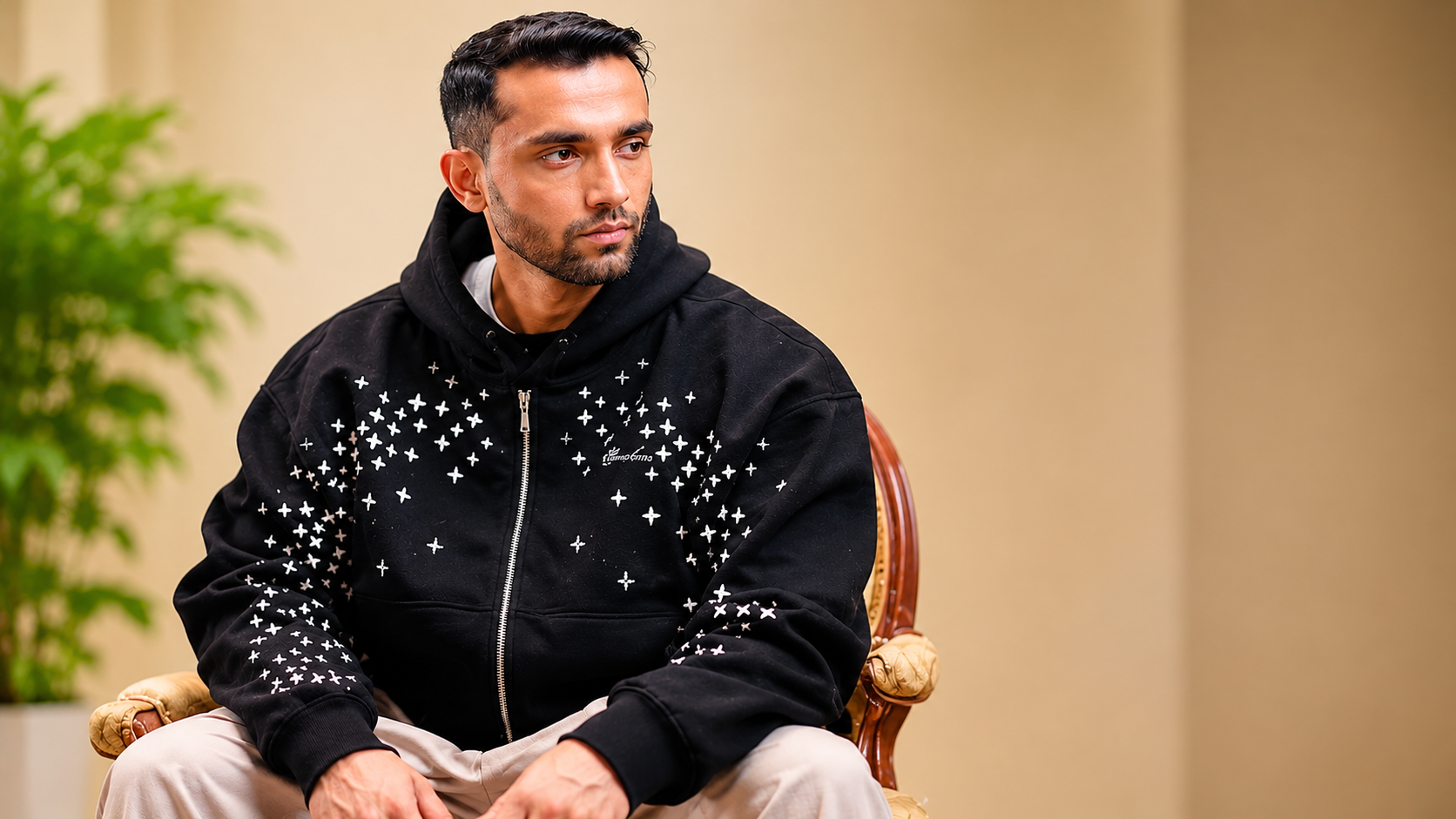
The journey of Major Rishabh Singh Sambyal offers an interesting lesson for India’s changing creator economy. His popularity did not begin with product reviews, entertainment videos or planned influencer campaigns. Instead, people first noticed him through his professional appearances as an Indian Army officer. His role as Aide-de-Camp to President Droupadi Murmu brought him into public view. Social media then turned that visibility into widespread recognition. Today, Major Rishabh Singh Sambyal influencer marketing conversations reflect a different kind of creator journey. His professional background created public interest before traditional content creation became part of his career. Consequently, brands now see opportunities in a personality whose recognition developed outside the usual influencer route.
His story also raises an important question for marketers. Can professional credibility create a stronger starting point for brand partnerships than follower growth alone? The answer requires more than looking at social media numbers. Brands must understand why audiences recognise a personality, what that recognition represents and whether it connects with their products. Sambyal’s transition offers a timely example. It shows how public identity, audience curiosity and professional experience can create commercial possibilities.
After approximately 12 years in the Indian Army, Sambyal took premature retirement in August 2026. He had served with the 4 Para Special Forces and later became the President’s ADC. News reports also highlighted his growing popularity online. His subsequent commercial associations have included streetwear, skincare and hygiene campaigns.
This transition matters beyond one personality. It demonstrates how audiences can develop interest in professionals before they become creators. It also challenges brands to rethink talent discovery. Instead of looking only at famous Instagram influencers, marketers can explore people with recognised expertise, distinct life experiences and meaningful public identities.
For brands, the opportunity is not simply to borrow popularity. It is to build relevant communication around genuine credibility. For creators, the lesson concerns trust, consistency and responsible storytelling. Meanwhile, agencies must understand how to connect a person’s background with a brand’s actual promise.
1. How Major Rishabh Singh Sambyal Built Recognition Before Entering the Creator Economy
1.1 A professional identity that attracted public attention
Sambyal’s public recognition developed through his military career. He first drew wider attention during the 2021 Republic Day Parade. At that time, he served as a Captain in the Jat Regiment and led its marching contingent. The contingent later received the Best Marching Contingent Trophy. This achievement created a professional milestone before social media popularity became part of his public identity.

Amplify Your Brand,
One Influence at a Time.
His career later included service with 4 Para Special Forces. He subsequently became an Aide-de-Camp to President Droupadi Murmu in March 2023. The role brought him into public view during official engagements, ceremonies and visits. Photographs and short videos from these appearances circulated widely online. As a result, audiences began recognising him beyond the military and official settings.
This sequence is important because it differs from a typical influencer journey. Most creators build visibility through regular publishing, collaborations and audience interaction. Sambyal attracted attention through a professional role first. Social media amplified that recognition afterwards. Therefore, his story offers brands another way to understand how public interest can develop.
1.2 The role of visibility and audience curiosity
People often discover public personalities through unexpected moments. A photograph, a short video or a memorable public appearance can trigger widespread discussion. However, the reason people continue following someone may extend beyond that first moment.
Sambyal’s appearances alongside President Murmu became widely shared online. Audiences discussed his presence, professional position and composed public manner. Some social media users also used the phrase “national crush” to describe the attention surrounding him. That label reflected online conversation rather than a formal professional achievement.
This distinction matters for brands. Viral attention can introduce a personality to millions of people. Yet attention alone does not establish long-term audience trust. Marketers must examine whether people remain interested after the viral moment passes.
In Sambyal’s case, the transition into public-facing opportunities suggests that recognition created room for further engagement. However, brands should not assume that every viral personality can build a sustainable creator career. Consistent communication, relevant content and a clear public identity remain essential.
1.3 Professional credibility can create a different kind of audience relationship
Traditional influencer marketing often begins with content. A creator publishes regularly, develops a niche and attracts followers through entertainment or information. Over time, audiences learn the creator’s style and personality. Brands then assess whether that audience matches their target customers.
Professional-led personalities can enter the process differently. Their initial recognition may come from a career, skill or public responsibility. Their audience may already associate them with discipline, leadership, expertise or a particular achievement.
That association can create a distinct starting point for brand communication. For example, a former athlete may connect naturally with sports equipment. A chef may offer relevant knowledge for a food brand. A retired military professional may speak about preparation, teamwork or personal discipline.
However, brands must avoid treating professional history as automatic product expertise. A military background does not make someone an expert in every product category. Instead, campaigns should identify genuine connections between the person’s experience and the product.
This is where Major Rishabh Singh Sambyal influencer marketing becomes a useful case study. His public identity existed before commercial partnerships. Brands therefore had an opportunity to connect their messaging with an established story rather than manufacture a new personality.
1.4 From institutional visibility to an independent public identity
A professional role and a personal brand are not the same thing. An institutional position comes with responsibilities, boundaries and expectations. A personal brand develops through an individual’s choices, communication and public activities.
Sambyal’s retirement in August 2026 marked a significant change in this relationship. He moved from active military service into a new professional chapter. Reports described his interest in content creation, public engagements and brand associations.
For audiences, this transition creates a different reason to follow him. They can now see how a recognised professional explores opportunities beyond his former role. For brands, it creates a chance to work with a personality who has an established public identity.
Still, this transition requires care. A brand must distinguish Sambyal’s personal views from his former institutional position. Campaigns should not imply that the Indian Army or the President endorses a commercial product. Clear communication protects both the individual and the brand.
2. How Professional Credibility Is Creating New Brand Opportunities
2.1 Bonkers Corner connects personal identity with streetwear
One of Sambyal’s visible commercial associations has been with homegrown streetwear label Bonkers Corner. The brand introduced a dedicated collection under the Maj Rishabh (Retd.) x Bonkers identity. Reports described products including hoodies, shirts and a canvas jacket. The collaboration also featured actor Anushka Sen.
The campaign offered a clear positioning opportunity. Sambyal’s earlier public image involved a formal uniform and a disciplined professional environment. Streetwear offered a contrasting visual setting. The partnership could therefore introduce a new side of his public identity.
The reported campaign positioning, “Earned, not borrowed”, also connected the collection with his professional journey. This is a useful example of narrative-led brand communication. Instead of relying only on a familiar face, the campaign could draw meaning from the person’s background.
For marketers, the lesson is simple. A collaboration becomes more interesting when the creator’s story supports the product’s message. However, the connection must feel natural. A brand should not force a professional biography into a product category without a clear creative reason.
2.2 Minimalist brings professional visibility into men’s skincare
Sambyal’s reported association with skincare brand Minimalist expanded his commercial presence into another category. The brand used him for a Men’s Day campaign focused on men’s grooming and self-care. This choice offered a different communication opportunity from streetwear.
Men’s skincare brands often need to make product education feel accessible. Some consumers may still see skincare as complicated or unnecessary. A recognisable male personality can help make the conversation more approachable.
However, the value of such a partnership depends on the campaign’s execution. A personality should not make unsupported claims about product performance. The communication should explain the product clearly and use accurate information.
For brands, the important question is not whether a personality looks suitable for a category. It is whether the person’s audience and public identity support the campaign’s message. Sambyal’s participation created an opportunity to connect his public profile with a broader discussion around grooming.
This also shows why professional credibility should be treated as a communication asset, not a substitute for product evidence. The brand remains responsible for substantiating its claims.
2.3 Pee Safe uses a familiar personality for a public hygiene message
Sambyal’s reported collaboration with hygiene brand Pee Safe adds another dimension to the discussion. The campaign appeared ahead of World Toilet Day and promoted toilet-seat sanitisation in shared public restrooms. Its message encouraged people across genders to adopt hygiene habits.
This category requires a clear and practical message. Consumers need to understand the problem, the product’s purpose and how to use it. A familiar personality can help draw attention. Yet the campaign must still explain the behaviour it wants audiences to adopt.
The association also demonstrates how a professional public image can support communication beyond fashion or lifestyle. Hygiene is a practical subject. It benefits from straightforward messaging and relatable demonstrations.
For marketers, the opportunity lies in matching the person’s visibility with the campaign’s objective. A celebrity-style appearance may attract views. However, a strong campaign also needs a memorable message and a clear action.
The reported associations across streetwear, skincare and hygiene show that brands are exploring Sambyal’s appeal in different categories. They do not, by themselves, prove sales impact or campaign effectiveness. Those outcomes require separate performance evidence.
2.4 Why brands are looking beyond conventional influencers
The creator economy has become more varied. Brands no longer work only with entertainers, fashion creators and lifestyle vloggers. They increasingly consider professionals, subject experts, athletes, founders and niche community voices.
This shift reflects a broader marketing need. Audiences want content that feels relevant to their interests and questions. A professional can sometimes explain a subject with greater context than a general entertainment creator.
For example, a fitness coach may discuss exercise routines. A financial educator may explain basic money concepts. A chef may demonstrate cooking techniques. A former military officer may share personal lessons about preparation and discipline, provided the content stays within appropriate boundaries.
However, expertise and popularity should remain separate evaluation factors. A professional background does not automatically guarantee communication skills. Similarly, a large audience does not prove subject knowledge.
The strongest partnerships bring together relevance, trust and clear communication. This is why Major Rishabh Singh Sambyal influencer marketing offers a useful lens for understanding the growing interest in professionals as brand partners.
2.5 The difference between professional credibility and borrowed authority
Brands often use a person’s background to create a sense of trust. This can work when the connection is genuine and transparent. However, it can become misleading when a campaign implies authority that the person does not hold.
A retired officer can discuss personal experiences from his career. That does not make him a medical expert, financial adviser or product engineer. Similarly, a brand cannot imply official military approval simply because a former officer appears in its advertisement.
This distinction matters in every professional-led campaign. Brands should review the claims, imagery and language used in the creative. They should also confirm that the person’s former role is described accurately.
The campaign should never suggest institutional endorsement without clear authorisation. It should avoid sensitive operational details and respect confidentiality. It must also comply with relevant advertising and endorsement rules.
Professional credibility can strengthen a campaign. However, responsible communication protects that credibility. Brands that use a person’s history carefully are more likely to build trust than those that exaggerate it.
3. What Sambyal’s Audience and Monetization Reveal About the Creator Economy
3.1 Follower count is only one part of audience value
A large following can make a creator attractive to brands. Yet follower count alone cannot explain the quality of an audience relationship. Marketers should also examine engagement, audience relevance, content consistency and the reasons people follow someone.
Exchange4Media reported that Sambyal’s Instagram account had approximately 2.5 million followers in November 2026. The same report cited an engagement rate of 6.54%, average likes of around 497,509 and approximately 1,900 comments. These figures were reported for a specific period and should not be treated as permanent account metrics.
These figures provide useful context. However, brands should examine the underlying data before making campaign decisions. They should check audience geography, age distribution, follower authenticity and engagement patterns.
A creator with fewer followers may still offer a stronger match for a specialised campaign. Meanwhile, a large account may provide broad awareness but weaker category relevance.
Therefore, marketers should ask what the audience expects from the personality. That question often matters more than the headline follower number.
3.2 Paid subscriptions show a different form of audience participation
Sambyal also introduced paid Instagram subscriptions after leaving the Army. Reports in September 2026 described subscription pricing of ₹180 per month on Android and ₹199 on iPhone. The offering included subscriber-only content and interactions.
Exchange4Media later reported 2,258 subscribers at a listed price of ₹180 per month in November. Using those reported figures, the gross monthly value would be approximately ₹4.06 lakh. This is a simple calculation, not verified take-home income. It excludes platform fees, taxes, cancellations and other deductions.
Paid subscriptions matter because they show a different form of participation. Followers can choose to pay for additional access or content. This indicates that some audience members value the relationship enough to support it financially.
However, subscriptions do not prove that followers will purchase every advertised product. Brands should treat paid community participation as one audience signal, not a guarantee of sales.
3.3 Recurring revenue can reduce dependence on brand campaigns
Traditional influencer income often depends on campaign availability. A creator may receive payment for a sponsored post, video or brand appearance. However, the number of opportunities can change from month to month.
Subscriptions offer another possible revenue stream. A creator can provide exclusive content, early access or direct interactions. In return, interested followers pay a recurring fee.
This model requires a clear value proposition. People need a reason to remain subscribed. That reason may include useful information, personal stories, community access or regular exclusive content.
Sambyal’s reported subscription offering included exclusive posts and interactive features. Coverage also described coaching-related content and opportunities for followers to engage with him. These details show how a public personality can explore community-based monetisation after a career transition.
Nevertheless, subscription revenue requires ongoing effort. Creators must deliver content consistently and manage audience expectations. A paid community can strengthen a personal brand, but only when the experience justifies the payment.
3.4 Audience trust does not automatically transfer to product trust
A follower may admire someone’s professional journey. That does not mean they automatically trust every product associated with that person. The brand still needs to demonstrate product quality, usefulness and value.
This distinction is important when a personality moves across categories. A follower may enjoy Sambyal’s public content but have little interest in skincare. Another may appreciate the streetwear collection but not need hygiene products.
Therefore, brands should evaluate the overlap between audience interests and product demand. They should also test whether the campaign message feels credible to followers.
A useful campaign can introduce a product without pretending that the creator has used it for years. Honest disclosure and accurate claims protect both parties.
Creators should also understand the products they promote. They need enough information to explain the product clearly. If a campaign involves technical, health or safety claims, the brand must provide suitable evidence and review.
3.5 What marketers should learn from these numbers
The reported figures around Sambyal’s audience create several useful questions for marketers. They show why campaign evaluation should go beyond follower count. They also highlight the difference between reach, engagement and paid participation.
Brands should assess:
- Audience size: How many people follow the account?
- Audience relevance: Do followers match the intended customer group?
- Engagement quality: Do comments and interactions show genuine interest?
- Content consistency: Does the creator publish regularly and maintain a clear identity?
- Paid participation: Do followers choose to pay for additional content?
- Brand fit: Does the product connect naturally with the creator’s public identity?
- Campaign outcomes: Does the partnership influence awareness, consideration or sales?
These questions create a more complete picture. They also prevent teams from making decisions based on one impressive number.
For Major Rishabh Singh Sambyal influencer marketing, the most useful insight is not simply the size of his following. It is the combination of public recognition, professional background, audience curiosity and new commercial activity.
4. How Brands Can Work with Professionals and Public Personalities Responsibly
4.1 Start with the person’s real audience relationship
Before approaching a professional personality, brands should understand why people follow them. They should study the content that receives meaningful responses. They should also identify the themes that audiences expect from the person.
This process helps marketers avoid shallow partnerships. A brand should not choose someone only because their profile looks impressive. It should understand the audience relationship behind that visibility.
For example, a professional may attract followers through leadership lessons. Another may be known for technical knowledge. A third may have a strong public identity linked to sports or social work.
The campaign should respect that context. If the product has no natural connection, the partnership may feel forced. In contrast, a relevant collaboration can introduce the brand without changing the personality’s identity.
This approach also helps agencies build better briefs. They can explain why the creator fits the campaign and what the audience should take away.
4.2 Match the campaign objective with the creator’s strengths
Different creators serve different campaign needs. Some are strong at storytelling. Others explain products clearly or create entertaining content. Professional personalities may bring specific experience or a recognisable public identity.
Brands should define the objective before selecting the format. An awareness campaign may use a short video or a public appearance. A product education campaign may require a detailed demonstration. A community campaign may benefit from a live session or subscriber interaction.
The creative should also respect the creator’s natural communication style. A formal professional may not need to imitate a comedian or lifestyle vlogger. Instead, the brand should build a concept around the person’s strengths.
This is where campaign planning becomes important. Agencies should align the audience, message, format and distribution plan. They should also establish what success will look like before publishing begins.
4.3 Build a clear and responsible campaign brief
A good brief protects both the brand and the creator. It explains the product, target audience, campaign objective and key message. It also sets clear expectations for deliverables, timelines and approvals.
Professional-led campaigns need additional care. The brief should describe the person’s background accurately. It should avoid implying that a former employer or institution supports the brand.
Brands should also define prohibited claims and sensitive topics. This matters when the creator’s previous career involved public service, security or confidential work.
A responsible brief should include:
- Campaign objective and target audience.
- Product information and approved claims.
- Required content formats and deliverables.
- Key messages and disclosure requirements.
- Usage rights and licensing duration.
- Approval stages and revision limits.
- Publication dates and reporting expectations.
- Topics or representations the campaign must avoid.
Clear expectations reduce misunderstandings. They also allow creators to produce content that feels authentic without compromising accuracy.
4.4 Measure campaign outcomes beyond likes and views
Views and likes can help brands understand initial response. However, they do not explain every campaign outcome. A brand should select metrics based on its objective.
If the campaign aims to build awareness, marketers should focus on reach and brand recall. For sales-driven campaigns, qualified traffic and conversions offer clearer measures of success. Meanwhile, content-focused campaigns should track usable assets, production costs and licensing expenses.
For professional-led campaigns, audience sentiment may also provide useful context. Marketers can examine whether comments reflect interest in the product or only the personality. They can also compare brand searches and website traffic during the campaign.
However, brands should avoid claiming that a campaign caused every change. Other advertising, seasonal demand and external events may influence results.
A structured measurement plan helps teams separate observed performance from assumptions. It also gives brands a better basis for future partnerships.
4.5 Protect reputation through disclosure and transparent communication
Influencer partnerships involve a relationship of trust. Audiences should understand when a creator has received payment, products or another benefit for promoting a brand.
In India, the Advertising Standards Council of India provides guidelines for influencer advertising disclosures. Its guidance explains the need for clear and prominent labels when material connections exist.
Brands should ensure that creators use appropriate disclosure labels. They should also review claims for accuracy. A campaign must not imply personal product experience when none exists.
These safeguards become especially important when the creator has a professional background. The audience may connect that background with qualities such as discipline or responsibility. Misleading advertising can damage that trust quickly.
Transparent communication protects the creator’s reputation and the brand’s credibility. It also makes the partnership easier for audiences to understand.
4.6 Avoid turning professional history into a marketing costume
A professional background should not become a decorative campaign theme. Brands must treat a person’s career with respect. This is particularly important when the work involved public service or national institutions.
For example, a campaign should not use military imagery simply because a former officer appears in the advertisement. The creative should have a clear reason for using such references. It should also avoid implying official endorsement.
The same principle applies to other professions. A doctor should not be used to make unsupported health claims. A financial professional should not promote misleading investment promises. An athlete should not be presented as a technical expert outside their experience.
The creator’s background can provide context. It cannot replace product evidence or legal review.
Responsible brands understand this difference. They build campaigns around genuine connections rather than borrowed authority.
5. What This Transition Means for Creators, Agencies and Influencer Marketing in India
5.1 Creators can build opportunities around experience, not only entertainment
The creator economy often celebrates entertainers, comedians and lifestyle personalities. However, audiences also seek practical knowledge and real experiences. Professionals can contribute to these conversations when they communicate responsibly.
A person may build content around career lessons, personal development or specialised knowledge. They may also share stories about challenges and transitions. These themes can attract audiences who want more than entertainment.
Sambyal’s transition demonstrates how a professional identity can create a starting point for a new public career. His reported brand associations and subscription offering show different routes to monetisation.
However, creators should not assume that a strong professional background guarantees success. They still need to understand platforms, audience expectations and content formats. They must also develop a consistent publishing approach.
The opportunity lies in combining experience with communication. A professional who can explain ideas clearly may build a distinct creator identity.
5.2 Agencies need to look beyond conventional creator categories
Agencies often organise creators into familiar categories. These may include fashion, beauty, travel, comedy, fitness and food. Such categories help teams search for talent quickly.
However, they can also limit discovery. Some personalities do not fit neatly into traditional influencer segments. Their appeal may come from professional achievement, public service, entrepreneurship or a unique personal journey.
Agencies should therefore expand their talent evaluation process. They can assess expertise, public recognition, audience interest and communication ability. They should also examine whether the person can support the campaign objective.
This does not mean every professional needs to become an influencer. Some may be better suited to interviews, event appearances or specialist content. Others may prefer limited partnerships rather than regular sponsored posts.
The right format depends on the person and the campaign. Agencies that understand this difference can create more relevant partnerships.
5.3 Brands should distinguish fame from category influence
A personality may have millions of followers without influencing every purchase category. This is a basic but important distinction.
For example, a popular public figure may attract attention for their personal story. Yet their audience may not consider them a reliable source for skincare advice. A brand must understand that difference before planning a campaign.
Category influence depends on relevance and audience expectations. It may come from experience, regular content or a strong connection with the product. It does not always require a massive following.
Brands should therefore evaluate the creator’s relationship with the category. They should examine audience questions, previous content and the likely role of the collaboration.
Sambyal’s reported associations across fashion, skincare and hygiene demonstrate how brands are exploring his broader public appeal. However, each category still needs its own creative rationale and performance assessment.
5.4 Regional and niche creators remain important
India’s creator ecosystem is not limited to national celebrities. Regional creators and niche communities can offer strong audience connections. They often understand local language, culture and buying habits.
A brand entering a new market may benefit from creators who already communicate with that audience. Their reach may be smaller than a national personality’s. However, their content can feel more relevant to local consumers.
Professional credibility can also exist at the regional level. A local entrepreneur, teacher, coach or community expert may have strong recognition within a specific audience.
Brands should not assume that only famous Instagram influencers can create useful campaigns. The right creator depends on the objective and audience.
This is particularly relevant to influencer marketing India strategies. Brands need a mix of national visibility, regional understanding and specialist communication.
5.5 How to become an influencer when your background is not entertainment
People with professional experience may wonder how to become an influencer. They do not necessarily need to copy established entertainers. Instead, they can begin with subjects they understand and audiences they want to help.
A practical starting point includes:
- Identify the experience or knowledge you can share responsibly.
- Choose a clear audience and content theme.
- Publish useful content consistently.
- Explain complex subjects in simple language.
- Respond to audience questions and feedback.
- Avoid claims beyond your expertise.
- Build trust before seeking commercial partnerships.
- Review performance and improve your content formats.
Professional creators should also understand disclosure rules and brand contracts. They need to know how companies may use their content. Usage rights, exclusivity and payment terms deserve careful attention.
A professional background can create a point of difference. However, long-term growth still depends on relevance, consistency and audience trust.
5.6 AI and creator platforms can support better campaign planning
Technology can help brands discover creators, organise campaign information and review performance. AI influencer marketing tools may support profile analysis and audience matching. They can also help teams identify patterns across large creator networks.
However, automated scores should not replace human evaluation. A tool may identify a creator with high engagement. It may not understand the full context behind that person’s public identity.
AI UGC tools can also help organise video assets and support content workflows. Yet brands still need permission, accurate product information and human review. Automation cannot make an unsuitable endorsement relevant.
A best influencer platform should support creator discovery, campaign management and transparent reporting. It should also help brands maintain clear records of content rights and deliverables.
For campaigns involving professional personalities, human judgement remains essential. Teams must understand the person’s background and the audience’s expectations. Technology can make the process more efficient, but strategy gives it direction.
5.7 The wider lesson for India’s influencer marketing industry
Sambyal’s career transition highlights a broader change in how brands think about influence. A creator does not always begin as a content producer. Sometimes, a professional identity attracts attention first. Content and commercial opportunities develop later.
This creates new choices for brands. They can explore talent from different professions and communities. They can also build campaigns around expertise, personal journeys and audience trust.
However, the industry must avoid confusing popularity with credibility. It should not assume that every public personality is suitable for every product. Nor should it use professional history to imply unsupported authority.
The most useful partnerships connect three things: the person’s real identity, the audience’s interests and the brand’s promise. When these elements align, the campaign has a stronger foundation.
Major Rishabh Singh Sambyal influencer marketing discussions therefore point towards a wider opportunity. India’s creator economy can include people whose influence comes from experience as much as entertainment. Brands that recognise this shift may discover new voices and more meaningful campaign ideas.
Conclusion: Professional Credibility Can Open New Doors in Influencer Marketing
Major Rishabh Singh Sambyal’s transition from military service to public-facing commercial opportunities offers a distinctive case study. His recognition developed through professional appearances before brands entered the picture. Social media amplified that visibility, while later partnerships introduced him to fashion, skincare and hygiene audiences.
His journey does not prove that professional credibility guarantees commercial success. Instead, it shows how an established public identity can create new opportunities. Brands still need category relevance, accurate claims and responsible campaign planning. Creators need to protect audience trust while developing their independent identities.
The reported figures also offer useful context. Exchange4Media cited approximately 2.5 million Instagram followers and a 6.54% engagement rate in November 2026. The report also described a paid subscriber base of 2,258. These figures show audience interest, but they do not independently establish product sales or campaign return on investment.
For brands, the key lesson is to look beyond follower count. A professional personality may offer a distinct story and a recognised identity. Yet the partnership must make sense for the audience and product.
For creators, the opportunity lies in turning real experience into useful communication. For agencies, it means discovering talent beyond conventional categories. Ultimately, Major Rishabh Singh Sambyal influencer marketing offers a reminder that influence can begin long before someone calls themselves a creator.
Key Learnings for Brands, Creators and Agencies
- Professional credibility can create visibility: Public recognition may develop through work, achievement or service before content creation begins.
- Audience trust needs protection: Popularity does not automatically transfer to every product or category.
- Brand fit matters: A partnership should connect the person’s identity with the product’s actual value.
- Professional history needs respectful treatment: Never imply institutional endorsement without authorisation.
- Follower count is not the whole story: Examine engagement, audience relevance and content quality.
- Subscriptions offer another revenue path: Paid communities can support recurring income when creators provide ongoing value.
- Campaign objectives should guide creator selection: Awareness, education and sales require different formats and metrics.
- Disclosure remains essential: Audiences should clearly understand commercial relationships.
- Agencies should widen talent discovery: Professionals and niche voices can offer relevant communication opportunities.
- Long-term credibility takes consistency: Trust grows through honest content and responsible partnerships.
About Hobo.Video
Hobo.Video is India’s leading AI-powered influencer marketing and UGC company. With over 2.25 million creators, it offers end-to-end campaign management designed to support brand growth. Its approach combines AI capabilities with human strategy to help brands plan and manage campaigns.
Its services include:
- Influencer marketing
- UGC content creation
- Celebrity endorsements
- Product feedback and testing
- Marketplace and seller reputation management
- Regional and niche influencer campaigns
Hobo.Video works with leading brands such as Himalaya, Wipro, Symphony, Baidyanath and the Good Glamm Group. It helps brands connect with creators and develop campaigns around audience needs, content quality and measurable objectives.
Visit Hobo.Video to explore influencer marketing and UGC solutions for your next campaign.
If you’re ready to grow your brand smartly, we’re right here. Let’s connect.
We’re a growing community of creators doing big things you in? Join now.
Frequently Asked Questions
Who is Major Rishabh Singh Sambyal?
Major Rishabh Singh Sambyal is a retired Indian Army officer who previously served as Aide-de-Camp to President Droupadi Murmu. He also served with 4 Para Special Forces and led the Jat Regiment contingent at the 2021 Republic Day Parade. His public appearances attracted significant social media attention. Following his retirement in August 2026, he began exploring new public-facing and commercial opportunities.
Why did Major Rishabh Singh Sambyal become popular on social media?
Sambyal attracted public attention through his appearances during official engagements with President Droupadi Murmu. Photographs and videos circulated widely across social platforms. His professional role and public presence generated curiosity among online audiences. Social media users began discussing him beyond his military career. This visibility later created opportunities for content creation and brand associations.
What is Major Rishabh Singh Sambyal’s connection with influencer marketing?
Sambyal’s transition into brand partnerships offers an example of professional credibility entering the creator economy. His recognition developed through his military career rather than a traditional content strategy. After retirement, reports described associations with Bonkers Corner, Minimalist and Pee Safe. His journey shows how public recognition can create commercial opportunities beyond conventional influencer routes.
When did Major Rishabh Singh Sambyal retire from the Indian Army?
News reports stated that Sambyal took premature retirement in August 2026 after approximately 12 years of service. Before retirement, he had served with 4 Para Special Forces and as Aide-de-Camp to President Droupadi Murmu. His retirement marked a new professional chapter. Subsequent coverage discussed his interest in brand partnerships, content creation and public engagements.

 Neeti Katyal