
Introduction
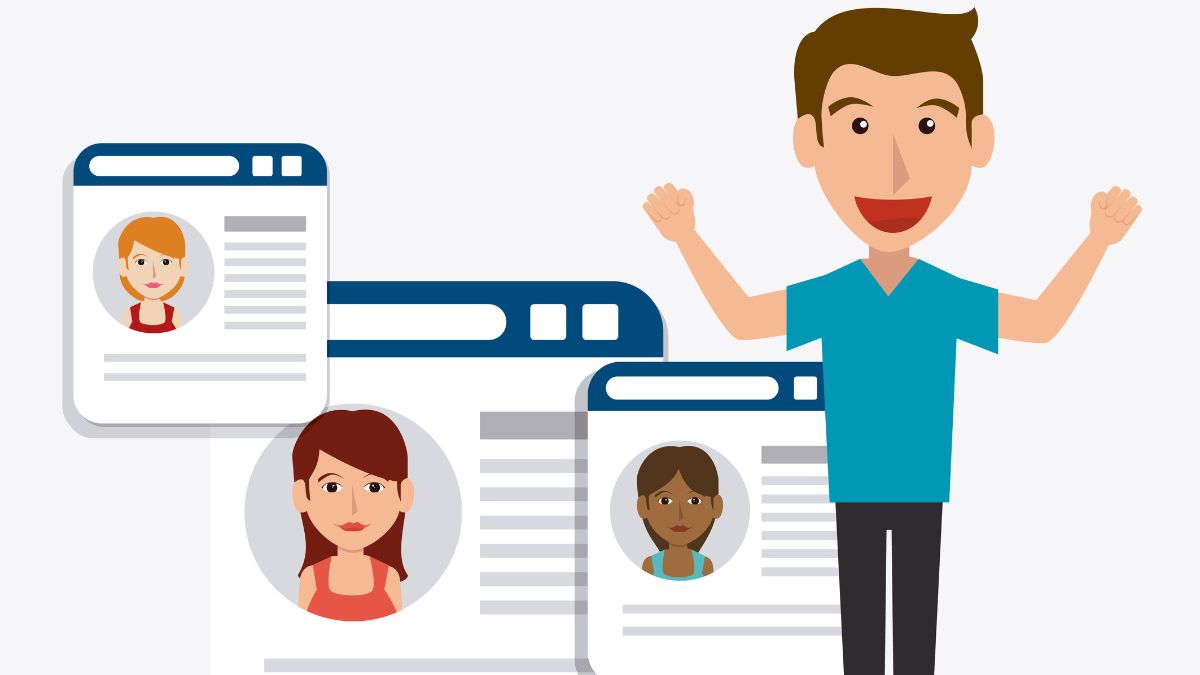
Think about the last time you scrolled through a feed or a networking app. Did you pause at a profile or just swipe past? That tiny square image isn’t just decoration, it’s your first handshake in the digital world. One glance can spark curiosity, build trust, or raise doubt. Believe it or not, a single profile picture can shape how people perceive you online.
This guide dives into why profile pictures matter, how they define your personal brand, and practical steps to make yours stand out. We’ll focus on Indian social media trends, platform-specific advice, and even influencer marketing insights.
- Introduction
- 1. Understanding Profile Pictures: More Than Just a Photo
- 2. The Psychology Behind Your Profile Picture
- 3. Why Your Online Identity Depends on Your Profile Picture
- 4. Profile Picture Tips for Social Media
- 5. Profile Picture Dos and Don’ts
- 6. Choosing the Right Profile Picture: Step by Step
- 7. The Impact on Influencer Marketing & UGC
- 8. Common Mistakes and How to Avoid Them
- 9. Real-World Examples & Data
- 10. Strategic Use for Digital Branding
- 11. Cultural & Social Nuances (Especially in India)
- 12. Role in Building Trust in the Age of AI
- Summary: Why a Profile Picture Can Make or Break Your Online Identity
- Conclusion
- About Hobo.Video
1. Understanding Profile Pictures: More Than Just a Photo
1.1 Definition: What Is a Profile Picture?
A profile picture, also called a display picture or avatar, is more than just your face on social media or messaging apps. It’s a visual introduction. Before someone reads your bio or notices your posts, they’ve already formed an impression based solely on this image. Think of it as your first impression condensed into a tiny square.
1.2 Why Does a Profile Picture Matter?
- First Impressions Happen Instantly: Studies show humans process faces in milliseconds. Before words come into play, people decide if you’re trustworthy or approachable.
- Signals Trust: Seeing a real human face immediately creates a sense of authenticity. Generic avatars rarely do this.
- Professional Credibility: On LinkedIn, a strong profile photo can dramatically increase profile views and connection requests. It silently says, “I’m competent, approachable, and professional.”
- Personal Well-being: Using a genuine image online reinforces authenticity, boosting confidence and even happiness. Aligning your digital persona with your real self feels surprisingly rewarding.
2. The Psychology Behind Your Profile Picture
2.1 Why Faces Command Attention
Humans are wired to notice faces. The fusiform face area in the brain picks up subtle expressions, emotional cues, and even micro-expressions instantly. That confident tilt of the head or genuine smile can influence whether someone feels approachable or skeptical about you.
2.2 Building Trust Through Visual Cues
- Eye Contact: Look at the camera. It may feel awkward, but research shows direct eye contact builds trust, especially in peer-to-peer online interactions.
- Smile vs. Neutral Expression: Smiles are inviting but authenticity is key. Overly posed or filtered smiles often feel fake. Relaxed, natural expressions work best.
- Social Presence: A profile picture isn’t just a photo; it’s your first handshake in a virtual space. People feel more connected when they see a human behind the profile.
2.3 Self-Perception and Well-being
Using your own image helps align online identity with reality. That congruence boosts self-esteem and encourages authentic interactions. People can sense when a profile feels genuine, it resonates.
3. Why Your Online Identity Depends on Your Profile Picture
3.1 Online Identity and Personal Branding
Your profile picture is the anchor of your digital presence. Across LinkedIn, Instagram, Twitter, or niche forums, your image conveys your personal brand silently but powerfully.
- Recognition: Seeing the same image across platforms builds familiarity.
- Credibility: A sharp, intentional photo communicates professionalism. A sloppy image signals carelessness.
- Authenticity: Natural, candid images communicate honesty. People connect with realness, not perfection.
3.2 Impact on Professional and Social Opportunities
Profiles with strong images attract recruiters, collaborators, and audiences. Trust is the currency of influencer marketing. Entrepreneurs, freelancers, and creators rely on profile pictures to convey competence before any interaction.

Amplify Your Brand,
One Influence at a Time.
3.3 The Indian Context
In India, professional networking is growing fast. Surveys suggest 35% of professionals judge first impressions by profile pictures. Millennials are especially careful: 42% of 18–34-year-olds say LinkedIn photos influence career opportunities.
4. Profile Picture Tips for Social Media
Your profile picture isn’t just a selfie. Treat it strategically.
4.1 Technical Tips
- Lighting: Natural, soft light is best. Avoid harsh shadows.
- Framing & Composition: Fill ~60% of the frame with your face; keep the background simple.
- Camera Angle: Eye-level shots are natural and confident.
- Resolution: Blurry images erode credibility. Use a quality camera.
4.2 Style and Expression
- Be Authentic: Choose an expression that reflects your personality.
- Smile Naturally: Warm smiles invite approachability; calm expressions suit professional contexts.
- Dress Purposefully: Align clothing with platform expectations.
- Eye Contact: It conveys openness and confidence.
4.3 Platform-Specific Tips
- LinkedIn: Clean headshots, natural light, neutral background, professional attire.
- Instagram/Facebook: Candid, slightly angled poses, expressive personality shots.
- Creative Platforms: Experiment with colors, props, or artistic touches.
5. Profile Picture Dos and Don’ts
5.1 Dos
- High-resolution images.
- Consistent across platforms.
- Refresh every 1–2 years.
- Get feedback from friends.
- Keep edits minimal.
5.2 Don’ts
- Avoid group photos.
- Don’t overuse filters.
- Avoid poor lighting.
- Tailor photos to platform context.
- Don’t use outdated photos.
6. Choosing the Right Profile Picture: Step by Step
- Define Objective: Professional networking, social, or content creation.
- Decide Style: Headshot, casual selfie, smiling, neutral, or with props.
- Plan Shoot: Lighting, camera stability, outfit.
- Take Multiple Shots: 10–20 options; ask a friend for input.
- Edit Lightly: Minimal brightness or crop adjustments; avoid heavy filters.
- Test Across Platforms: Ensure it works everywhere.
- Monitor & Update: Track engagement and refresh periodically.
7. The Impact on Influencer Marketing & UGC
7.1 Influencer Marketing and Trust
A professional, authentic image signals seriousness, builds audience trust, and boosts conversions. It also helps influencers appear relatable and credible, encouraging followers to engage and act on recommendations.
7.2 UGC and AI Influencer Marketing
Profile pictures reinforce identity across campaigns. Brands check them for alignment with tone and aesthetic. Platforms like Hobo.Video prioritize creators with polished, trustworthy images.
7.3 User-Generated Content Campaigns
Authenticity is everything. Real images reassure audiences that content comes from a human, not a bot. In India, campaigns succeed when photos feel genuine.
8. Common Mistakes and How to Avoid Them
- Outdated photos → refresh regularly.
- Over-editing → keep filters minimal.
- Poor lighting → use soft, natural light.
- Distracting backgrounds → keep it simple.
- Bad framing → include face and shoulders clearly.
9. Real-World Examples & Data
- LinkedIn profiles with photos get 21× more views, 36× more messages.
- 35% of Indian professionals judge first impressions by photos.
- Stranger-picked photos often appear more trustworthy than self-chosen.
- Marketplace and service bookings improve with real images.
- Displaying your real face correlates with higher life satisfaction.
10. Strategic Use for Digital Branding
- Align With Brand Identity: Fashion influencers: warm, approachable. Professionals: clean headshots.
- Consistency Across Platforms: Builds trust.
- Use in Campaigns: Platforms like Hobo.Video favor polished, authentic images.
- Refresh During Growth: Reflect evolution.
- Encourage UGC: Share stories of change or transformation.
11. Cultural & Social Nuances (Especially in India)
- Modesty vs. Boldness: Some regions prefer subtle expressions.
- Professional Conservatism: Business-casual attire works for LinkedIn.
- Regional Diversity: Adjust styling and colors to target audiences.
- UGC & Influencer Campaigns: Authenticity resonates more than generic globalized photos.
12. Role in Building Trust in the Age of AI
- Authenticity Matters: Real images counterbalance hyper-digital AI content.
- Verification: Reduces fake profiles.
- Engagement: Credible photos increase connection and campaign success.
Summary: Why a Profile Picture Can Make or Break Your Online Identity
It’s your most visible digital marker. Impacts trust, credibility, and first impressions. Used wisely, it boosts branding, networking, and influencer credibility. Misused, it can harm your reputation.
Conclusion
- Tailor your photo to each platform.
- Be authentic; avoid heavy filters.
- Use natural lighting and proper framing.
- Seek feedback from friends.
- Update your photo regularly.
For influencers and brands, a strong profile picture drives engagement, perception, and campaign success. Platforms like Hobo.Video reward polished, authentic visuals.
About Hobo.Video
Hobo.Video is India’s leading AI-powered influencer marketing and UGC platform, with 2.25 million creators. It combines AI and human strategy for maximum ROI.
Services:
- Influencer marketing
- UGC content creation
- Celebrity endorsements
- Product feedback & testing
- Marketplace & seller reputation management
- Regional & niche influencer campaigns
Trusted by brands like Himalaya, Wipro, Symphony, Baidyanath, and Good Glamm Group, Hobo.Video helps creators and brands build authentic, high-impact digital identities.
We love working with people who believe in bold brand moves.Let’s build something.
If you’re an influencer creating awesome content, brands should see it.Let’s make that happen.
FAQs
Why is a profile picture important online?
It sets the tone, trust, and connection instantly.
Can it affect trust?
Yes—faces trigger subconscious trust responses.
Professional photo or selfie?
LinkedIn: headshot. Instagram: personality-driven selfie.
How often should I update it?
Every 12–24 months.
Does it matter for influencer marketing?
Absolutely, brands judge authenticity and credibility.
Can a bad photo hurt reputation?
Yes! blurry, filtered, or outdated images reduce engagement.
Better to ask someone else to pick?
Yes. Studies show strangers often choose more flattering, trustworthy images.
How does it tie into personal branding?
It acts as a visual anchor, improving recognition, trust, and memorability.

 Vishnumaya
 Rohit Thapa