
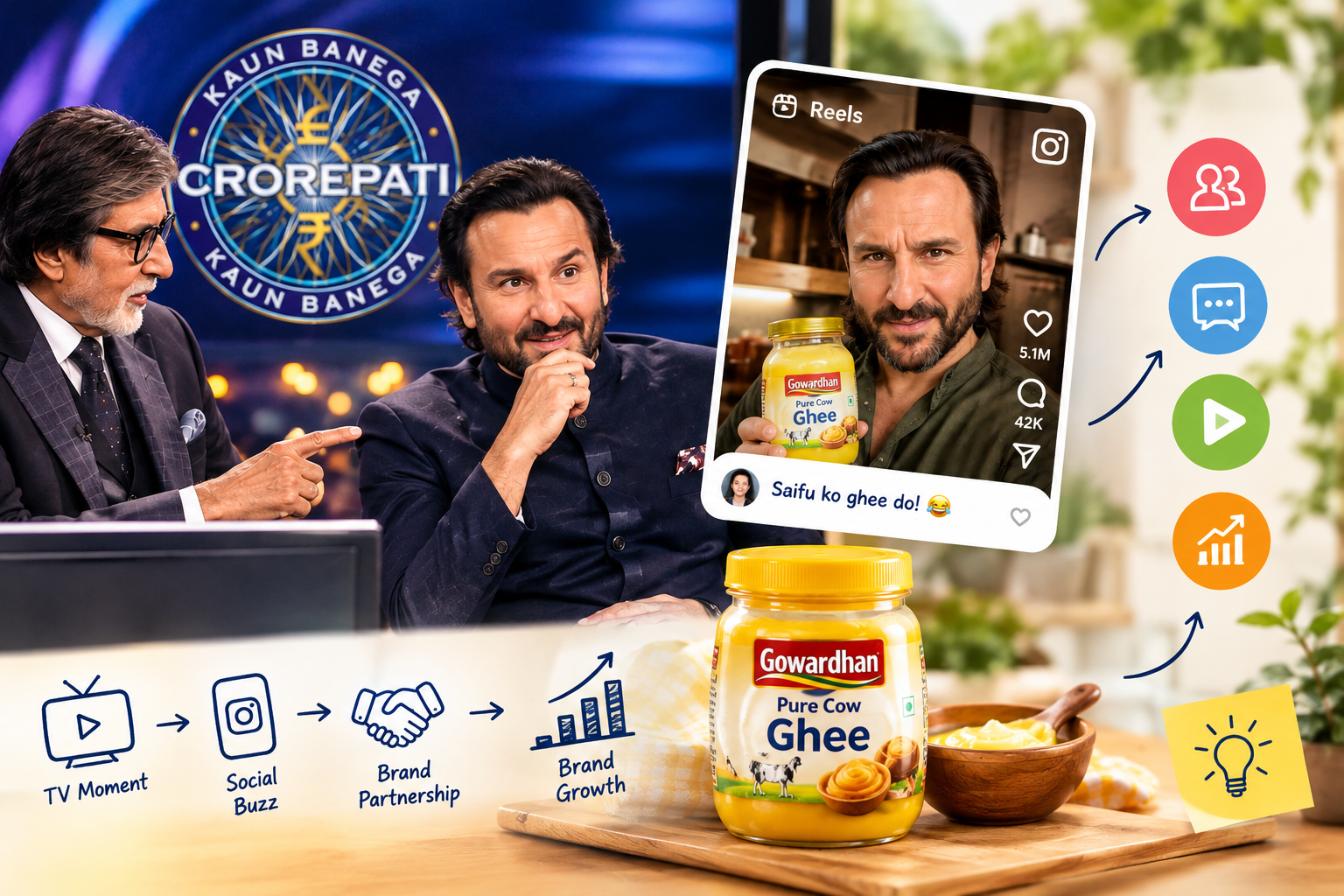
Sometimes, one unexpected moment can make a brand more memorable than a traditional advertisement. The story of Saif Ali Khan and Gowardhan Ghee shows how a television appearance, audience jokes, Instagram comments, and a creative brand collaboration can come together to create a viral marketing moment.
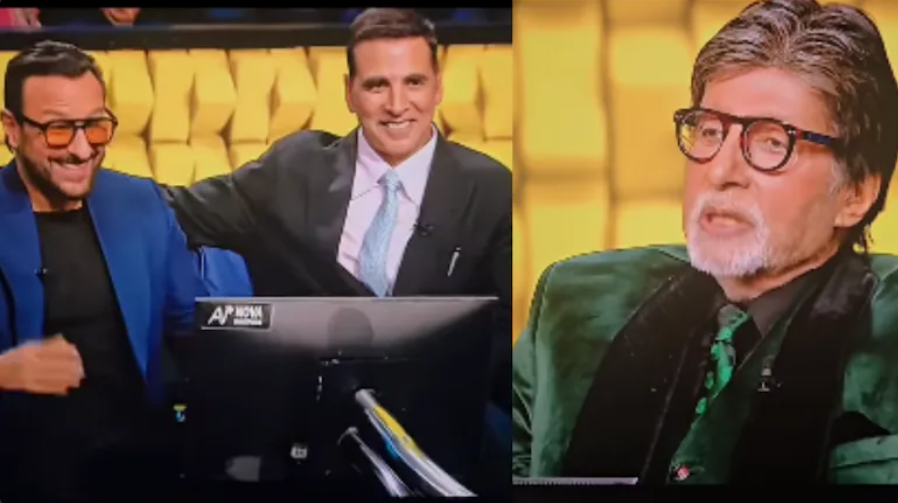
It started on Kaun Banega Crorepati (KBC), when Amitabh Bachchan announced a two-year supply of Gowardhan Ghee as a prize. Saif Ali Khan reacted with excitement, while Akshay Kumar laughed beside him. The contrast between a Bollywood star and his enthusiasm for an everyday kitchen product caught viewers’ attention.
Soon, the clip became a popular social media joke. When Saif joined Instagram, fans continued asking about the promised ghee. The conversation resurfaced on The Great Indian Kapil Show, where Saif joked that he had still not received the supply.
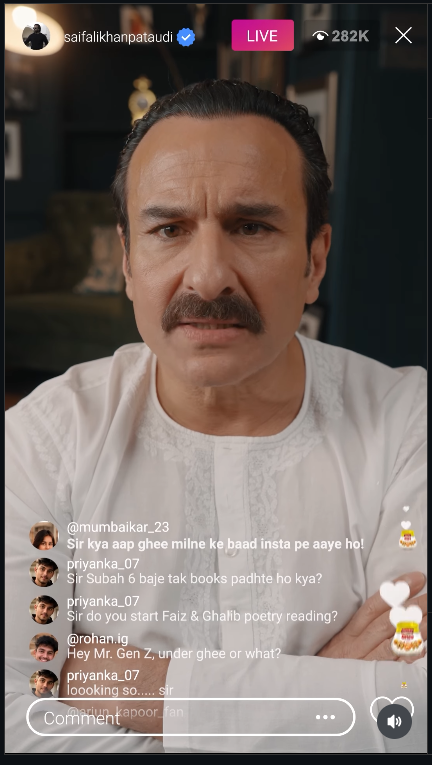
Finally, the running joke became the foundation of a branded Instagram Live-style video. Saif tried to change the subject, but fans kept asking about the ghee. The reveal of stacked Gowardhan Ghee bottles delivered the punchline.
The story offers marketers a useful lesson: a planned brand placement can create visibility, but audience participation can give it a longer life.
- 1. How Saif Ali Khan and Gowardhan Ghee Turned a KBC Moment Into a Viral Campaign
- 2. The Instagram Reel: How a Running Joke Became a Brand Advertisement
- 3. Five Marketing Lessons Brands Can Learn From This Viral Moment
- Lesson 1: Relatable stories can make everyday products memorable
- Lesson 2: Social listening can reveal the next creative opportunity
- Lesson 3: Audience participation can extend a campaign’s life
- Lesson 4: Celebrity marketing works best when the creative idea fits the person
- Lesson 5: Viral attention needs a measurable business objective
- 4. How Brands Can Measure the Impact of Viral Marketing
- 5. Why the Saif Ali Khan–Gowardhan Ghee Campaign Connected With Audiences
- 6. What This Means for Influencer Marketing and UGC in India
- 7. A Practical Checklist for Brands That Want Shareable Campaigns
- Final Takeaway: The Real Value of a Viral Marketing Moment
- About Hobo.Video
1. How Saif Ali Khan and Gowardhan Ghee Turned a KBC Moment Into a Viral Campaign
The first stage of this story was a planned product placement on KBC. Gowardhan Ghee already had a connection with the programme. However, Saif’s reaction gave the placement an unexpected moment that viewers wanted to share.
When Amitabh Bachchan explained the two-year ghee prize, Saif responded enthusiastically. His remark, “This is it; this is why I came,” became the memorable part of the exchange. Akshay’s laughter made the moment even more entertaining.

Amplify Your Brand,
One Influence at a Time.
The humour worked because viewers did not need a long explanation. Ghee is a familiar product in Indian households. Seeing a famous actor react so enthusiastically to a supply of it created an unexpected contrast.
The clip then travelled beyond television. Memes and social posts kept the product in the conversation. When Saif joined Instagram, fans brought up the prize again. Later, on The Great Indian Kapil Show, he joked that he had not received the promised ghee.
Gowardhan also began responding to people who tagged the brand. As the conversation continued, the story developed beyond its original television placement.
According to NDTV Profit’s coverage, the story evolved from a television reaction into a collaboration through repeated audience engagement. The marketing takeaway is simple: a brand can gain additional value when people continue discussing a moment after the original placement ends. However, marketers should not confuse attention with proven business results. Public discussion shows that people noticed the story. It does not automatically prove that sales increased.
2. The Instagram Reel: How a Running Joke Became a Brand Advertisement
The Instagram reel gave the story a fresh ending. Rather than simply reposting the original KBC clip, the brand collaboration recreated the audience conversation in a familiar social media format.
The video starts like an Instagram Live session. Saif tells viewers that he does not want to discuss the ghee. However, fans continue asking whether he has received his promised supply. One joke suggests that he has moved from “aura farming to dairy farming.”
The questions keep coming. Then, the camera reveals a large stock of Gowardhan Ghee bottles inside his home. Saif reacts with mock embarrassment, asks for the door to be closed, and tells viewers to stop asking about the ghee. The video ends with a commercial prompt to check out the offer.
This creative approach works because the audience already understands the backstory. The video does not need to spend much time explaining why Saif and Gowardhan Ghee belong together. Instead, it uses the existing joke to deliver the product reveal.
The Indian Express reported that the reel had crossed 5.1 million views at the time of its coverage. This is a dated figure, not a verified current count. Moreover, views alone do not establish sales, conversions, or return on investment.
Watch the Instagram reel: Saif Ali Khan’s Gowardhan Ghee collaboration.
3. Five Marketing Lessons Brands Can Learn From This Viral Moment
Lesson 1: Relatable stories can make everyday products memorable
People often scroll past advertisements that feel predictable. However, they may stop when a product appears in a funny, surprising, or familiar situation.
Gowardhan Ghee became part of the joke because the product was central to Saif’s reaction. His excitement over an everyday kitchen staple made the moment easy to remember.
Brands can apply this idea without copying the exact situation. A food brand could build content around a familiar family habit. A fashion label could explore the struggle of finding the right fit. Meanwhile, a personal-care brand could highlight a relatable daily routine.
The product should play a natural role in the story. If marketers add it only at the end, audiences may remember the entertainment but forget the brand.
Lesson 2: Social listening can reveal the next creative opportunity
The repeated questions about Saif’s ghee showed how audiences were keeping the story alive. Their comments gave the brand a clear signal that the moment still interested people.
Social listening helps marketers identify recurring questions, jokes, complaints, and product mentions. Teams can use these patterns to plan relevant responses and future content.
For example, a food brand might notice customers sharing recipes. A skincare company could find repeated questions about how to use a product. A fashion brand might discover that people frequently ask about sizing.
However, marketers should not assume that every viral comment represents the wider audience. They should look for recurring patterns and check whether the conversation fits their brand.
Lesson 3: Audience participation can extend a campaign’s life
The audience did more than watch the original KBC clip. People shared memes, tagged Gowardhan, and continued asking whether Saif had received his prize.
This participation helped the story move across platforms. The later Instagram collaboration gave those viewers a new video that answered the running joke.
Brands can encourage similar participation through polls, questions, creator challenges, and user-generated content (UGC). For example, a food company could invite customers to share regional recipes or favourite family dishes.
Participation should feel genuine. Brands should avoid fake comments or misleading claims about customer support.
Lesson 4: Celebrity marketing works best when the creative idea fits the person
A celebrity’s popularity can create broad awareness, but popularity alone does not guarantee a successful campaign.
The Saif and Gowardhan collaboration had a story that audiences already recognised. His humour and the recurring ghee conversation made the advertisement feel connected to the original moment. Smaller businesses can apply the same principle with niche creators. A regional food creator may suit a cooking product, while a home-focused creator may be a natural fit for a kitchen brand.
Brands should assess audience relevance, creative fit, deliverables, usage rights, and paid partnership disclosures before publishing. They should also define what success means for the campaign. To explore this approach further, brands can read Hobo.Video’s guide to celebrity influencer marketing, after confirming the destination URL before publication.
Lesson 5: Viral attention needs a measurable business objective
A funny reel can attract attention, but marketers must still ask what that attention achieves.
The Gowardhan video connected the running joke with a commercial prompt. However, public view counts and comments cannot confirm how many viewers purchased the product.
Brands should use tracked links, dedicated landing pages, offer codes, and suitable sales comparisons where possible. These tools can help marketers distinguish between content that attracts attention and content that contributes to business goals.
4. How Brands Can Measure the Impact of Viral Marketing
Viral marketing should not be measured through views alone. The right metrics depend on the campaign’s objective.
| Campaign objective | Metrics to monitor | What they indicate |
|---|---|---|
| Brand awareness | Reach, impressions, video views | How widely the content travelled |
| Engagement | Shares, comments, saves, engagement rate | How audiences responded |
| Brand recall | Surveys, branded searches | Whether people remember the brand |
| Website interest | Link clicks, landing-page visits | Whether attention led to visits |
| Customer acquisition | Conversions, new customers, acquisition cost | Whether the campaign helped attract customers |
| Commercial performance | Revenue, repeat purchases, return on ad spend | Whether the activity supported business goals |
For the Saif and Gowardhan campaign, public coverage documents the viral conversation and the later collaboration. However, it does not provide verified sales or return-on-investment figures.
Marketers can improve measurement by establishing a baseline before launch. They can then compare branded searches, website visits, conversions, and sales during the campaign. They should also consider other advertising and promotional activity that may affect results.
Finally, separate paid visibility from earned attention. The KBC placement was planned, while the audience’s memes and comments extended the conversation. The Instagram collaboration then used that existing interest for a branded creative idea.
5. Why the Saif Ali Khan–Gowardhan Ghee Campaign Connected With Audiences
The Saif Ali Khan and Gowardhan Ghee story connected with audiences because it combined celebrity appeal, humour, and a relatable moment. Saif’s excitement about winning a two-year supply of ghee on Kaun Banega Crorepati gave viewers something unexpected to talk about. Soon, memes, comments, and fan reactions kept the joke alive on social media. Later, when Saif joined Instagram, fans continued asking about the promised ghee, bringing fresh attention to the story.
The subsequent Instagram advertisement used this running joke to create a memorable product reveal. Instead of introducing the product through a completely separate message, the brand connected it with a conversation people already recognised. This shows marketers how a simple, relevant story can help a product stay in the public conversation. However, viral attention does not automatically translate into sales. Brands should also measure engagement, product interest, and conversions to understand the campaign’s business impact.
6. What This Means for Influencer Marketing and UGC in India
The Gowardhan story shows why influencer marketing in India needs more than a large following or an expensive celebrity partnership. Brands need content that fits the product, the audience, and the platform. Celebrity content can create broad awareness. Regional and niche creators can communicate with audiences who share a language, location, or interest. Meanwhile, UGC videos can show how people use products in everyday situations.
For example, a food brand could work with home cooks who share regional recipes. A personal-care company might partner with creators who explain product routines. A consumer brand could invite customers to share their experiences, with proper permission and disclosure. These formats can support different stages of the customer journey. A celebrity reel may create awareness, a creator demonstration may answer product questions, and customer videos may provide additional perspectives.
However, brands should not expect every format to deliver the same result. A humorous reel may earn shares, while a detailed product demonstration may help someone make a purchase decision. Each should have its own objective and measurement plan.
Hobo.Video supports influencer marketing, UGC content creation, celebrity endorsements, product feedback and testing, marketplace and seller reputation management, and regional or niche creator campaigns. Its approach combines AI with human strategy to support campaign planning and management.
7. A Practical Checklist for Brands That Want Shareable Campaigns
Marketers cannot guarantee that a campaign will go viral. However, they can build a process that helps them recognise and respond to relevant opportunities.
- Understand the audience: Learn its language, interests, humour, and everyday experiences.
- Find a natural product connection: Make the product part of the story rather than an afterthought.
- Monitor conversations: Track comments, mentions, recurring jokes, and customer questions.
- Give creators room to express themselves: Provide a clear brief while allowing natural delivery.
- Prepare a timely response: Decide who can approve reactive content and how quickly the team can publish it.
- Plan a follow-up: If audiences respond positively, develop a new angle instead of repeating the same content.
- Add a clear call to action: Give interested viewers a next step, such as exploring a product or visiting a landing page.
- Measure the outcomes: Separate views and comments from brand recall, website visits, leads, and sales.
A campaign brief should also explain which claims require evidence, how paid partnerships must be disclosed, and how the brand can reuse creator content. The biggest lesson is to stay open to audience behaviour without abandoning the brand’s strategy. A viral moment may offer a creative opportunity, but marketers still need to decide whether it fits their audience and business goals.
Final Takeaway: The Real Value of a Viral Marketing Moment
Saif Ali Khan and Gowardhan Ghee show how a planned television product placement can develop into a wider social media conversation. Saif’s reaction gave audiences a memorable starting point. Fans kept the joke alive through comments and memes, and the Instagram collaboration gave the story a branded ending. The reported reel views show that the content attracted attention at the time of publication. However, its commercial impact cannot be confirmed without verified campaign data.
For marketers, the lesson is not to wait for a celebrity moment to happen. It is to understand what audiences notice, remember, and share. A relatable story can earn attention, social listening can reveal opportunities, and a relevant creator partnership can extend the conversation. Measurement then helps brands assess whether that attention supports business goals.
At Hobo.Video, brands can explore influencer marketing and UGC campaigns that connect products with relevant creators and audiences. The platform combines AI and human strategy to support campaign management and brand growth, working with a network of over 2.25 million creators.
Ready to build your next creator-led campaign? Register with Hobo.Video to explore opportunities to connect your brand with relevant creators.
About Hobo.Video
Hobo.Video is India’s leading AI-powered influencer marketing and UGC company. With over 2.25 million creators, it delivers end-to-end campaign management designed for brand growth. The platform blends AI intelligence with human strategy to ensure maximum ROI.
Services include:
- Influencer marketing
- UGC content creation
- Celebrity endorsements
- Product feedback and testing
- Marketplace and seller reputation management
- Regional and niche influencer campaigns
Trusted by top brands like Himalaya, Wipro, Symphony, Baidyanath, and Good Glamm Group.
Inspired by what you read? Let’s turn ideas into impact. Connect with us and unlock your brand’s next growth chapter. Start here.
If you’re an influencer looking for real brand growth, this is your moment. Join now.
Frequently Asked Questions
Why did Saif Ali Khan’s Gowardhan Ghee moment go viral?
His enthusiastic reaction to winning a two-year supply of ghee on KBC created an unexpected and relatable moment. Social media users turned it into memes and continued the conversation across platforms.
How did Saif Ali Khan’s Instagram reel help Gowardhan Ghee?
The reel brought the familiar joke into a branded video. Its Instagram Live-style format, fan questions, and visual reveal connected the product with a conversation audiences already recognised.
What is viral marketing?
Viral marketing encourages people to share content, helping it reach audiences beyond its initial distribution. Humour, emotional relevance, useful information, and audience participation can support sharing, but virality cannot be guaranteed.
What can small businesses learn from this campaign?
Small businesses can create relatable product stories, monitor customer conversations, work with suitable creators, and measure results. They do not need a celebrity budget to create useful or entertaining content.
How can influencer marketing improve brand recall?
Relevant creators can present products in familiar situations and communicate benefits in their own style. This may help audiences remember a brand, although marketers should measure recall rather than assume it.
Should every brand join a viral trend?
No. Brands should participate when a trend fits their product, audience, and values. An unrelated or forced response can harm credibility instead of improving it.

 Sahil Singh