
Introduction
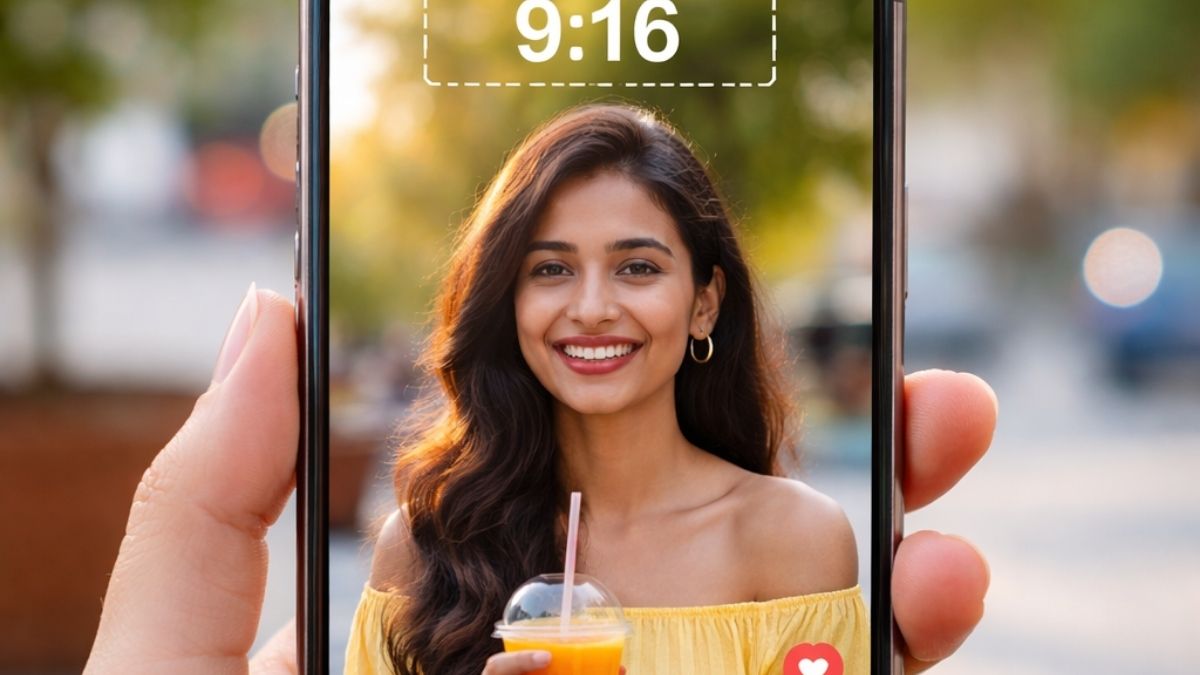
The digital landscape has evolved rapidly toward mobile-first content, and vertical videos have become a cornerstone of online engagement. The vertical video format, specifically the 9:16 aspect ratio, is now standard across platforms like TikTok, Instagram Reels, and YouTube Shorts. Unlike traditional horizontal videos, vertical content fills the smartphone screen completely, creating an immersive and engaging viewing experience.
For brands and influencers in India, mastering the 9:16 aspect ratio is no longer optional. From UGC videos to influencer campaigns and social media ads, understanding vertical content ensures maximum reach. This guide will explore every aspect of vertical video, including dimensions, optimization, platform-specific tips, engagement strategies, and future trends, helping creators and brands craft impactful campaigns.
- Introduction
- 1. Understanding the 9:16 Aspect Ratio
- 2. Vertical vs Horizontal Videos
- 3. Platforms Supporting 9:16 Vertical Videos
- 4. Creating a Vertical Video Format
- 5. Vertical Content Best Practices
- 6. Optimizing for Engagement and Views
- 7. Measuring Success of 9:16 Videos
- 8. Vertical Video in Influencer Marketing
- 9. Common Mistakes to Avoid
- 10. Future of Vertical Videos
- Conclusion
- About Hobo.Video
1. Understanding the 9:16 Aspect Ratio
1.1 Definition and Dimensions
The 9:16 aspect ratio refers to a frame that is nine units wide and sixteen units tall, translating to popular resolutions such as 1080×1920 pixels. This format is ideal for mobile-first content because it occupies the full vertical screen without black bars or cropping. Compared to the traditional 16:9 horizontal format, vertical videos enhance viewer focus and immersion, particularly on handheld devices. The 9:16 video specification ensures that content appears crisp and professional across platforms. Understanding the technical details, including pixel dimensions and aspect ratio standards, is crucial for creators and brands to produce visually compelling content that aligns with social media best practices.
1.2 Why It Matters for Mobile Videos
In India, smartphone usage has skyrocketed, with over 850 million users in 2025 consuming content primarily on mobile devices. Vertical videos cater to this trend, as they naturally fit the mobile video aspect ratio for uninterrupted viewing. Studies reveal vertical videos can increase engagement by up to 90% on social platforms. Brands using vertical content see higher watch times and better interaction rates. Furthermore, vertical video screen fit improves user experience, making content more shareable. For creators and marketers, adapting to the vertical format is essential to ensure campaigns resonate with mobile-first audiences while boosting visibility and performance on social channels.
2. Vertical vs Horizontal Videos
2.1 Key Differences
Horizontal videos (16:9) are ideal for traditional desktop viewing or cinematic content but often appear cropped on smartphones. Vertical videos, on the other hand, leverage vertical video format to occupy the full mobile screen, enhancing engagement. Key differences include user experience, algorithmic favorability, and engagement metrics. Platforms prioritize vertical content, as it encourages higher completion rates and interaction. Horizontal videos may work for YouTube or cinematic storytelling, but for mobile-first platforms like Instagram Reels and TikTok, vertical videos outperform horizontally oriented content. Understanding these differences helps brands choose the best format for each campaign and ensures mobile-first content aligns with user behavior.
2.2 Pros and Cons of Vertical Format
The vertical format offers several advantages. It fits stories, short-form content, and UGC videos seamlessly. Viewers are more likely to interact with full-screen videos, boosting completion rates. Additionally, vertical videos are algorithm-friendly, increasing organic reach. However, challenges include limited use for traditional displays, difficulty repurposing horizontal content, and potential framing issues during shooting. Brands must consider these factors when creating content. Implementing vertical content best practices, such as central framing and proper resolution, ensures high-quality output. Despite minor drawbacks, vertical videos remain essential for campaigns targeting mobile-first audiences, delivering measurable engagement and ROI.
3. Platforms Supporting 9:16 Vertical Videos
3.1 TikTok and Short-Form Video Apps
TikTok popularized vertical videos globally, encouraging creators to shoot in full-screen portrait mode. Following the TikTok vertical video guide, Indian influencers now produce millions of vertical clips daily.Engagement metrics showvertical videos can generate 25–30% more shares than horizontal versions. Brands collaborating with TikTok creators benefit from higher visibility and audience retention. Using vertical video optimization tips, such as captions and high-quality visuals, further enhances campaign performance. TikTok’s algorithm favors full-screen content, making the 9:16 format critical for creators and brands aiming to maximize reach and engagement across the platform.

Amplify Your Brand,
One Influence at a Time.
3.2 Instagram Reels & Stories
Instagram Reels has fully embraced vertical video, with the Instagram Reels aspect ratio ensuring stories and reels appear full-screen. Brands leveraging vertical content on Reels and Stories experience better CTR, increased interactions, and higher engagement rates. To optimize performance, creators should maintain proper resolution, include eye-catching captions, and follow vertical content best practices. Using a vertical video format tailored for Instagram enhances brand visibility, encourages user interaction, and boosts campaign effectiveness. With Reels dominating short-form video consumption, vertical videos are now indispensable for social media strategy.
3.3 YouTube Shorts and Other Platforms
YouTube Shorts supports 9:16 videos, allowing creators to produce mobile-friendly, full-screen content. Vertical videos provide immersive experiences, keeping viewers engaged longer. Other platforms, such as Facebook Stories, also favor vertical formats. Ensuring vertical video screen fit across these platforms is crucial for consistency and user satisfaction. Brands utilizing vertical videos benefit from better discoverability, higher retention, and improved performance metrics. Adopting vertical content across all major mobile platforms ensures campaigns are unified, audience-centric, and optimized for engagement.
4. Creating a Vertical Video Format
4.1 Equipment and Shooting Tips
Creating high-quality vertical videos requires proper equipment and techniques. Smartphones are sufficient for most creators, though professional cameras can be used with adjustments. Hold the device upright, maintain central framing, and ensure good lighting to avoid shadows. Tripods and stabilizers designed for vertical orientation improve video quality. Incorporating UGC videos from creators enhances authenticity. For brands planning influencer campaigns, guiding collaborators to follow vertical framing standards ensures content consistency. Proper production techniques aligned with vertical video optimization tips create engaging, professional-looking videos that perform well across social media platforms.
4.2 Editing and Export Settings
Editing vertical videos requires attention to resolution and aspect ratio. Use software like Adobe Premiere Pro, CapCut, or InShot to maintain the 9:16 video specification. Standard settings include 1080×1920 resolution and 30–60fps frame rate. Adding captions, stickers, or graphics enhances engagement. Optimizing files for smooth playback across devices is essential. Following vertical video optimization tips ensures that the content is compatible with platform requirements and audience expectations. Proper editing also allows content repurposing for campaigns, influencer collaborations, and AI UGC projects, ensuring the final vertical video resonates with viewers while maintaining professional quality.
5. Vertical Content Best Practices
Creating impactful vertical content requires strategy and attention to detail. Use eye-catching intros, clear visuals, and strong audio to grab attention within the first few seconds. Incorporate captions and graphics for accessibility, especially in UGC videos. Maintain a resolution of 1080×1920 pixels and keep videos under 60 seconds for short-form platforms. Following vertical content best practices includes framing subjects centrally, avoiding cluttered visuals, and using proper lighting. Brands implementing these tips see higher engagement, better watch times, and improved campaign ROI. Consistent use of vertical video format strengthens brand identity and supports influencer marketing efforts across social media.
6. Optimizing for Engagement and Views
Optimizing vertical videos ensures maximum reach and interaction. Include strong CTAs, captions, and graphics to guide viewers. Use analytics to monitor engagement, watch time, and shares. Applying vertical video optimization tips increases visibility and enhances algorithmic favorability. Vertical videos with proper vertical video screen fit keep audiences engaged longer. For brands leveraging influencer marketing India, optimized vertical content significantly outperforms generic videos. Split-testing different video formats, intros, and lengths provides insights for improvement. Properly optimized vertical videos improve CTR, retention, and overall campaign performance, making them indispensable in modern mobile-first content strategies.
7. Measuring Success of 9:16 Videos
Measuring vertical video success involves tracking key metrics like watch time, completion rates, shares, and CTR. Platforms such as TikTok, Instagram Reels, and YouTube Shorts provide dashboards for detailed insights. Ensuring vertical video screen fit enhances engagement and algorithmic ranking. Brands can analyze split-tests of different intros, captions, and video lengths to understand audience preferences. Tracking these metrics allows for continuous improvement in content strategy. Campaigns using vertical video format with proper measurement see improved ROI, higher visibility, and better engagement.Data-driven insightsare critical to refining mobile-first video strategies and achieving long-term marketing success.
8. Vertical Video in Influencer Marketing
Vertical videos have transformed influencer marketing in India. Creators produce UGC videos and branded content in 9:16 format, optimized for mobile audiences. AI tools enable AI influencer marketing, improving efficiency and scale. Platforms like Hobo.Video connect brands with top influencers in India and provide guidance on producing high-performing vertical videos. Campaigns featuring vertical content consistently achieve higher CTRs, retention, and engagement. Integrating vertical videos into influencer strategies aligns with consumer behavior, strengthens brand presence, and boosts ROI. Leveraging this format ensures that collaborations with creators are effective and resonate with audiences.
9. Common Mistakes to Avoid
When producing vertical videos, creators often make mistakes that reduce engagement. Cropping horizontal content improperly can remove critical visual elements. Ignoring captions or placing text incorrectly decreases comprehension. Poor lighting, audio issues, and cluttered visuals distract viewers. Brands must follow vertical content best practices to maintain quality. Monitoring analytics can identify recurring issues and guide improvements. For campaigns using vertical video format, avoiding these mistakes ensures higher completion rates, audience retention, and better performance.Proper framing, resolution, and adherenceto platform guidelines are key for successful vertical video campaigns.
10. Future of Vertical Videos
Vertical videos are shaping mobile-first content trends globally. With rising smartphone adoption in India, audiences increasingly consume portrait-mode videos. AI-powered platforms facilitate scalable AI UGC creation for brands. Vertical videos enhance engagement, visibility, and shareability. Short-form platforms like Instagram Reels, TikTok, and YouTube Shorts continue to prioritize this format. Using vertical video optimization tips, brands can create high-quality campaigns that drive ROI. For influencer marketing, vertical content supports authentic storytelling and improved viewer interaction. The 9:16 aspect ratio is now essential for modern campaigns, aligning with evolving digital consumption habits.
Conclusion
- Definition: 9:16 vertical video format fits full-screen mobile devices.
- Platforms: TikTok, Instagram Reels, YouTube Shorts perform best.
- Engagement: Full-screen videos increase completion and shares.
- Optimization: Use captions, graphics, and follow vertical video optimization tips.
- Influencer Integration: Incorporate UGC videos and collaborate with creators.
- Analytics: Track CTR, watch time, and user behavior for improvement.
- Mistakes: Avoid cropping errors, poor lighting, and cluttered visuals.
- Future Trends: Vertical content aligns with AI UGC, mobile marketing, and influencer campaigns.
About Hobo.Video
Hobo.Videois India’s leading AI-powered influencer marketing and UGC company, with over 2.25 million creators and end-to-end campaign management. Services include:
- Influencer marketing
- UGC content creation
- Celebrity endorsements
- Product feedback and testing
- Marketplace and seller reputation management
- Regional and niche influencer campaigns
Trusted by brands like Himalaya, Wipro, Symphony, Baidyanath, and the Good Glamm Group.
Want creators who drive real, unconventional brand growth?Register now and launch your campaign.
If you’re an influencer ready to level up, this is your platform.Let’s build.
FAQs
1. What is the 9:16 aspect ratio used for?
The 9:16 aspect ratio is used primarily for vertical videos optimized for smartphones, enabling full-screen viewing on platforms like TikTok, Instagram Reels, and YouTube Shorts.
2. How do I make vertical videos for Instagram Reels?
Use a smartphone in portrait mode at 1080×1920 resolution. Add captions, stickers, and ensure proper lighting. Editing apps like CapCut or InShot help maintain vertical video format.
3. Can horizontal videos be converted to 9:16?
Yes, but cropping may remove key elements. Reframe subjects centrally to retain important visuals.
4. What are vertical video best practices?
Keep intros short, use high-quality visuals, clear audio, captions, and follow vertical content best practices.
5. Which platforms use 9:16 videos?
TikTok, Instagram Reels, Stories, YouTube Shorts, and Facebook Stories support this format.
6. How do I optimize vertical video for higher CTR?
Include strong CTAs, captions, graphics, and ensure proper vertical video screen fit.
7. Can influencers use vertical video in campaigns?
Yes, influencer marketing India campaigns often leverage 9:16 vertical content for better engagement.
8. What resolution should I use?
1080×1920 pixels, 30–60fps frame rate is standard.
9. Is vertical video better than horizontal?
For mobile-first platforms, vertical videos perform better in engagement and retention.
10. How can I avoid mistakes in vertical video production?
Avoid improper cropping, poor lighting, cluttered visuals, and follow vertical video optimization tips.

 Vishnumaya