
Introduction
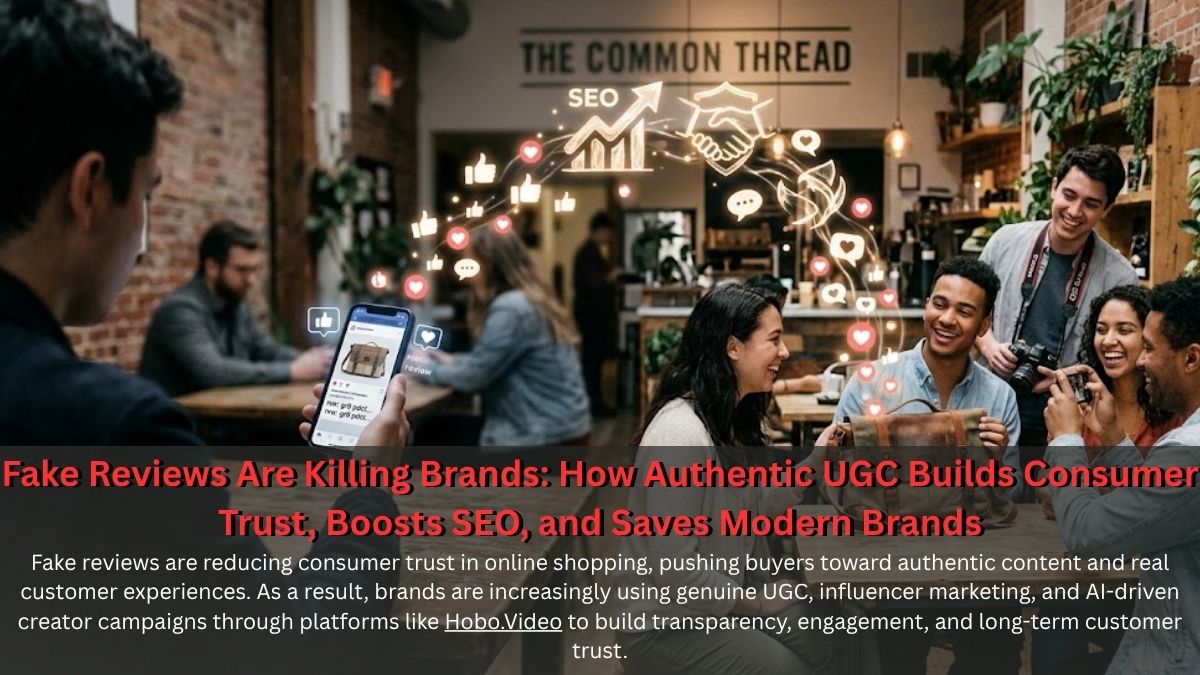
Online shopping used to feel exciting and simple. You would search for a product, read a few reviews, compare ratings, and confidently place your order. Today, that experience feels very different. Many customers now pause before clicking the buy button because they are no longer sure whether online reviews can be trusted. Whether someone is buying skincare products, fashion items, gadgets, groceries, or ordering food online, reviews heavily influence purchasing decisions. However, fake reviews have created a serious trust crisis that continues growing across digital platforms.
Many businesses try to manipulate public perception by purchasing positive reviews, hiding negative feedback, or posting misleading comments to appear more trustworthy. At the same time, some competitors leave fake negative reviews to hurt rival brands. This creates frustration for consumers who simply want honest information before spending their money. As trust continues declining, authentic user-generated content, real customer experiences, and creator-led storytelling are helping brands rebuild credibility. Platforms like Hobo.Video are helping businesses move away from fake reviews by creating campaigns built on real creators, honest feedback, and genuine audience trust.
- Introduction
- 1. Understanding the Growing Problem of Fake Reviews
- 2. Why Consumer Trust Matters More Than Ever
- 3. How Authentic UGC Changes Brand Perception
- 4. The Link Between Fake Reviews and Declining E-commerce Trust
- 5. Why Influencer Marketing Works Better Than Fake Reviews
- 6. How AI UGC Is Reshaping Digital Marketing
- 7. The Whole Truth About Transparency in Digital Marketing
- 8. How Small Businesses Can Compete Without Fake Reviews
- 9. How Top Influencers in India Shape Buying Decisions
- 10. How Hobo.Video Helps Brands Build Authenticity
- 11. Key Learnings and Final Takeaways
- About Hobo.Video
- About foundlanes.com
1. Understanding the Growing Problem of Fake Reviews
1.1 What Are Fake Reviews?
Fake reviews are misleading opinions created to manipulate customer decisions rather than help them make informed choices. Some brands pay individuals or agencies to post glowing five-star reviews for products they have never used. In other situations, competitors intentionally leave harmful negative reviews to damage another brand’s reputation. These reviews often appear convincing at first, but customers are becoming better at identifying suspicious patterns such as repetitive language, overly exaggerated praise, or large volumes of reviews posted within a short period of time.
The emotional damage caused by fake reviews is often overlooked. Imagine saving money for weeks to buy skincare products, electronics, or fashion items based on positive reviews, only to receive something disappointing that fails to meet expectations. Customers feel cheated, frustrated, and betrayed. That disappointment often extends beyond one purchase because people begin questioning every review they read online. Even honest brands suffer because consumers become skeptical of everyone.
1.2 Why Fake Reviews Damage Brands
Many companies believe fake reviews offer a quick path to growth by improving product rankings, increasing visibility, and attracting more buyers. In the short term, these tactics may create temporary spikes in sales. However, modern consumers are far more aware than businesses realize. Buyers frequently compare reviews across platforms, watch product videos, read detailed feedback, and investigate suspicious ratings before making final decisions. Once people detect dishonesty, trust disappears quickly.
The long-term consequences can be extremely damaging for brands. Customers who feel misled rarely return, and many share their frustrations publicly on social media platforms, review websites, and online communities. Negative word-of-mouth spreads quickly and can destroy years of hard-earned reputation. Additionally, governments are introducing stricter regulations against misleading digital marketing practices, which creates legal risks for brands using fake reviews. What seems like a shortcut often becomes a major long-term business mistake.
2. Why Consumer Trust Matters More Than Ever
2.1 Modern Buyers Value Authenticity
Today’s consumers are more informed than ever before, and they rarely make impulsive online purchases without doing proper research. Before buying anything, people often compare ratings, watch product videos, read customer feedback, explore social media comments, and ask trusted creators for recommendations. They understand how easily online reviews can be manipulated, which is why they now seek multiple sources of information before making purchasing decisions.

Amplify Your Brand,
One Influence at a Time.
This shift has made authenticity one of the most powerful factors in modern marketing. Consumers connect with real stories because they feel relatable and honest. A skincare creator showing real skin results feels far more trustworthy than a heavily edited commercial. A fashion influencer sharing how clothes fit in real life feels more believable than polished campaign images. People no longer want perfection—they want honesty, transparency, and recommendations they can genuinely trust.
2.2 User-Generated Content Builds Emotional Trust
Traditional advertising often feels overly polished and disconnected from real customer experiences. Brands spend large budgets creating perfect campaigns, but modern audiences can quickly recognize when content feels overly scripted or unrealistic. Consumers want to hear from people who have actually used products and can share honest experiences, including both the positives and negatives.
This is why user-generated content has become so powerful. Real customer reviews, unboxing videos, testimonials, and relatable creator content build emotional trust because they feel genuine. People trust people who look like them, speak like them, and share authentic experiences. Brands that encourage honest UGC content are creating stronger relationships with customers while reducing dependence on fake reviews and misleading promotions.
3. How Authentic UGC Changes Brand Perception
3.1 What Is User-Generated Content?
User-generated content is basically the internet’s version of honest word-of-mouth. It’s the selfie someone posts after trying a skincare product for 30 days. It’s the late-night Instagram story where someone talks about a restaurant they loved. It’s the unboxing video filmed on a messy bedroom floor. It’s the brutally honest review that says, “I liked this product, but here’s what annoyed me.” And weirdly enough—that imperfect, unfiltered content feels far more trustworthy than most expensive advertisements brands spend lakhs creating. Why? Because it feels real. It feels like someone is talking to you, not selling to you.
Think about your own habits. Before buying something expensive or even something small you probably search for real reviews from actual people. Maybe you check YouTube. Maybe you scroll through Instagram Reels. Maybe you search TikTok. Maybe you read comments because you want someone to tell you the truth before you spend your money. You’re not looking for a perfectly scripted ad with dramatic music. You’re looking for that one honest person who says, “Listen, this product is good but here’s what you should know before buying it.” That kind of honesty sticks. And platforms like Hobo.Video are helping brands create more of that real, relatable content because customers are craving honesty now more than ever.
3.2 Why UGC Outperforms Traditional Advertising
Let’s be brutally honest most people are tired of ads. Completely tired. We’ve all seen products marketed like they’re about to change our entire lives. Skincare products promising flawless skin in three days. Fitness products claiming unrealistic body transformations. Restaurants posting photos that look incredible online but deliver something completely different in real life. After being disappointed enough times, people naturally become skeptical. They stop believing everything brands say.
That’s why user-generated content hits differently. It feels human. Someone filming a product review with bad lighting, background noise, and zero editing somehow feels more trustworthy than a million-dollar campaign. When someone genuinely smiles because they love a product, people notice. When someone honestly says a product didn’t work for them, people respect that honesty too. Real emotions connect faster than polished scripts ever will because people trust authenticity they can actually feel.
4. The Link Between Fake Reviews and Declining E-commerce Trust
4.1 Why E-commerce Platforms Face Credibility Challenges
Online shopping was supposed to save time and make life easier. And sometimes it does. But let’s be honest it can also feel exhausting. You find a product that looks amazing, it has thousands of glowing reviews, and for a moment you feel excited. Then that tiny voice in your head starts asking questions: “Are these reviews fake?” “Did real people actually buy this?” “Am I about to waste my money?” That kind of doubt has become incredibly common because fake reviews have made online shopping feel like a gamble.
And the worst part? Almost everyone has a bad story. Ordering clothes that looked premium online but felt cheap in real life. Buying gadgets with fake ratings that stopped working in a week. Ordering food that looked incredible in photos but arrived looking completely different. That disappointment feels personal because people work hard for their money. Nobody wants to feel fooled. That’s why customers now spend hours researching products before buying and why trust in e-commerce platforms keeps getting weaker.
4.2 Regulatory Compliance Is Becoming Stricter
For years, some brands treated fake reviews like a harmless shortcut. Just buy positive feedback, hide bad reviews, and keep sales moving. But consumers have paid the price for that dishonesty, and people are simply tired of it. Governments are finally stepping in because fake endorsements and misleading promotions aren’t harmless—they directly impact real purchasing decisions.
In India and across many other countries, brands and influencers are now being pushed to disclose paid partnerships and stop misleading audiences. And honestly, that change feels overdue. People deserve honesty before spending their money. A customer should never have to wonder whether praise is genuine or paid for. Brands that continue playing dishonest games may face penalties, but losing customer trust is often an even bigger punishment.
5. Why Influencer Marketing Works Better Than Fake Reviews
5.1 The Rise of Creator-Led Marketing
People trust people. It’s really that simple. That’s why influencer marketing has exploded. Customers would rather hear product recommendations from creators they watch every day than anonymous reviews written by strangers with usernames like “HappyCustomer123.” At least with creators, audiences can see their personality, their lifestyle, and their real experiences over time. That familiarity creates trust.
And it feels personal. When a creator talks about a skincare product that helped with acne, followers listen because they’ve seen that journey. When someone recommends a restaurant after showing their real dining experience, people believe them. It feels like getting advice from a friend instead of being targeted by a brand campaign. Platforms like Hobo.Video are helping brands build these authentic creator partnerships because forced marketing simply doesn’t work the way it used to.
5.2 Famous Instagram Influencers Drive Trust Faster
People spend years following influencers. They watch them grow, struggle, celebrate milestones, travel, share personal stories, and talk about everyday life. Over time, those creators stop feeling like strangers on the internet. They start feeling familiar almost like someone you know. That emotional connection makes their recommendations incredibly powerful because followers often believe those recommendations come from genuine experience.
But audiences are smarter now too. They can instantly tell when an influencer is promoting products they clearly don’t care about. If everything feels fake, trust disappears fast. That’s why brands are moving toward creators who feel relatable and authentic. In India especially, regional creators are becoming incredibly influential because they speak the same language, understand local culture, and feel closer to everyday consumers. People trust what feels real and that’s something fake reviews can never truly replicate.
6. How AI UGC Is Reshaping Digital Marketing
6.1 What Is AI UGC?
Let’s be very honest when people hear the term “AI UGC,” most of them either get confused or instantly tune out because it sounds overly technical. It feels like one of those complicated marketing phrases people use in presentations to sound impressive. But the reality is much simpler. It basically means brands are using artificial intelligence to make user-generated content campaigns smarter. AI helps them figure out what content people are actually watching, which creators are genuinely influencing buying decisions, what trends are growing fast, and where brands are wasting money on campaigns that simply aren’t working.
But here’s the part that matters the most AI can make marketing faster, but it cannot make it feel human. It can study numbers all day, but it cannot create the emotion people feel when someone shares an honest product experience. It cannot recreate trust. It cannot fake relatability. People still connect with real voices, real stories, and real emotions. That’s why platforms like Hobo.Video are growing because they understand something many brands forget: technology should support human storytelling, not replace it.
6.2 Why AI Influencer Marketing Matters
A lot of people think influencer marketing is easy. They assume brands just send products to creators, post a few videos, and watch sales roll in. The reality is far messier. Brands often deal with creators missing deadlines, fake followers, poor engagement, unclear ROI, and campaigns that look great on the surface but generate very little revenue. For smaller teams, managing all of this manually can feel exhausting and chaotic.
This is where AI genuinely helps. It reduces guesswork by helping brands find creators who actually match their audience, detect fake engagement, track real performance, and understand what content is truly driving sales. But even with all this technology, one thing hasn’t changed people still want honesty. Nobody wants content that feels cold, automated, or soulless. The best brands use AI to become smarter behind the scenes while keeping their customer-facing stories deeply human.
7. The Whole Truth About Transparency in Digital Marketing
7.1 Why Transparency Wins Customer Loyalty
People don’t expect brands to be perfect. Most customers are surprisingly understanding when mistakes happen. Orders get delayed. Products arrive damaged. Services sometimes fail. That’s life. What people struggle to forgive is feeling lied to. Buying something because of fake reviews, exaggerated promises, or misleading ads creates a very different kind of frustration. It makes people feel stupid for trusting the brand in the first place—and that feeling can stay with them for a long time.
What’s interesting is that honesty often makes customers more loyal, not less. When brands openly admit mistakes, respond respectfully to criticism, or explain problems honestly, people notice. It feels refreshing because so many companies spend their time pretending everything is flawless. Customers trust brands that behave like real humans. They want honesty, not perfection.
7.2 Reviews and Ratings Need Better Verification
Almost all of us check reviews before buying something online. Whether it’s a hotel booking, skincare product, smartphone, restaurant order, or even a basic household item—we look for reassurance. We want someone else to confirm that we’re making a smart decision. But fake reviews have damaged that trust so badly that even thousands of positive ratings sometimes feel suspicious now.
That’s why stronger verification systems matter so much. Verified purchases help. Detailed customer histories help. But video reviews are becoming especially powerful because they feel harder to fake. Watching someone actually use a product, show results, and share honest opinions feels far more trustworthy than reading repetitive text reviews. Platforms like Hobo.Video are helping brands create more authentic content because people trust what feels visibly real.
8. How Small Businesses Can Compete Without Fake Reviews
8.1 Honest Storytelling Beats Manipulation
Running a small business can feel incredibly lonely sometimes. You watch massive brands dominate ads, work with celebrities, and collect thousands of reviews while you’re trying to survive with limited resources. That pressure can make shortcuts feel tempting. Buying fake reviews may seem like a quick fix when growth feels painfully slow and bills keep coming.
But what many small businesses don’t realize is that their biggest advantage is actually being real. Customers love hearing founder stories. They love seeing behind-the-scenes moments. They love watching businesses grow from humble beginnings. Real customer testimonials, honest struggles, and authentic stories create emotional trust that giant corporations often struggle to build. People genuinely love supporting businesses that feel personal and human.
8.2 How to Become an Influencer as a Brand Founder
Something really interesting is happening right now people are becoming deeply interested in founders themselves. They don’t just want products anymore. They want to know who created them. They want to hear the story behind the business. Why did someone start this company? What problems did they face? What failures happened along the way?
And honestly, founder-led content feels powerful because it feels vulnerable. When founders share late-night struggles, financial pressure, product failures, customer lessons, and personal wins, people connect with that honesty. In India especially, many startup founders are building loyal communities simply by showing up online as themselves. No fake perfection. No corporate mask. Just real people building something meaningful—and audiences deeply connect with that.
9. How Top Influencers in India Shape Buying Decisions
9.1 Why Regional Influencers Matter
For years, brands were obsessed with big names. If an influencer had millions of followers, luxury vacations, and a perfectly curated Instagram feed, companies assumed that person could sell anything. But real life doesn’t work that way. Most people don’t wake up in penthouses, travel to Dubai every month, or spend ₹50,000 on skincare. Regular people often connect more with someone who feels familiar—someone who talks like them, lives like them, and understands their daily reality.
That’s why regional creators are becoming incredibly powerful across India. A girl in Ranchi may trust a creator speaking Hindi or Bhojpuri more than someone making polished English content from Mumbai. A family in Chennai may connect faster with someone speaking Tamil because it feels closer to home. These creators understand local food habits, shopping behavior, festivals, budgets, and cultural preferences. And honestly, that familiarity creates trust much faster because people naturally believe someone who feels like “one of us.”
9.2 The Influencer Economy Is Becoming More Mature
A few years ago, influencer marketing often felt messy and sometimes even embarrassing. Creators promoted random products they clearly didn’t use, brands chased follower counts without understanding real engagement, and audiences were constantly flooded with fake excitement. People noticed. They could tell when someone was pretending to love a product just because they got paid.
Now audiences are much smarter, and creators are under far more pressure to stay genuine. Followers quickly call out fake promotions, and brands are becoming more careful about who they work with. The influencer industry is slowly growing up. It’s becoming more professional, more transparent, and far more focused on trust. The creators who survive long-term are usually the ones who protect their audience’s trust instead of selling everything that comes their way.
10. How Hobo.Video Helps Brands Build Authenticity
10.1 AI-Powered Influencer Marketing Solutions
One of the hardest things for brands today is figuring out how to grow without feeling fake. They want more visibility, more sales, and more engagement but they also know customers are tired of fake reviews, forced ads, and influencer promotions that feel scripted. Brands are stuck trying to scale while still feeling real, and honestly, that balance is difficult.
That’s where Hobo.Video is helping brands in a much more human way. Instead of encouraging artificial hype, the platform helps businesses connect with real creators who make content people can actually trust. With over 2.25 million creators across different industries, Hobo.Video helps brands create UGC videos, manage campaigns, find the right influencers, and build growth strategies that feel authentic instead of forced.
10.2 Why Brands Prefer Authentic UGC Campaigns
People are exhausted by ads that feel fake. We’ve all seen overly dramatic commercials, unrealistic promises, and influencer promotions that feel completely scripted. Most consumers can sense when something feels forced, and they usually scroll past without caring. People don’t want to feel marketed to every second of the day they want honest recommendations that feel natural.
That’s exactly why authentic UGC campaigns are growing so fast. When someone shares a real product experience, people pay attention because it feels genuine. It feels like a recommendation from someone who has actually used the product. Hobo.Video helps brands create that kind of trust through influencer marketing, regional creator partnerships, product testing, celebrity collaborations, marketplace reputation management, and relatable video content. Brands like Himalaya Wellness Company, Wipro, Symphony Limited, Shree Baidyanath Ayurved Bhawan Pvt. Ltd., and The Good Glamm Group understand that trust is becoming the most valuable thing a brand can build and once it’s lost, it’s very hard to win back.
11. Key Learnings and Final Takeaways
Important Lessons From This Article
If there’s one big truth this entire conversation keeps coming back to, it’s this trust is incredibly hard to earn and incredibly easy to lose. A brand can spend years building a reputation and destroy it in weeks through fake reviews, misleading promotions, or dishonest marketing tactics. Customers may forgive delayed shipping, product issues, or occasional mistakes. But feeling manipulated? That’s something people rarely forget. Once customers feel like a brand intentionally fooled them, they usually don’t come back. And honestly, most consumers are much smarter today than many businesses realize. People investigate before spending money. They read comments, watch videos, compare platforms, ask friends, and search for real experiences because they’re tired of being disappointed. They don’t want fake perfection anymore. They want honesty. They want proof. They want brands that feel trustworthy and human.
Fake reviews may create short-term attention, but they quietly destroy long-term trust.
A few extra five-star reviews might help a product rank higher for a short period of time, but eventually customers notice when something feels off. Repetitive reviews, unrealistic praise, and suspicious ratings patterns raise red flags quickly. And once customers start questioning whether your reviews are real, they begin questioning everything else about your brand too.
That short-term visibility often comes at a much bigger cost reputation damage. People share bad experiences publicly now. They leave honest reviews, post videos, and warn others online. Trust spreads slowly, but distrust spreads incredibly fast.
Transparency is no longer optional in e-commerce.
Customers appreciate honesty far more than brands sometimes realize. If there’s a delay, say it. If a product has limitations, be honest about it. If mistakes happen, address them openly. People respect brands that communicate like real humans instead of hiding behind polished corporate messaging.
The internet moves fast, and customers now have platforms where they can instantly expose misleading claims. Brands that stay transparent build stronger communities because honesty makes people feel safe spending their money.
Authentic user-generated content creates emotional trust.
People trust real experiences because they feel relatable. Watching someone genuinely talk about a product from their bedroom feels far more believable than watching a polished commercial with actors and scripted lines. Authenticity feels refreshing because people are tired of manufactured perfection. That’s why user-generated content keeps growing. Real stories, honest reviews, and personal experiences make customers feel emotionally connected to brands in ways traditional advertising often fails to achieve.
UGC videos often outperform polished ads.
People are scrolling through endless content every day, and highly polished advertisements often get ignored because they feel predictable. Audiences have become very good at identifying when they’re being sold something. But when someone casually shares an honest product experience through a simple video, people stop and watch. It feels natural, relatable, and trustworthy which often leads to better engagement and stronger conversions.
AI helps brands become smarter but not more human.
AI influencer marketing tools can help brands find the right creators, track campaign performance, detect fake followers, and improve targeting. It saves time and helps businesses make smarter decisions behind the scenes. But AI alone cannot create trust. It cannot replace human emotion, personal experiences, or authentic storytelling. Technology works best when it supports human creativity instead of replacing it.
Micro influencers often create stronger trust than celebrities.
Big celebrity endorsements may create huge visibility, but visibility doesn’t always equal trust. Many consumers feel disconnected from celebrity lifestyles because they don’t feel relatable. Micro creators often build smaller but deeply loyal communities. Their recommendations feel personal like advice from someone you actually know which makes their influence incredibly powerful.
Real storytelling builds stronger brand loyalty.
Customers connect with stories. They want to know why a business was created, who built it, and what real people think about the products. Stories make brands feel human instead of transactional. Whether it’s creators sharing honest experiences or founders talking about their struggles, real storytelling builds emotional loyalty that paid promotions often cannot replicate.
Regulations around fake reviews are becoming stricter.
Governments are paying closer attention to fake endorsements and misleading reviews because consumers deserve better protection. Rules around disclosures and transparency are becoming stricter across multiple countries. Brands that continue using dishonest tactics aren’t just risking customer trust anymore they may also face legal consequences that damage their business even further.
Honest reviews improve customer retention.
People come back to brands they trust. It’s that simple. When customers feel they received honest information before buying, they’re far more likely to return in the future. Trust creates repeat customers. Repeat customers create sustainable growth. And sustainable growth always beats short-term shortcuts.
Authentic brands grow stronger over time.
The brands winning today aren’t always the loudest brands they’re often the most honest ones. They focus on real relationships, authentic creators, transparent communication, and long-term trust. Platforms like Hobo.Video are helping brands move in this direction by building campaigns rooted in real creators, honest storytelling, and genuine customer experiences.
Frequently Asked Questions
What are fake reviews?
Fake reviews are misleading comments or ratings posted online to manipulate customer opinions. Businesses sometimes use them to improve visibility or damage competitors unfairly.
Why do fake reviews harm brands?
Fake reviews reduce consumer trust and damage long-term reputation. Customers often stop buying from brands they believe are dishonest.
What is user-generated content?
User-generated content includes customer-created photos, videos, testimonials, and social posts about products or services.
Why is UGC important for brands?
UGC improves authenticity and builds emotional trust because real customer experiences feel more believable than advertisements.
What is AI influencer marketing?
Short DescriptionAI influencer marketing uses artificial intelligence to discover creators, analyze engagement, track campaigns, and improve audience targeting.Short Description
About Hobo.Video
Hobo.Video is India’s leading AI-powered influencer marketing and UGC company. With over 2.25 million creators, it offers end-to-end campaign management designed for brand growth. The platform combines AI and human strategy for maximum ROI.
Services include:
- Influencer marketing
- UGC content creation
- Celebrity endorsements
- Product feedback and testing
- Marketplace and seller reputation management
- Regional and niche influencer campaigns
Trusted by leading brands including Himalaya, Wipro, Symphony, Baidyanath, and the Good Glamm Group.
If you want authentic creator campaigns instead of fake reviews, connect with Hobo.Video today and build a brand customers genuinely trust.
About foundlanes.com
foundlanes.com is India’s leading startup idea discovery platform. It helps entrepreneurs find actionable startup opportunities, market insights, and industry-specific guidance to turn ideas into real businesses. With deep research and practical resources, foundlanes supports founders at every stage, from idea validation to launch and growth.

 Neeti Katyal
 Ankita Saha