
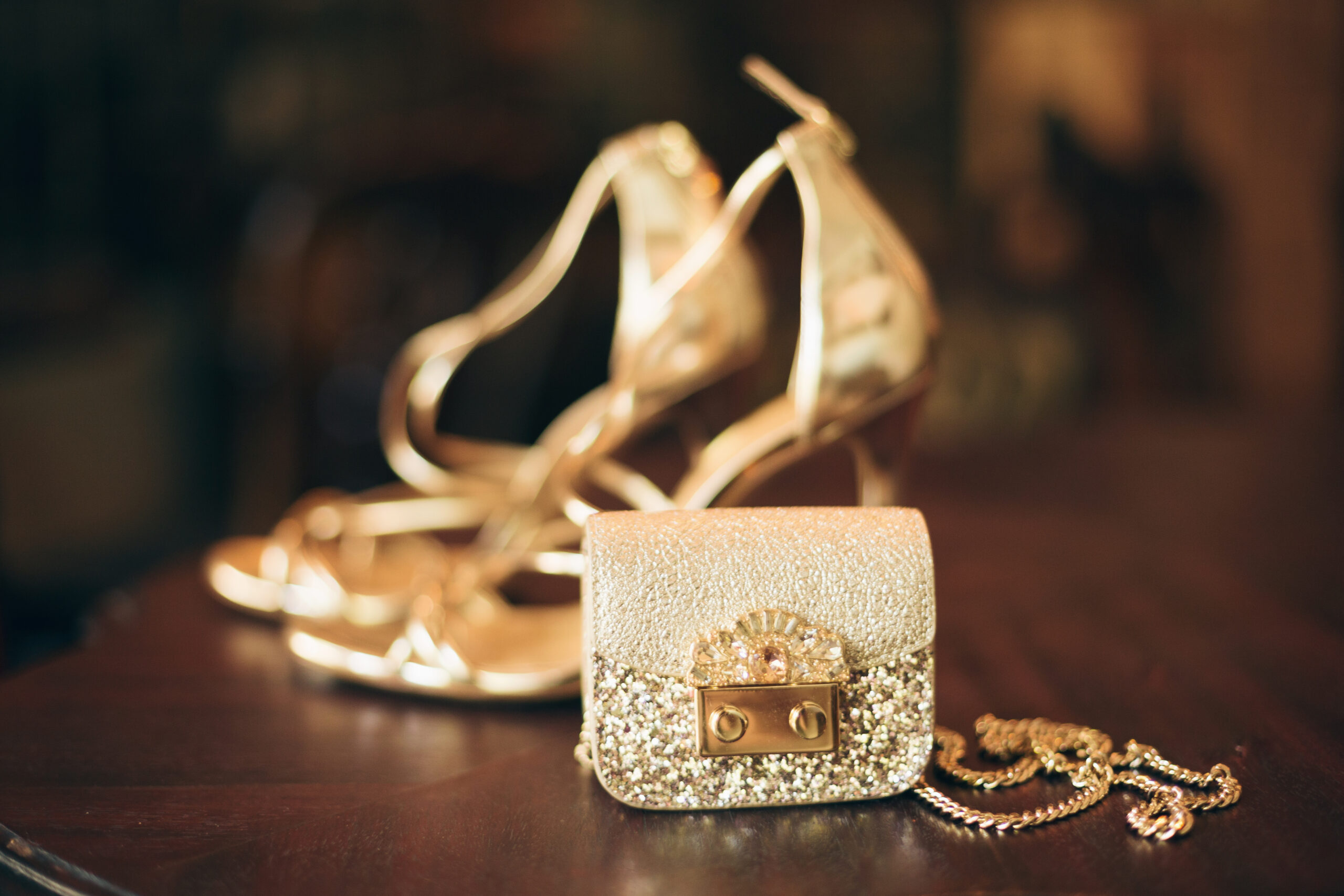
Luxury is not just about owning something expensive. It is about owning something that feels rare, meaningful, and difficult to access.
For luxury brands, exclusivity is more than a marketing strategy. It shapes how customers discover a product, experience a brand, and develop an emotional connection with it. A handbag, watch, or designer outfit becomes a symbol of personal taste, achievement, and identity.
In India,where premium consumption continues to evolve,this idea carries particular importance. Customers increasingly look beyond price and product quality. They also value craftsmanship, heritage, personalised service, and the feeling of belonging to a select group.
However, creating exclusivity requires more than raising prices or limiting stock. Brands must build genuine desire without making customers feel unwelcome.
This guide explores how luxury brands create that balance through storytelling, scarcity, customer experience, influencer marketing, and digital communication. It also explains how emerging premium brands can apply these principles without losing their authenticity.
- 1. Understanding the Psychology Behind Luxury Exclusivity
- 2. How Luxury Brands Build Exclusivity Through Scarcity
- 3. The Role of Heritage and Storytelling in Luxury Marketing
- 4. Personalised Experiences Make Customers Feel Special
- 5. How Luxury Brands Use Influencer Marketing
- 6. Digital Exclusivity: Making Online Experiences Feel Premium
- 7. The Indian Luxury Market: Opportunities for Brands
- 8. A Practical Guide for Brands Building Exclusivity
- 9. Common Mistakes Luxury Brands Should Avoid
- 10. Conclusion: What Brands Can Learn from Luxury Exclusivity
- About Hobo.Video
1. Understanding the Psychology Behind Luxury Exclusivity
1.1 Why people pay more for luxury
Luxury purchases often satisfy emotional needs that extend beyond the product itself. Customers may buy a designer watch to celebrate a career milestone. Others may choose a luxury handbag because it reflects their personal style.
Moreover, owning something rare can create a stronger emotional attachment. When customers believe a product represents their identity, they often value it more deeply.

Amplify Your Brand,
One Influence at a Time.
This is whereluxury marketing differs from ordinary product promotion.Mass-market brands usually highlight convenience, affordability, and practical benefits. Luxury brands focus on meaning, craftsmanship, heritage, and personal achievement.
Consequently, the customer does not simply purchase an object. They purchase a feeling, a story, and a connection.
1.2 The role of social identity
People naturally associate themselves with communities that reflect their interests and ambitions. Luxury products can become powerful symbols of that association.
For example, a collector might choose a particular watch because its design represents decades of craftsmanship. Another customer might prefer a heritage jewellery house because its creations reflect family traditions.
However, exclusivity works best when customers recognise its meaning themselves. Brands cannot simply announce that their products are special. They must give customers convincing reasons to believe it.
2. How Luxury Brands Build Exclusivity Through Scarcity
2.1 Limited-edition products create genuine demand
Scarcity is one of the oldest techniques in luxury marketing. When a brand produces a limited number of products, customers understand that availability may not last forever.
However, successful scarcity requires careful planning. A brand that releases too many supposedly exclusive collections can quickly lose credibility.
Consider a luxury watchmaker introducing a limited collection inspired by Indian architecture. The brand could produce a small number of pieces, explain the inspiration, and share details about the craftsmanship.
Customers would then understand why the collection deserves attention.
The product becomes more than another item on a shelf. It becomes a collectible with a distinct identity.
2.2 Waiting lists can strengthen desire
Some luxury purchases involve waiting periods, particularly when products require specialised craftsmanship or have limited production capacity.
A waiting list can make customers feel that they are participating in something valuable. It also gives the brand an opportunity to build a relationship before completing the sale.
Nevertheless, artificial delays can damage trust. Customers should understand whether a wait reflects genuine production limits or simply a sales tactic.
3. The Role of Heritage and Storytelling in Luxury Marketing
3.1 Every product needs a meaningful story
A luxury product becomes more desirable when customers understand the thinking behind its creation.
Brands can communicate their heritage through stories about their founders, signature designs, artisans, and manufacturing traditions.
For example, an Indian jewellery brand could explain how traditional techniques influence its modern collections. It could introduce the craftspeople who create intricate designs and describe the time required to complete each piece.
Such storytelling makes craftsmanship visible.
Instead of relying only on an expensive price tag, the brand demonstrates why its product deserves attention.
3.2 Heritage must remain relevant to younger customers
Younger consumers may appreciate tradition, but they also want brands to reflect their lifestyles.
Therefore, luxury brands should connect their heritage with contemporary culture. They can introduce modern designs, collaborate with emerging artists, and create experiences that appeal to younger audiences.
The goal is not to abandon tradition. It is to show how tradition continues to evolve.
4. Personalised Experiences Make Customers Feel Special
4.1 Exclusive service creates emotional value
Luxury customers often expect more than a smooth shopping experience. They want to feel recognised and understood.
Personalised service can include private appointments, tailored recommendations, product customisation, and invitations to exclusive events.
For instance, a luxury fashion store might remember a customer’s preferred colours and sizes. When a relevant collection arrives, the store can invite that customer for a private preview.
This approach makes the interaction feel thoughtful rather than transactional.
Moreover, personalised service can encourage repeat purchases because customers develop a relationship with the brand.
4.2 Private events strengthen customer relationships
Luxury brands frequently organise invitation-only experiences for selected customers.
These events may include collection previews, designer conversations, private dinners, or demonstrations of traditional craftsmanship.
Such experiences allow customers to interact with the brand beyond the shopping environment.
They also create opportunities for customers to meet people who share similar interests.
However, exclusivity should never become an excuse for poor service. Every customer deserves respect, regardless of their spending history.
5. How Luxury Brands Use Influencer Marketing
5.1 Choosing the right creators matters more than follower count
Influencer marketing can help luxury brands reach audiences who value their products and lifestyle.
However, luxury campaigns require careful creator selection. A large following does not automatically translate into credibility.
Brands should consider the creator’s content quality, audience relevance, personal values, and relationship with luxury products.
For example, a luxury watchmaker may collaborate with a creator who regularly discusses design, craftsmanship, and collecting.
That partnership can communicate product value more effectively than a generic promotional post.
5.2 Why selective partnerships protect brand identity
Luxury brands should avoid working with every creator who offers attractive reach.
Instead, they can build long-term relationships with creators whose personalities complement their brand identity.
A carefully selected creator can introduce a product through a personal story, an exclusive event, or a behind-the-scenes experience.
Consequently, the content feels more natural and meaningful.
For Indian brands, regional creators can also help communicate cultural relevance without making campaigns feel overly commercial.
6. Digital Exclusivity: Making Online Experiences Feel Premium
6.1 Private digital access
Digital channels allow luxury brands to reach customers without making every experience publicly available.
Brands can offer early access to selected collections, private shopping links, personalised recommendations, and exclusive online events.
For example, a customer who has purchased a particular collection could receive an invitation to preview its next release.
This creates a sense of continuity and recognition.
However, digital exclusivity should remain simple. Complicated access systems can frustrate customers and make the brand feel unnecessarily difficult to approach.
6.2 Social media should create desire, not constant noise
Luxury brands need a distinctive social media presence.
Instead of publishing promotional content every day, they can focus on carefully produced visuals, meaningful stories, and selected campaign moments.
Instagram, YouTube, and other platforms can showcase craftsmanship, design inspiration, and the people behind the products.
The objective is to create a consistent brand world.
Customers should recognise the brand through its visual language, tone, and storytelling, even before they see its name.
7. The Indian Luxury Market: Opportunities for Brands
7.1 A growing market with changing expectations
India presents significant opportunities for luxury businesses.
According toDeloitte’s 2024 Swiss Watch Industry Insights report,India’s luxury goods market was estimated at approximately $7 billion. The report projected substantial growth by 2030.
Deloitte also reported that around 60% of surveyed Indian consumers spent on luxury categories annually.
These figures indicate that luxury consumption extends beyond a small group of traditional buyers.
However, Indian customers also bring distinct expectations. They may value heritage, personalisation, cultural relevance, and experiences that reflect their lifestyles.
7.2 Indian craftsmanship can become a powerful differentiator
Indian luxury brands have an opportunity to build exclusivity around local craftsmanship.
Handwoven textiles, traditional jewellery techniques, fine leatherwork, and regional design traditions offer rich storytelling opportunities.
For example, a premium fashion label could introduce a limited collection created with skilled artisans from a particular region.
The brand could explain the techniques, materials, and people involved.
This approach creates a stronger connection between the product and its cultural roots.
It also allows Indian brands to compete through originality rather than simply copying international luxury trends.
8. A Practical Guide for Brands Building Exclusivity
8.1 Start with a clear brand identity
Before launching an exclusive collection, brands should define what makes their products distinctive.
This could include craftsmanship, design philosophy, materials, heritage, or customer experience.
Without a clear identity, exclusivity can become an empty marketing claim.
8.2 Create genuine reasons for limited access
Brands should limit availability only when there is a meaningful reason.
Acollection might involve specialised production,a unique collaboration, or a seasonal design.
The reason should be clear to customers.
8.3 Build relationships instead of chasing transactions
Luxury brands should invest in customer relationships through thoughtful service, relevant communication, and memorable experiences.
These interactions can create loyalty that lasts beyond individual purchases.
8.4 Measure more than immediate sales
Brands should also evaluate customer retention, repeat purchases, engagement quality, referral activity, and brand perception.
These measures help determine whether exclusivity is creating genuine value.
9. Common Mistakes Luxury Brands Should Avoid
9.1 Confusing high prices with exclusivity
A high price does not automatically make a product luxurious.
Customers expect quality, design, service, and a meaningful experience in return.
Brands that increase prices without improving value risk damaging their reputation.
9.2 Overusing influencer promotions
Too many promotional partnerships can make a luxury brand appear ordinary.
Brands should prioritise credibility and consistency over campaign volume.
9.3 Creating artificial scarcity
Customers may lose trust when brands repeatedly announce limited collections that remain widely available.
Scarcity should reflect genuine production or distribution decisions.
9.4 Ignoring digital customer experience
A luxury brand can lose credibility through a confusing website, slow customer support, or inconsistent online communication.
Therefore, digital experiences should reflect the same care as physical stores.
10. Conclusion: What Brands Can Learn from Luxury Exclusivity
Luxury exclusivity works when customers believe a brand offers something meaningful that they cannot easily find elsewhere.
The most successful luxury brands combine genuine scarcity, strong storytelling, thoughtful service, and consistent identity.
For brands looking to build premium positioning, the key lessons are simple.
Create products with a clear point of difference. Explain the craftsmanship behind them. Build relationships with customers. Use influencer marketing selectively. Offer experiences that feel personal and memorable.
Above all, make exclusivity meaningful rather than artificial.
Luxury brands do not create lasting desire by keeping everyone out. They create desire by giving customers a compelling reason to belong.
For Indian brands, this presents an opportunity to combine local craftsmanship, cultural identity, and modern marketing to build distinctive premium experiences.
About Hobo.Video
Hobo.Videois India’s leading AI-powered influencer marketing and UGC company. With a network of over 2.25 million creators, the platform offers end-to-end campaign management designed to support brand growth.
By combining AI technology with human strategy, Hobo.Video helps brands create meaningful connections with their audiences and improve campaign performance.
Its services include influencer marketing, UGC content creation, celebrity endorsements, product feedback and testing, marketplace and seller reputation management, and regional and niche influencer campaigns.
Hobo.Video has worked with leading brands, including Himalaya, Wipro, Symphony, Baidyanath, and the Good Glamm Group.
Ready to build a stronger brand presence? Register with Hobo.Video and discover how the right creators and authentic content can help your brand connect with customers, build trust, and grow.
Let’s create a growth roadmap built just for your brand.Register now.
Want brand deals that feel right for your content?Get started now.
Frequently Asked Questions
What makes luxury brands different from regular brands?
Luxury brands offer more than product quality. They build emotional value through craftsmanship, heritage, design, exclusivity, and personalised service. Customers often associate these products with achievement, identity, and personal taste. Unlike mass-market brands, luxury businesses usually focus on creating a distinctive experience rather than competing primarily on price. Their success depends on maintaining a consistent brand identity and delivering genuine value.
Why do luxury brands use limited-edition products?
Limited editions create scarcity and encourage customers to pay attention to a collection. They can also make products more desirable to collectors. However, limited availability works best when it reflects genuine production constraints or meaningful creative decisions. Brands should avoid artificial scarcity because it can damage customer trust. A well-designed limited collection gives customers a clear reason to value the product.
How does influencer marketing help luxury brands?
Influencer marketing helps luxury brands reach audiences through trusted creators. The right creator can communicate craftsmanship, product details, and brand values through personal experiences. However, luxury brands should prioritise credibility over follower count. Long-term partnerships with relevant creators often feel more authentic than frequent promotional campaigns. They also help brands maintain a consistent identity across digital platforms.
Can small businesses create a sense of exclusivity?
Yes. Small businesses can create exclusivity through distinctive products, limited collections, personalised service, and meaningful storytelling. They do not need expensive stores or celebrity endorsements. A brand can begin by offering carefully designed products and building close relationships with customers. Over time, these experiences can create a loyal community and strengthen premium positioning.
How can brands measure the success of exclusivity marketing?
Brand can evaluate exclusivity through customer retention, repeat purchases, engagement quality, referral activity, and brand perception. They should also monitor whether customers understand and value the brand’s distinctive qualities. Sales figures remain important, but they do not tell the complete story. Strong exclusivity should create lasting relationships and sustainable demand.

 Jyoti Pandey