
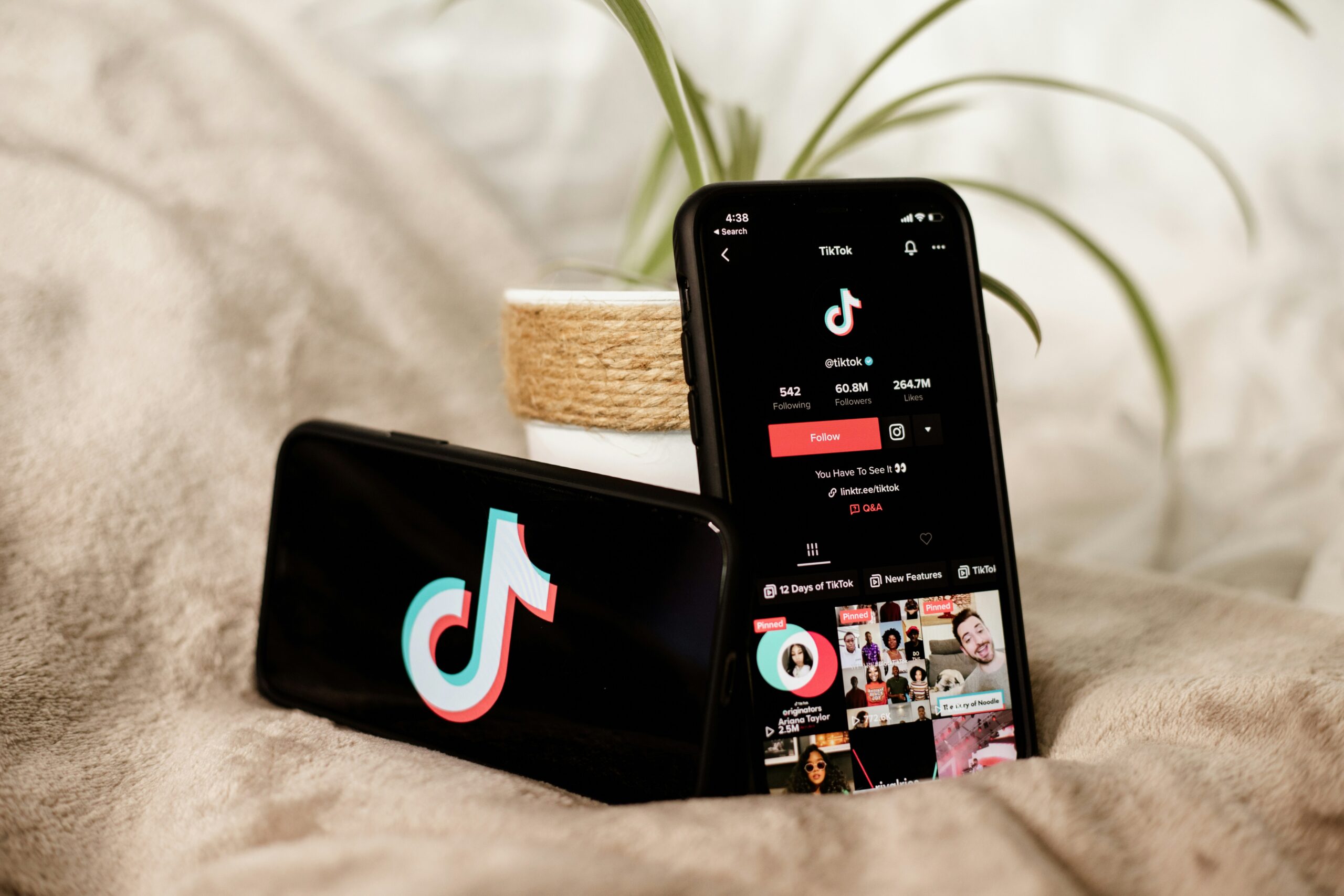
TikTok creator-led commerce is entering an interesting new chapter. TikTok has launched a standalone TikTok Shop app in selected Asian markets. The move signals a fresh attempt to make social shopping a destination rather than a feature inside an entertainment platform. Now, consumers can explore products, watch creator videos, browse livestreams, and shop through a dedicated experience. The launch could reshape how global brands approach influencer marketing, product discovery, and online retail.
For years, brands have watched creators influence what people buy. Someone watches a beauty tutorial, discovers a kitchen gadget, or sees a creator recommend a fashion product. Then, they leave the platform to complete their purchase. TikTok wants to reduce that distance between discovery and checkout. However, the new shopping app represents more than another e-commerce interface. It reflects a larger change in how creators, consumers, and brands interact.
The real opportunity lies in connecting entertainment with purchasing decisions. Yet, creator-led commerce requires more than viral videos and discount codes. Brands must understand creator credibility, product relevance, customer experience, and conversion measurement. They must also recognise that TikTok Shop operates differently across markets. For Indian marketers, the development offers valuable lessons even though TikTok remains unavailable in India.
- 1. What TikTok Creator-Led Commerce Means for Global Brands
- 2. How TikTok’s Shopping App Supports Creator-Led Commerce
- 3. How TikTok Shop Connects Creators, Content, and Purchases
- 4. What Global Brands Can Learn From TikTok’s Commerce Strategy
- 5. Creator-Led Commerce Opportunities for Indian Brands
- 6. How Brands Should Build a Creator-Commerce Strategy
- 7. Measuring Performance, Risks, and the Future of Social Shopping
- Key Takeaways: Turning Creator Content Into Commerce
- About Hobo.Video
1. What TikTok Creator-Led Commerce Means for Global Brands
1.1 TikTok is moving shopping into its own destination
TikTok has spent years connecting entertainment with product discovery. Now, the company is taking another step by giving shopping a separate destination.
On November 5, 2026, TechCrunch reported that TikTok had launched a standalone TikTok Shop app in selected Asian markets. The app appeared in Singapore, Malaysia, Thailand, and the Philippines. It was available through iOS and Android app stores in those markets. The reported features included personalized recommendations, livestream shopping, short product videos, checkout, order tracking, and customer support.
The development deserves attention because TikTok is no longer relying only on its main entertainment feed. Instead, it is creating a dedicated place for shoppers who want to browse and buy.
However, the rollout remains limited. TikTok has not confirmed a universal launch across every market. Brands should therefore distinguish the current launch from future expansion possibilities.

Amplify Your Brand,
One Influence at a Time.
The standalone app could help TikTok compete for shopping attention against established marketplaces. Yet, its success will depend on consumer habits, product selection, trust, delivery, and pricing.
1.2 Why a separate shopping app changes the conversation
A shopping feature inside a social app serves users who discover products while scrolling. A dedicated shopping app attracts people who intentionally open their phones to shop.
That distinction matters.
Imagine two consumers. The first watches a creator’s skincare video and clicks a product link. The second opens a shopping app because they want a new skincare product. TikTok’s standalone Shop app aims to serve both behaviours.
Consequently, the platform could move beyond accidental discovery. It may encourage users to develop a shopping habit around creator recommendations and personalised product feeds.
The new app also changes how brands think about product visibility. A product may appear through recommendations, livestreams, creator content, or shopping-related discovery. Therefore, brands need more than one promotional asset.
They must develop a consistent product story across multiple formats. A creator’s short video might introduce the product. A livestream could answer questions. Product listings could provide specifications and reviews.
However, this journey still depends on trust. Consumers will not automatically buy simply because shopping becomes convenient.
1.3 TikTok Shop is expanding beyond entertainment
TikTok’s commerce strategy reflects a wider ambition. The platform wants users to discover products, evaluate them, and complete transactions within its ecosystem.
Its existing TikTok Shop model already connects sellers, creators, videos, livestreams, and product listings. The company describes Shop as a system that enables direct selling through in-feed videos, LIVE videos, and creator or seller showcases. TikTok’s official Shop documentation explains these formats.
The new standalone app builds upon that foundation. Rather than removing entertainment, it places shopping at the centre of the experience.
This could make product discovery more intentional. Users might browse recommendations without first opening the traditional For You feed.
However, TikTok must balance convenience with entertainment. Shopping feeds can become repetitive when they show too many advertisements. Consumers still expect discovery to feel interesting and personalised.
Brands should understand this balance. A product video needs to provide value, not merely display an offer.
1.4 The launch reflects a larger social commerce trend
Social commerce connects social media discovery with shopping activity. It includes creator recommendations, livestream selling, shoppable videos, social storefronts, and affiliate links.
This model changes the traditional customer journey. Previously, shoppers often searched marketplaces for products. Now, creators can introduce products before consumers begin searching.
The difference is important.
A consumer may not realise they need a product until they see someone demonstrate it. A creator can show how a kitchen tool saves time. Another can explain why a particular skincare product suits a routine.
The recommendation creates interest before the purchase decision.
Consequently, brands need to think about discovery rather than relying only on search demand. They must create content that makes products understandable, relevant, and desirable.
However, social commerce does not eliminate traditional e-commerce. Consumers may still compare prices, read reviews, and search other marketplaces before buying.
TikTok’s challenge is to make the discovery experience convenient enough that users complete their purchases without leaving.
1.5 What the launch means for Indian marketers
The news is relevant to India, but an important limitation needs clarification.
India banned TikTok in June 2020 under Section 69A of the Information Technology Act. The Government of India included TikTok among 59 blocked applications. The official Press Information Bureau announcement explains the original decision.
In August 2025, government sources again clarified that no order had lifted the ban. TikTok also confirmed that access had not been restored.
Therefore, Indian brands should not assume they can open local TikTok Shop stores or use its affiliate system. The standalone shopping app’s launch does not automatically change India’s restrictions.
Nevertheless, Indian marketers can study its approach. Creator-led shopping strategies already influence campaigns across Instagram, YouTube, marketplaces, and other platforms.
The lesson is to prepare for changing commerce behaviour without depending on an unavailable platform.
2. How TikTok’s Shopping App Supports Creator-Led Commerce
2.1 Creator-led commerce connects influence with purchasing
Creator-led commerce describes a shopping model where creators help consumers discover, understand, evaluate, and purchase products.
The creator does not simply advertise a product. They contribute to the shopping experience itself.
For example, a fashion creator might demonstrate how a dress fits different body types. A technology creator could compare two headphones and explain their practical differences. A beauty creator might show how a product performs during an ordinary routine.
These demonstrations help consumers understand what they are buying. They also provide context that traditional product photographs often lack.
Creator-led commerce can include affiliate links, product tags, livestream shopping, creator storefronts, discount codes, and direct checkout. Different platforms offer different combinations.
However, the underlying principle remains consistent. A creator’s content helps move a consumer from curiosity toward a purchase.
This approach works best when creators genuinely understand the products they recommend. Otherwise, the content may generate attention without providing meaningful purchasing guidance.
2.2 Influencer marketing and creator commerce are related but different
Influencer marketing traditionally focuses on awareness, engagement, and audience influence. Creator commerce adds a stronger connection to transactions.
Consider a campaign promoting a new fragrance.
An influencer marketing campaign might publish a Reel showing the fragrance and its lifestyle appeal. The brand measures reach, views, engagement, and brand awareness.
A creator-commerce campaign could include that same Reel, followed by a product tag, affiliate commission, livestream demonstration, and direct shopping option.
The second campaign creates a more measurable purchase journey.
However, creator commerce does not replace awareness campaigns. A customer may discover a brand today and purchase several weeks later.
Brands should therefore combine different campaign objectives. Awareness introduces products. Consideration builds confidence. Commerce tools make buying easier.
This distinction also helps marketers select creators. A comedian might excel at awareness. A product reviewer may support consideration. A specialist creator could help explain complex features.
The most effective strategy uses creators according to their strengths.
2.3 Why consumers trust creator recommendations
Consumers often struggle to evaluate products through traditional advertisements.
A brand can describe a product as comfortable, durable, or easy to use. However, customers may want to see someone actually using it.
Creators can provide that experience through demonstrations, reviews, comparisons, and personal explanations.
A skincare creator might show the texture of a product. A travel creator could demonstrate how luggage fits into a cabin. A home creator might explain whether a kitchen appliance works in a small apartment.
These examples help consumers imagine the product in their own lives.
However, trust does not come automatically from a large follower count. Creators build credibility through consistency, expertise, transparency, and audience relationships.
A creator who recommends unrelated products every week may lose credibility. Meanwhile, a smaller creator with relevant knowledge may influence purchasing decisions more effectively.
Brands should therefore evaluate creator trust alongside reach.
2.4 The creator becomes part of the product discovery experience
Traditional online shopping begins with a product search or category page. Creator-led commerce often begins with a story.
A person watches a video about organising a small kitchen. They discover a storage product. The creator explains how it works and demonstrates its practical benefit.
The product becomes relevant because the consumer recognises a problem.
This approach can help brands introduce products that customers might not search for independently.
It also changes the role of content. Videos are no longer merely promotional assets. They can act as product demonstrations, reviews, recommendations, and shopping guides.
However, the content must answer real questions. Consumers want information about quality, price, sizing, delivery, and product performance.
Creators should avoid exaggerated claims. Instead, they should communicate what they know and explain any limitations.
That honesty can support stronger relationships between creators, brands, and customers.
2.5 Affiliate marketing gives creators a commercial incentive
Affiliate marketing allows creators to earn commissions from eligible purchases made through tracked links or product recommendations.
The model creates a direct relationship between content and sales.
For example, a creator might recommend a home appliance through an affiliate link. When a customer completes an eligible purchase, the creator receives an agreed commission.
TikTok Shop includes affiliate account options in supported markets. Creators can promote products through eligible content and shopping features.
However, affiliate marketing requires clear disclosure. Creators should explain when they receive compensation or commissions.
Brands should also establish commission terms before campaigns begin. They need clarity about eligible sales, refunds, attribution windows, and payment schedules.
Affiliate commissions can encourage creators to produce more product-focused content. Yet, brands should avoid rewarding sales at the expense of honesty.
A trustworthy recommendation should remain useful even when a product does not suit every customer.
2.6 Creator commerce is not limited to celebrity influencers
A common mistake is assuming that creator commerce requires famous personalities.
In reality, different creator sizes can support different commercial goals.
Large creators may introduce products to broad audiences. Mid-sized creators can combine reach with niche relevance. Smaller creators may provide detailed product education within specialised communities.
For example, a global electronics brand could work with a major technology creator for awareness. It could then collaborate with smaller creators who explain specific product features.
This approach allows brands to build several layers of influence.
However, marketers should not assume that smaller creators always generate better engagement. Performance depends on audience quality, content, category, and campaign execution.
The best influencer platform should help brands evaluate creators using relevant data. It should not simply rank accounts by follower count.
A creator’s commercial value depends on the audience they reach and the message they communicate.
3. How TikTok Shop Connects Creators, Content, and Purchases
3.1 Short-form videos introduce products through storytelling
Short-form video remains central to creator commerce because it combines visual demonstration with entertainment.
A product can appear within a few seconds. The creator can explain its purpose, show how it works, and demonstrate its benefit.
For example, a creator might begin with a familiar problem. Their phone battery keeps running out during travel. They introduce a portable charger and show how it fits into their routine.
The product becomes part of the story rather than an isolated advertisement.
TikTok Shop’s existing model allows sellers to sell through in-feed videos. Product discovery can therefore connect directly with shopping features.
However, short videos cannot answer every customer question. Creators should focus on the strongest product benefit and provide additional details through captions, product pages, or follow-up content.
A good video creates interest. A complete shopping experience helps consumers make informed decisions.
3.2 Livestream shopping creates real-time product interaction
Livestream commerce combines product demonstrations with live audience interaction.
A creator can show a product, answer questions, demonstrate features, and respond to customer concerns. Viewers can ask about sizing, colour, ingredients, or availability.
This interaction can make online shopping feel more personal.
Imagine a fashion creator hosting a livestream. Viewers ask about the fit of a jacket. The creator demonstrates its length and explains how different sizes look.
That interaction may help shoppers make more confident decisions.
Livestreams also create opportunities for limited-time promotions. However, brands should avoid fake scarcity or misleading countdowns.
A successful livestream requires preparation. Creators need product knowledge, reliable internet, clear demonstrations, and support for customer questions.
Brands should also plan inventory and fulfilment. A livestream can create demand quickly, but poor delivery experiences can damage customer trust.
3.3 Product recommendations can make shopping more personalised
TikTok’s standalone shopping app reportedly includes personalised product recommendations.
Personalisation can help consumers discover relevant products without searching through endless listings.
For example, someone who frequently watches cooking content might see kitchen accessories. A consumer interested in fitness could discover workout products.
However, personalisation creates responsibilities for platforms and brands.
Consumers should understand how recommendations influence what they see. Brands should also avoid assuming that algorithmic visibility guarantees sales.
Recommendation systems can change. Product performance may fluctuate. A campaign that succeeds today may receive less exposure tomorrow.
Therefore, brands should combine platform discovery with other marketing channels.
Email, search, marketplaces, websites, and creator communities can support a more stable customer acquisition strategy.
3.4 In-app checkout reduces shopping friction
Every additional step in a purchase journey can create friction.
A consumer watches a product video, opens a browser, searches for the item, compares listings, and completes checkout. During that process, they may become distracted or abandon the purchase.
Integrated shopping can reduce these steps.
A shopper might discover a product through creator content and complete checkout within the shopping environment.
However, convenience alone does not guarantee conversion.
Customers still need confidence in product quality, seller credibility, payment security, delivery, and return policies.
Brands should treat checkout as one part of the customer experience. Product information and customer support matter just as much.
The goal is not simply to shorten the purchase journey. It is to make the journey easier without removing important information.
3.5 Creator storefronts can become shopping destinations
Creator storefronts organise products around a creator’s recommendations.
A beauty creator might showcase skincare products. A technology creator could curate accessories. A home creator may organise products by room or use.
This format helps consumers browse recommendations without searching through every video.
However, storefronts require regular maintenance. Creators should remove unavailable products and update recommendations when their opinions change.
Brands should also avoid treating storefront placement as a guaranteed endorsement. Creators need the freedom to choose products that match their audience.
A well-organised storefront can support long-term discovery. It can also create opportunities for repeat purchases.
The strongest storefronts feel like useful collections rather than endless promotional catalogues.
3.6 The standalone app may change shopping habits
The standalone TikTok Shop app could encourage consumers to open TikTok specifically for shopping.
That would represent an important behavioural shift.
Previously, consumers might discover products while watching videos. Now, they could begin their shopping journey inside TikTok Shop itself.
This distinction could influence how brands plan campaigns.
A creator video might no longer serve only as a discovery asset. It could become part of a shopping environment where consumers actively compare products.
However, consumer behaviour will determine whether this approach succeeds.
Some shoppers prefer browsing dedicated marketplaces. Others enjoy discovering products through entertainment. Many will continue using both.
TikTok must prove that its shopping destination offers enough value to become a regular habit.
4. What Global Brands Can Learn From TikTok’s Commerce Strategy
4.1 Build content around customer problems
Brands often begin campaigns by listing product features. However, customers rarely connect with a feature until they understand its relevance.
Creator commerce works better when content starts with a problem.
A luggage brand could explore the frustration of packing for a short trip. A beauty brand might address makeup that fades during a busy day. A technology company could show how a product simplifies an ordinary task.
The creator then introduces the product as a relevant solution.
This approach allows brands to communicate benefits through real situations.
However, the problem must genuinely relate to the product. A forced connection can make the campaign feel artificial.
Creators should also avoid exaggerating customer frustrations. They need to present realistic situations that audiences recognise.
The most useful content helps customers understand why a product matters. It does not merely tell them that a product exists.
4.2 Treat creators as creative partners, not advertising placements
Creator commerce depends on the creator’s ability to communicate naturally.
Brands that provide rigid scripts may weaken that advantage. The content can begin to sound like a traditional advertisement.
Instead, brands should share campaign objectives and product information. Creators can then develop concepts that fit their audiences.
For example, a brand selling headphones might explain three important features. The creator could choose a suitable story, demonstration, or comparison.
The brand should review factual claims and mandatory disclosures. However, it should preserve the creator’s distinctive voice.
This collaboration can improve content quality and audience relevance.
Brands should also compensate creators fairly for their work. Writing, filming, editing, community interaction, and licensing all require time.
A strong partnership respects creative labour while maintaining commercial accountability.
4.3 Use several creators to communicate different product benefits
One creator rarely represents every customer segment.
A skincare brand might work with creators who focus on ingredients, routines, lifestyle, and product reviews.
Each creator can communicate a different benefit.
One creator may explain product texture. Another could demonstrate the routine. A third might discuss packaging and convenience.
This approach provides multiple perspectives.
However, brands should maintain consistent product information. Creators can express the message differently, but factual claims must remain accurate.
The campaign should also avoid repetitive content. If every creator publishes the same script, audiences may notice the duplication.
Instead, marketers should develop a shared creative framework. They can establish common objectives while allowing different stories.
This strategy helps brands build broader coverage without sacrificing authenticity.
4.4 Create content that supports several stages of the funnel
Creator commerce should not focus exclusively on immediate sales.
A consumer may need several interactions before purchasing. They might discover a product, watch a review, compare alternatives, and return later.
Brands should create content for each stage.
Awareness content introduces the product through entertainment or storytelling. Consideration content explains benefits, features, and differences. Conversion content communicates pricing, availability, offers, and purchase instructions.
For example, a technology brand could launch with a creator’s lifestyle video. It could follow with a detailed product comparison. Finally, it could publish a shopping-focused demonstration.
This approach gives consumers useful information at different moments.
However, brands should not assume that every customer follows the same path. Some consumers purchase immediately. Others research extensively.
The campaign should provide options rather than forcing everyone through one sequence.
4.5 Combine organic creator content with paid distribution
Organic content can help brands understand which stories resonate with audiences.
A creator may publish several videos. The brand can evaluate engagement, watch time, comments, and product interest.
Then, the strongest content may receive paid distribution.
This approach allows brands to test creative concepts before increasing spending.
However, paid usage requires permission. A brand should not assume that a creator’s original posting agreement includes advertising rights.
Contracts should clarify:
- Paid advertising permissions
- Content usage duration
- Geographic coverage
- Platform restrictions
- Editing and adaptation rights
- Creator identity and likeness usage
- Exclusivity requirements
These details protect both parties.
Brands should also avoid assuming that a successful organic video will perform equally well as an advertisement. Paid audiences may respond differently.
Testing remains essential.
4.6 Make customer experience part of creator strategy
Creator content can generate excitement. Yet, the shopping experience determines whether that excitement becomes satisfaction.
A customer may purchase because a creator recommends a product. However, poor packaging, delayed delivery, or inaccurate product descriptions can damage trust.
Brands should connect creator campaigns with operational readiness.
Before launching, teams should verify product availability, delivery capacity, customer support, and return policies.
They should also prepare answers to common questions. Creators may receive comments about sizing, ingredients, shipping, or product compatibility.
Brands should provide accurate information before the campaign begins.
This approach helps creators communicate confidently. It also reduces the risk of misleading customers.
Commerce campaigns should not end when the video goes live. They should continue through fulfilment, support, and customer feedback.
5. Creator-Led Commerce Opportunities for Indian Brands
5.1 India can learn from TikTok Shop without accessing TikTok
TikTok remains blocked in India. Therefore, Indian brands cannot directly treat the standalone TikTok Shop app as a domestic sales channel.
However, the underlying creator-commerce model remains relevant.
India has a large ecosystem of digital creators, e-commerce platforms, social media channels, and online shoppers.
Brands can apply similar principles through available channels. Instagram creators can demonstrate products. YouTube creators can provide reviews. Marketplace videos can explain product features. Affiliate programmes can reward eligible purchases.
The central idea remains the same: creators help consumers discover products and make informed decisions.
Indian marketers should therefore study international commerce developments without assuming identical platform access.
This is particularly important for businesses planning global expansion.
A brand targeting Southeast Asia, Europe, or the United States may need market-specific creator partnerships. Meanwhile, its Indian campaigns should use platforms and commerce tools available locally.
5.2 Instagram and YouTube offer alternative creator-commerce opportunities
Indian brands can connect creator content with shopping through several channels.
Instagram supports product discovery through Reels, Stories, and creator partnerships. YouTube supports product reviews, tutorials, Shorts, and affiliate content where eligible programmes are available.
Brands can also connect creator videos with marketplace listings and product pages.
For example, a fashion creator could demonstrate styling options. The brand can link the content to its website or marketplace listing.
A technology creator could explain product specifications. The audience can then visit a detailed product page.
However, platform features and affiliate availability vary by country and account eligibility.
Brands should verify current rules before planning campaigns.
They should also avoid relying entirely on one platform. A diversified creator strategy can reduce the impact of changing algorithms or platform policies.
5.3 Regional creators can strengthen product discovery
India’s creator landscape includes audiences who consume content in different languages and cultural contexts.
Regional creators can help brands communicate through familiar expressions, local references, and everyday experiences.
A Tamil creator may explain a product differently from a Bengali creator. A Marathi lifestyle creator may understand regional shopping habits. A creator speaking Hinglish may connect with a different audience segment.
This diversity can support product discovery across India.
However, regional creator marketing requires more than translating a national campaign.
Humour, cultural references, and purchasing habits vary across regions. Brands should give creators room to adapt ideas.
They should also evaluate audience relevance and content quality.
Regional creators can help brands communicate locally while maintaining a consistent overall message.
5.4 Indian brands should prepare for commerce-first creator campaigns
Indian marketers can start preparing for creator commerce even without TikTok Shop.
They can build affiliate programmes, product demonstration libraries, creator partnerships, and conversion tracking.
For example, a brand might work with creators to produce product videos for its website. It could also publish demonstrations on social media and marketplace listings.
These assets can support product discovery across different channels.
However, brands should establish clear content rights before reusing creator videos.
They should also develop consistent product information and customer support processes.
Creator commerce requires coordination between marketing, sales, operations, and customer service.
The strongest campaigns connect all these functions.
5.5 Indian marketers should monitor international expansion carefully
TikTok Shop’s standalone app is currently reported in selected Asian markets. Future expansion could create opportunities for brands targeting those regions.
However, marketers should not assume that TikTok will launch the app everywhere.
Brands should monitor official announcements, seller eligibility, market availability, payment systems, and shipping requirements.
They should also evaluate whether their products suit local consumers.
For example, a fashion brand entering Southeast Asia may need different sizing information and product positioning. A beauty brand may need region-specific packaging or regulatory checks.
International creator commerce requires local understanding.
A global campaign should not simply reuse Indian content with translated captions.
Instead, brands should combine central strategy with local creative execution.
5.6 Global expansion requires market-specific creator selection
A creator who performs well in one market may not perform equally well elsewhere.
Audience behaviour, humour, product preferences, and purchasing power differ across countries.
Brands should evaluate creators using local audience data.
They should also consider language, delivery coverage, payment methods, product availability, and cultural expectations.
For example, a creator with strong engagement in Singapore may not reach relevant customers in Thailand.
Therefore, marketers should build separate creator plans for different markets.
A global campaign can share a central product message. However, local creators should adapt the story to their audiences.
This approach supports relevance while maintaining brand consistency.
6. How Brands Should Build a Creator-Commerce Strategy
6.1 Define the business objective before selecting creators
Brands should begin by deciding what the campaign needs to achieve.
Is the goal product discovery? Sales? Customer acquisition? Product education? Repeat purchases?
Each objective requires different creators and content formats.
An awareness campaign may prioritise reach and storytelling. A conversion campaign may focus on demonstrations, product comparisons, and affiliate links.
However, brands should avoid trying to achieve every objective through one video.
A campaign needs a clear primary goal.
Once the objective is established, marketers can identify the audience and select suitable creators.
This process prevents teams from choosing creators simply because they are popular.
The creator should fit the campaign’s commercial purpose.
6.2 Build a creator shortlist using relevant criteria
Creator selection should involve more than follower counts.
Brands should examine audience demographics, engagement quality, content style, product relevance, and previous partnerships.
They should also review comments and audience behaviour.
A creator may have a large audience but limited relevance to the product. Another may have fewer followers but a strong connection with potential customers.
Brands should evaluate:
- Audience location and language
- Content quality
- Average performance across recent posts
- Engagement authenticity
- Product-category relevance
- Brand safety
- Previous commercial partnerships
- Creator professionalism
- Affiliate or conversion history where available
These factors can help marketers identify better partnerships.
However, no creator score guarantees success. Campaign performance depends on the product, offer, creative concept, and customer experience.
Brands should combine data with human judgement.
6.3 Create a brief that supports original storytelling
A creator-commerce brief should explain the campaign’s purpose.
It should include the product, target audience, key benefit, required claims, disclosure rules, and intended action.
However, the brief should not prescribe every line.
Creators need freedom to develop stories that match their style.
For example, a brand selling a travel accessory could explain its practical benefits. The creator might develop a travel routine, packing demonstration, or comparison.
The brand should review the concept before production.
It should also provide accurate information about product features and limitations.
This process allows the creator to communicate confidently while protecting the brand.
6.4 Develop content for different shopping moments
Consumers do not all shop in the same way.
Some discover products through short videos. Others watch detailed reviews. Some prefer livestream demonstrations.
Brands should develop content that supports these different behaviours.
A short video can introduce a product. A longer review can explain features. A livestream can answer questions. A product page can provide specifications and purchasing information.
However, each format should have a clear purpose.
Brands should avoid publishing repetitive content simply to increase volume.
Instead, they should create useful variations.
This approach helps consumers explore products according to their needs.
6.5 Use affiliate commissions carefully
Affiliate commissions can encourage creators to promote products.
However, commission structures should be transparent and commercially sustainable.
Brands should consider product margins, discounts, returns, shipping, and payment fees.
A high commission may attract creators but reduce profitability.
A low commission may discourage creators from prioritising the product.
Therefore, brands should calculate the economics before launching an affiliate programme.
They should also define attribution rules.
For example, the programme should explain how long a click remains eligible for commission. It should also clarify how refunds and cancellations affect payouts.
Transparent terms support stronger creator relationships.
6.6 Establish product and inventory readiness
Creator campaigns can generate sudden demand.
Brands should confirm inventory before publishing promotional content.
They should also check delivery capacity and customer support readiness.
Imagine a creator recommends a popular product. The video performs well, but the product sells out immediately.
The brand may lose sales and frustrate customers.
Therefore, marketers should coordinate campaign timing with operations.
They should also prepare alternative products or restocking information where appropriate.
Product availability should remain accurate throughout the campaign.
Brands should avoid advertising products they cannot reasonably fulfil.
6.7 Protect creator rights and brand reputation
Creator commerce involves commercial relationships and content ownership.
Brands should establish contracts before production.
Contracts should define deliverables, payment, timelines, usage rights, exclusivity, revisions, and disclosure requirements.
They should also clarify whether brands can reuse creator content in paid advertisements.
Creators should understand how their image, voice, and content may appear.
Brands should avoid extending rights beyond the agreed terms.
These agreements protect both parties.
They also reduce disputes when campaigns perform well and brands want additional usage.
A successful partnership should create value without compromising creator independence.
7. Measuring Performance, Risks, and the Future of Social Shopping
7.1 Measure sales alongside content engagement
Views and likes help marketers understand content performance. However, creator commerce needs stronger measurement.
Brands should track product clicks, conversion rates, purchases, revenue, and customer acquisition costs.
They should also consider the creator’s contribution to product discovery.
For example, a creator video may generate interest today. A customer might purchase several days later after comparing products.
Therefore, brands should avoid relying on immediate sales alone.
They can use affiliate links, unique discount codes, UTM parameters, product tags, and campaign-specific landing pages.
These methods help connect creator content with commercial outcomes.
However, attribution remains imperfect. Customers may use multiple channels before purchasing.
Brands should combine quantitative tracking with customer surveys and qualitative feedback.
7.2 Understand conversion rate and return on investment
Conversion rate measures the proportion of visitors who complete a desired action.
For example:
Conversion Rate = Conversions ÷ Visitors × 100
Suppose a creator campaign sends 5,000 visitors to a product page. If 250 visitors purchase, the conversion rate equals 5%.
However, conversion rate alone does not indicate profitability.
Brands must also consider campaign costs, product margins, discounts, fulfilment, and returns.
A useful ROI formula is:
ROI = (Incremental Profit − Campaign Cost) ÷ Campaign Cost × 100
Suppose a campaign costs ₹2 lakh and generates ₹4 lakh in incremental profit. Its ROI would be 100%.
However, marketers should distinguish incremental profit from attributed revenue.
ROAS measures revenue relative to advertising expenditure. It does not automatically account for profitability.
Creator commerce should therefore use several financial metrics.
7.3 Compare creator performance fairly
Brands should not compare creators only by total sales.
Creators may promote products at different price points. Their audiences may also differ in size and purchasing behaviour.
A creator selling affordable products may generate many transactions. Another may produce fewer purchases but higher revenue.
Brands should evaluate performance according to campaign goals.
Useful metrics include:
- Cost per acquisition
- Revenue per creator
- Conversion rate
- Average order value
- Affiliate commission cost
- Return on ad spend
- Customer acquisition cost
- Product return rate
- Repeat purchase rate
However, these metrics need context.
A creator who generates strong awareness may not produce immediate conversions. Another creator may reach fewer people but attract highly qualified customers.
The campaign should reward the outcome that matters most.
7.4 Avoid overreliance on last-click attribution
Last-click attribution assigns credit to the final interaction before purchase.
However, creator commerce often involves several interactions.
A customer might discover a product through a creator, read reviews on a marketplace, search for the brand, and purchase later.
Last-click measurement may credit the marketplace or search channel.
This can undervalue the creator’s contribution.
Brands should consider assisted conversions, customer surveys, and attribution windows.
They can also compare campaign performance before and after creator activity.
However, these methods do not prove causation automatically.
Marketers should interpret results carefully and avoid claiming that every sale came directly from a creator.
7.5 Address disclosure and consumer trust
Creator commerce creates a responsibility to communicate commercial relationships clearly.
Consumers should understand when creators receive payment, commissions, products, or other benefits.
Brands and creators should follow applicable advertising disclosure rules.
In India, the Advertising Standards Council of India provides guidance on influencer advertising disclosures. Its Influencer Advertising Guidelines explain expectations for identifying commercial content.
Brands should ensure disclosures remain visible and understandable.
They should not rely on vague language that consumers may overlook.
Creators should also make honest claims about products.
A commission should never encourage misleading recommendations.
Trust remains essential to long-term creator commerce.
7.6 Protect consumers from misleading product claims
Creator videos can influence purchasing decisions quickly.
Therefore, brands must ensure that product claims remain accurate.
This is especially important for beauty, health, finance, technology, and other categories involving specific claims.
Creators should receive verified product information.
Brands should explain which claims they can make and which require additional evidence.
They should also avoid asking creators to present personal experiences they have not actually had.
A product review should reflect genuine experience.
Similarly, synthetic or AI-generated testimonials should not mislead consumers into believing that real customers provided them.
Clear communication protects consumers and brand reputation.
7.7 Understand the risks of platform dependence
TikTok Shop may offer valuable commerce opportunities. However, brands should avoid building their entire business around one platform.
Platform algorithms can change. Fees may increase. Seller eligibility may shift. Market access can also change unexpectedly.
Brands should develop independent customer relationships.
They can maintain websites, email lists, customer support systems, and other marketing channels.
This approach reduces dependence on a single platform.
It also allows brands to build long-term customer value.
Creator commerce should support the wider business rather than replace every other sales channel.
7.8 AI influencer marketing could support creator commerce
AI influencer marketing may help brands manage creator discovery, campaign planning, content analysis, and performance reporting.
AI tools can support repetitive tasks. They may help identify suitable creators, organise product information, and compare campaign results.
However, technology should not replace human judgement.
Creator selection requires cultural understanding, audience context, and creative evaluation.
AI-generated content also raises questions about transparency, consent, and identity.
Brands should clearly distinguish real creator content from synthetic material.
They should also obtain permission before using a creator’s likeness or voice in AI-generated assets.
Responsible AI influencer marketing can support efficiency while protecting creator trust.
7.9 AI UGC can help brands test content ideas
AI UGC refers to user-generated-content-style assets created or assisted by artificial intelligence.
Brands may use AI UGC for concept testing, product visualisation, or creative experimentation.
However, synthetic content should not pretend to be a genuine customer testimonial.
Brands must disclose synthetic content where required and avoid misleading audiences.
Human creators remain valuable because they bring real experiences, personality, and audience relationships.
AI can support production, but it cannot automatically create genuine customer trust.
Brands should therefore treat AI UGC as one tool within a broader content strategy.
7.10 What the future of creator-led commerce could look like
Creator-led commerce may become more integrated with shopping platforms.
Consumers could discover products through videos, ask questions through AI assistants, compare recommendations, and purchase without leaving the platform.
However, this future depends on consumer acceptance.
People may appreciate convenience but remain cautious about privacy, advertising, and product quality.
Brands must therefore focus on useful content and trustworthy recommendations.
Creators may also develop more specialised commercial roles.
Some could focus on product education. Others may build affiliate storefronts or host livestream shopping events.
However, creators should maintain their independent voice.
The strongest future partnerships will combine creativity, transparency, product relevance, and customer experience.
Key Takeaways: Turning Creator Content Into Commerce
TikTok’s standalone shopping app represents an important development in creator-led commerce. It places shopping at the centre of an experience built around entertainment and discovery.
However, the bigger opportunity extends beyond TikTok.
Brands can learn how creators influence product discovery, explain benefits, build trust, and encourage purchasing decisions. These lessons apply across social platforms, marketplaces, and e-commerce channels.
Here are the most important takeaways:
- Creator content can drive product discovery: Consumers may discover products through stories, demonstrations, and recommendations.
- Commerce is becoming more integrated: Social platforms increasingly connect content with product listings and checkout.
- Creators influence more than awareness: Their content can support consideration, education, and purchasing decisions.
- Authenticity remains important: Consumers need honest recommendations and transparent commercial disclosures.
- Creator selection requires context: Audience relevance and creative ability matter more than follower counts alone.
- Short videos introduce products: Demonstrations and relatable stories can help explain product benefits.
- Livestreams support interaction: Creators can answer questions and demonstrate products in real time.
- Affiliate programmes connect content with sales: Brands can reward eligible purchases through transparent commission structures.
- Indian brands can learn internationally: TikTok Shop is unavailable in India, but creator-commerce principles remain useful.
- Regional creators offer local relevance: Language, cultural context, and audience understanding can strengthen campaigns.
- Measurement needs financial context: Brands should track conversions, costs, margins, and customer acquisition.
- Platform dependence creates risk: Businesses should maintain their own customer relationships and marketing channels.
- AI should support creativity: AI influencer marketing and AI UGC can improve workflows, but trust and consent remain essential.
- Creator rights need clear agreements: Brands must define content usage, advertising permissions, and compensation.
- Customer experience completes the campaign: Delivery, support, returns, and product quality influence long-term trust.
The future of creator commerce will not belong only to brands with the largest budgets. It will favour businesses that understand their customers and work with creators thoughtfully.
The whole truth is that a creator can inspire a purchase, but a product must still deliver value. Entertainment creates interest. Trust creates confidence. A strong customer experience creates lasting relationships.
For brands exploring influencer marketing India, international creator-commerce developments offer valuable strategic lessons. Businesses should study new shopping models while building campaigns around platforms their customers can actually access.
About Hobo.Video
Hobo.Video is India’s leading AI-powered influencer marketing and UGC company. With over 2.25 million creators, it offers end-to-end campaign management designed for brand growth. The platform combines AI technology with human strategy to help businesses create meaningful creator partnerships and improve campaign performance.
As a top influencer marketing company, Hobo.Video helps brands connect with relevant creators and develop content that supports their business goals. Its approach combines creator expertise, campaign planning, and technology.
Hobo.Video Services
- Influencer marketing
- UGC Videos and content creation
- Celebrity endorsements
- Product feedback and testing
- Marketplace and seller reputation management
- Regional and niche influencer campaigns
- AI influencer marketing solutions
- AI UGC content strategies
Hobo.Video works with brands such as Himalaya, Wipro, Symphony, Baidyanath, and the Good Glamm Group.
Whether a business wants to collaborate with famous Instagram influencers, discover top influencers in India, or build creator-led commerce campaigns, Hobo.Video supports brands throughout the process.
The platform helps businesses understand how to become an influencer marketing partner, identify suitable creators, and develop campaigns that connect content with business outcomes.
For brands exploring the best influencer platform, Hobo.Video offers campaign management and creator discovery support. Businesses can also explore influencer marketing strategies and UGC content strategies to understand how creator content can support growth.
Ready to build your next creator-led campaign?
Stop wondering what’s next. Let’s unlock your true brand growth potential. We’re just a click away.
If you’re an influencer creating awesome content, brands should see it. Let’s make that happen.
Frequently Asked Questions
What is TikTok’s new standalone shopping app?
TikTok’s standalone shopping app is a separate destination for TikTok Shop. It reportedly launched in Singapore, Malaysia, Thailand, and the Philippines in November 2026. The app offers product recommendations, shopping videos, livestreams, checkout, order tracking, and customer support. It aims to make TikTok shopping a more intentional activity. However, availability remains limited, and TikTok has not confirmed a global launch schedule.
Is TikTok Shop available in India?
No. TikTok remains blocked in India following the Government of India’s June 2020 decision. The standalone TikTok Shop app’s launch does not change that restriction. Indian brands cannot assume they can register local TikTok Shop stores or use its affiliate commerce features. However, businesses can explore creator-led commerce through available social media platforms, marketplaces, affiliate programmes, and their own websites.
What does creator-led commerce mean?
Creator-led commerce connects creator content with product discovery and purchasing. Creators demonstrate products, explain features, share recommendations, and sometimes earn affiliate commissions. Shopping tools can connect their videos with product listings and checkout. The model combines influencer marketing with e-commerce. However, effective creator commerce requires honest recommendations, product relevance, clear disclosures, and a reliable customer experience.
How does TikTok Shop help creators earn money?
Eligible creators can participate in affiliate programmes and promote products through supported TikTok Shop features. Depending on market rules, creators may earn commissions from qualifying purchases. Some creators also receive brand sponsorships or other commercial opportunities. However, commission rates, account eligibility, and payment rules vary. Creators should review official marketplace terms before promoting products.
Can global brands sell through TikTok Shop?
Brands can sell through TikTok Shop in supported markets, subject to seller eligibility and platform requirements. They generally need to complete registration, provide business information, list products, and manage fulfilment. However, availability varies by country. Brands should check TikTok’s official Seller Center before planning market entry. They should also verify local tax, payment, shipping, and product compliance requirements.

 Anooshka Pandey