
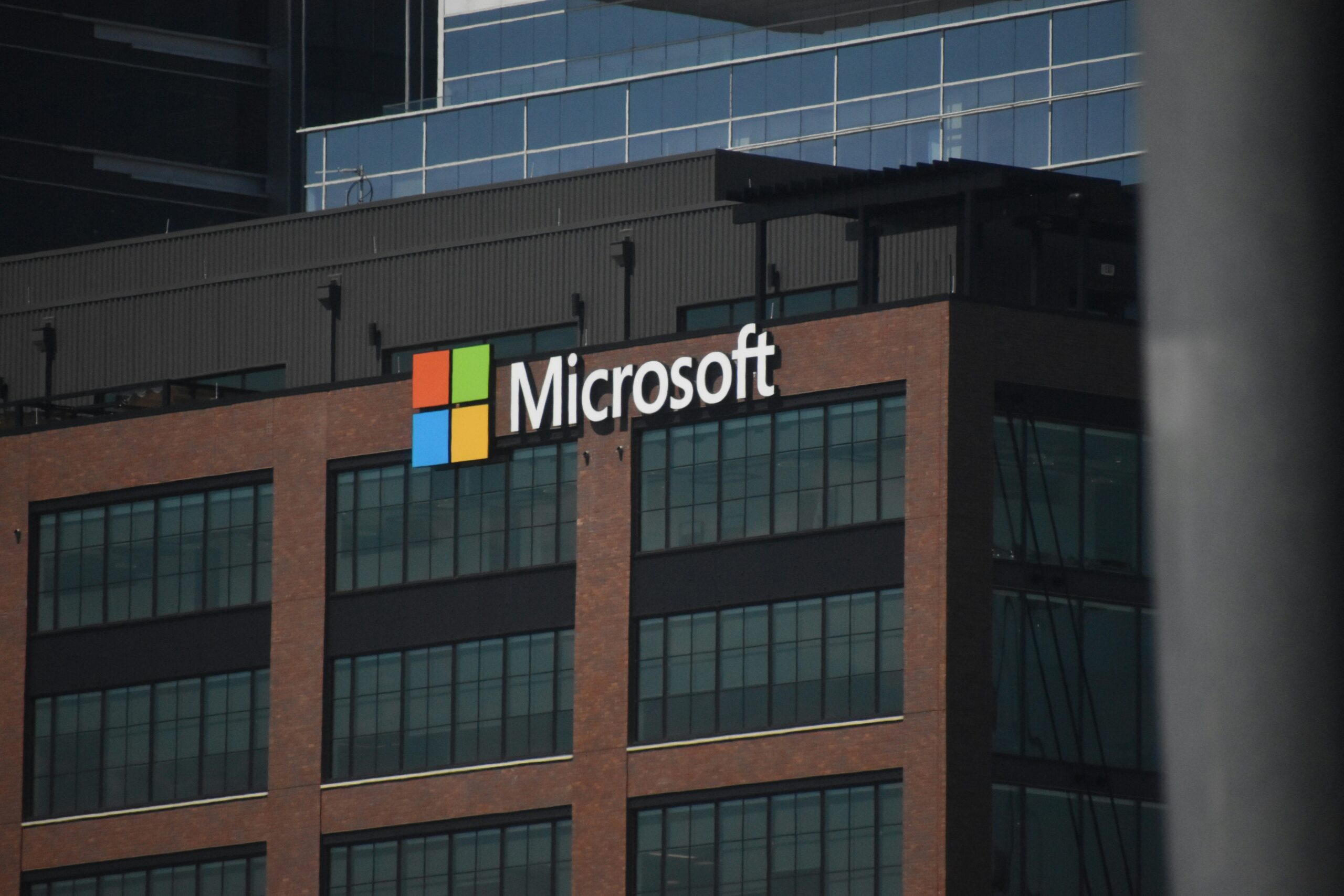
Pinterest has taken an important step towards expanding its advertising ecosystem. The Pinterest Microsoft Ads integration creates a new route for advertisers to reach people through visual discovery. Announced on November 23, 2026, the partnership connects eligible Microsoft Advertising campaigns with Pinterest’s advertising inventory. As a result, advertisers can potentially reach consumers while they search for ideas, save inspiration and explore products. The Pinterest Microsoft Ads integration also brings a different kind of opportunity to performance marketers. It connects search advertising with a platform where people often discover products before they know exactly what they want to buy.
This development matters because online shopping journeys rarely follow one straight path. Someone may begin with a search for home décor ideas. Later, they may compare furniture styles, save room layouts and explore products. Pinterest supports these discovery moments through images, videos and product-related Pins. Microsoft Advertising, meanwhile, gives advertisers access to established search and programmatic buying workflows. Bringing these environments together could help brands reach consumers across more stages of their decision-making process.
- 1. What Pinterest Announced in November 2026
- 2. Why Pinterest’s Audience Creates an Advertising Opportunity
- 3. How the Pinterest Microsoft Ads Integration Could Change Advertising Strategies
- 4. Which Brands and Industries Could Benefit?
- 5. How Advertisers Should Prepare for the Integration
- 6. What This Development Means for Influencer Marketing, UGC and Hobo.Video
- Conclusion: What Advertisers Should Learn From Pinterest’s Microsoft Ads Integration
- Key takeaways for brands and marketers
- About Hobo.Video
However, advertisers should understand what Pinterest actually announced. The integration does not mean every Microsoft campaign will automatically appear on Pinterest. It applies to eligible campaigns and uses a custom contextual bidding model. Moreover, the initial rollout covers North America, Australia and New Zealand. India is not included in the announced launch markets. Therefore, Indian advertisers should view this as an important development to monitor rather than an immediately available advertising option.
1. What Pinterest Announced in November 2026
1.1 Understanding the Microsoft Advertising partnership
On November 23, 2026, Pinterest announced a new integration with Microsoft Advertising. The announcement allows eligible Microsoft Advertising campaigns to access Pinterest’s open-auction inventory. These placements include the home feed, search results and related Pins. Consequently, advertisers using Microsoft’s advertising ecosystem may gain another environment for reaching potential customers.
The announcement introduces a custom contextual bidding model. This model uses Pinterest search queries, contextual signals and first-party intent data. It helps identify relevant advertising opportunities across Pinterest’s visual discovery environment. Pinterest also says the integration uses Pinterest Intelligence. This system combines visual understanding technology and behavioural signals to interpret people’s interests.
Importantly, advertisers will not need separate buying tools for this integration. Pinterest says the partnership uses programmatic infrastructure. Therefore, eligible campaigns can access its inventory through existing Microsoft Advertising workflows. However, neither company has published complete eligibility requirements, pricing details or a confirmed activation date. Advertisers should avoid assuming that every existing campaign will qualify.
1.2 Where Microsoft advertisers can reach Pinterest audiences
The integration covers three major Pinterest advertising environments. Each offers a different opportunity for brands.

Amplify Your Brand,
One Influence at a Time.
- Pinterest home feed: Ads can potentially reach people while they browse personalised inspiration and recommendations.
- Pinterest search: Advertisers can connect with users exploring specific ideas, categories and products.
- Related Pins: Ads can appear alongside content connected to the Pins people already explore.
These placements matter because Pinterest does not function like a traditional social feed alone. People visit the platform to discover ideas and plan future activities. For example, someone searching for a wedding outfit may also explore jewellery, makeup and venue inspiration. Similarly, someone researching a new kitchen may discover appliances, storage products and interior design services.
Therefore, Pinterest offers advertisers opportunities beyond immediate product searches. Brands can reach people while their preferences are still developing. However, contextual relevance remains important. An advertisement must make sense alongside the content a person is exploring. Otherwise, additional reach may create impressions without meaningful engagement.
1.3 What the announcement does not confirm
The announcement creates opportunities, but several operational details remain unknown. Pinterest has not published a complete list of eligible Microsoft campaign types. It has also not confirmed the exact advertising formats that will appear across its inventory. Furthermore, the companies have not provided a public launch date.
Advertisers should also seek clarity about reporting and attribution. Pinterest refers to familiar measurement tools and workflows. However, the announcement does not explain every reporting detail. For example, marketers will want to understand how Pinterest placements appear in campaign reports. They will also want clear information about conversion attribution, placement controls and brand safety.
These details matter when advertisers evaluate performance. A campaign can generate additional reach without producing profitable conversions. Therefore, marketers should not treat the announcement as proof of improved return on advertising spend. Instead, they should wait for operational documentation and test the integration when eligible access becomes available.
2. Why Pinterest’s Audience Creates an Advertising Opportunity
2.1 Pinterest is more than an inspiration platform
Pinterest occupies an interesting position between search, social discovery and online shopping. Users often visit with a specific interest or planning goal. They may search for outfit ideas, travel destinations, recipes, home improvements or product recommendations. Then, they save Pins and return to them during later decisions.
This behaviour creates a useful environment for advertisers. A person exploring skincare routines may eventually compare moisturisers and sunscreen products. Someone collecting travel inspiration may later research hotels and luggage. Similarly, a person planning a home renovation may discover furniture brands and home improvement services.
The platform’s discovery-led behaviour gives brands a chance to participate earlier. Traditional search advertising often responds to an expressed query. Pinterest can also help brands connect with visual interests and related ideas. Nevertheless, advertisers should distinguish discovery intent from immediate buying intent. Someone saving an inspiration image may not purchase that product today. The advertising message should reflect that difference.
2.2 The numbers behind Pinterest’s commercial potential
Pinterest highlighted several audience figures in its November 2026 announcement. The company reported 661 million monthly active users. It also reported more than 80 billion monthly searches across the platform. According to Pinterest, more than half of these searches have commercial intent.
Another important figure concerns unbranded searches. Pinterest reported that more than 96% of text searches are unbranded. This means users frequently explore categories, ideas and product needs without naming a specific brand. For advertisers, this creates opportunities to introduce products during early discovery.
These figures help explain why the integration matters. Microsoft advertisers may gain access to an environment with substantial search activity. They can potentially reach consumers beyond searches that already mention a particular company. However, audience scale alone does not guarantee business results. Brands still need relevant creative, suitable targeting and clear landing pages.
2.3 Why unbranded searches matter to advertisers
Consider a person searching for a comfortable work-from-home setup. They may not know which chair brand they want. Instead, they explore ergonomic desk ideas, lighting, storage and room layouts. This gives several relevant brands an opportunity to enter the discovery journey.
A furniture company could show a product-focused Pin. A lighting brand could introduce a workspace collection. An office accessories company could present a useful buying guide. Each advertiser can connect its offering with the user’s broader interest.
This is different from targeting only people who already search for a brand name. Unbranded discovery can help businesses reach potential customers before brand preferences become fixed. However, advertisers must avoid assuming that every unbranded search signals purchase readiness. Some users simply collect ideas.
Consequently, campaign planning should consider the user’s likely stage. Inspiration-led creative may work better during early discovery. Product comparisons and offers may suit users showing stronger buying signals. A useful advertising strategy connects these messages rather than presenting the same promotion everywhere.
3. How the Pinterest Microsoft Ads Integration Could Change Advertising Strategies
3.1 Connecting search advertising with visual discovery
The Pinterest Microsoft Ads integration creates a connection between two different advertising environments. Microsoft Advertising provides advertisers with established search and audience-based buying workflows. Pinterest adds visual discovery and shopping-related browsing. Together, they could help brands extend campaign reach beyond conventional search placements.
For example, a fashion retailer may already advertise around searches for winter jackets. Through eligible inventory access, the retailer could potentially reach Pinterest users exploring winter outfits and seasonal styling ideas. The message could show a complete look rather than only a product photograph.
Likewise, a home décor brand may target searches related to modular kitchens. Pinterest placements could connect that campaign with users saving kitchen layouts and storage inspiration. The visual environment gives advertisers another way to communicate product value.
However, search advertisements do not automatically become effective visual advertisements. Brands should review their creative assets before expanding placements. Images must communicate the product clearly. Product details should remain accurate, and the landing page must match the advertisement’s promise. Without these basics, additional inventory may not improve campaign quality.
3.2 Understanding contextual bidding and Pinterest Intelligence
The custom contextual bidding model is central to the announcement. Pinterest says it uses search queries, contextual signals and first-party intent data. These signals help identify advertising placements that relate to users’ interests.
Pinterest Intelligence also plays a role. Pinterest describes it as an AI-powered understanding of people’s interests. It combines visual understanding technology, behavioural signals and a large network of connections. This approach helps the platform interpret what users may want to explore next.
For advertisers, contextual relevance can make a difference. A travel advertisement may fit naturally beside destination inspiration. A kitchen appliance advertisement may be more relevant near cooking-related content. A fashion advertisement may suit a board or search journey focused on seasonal outfits.
Still, contextual relevance should not be confused with perfect personalisation. The announcement does not disclose every signal, model setting or placement decision. Advertisers should not assume they will control each individual signal. Instead, they should review available campaign controls when the integration becomes operational.
3.3 Why programmatic access matters
Programmatic advertising allows advertisers to buy inventory through automated systems. It can support campaign delivery across multiple placements and environments. In this partnership, Pinterest says the integration uses programmatic infrastructure. It also says advertisers will not need new buying tools.
That detail may reduce operational friction for eligible advertisers. Teams already familiar with Microsoft Advertising may find it easier to explore Pinterest inventory through existing workflows. Agencies may also be able to assess the opportunity without immediately building an entirely separate buying process.
However, familiar buying tools do not remove the need for planning. Advertisers still need to understand placement eligibility, creative requirements and measurement. They should also examine how campaign budgets interact with the additional inventory. A wider delivery opportunity can change where impressions and clicks occur.
Therefore, marketers should treat programmatic access as an operational advantage, not a performance guarantee. The value will depend on campaign suitability, audience relevance and measurable outcomes.
4. Which Brands and Industries Could Benefit?
4.1 Fashion, beauty and lifestyle brands
Fashion and beauty brands have a natural connection with Pinterest’s visual discovery environment. People often explore outfit combinations, skincare routines, makeup looks and seasonal trends. These activities create opportunities for brands to introduce relevant products.
A fashion retailer could build creative around complete styling ideas. Rather than showing one garment alone, it could present a coordinated look. A beauty brand could demonstrate how products fit into a simple daily routine. A lifestyle company could connect its products with real situations, such as travel preparation or festive dressing.
For Indian marketers, regional context can make these campaigns more relatable. Brands can create visuals around wedding seasons, festivals, changing weather and local fashion preferences. However, the initial Microsoft integration markets do not include India. Indian advertisers should therefore monitor availability before allocating budgets around this route.
Brands can still prepare their creative strategy. They can organize product imagery, test different visual concepts and develop useful landing pages. This groundwork can support future campaigns across Pinterest and other visual platforms.
4.2 Home décor, furniture and consumer electronics
Home décor is closely connected with planning and visual inspiration. Users may explore bedroom layouts, small-space storage, lighting ideas and kitchen designs. Furniture brands can use these interests to demonstrate how products work within real spaces.
For example, a furniture retailer could show a compact dining arrangement for smaller homes. An appliance company could demonstrate how a product fits into a modern kitchen. A lighting brand could explain how different fixtures change the mood of a room.
Consumer electronics brands can also explore educational creative. They could demonstrate product features through simple visuals and short videos. However, advertisements should avoid unsupported claims. Product specifications, compatibility and pricing must remain accurate.
The key opportunity is to show the product in context. People often need help imagining how an item will fit into their lives. Visual advertising can make that decision easier. Still, brands should connect inspiration with practical information. A beautiful image may attract attention, but clear product details help consumers evaluate the offer.
4.3 Travel, food and event-related businesses
Travel brands can connect with people collecting destination ideas and planning holidays. Hotels, tourism operators and travel service providers can present location-based inspiration. They can also explain experiences, seasonal activities and practical travel details.
Food businesses have similar opportunities. Recipe inspiration can connect with kitchen products, packaged ingredients and cooking equipment. Restaurants and food brands can use attractive visuals to introduce menus, occasions and serving ideas.
Event-related businesses can also explore relevant audiences. Wedding planners, décor companies, gifting brands and photographers may reach people planning celebrations. Their creative can present mood boards, planning checklists and product collections.
However, advertisers should consider the difference between inspiration and booking intent. A person saving honeymoon destinations may be months away from booking. Therefore, early-stage creative should offer useful information. Later messages can introduce packages, availability or booking incentives when suitable signals exist.
5. How Advertisers Should Prepare for the Integration
5.1 Audit campaign assets before expanding placements
Advertisers should review their existing Microsoft Advertising campaigns before using additional inventory. Search campaigns often rely on text, headlines and landing pages. Pinterest is a visual environment. Therefore, existing campaign assets may need creative adaptation.
Start by reviewing product images and lifestyle photography. Check whether each visual communicates the product without requiring a long explanation. Make sure the image matches the landing page. Also review product titles, descriptions, prices and availability.
Brands should prepare several creative variations. Different images may appeal to different interests. For example, a furniture brand could test room-based imagery, close-up product photographs and practical storage demonstrations. A beauty brand could compare product-focused visuals with routine-based creative.
Do not create variations merely to increase the number of assets. Each version should communicate a clear message. Strong creative should explain the product, show its use and give people a reason to explore further.
5.2 Build landing pages around the user’s discovery journey
A relevant advertisement can still disappoint users if the landing page feels disconnected. Someone clicking a Pin about compact kitchen storage should reach a page that addresses that need. Sending them to a generic homepage creates unnecessary effort.
Advertisers should organise landing pages around product categories and user interests. Include clear images, specifications, pricing and availability. Add helpful comparisons where they support decision-making. For more complex products, explain features in simple language.
Brands should also check mobile performance. Pinterest has a predominantly mobile audience, according to its announcement. Therefore, landing pages should load quickly and remain easy to navigate on smaller screens.
A useful landing page answers the questions that motivated the click. It should also make the next step obvious. This may involve exploring a product collection, requesting a quote or completing a purchase. Clear navigation can help turn discovery into measurable action.
5.3 Establish measurement before increasing spend
Advertisers should decide what success means before expanding campaign delivery. Reach and impressions may indicate visibility. Clicks can show interest. However, purchases, qualified leads and revenue provide stronger business evidence.
A measurement plan should include suitable metrics for each campaign objective.
- Awareness: Reach, impressions, frequency and video views.
- Consideration: Click-through rate, engaged visits and product-page activity.
- Conversion: Purchases, qualified leads, conversion rate and cost per acquisition.
- Business value: Revenue, average order value and return on advertising spend.
Advertisers should also establish a baseline from existing campaigns. This helps them compare performance after Pinterest inventory becomes available. Where reporting permits, they should separate placement-level results. They should also examine whether new placements generate incremental outcomes or simply shift existing campaign delivery.
The companies have not yet published every reporting detail. Therefore, advertisers should verify measurement capabilities before running large tests. Do not assume attribution will work exactly like existing search campaigns.
5.4 Start with controlled tests and clear budgets
When access becomes available, advertisers should begin with controlled experiments. They can select campaigns with strong creative assets and clear conversion goals. Then, they can compare performance across suitable placements.
A controlled test should have a defined budget and evaluation period. It should also use consistent conversion tracking. Advertisers can examine whether the integration reaches new audiences or improves campaign efficiency. However, they should avoid changing too many variables at once.
For example, a retailer could test a product category with strong existing demand. It could compare campaign performance before and after Pinterest inventory becomes available. The team should review audience reach, placement performance and conversion quality.
Testing should also account for seasonality. Fashion, travel and gifting campaigns can behave differently during peak periods. Therefore, comparisons should consider changes in demand and promotional activity. A short-term performance shift does not always indicate a lasting improvement.
6. What This Development Means for Influencer Marketing, UGC and Hobo.Video
6.1 Why visual advertising needs authentic product storytelling
The Pinterest and Microsoft partnership is primarily an advertising inventory and buying integration. It does not announce a new influencer marketplace or creator partnership programme. However, the development highlights the growing importance of visual product discovery.
This creates a useful connection with creator-led content. Consumers often want to see how products look and work in real situations. A creator demonstrating a skincare routine can make product use easier to understand. A home creator showing a storage solution can help viewers imagine it in their own space.
Brands can use UGC Videos to develop this kind of product storytelling. They can create short demonstrations, tutorials, comparisons and lifestyle videos. These assets can support paid campaigns across suitable platforms, subject to each platform’s format and advertising requirements.
For example, a beauty brand could use a creator-led routine video. A kitchen brand could show a product solving a common household problem. A fashion retailer could demonstrate different ways to style one item. The content should remain truthful, useful and relevant to the audience.
6.2 How brands can connect creators with visual discovery
Creator content can help brands answer questions that product photographs cannot address. People may want to understand product size, texture, fit, setup or everyday use. A creator can demonstrate these details in a relatable way.
Brands should begin with a clear content brief. The brief should explain the audience, product benefits, required demonstrations and claims that creators must avoid. It should also clarify usage rights and paid media permissions. These details matter when brands plan to reuse creator content in advertising.
A good creator asset should feel natural without losing product clarity. The creator should explain the experience honestly. Meanwhile, the brand should ensure that important product information remains accurate.
This approach can support visual discovery campaigns across multiple channels. However, advertisers must adapt every asset to the platform’s technical specifications. A video designed for one placement may require a different crop or opening frame elsewhere. Creative adaptation should preserve the original message.
6.3 The role of AI in creative planning and campaign analysis
AI influencer marketing can help brands organise large creator programmes and evaluate campaign information. AI tools can support creator discovery, content analysis and reporting. They can also help teams identify patterns across campaign assets.
AI UGC workflows may support early-stage editing, content organisation and creative variations. However, technology should not replace human review. Brands still need to check factual accuracy, creator consent, disclosure requirements and product claims.
The same principle applies to advertising automation. Contextual bidding can help identify relevant placements. Yet advertisers still need strong creative and sensible campaign objectives. Automated delivery cannot repair a weak product proposition or an unclear landing page.
Marketers should therefore combine technology with human judgement. They should use data to identify opportunities, then evaluate whether those opportunities make sense for the audience. This balance becomes especially important when campaigns cross search, social and visual discovery environments.
6.4 How Hobo.Video supports creator-led brand growth
Brands exploring visual advertising need more than media reach. They also need content that explains products and builds consumer confidence. Hobo.Video helps brands plan creator-led campaigns and develop content for different marketing objectives.
Hobo.Video is India’s leading AI-powered influencer marketing and UGC company. It works with over 2.25 million creators and offers end-to-end campaign management designed for brand growth. Its approach combines AI and human strategy to support campaign planning and performance.
Its services include influencer marketing, UGC content creation, celebrity endorsements, product feedback and testing, marketplace and seller reputation management, and regional and niche influencer campaigns. Brands can use creator content to explain product features, demonstrate everyday use and build more relatable communication.
For businesses evaluating creator-led advertising, the important question is not simply how many creators they can reach. It is whether the content answers real customer questions. A clear demonstration can make a product easier to understand. A relevant creator can make the message more relatable. A well-planned campaign can connect both with measurable brand objectives. Explore Hobo.Video’s influencer marketing and UGC solutions to understand how creator-led content can support brand growth.
Conclusion: What Advertisers Should Learn From Pinterest’s Microsoft Ads Integration
Pinterest’s November 2026 announcement shows how advertising platforms are connecting different discovery environments. The Pinterest Microsoft Ads integration gives eligible Microsoft advertisers a potential route into Pinterest’s visual search and shopping inventory. It also reflects a wider shift towards advertising that responds to consumer interests and context.
However, advertisers should separate the opportunity from confirmed capabilities. The integration has an announced initial market scope, but its launch date and full eligibility requirements remain unpublished. Indian advertisers should monitor future updates before planning campaigns around direct access.
Key takeaways for brands and marketers
- Understand the announcement: Pinterest announced the partnership on November 23, 2026. It connects eligible Microsoft Advertising campaigns with Pinterest inventory.
- Recognise the initial markets: The announced rollout covers North America, Australia and New Zealand. India is not currently included.
- Explore visual discovery: Pinterest offers access to audiences exploring ideas, products and shopping inspiration.
- Prepare creative assets: Review images, videos, product information and landing pages before testing new placements.
- Use contextual relevance: Connect advertisements with the interests and content users are exploring.
- Measure business outcomes: Evaluate conversions, qualified leads and revenue rather than relying only on impressions.
- Test carefully: Start with controlled budgets and compare results against suitable campaign baselines.
- Use authentic content: Creator demonstrations and UGC can help explain products in relatable ways.
- Keep human oversight: Review AI-assisted targeting, creative and reporting decisions carefully.
- Watch for updates: Wait for official information about launch timing, eligibility, formats and measurement.
The Pinterest Microsoft Ads integration is worth watching because it connects search advertising with visual product discovery. Its eventual value will depend on how well advertisers adapt their campaigns to Pinterest’s environment. Strong creative, useful product information and clear measurement will remain essential.
About Hobo.Video
Hobo.Video is India’s leading AI-powered influencer marketing and UGC company. With a network of over 2.25 million creators, it offers end-to-end campaign management designed for brand growth. Its approach combines AI and human strategy to support campaign planning and maximum ROI.
Its services include:
- Influencer marketing
- UGC content creation
- Celebrity endorsements
- Product feedback and testing
- Marketplace and seller reputation management
- Regional and niche influencer campaigns
Hobo.Video works with leading brands, including Himalaya, Wipro, Symphony, Baidyanath and the Good Glamm Group.
Visit Hobo.Video to explore influencer marketing and UGC solutions for your next campaign.
If you’re ready to grow your brand smartly, we’re right here. Let’s connect.
We’re a growing community of creators doing big things you in? Join now.
Frequently Asked Questions
What is the Pinterest Microsoft Ads integration?
The Pinterest Microsoft Ads integration is a partnership announced on November 23, 2026. It allows eligible Microsoft Advertising campaigns to access Pinterest’s open-auction advertising inventory. Placements include the home feed, search results and related Pins. The integration uses a custom contextual bidding model based on Pinterest search queries, contextual signals and first-party intent data.
When did Pinterest announce its Microsoft Advertising partnership?
Pinterest announced the partnership on November 23, 2026. The announcement explained how eligible Microsoft Advertising campaigns could reach Pinterest’s visual discovery environment. The initial rollout covers North America, Australia and New Zealand. However, Pinterest has not published a confirmed activation date or complete campaign eligibility requirements.
Where will Microsoft Ads appear on Pinterest?
Pinterest says eligible Microsoft Advertising campaigns can access open-auction inventory across three areas. These include the home feed, search results and related Pins. The placements are intended to connect advertising with relevant discovery activity. The exact formats and placement controls have not been fully detailed in the announcement.
Is the Pinterest Microsoft Ads integration available in India?
India is not included in the initial markets named in Pinterest’s announcement. The company listed North America, Australia and New Zealand as the starting regions. Indian advertisers should monitor official Pinterest and Microsoft updates for any expansion. They should not assume that the integration is currently available to Indian accounts.
How does Pinterest’s contextual bidding model work?
Pinterest says its custom contextual bidding model uses search queries, contextual signals and first-party intent data. These signals help identify relevant advertising opportunities across Pinterest’s inventory. The integration also uses Pinterest Intelligence, which combines visual understanding technology and behavioural signals. Pinterest has not published every technical detail of the model.
