
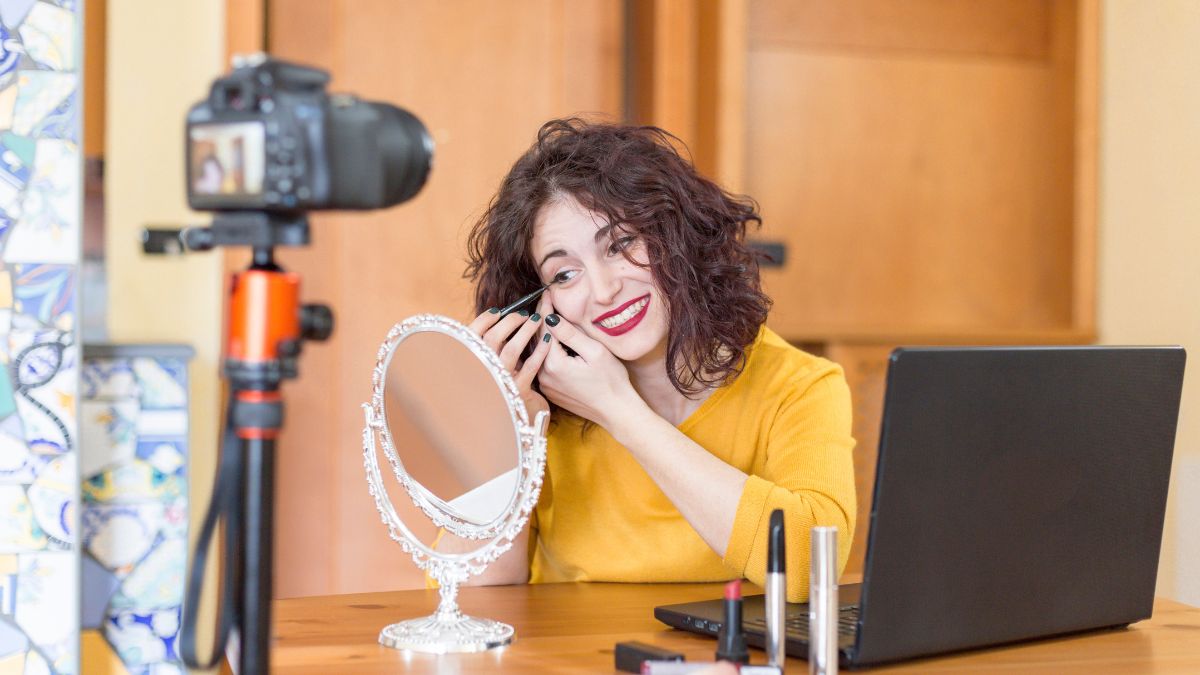
If you have been scrolling YouTube lately wondering why every second video feels like a soft brand pitch, you are not imagining it. Brands have quietly figured out that YouTube influencer marketing examples work harder than most traditional ads, and Indian marketers are leaning into this shift faster than almost anywhere else in the world. From skincare startups to fintech apps, everyone wants a slice of the creator economy, and the numbers explain why.
India’s influencer marketing industry is projected to cross INR 3,375 crore by 2026,growing at a CAGR of nearly 18 to 25 percent depending on which industry report you read. YouTube alone reaches close to491 million users in India,which is roughly a third of the country’s population. That is a massive, engaged audience sitting right there, waiting for the next creator recommendation before they buy a serum, book a demat account, or order dinner. In this piece, I am walking through 11 of the best YouTube influencer marketing examples that Indian and global brands have used well. Consider this your shortlist of YouTube influencer campaigns 2026 planning should borrow from, and a working guide to video influencer marketing that actually moves the needle for influencer marketing India teams.
- 1. Why YouTube Still Wins for Brand Collaborations on YouTube
- 2. How to Pick the Right Creator for Your Brand
- 3. Common Mistakes Brands Still Make
- 4. Where UGC Videos Fit Into the Bigger Picture
- 5. What Is Influencer Marketing Actually Delivering in 2026
- 6. How to Become an Influencer Brands Actually Want to Work With
- 7. Summary: Key Takeaways for Your 2026 Playbook
- About Hobo.Video
1. Why YouTube Still Wins for Brand Collaborations on YouTube
Before jumping into the list, it helps to understand why YouTube keeps pulling brand budgets even as Reels and Shorts dominate headlines.
Long-form video builds trust in a way a 15-second clip cannot. A ten-minute honest review, a day-in-the-life vlog, or a detailed unboxing gives viewers time to actually believe the creator. That trust is exactly what brand collaborations on YouTube are built on.
Add to this the fact thatYouTube users watch over 1 billion hours of video every single day worldwide,and you start to see why smart brands treat YouTube creator partnerships as a serious line item, not an afterthought. Video influencer marketing simply has more room to build a real story than a static post ever will.
1.1 boAt and Tech Reviewers: Building Category Trust
boAt did not become India’s leading audio brand through television ads alone. It leaned heavily on tech YouTubers who unbox, test battery life, and compare specs on camera.
This is one of the most repeated YouTube influencer marketing examples in the Indian D2C playbook because it solves a real problem. Buyers researching earphones or smartwatches trust a detailed review more than a 30-second commercial. It is a textbook case of video influencer marketing outperforming a mass-media push for a considered purchase.

Amplify Your Brand,
One Influence at a Time.
What Made It Work
- Consistent seeding across mid-tier and large tech channels
- Product links placed directly in video descriptions
- Reviewers allowed to mention genuine drawbacks, which boosted credibility
1.2 Mamaearth and Beauty Creators: Scaling Through Micro-Influencers
Mamaearth’s rise is often cited in influencer marketing India case studies because it barely touched celebrity endorsements early on. Instead, it flooded YouTube and Instagram with hundreds of smaller beauty and skincare creators.
This approach shows how video influencer marketing does not always need a superstar face. A wide, layered network of niche reviewers can build category dominance faster than one expensive face.
The Numbers Behind the Strategy. Reports suggest influencer budgets for D2C brands in India have grown by over 400 percent in the last few years, largely funnelled into exactly this kind of micro-influencer network.
1.3 CRED and Ranveer Allahbadia Style Long-Form Content
CRED took a different route by aligning with creators known for long, credible conversations rather than quick promotional cuts. Podcast-style creators covering finance, business, and personal growth became natural partners.
This example matters because it shows how a fintech brand used YouTube creator partnerships to explain a genuinely confusing product category through trusted voices instead of jargon-heavy ads.
1.4 Zomato and Swiggy: Turning Food Vlogging Into a Category
Food delivery apps in India practically created a YouTube sub-genre. Mukbang-style eating videos, restaurant review channels, and “what I ordered” content became free, constant advertising.
- Regional food vloggers extended reach into tier 2 and tier 3 cities
- Hyperlocal restaurant tie-ins made content feel useful, not promotional
- Consistent hashtag use built searchable, repeatable content
This is one of those YouTube influencer campaigns that grew almost organically once the category matured, proving that sometimes the best influencer marketing strategy is simply showing up where your customer already spends time.
1.5 Byju’s and Educational YouTubers: Explaining a Complex Product
Ed-tech is hard to sell in thirty seconds. Byju’s worked with educational YouTubers and student-focused creators who could walk through the app, the syllabus mapping, and actual results over longer videos.
Whatever one thinks of the brand’s later struggles, this remains a useful case study in how a complicated product benefits from creators who can teach, not just endorse.
1.6 The Whole Truth Foods and Ingredient Honesty
The Whole Truth built its entire identity around telling customers the whole truth about food labels, and it used YouTube reviewers and nutrition-focused creators to reinforce that positioning.
Instead of chasing reach for its own sake, the brand picked creators whose audiences already cared about clean labels. That alignment between brand values and creator niche is a lesson every founder planning brand collaborations on YouTube should copy.
1.7 Nykaa and Beauty Tutorial Creators
Nykaa’s YouTube strategy leans on tutorial-style content: get ready with me videos, festive makeup looks, and skincare routines that naturally feature Nykaa-sourced products.
1.7.1 Why Tutorials Convert Better Than Ads
A tutorial gives the viewer a reason to watch till the end. The product placement feels earned rather than interrupted, which is exactly the difference between an ad and one of the better YouTube influencer marketing examples out there.
1.8 Dream11 and MPL: Gaming Creators as Trust Anchors
Fantasy sports and gaming apps leaned hard into gaming YouTubers and streamers who already had loyal, engaged communities. Live streams, gameplay walkthroughs, and referral codes turned viewers into users quickly.
This category shows how influencer marketing on YouTube performs especially well when the creator’s daily content already overlaps naturally with the product, so the promotion never feels forced. It is one more proof point for brands using YouTube influencers instead of banner ads to reach a skeptical, ad-blind audience.
1.9 Global Play: Duolingo and Comedy-First Creators
Not every example needs to be Indian. Duolingo built massive global engagement by leaning into absurd, comedy-driven YouTube Shorts and skits featuring its owl mascot alongside creators willing to be a little unhinged on camera.
It is a reminder that YouTube creator partnerships do not always need to be polished. Sometimes weird, memorable, and shareable beats professional and forgettable.
1.10 Cadbury and Festive Storytelling Creators
Cadbury has long partnered with storytellers and vloggers around Diwali and Raksha Bandhan to create emotional, festival-themed content rather than direct product pitches. Family vloggers and lifestyle creators bring warmth that a straight ad cannot replicate.
This is a strong example of influencer marketing strategy built around calendar moments rather than constant, always-on promotion.
1.11 Local Discovery: Regional Language Creators
Perhaps the most underrated of all YouTube influencer campaigns in 2026 involves brands moving beyond English and Hindi entirely. Tamil, Telugu, Bengali, and Marathi creators are now driving purchase decisions in markets metro-focused campaigns used to ignore.
Regional and niche influencer campaigns consistently deliver stronger return on investment because the audience trust runs deeper in a shared language and local context. This is where a smart YouTube creator marketing strategy pays off long after a metro-only campaign has run its course, and it is also where the influencer economy in India is growing fastest.
2. How to Pick the Right Creator for Your Brand
Choosing creators randomly is the fastest way to waste a budget. Here is a simple filter that works well across most categories.
- Match the creator’s existing content style to your product category
- Check genuine engagement, not just subscriber count
- Ask for past brand collaboration examples and honest performance data
- Prioritise creators whose audience overlaps with your actual buyer persona
- Start with a smaller test video before committing to a long-term deal
3. Common Mistakes Brands Still Make
Even experienced marketers slip up here, so it is worth naming the patterns.
- Chasing subscriber count over actual watch time and comments
- Writing scripts that sound nothing like the creator’s normal voice
- Ignoring regional language creators who often convert better
- Treating one video as a full campaign instead of a sustained relationship
- Skipping performance tracking beyond views and likes
4. Where UGC Videos Fit Into the Bigger Picture
Alongside long-form YouTube content, UGC videos have become the connective tissue of modern campaigns. A single YouTube influencer marketing example rarely lives alone anymore. Brands now repurpose the same creator footage into Instagram Reels, website testimonials, and paid ad creatives.
This is also where AI influencer marketing and AI UGC tools are changing the game. A good AI UGC workflow can now match brands with the right creators faster, predict which video style will perform, and shorten campaign setup by roughly half, based on industry estimates from marketing platforms tracking creator discovery speed. Brands leaning on AI influencer marketing early are already seeing a measurable edge over teams still picking creators by gut feel.
5. What Is Influencer Marketing Actually Delivering in 2026
If you are still asking what is influencer marketing worth to a modern brand, the honest answer is trust, at scale, cheaper than most traditional media buys. Influencer-led campaigns in India are reported to deliver return on investment several times higher than standard digital ads, according to GroupM INCA data.
That single fact explains why every brand from skincare to stock trading apps now budgets for a YouTube influencer marketing strategy well before it finalises a television plan.
6. How to Become an Influencer Brands Actually Want to Work With
For creators reading this and wondering how to become an influencer worth a brand’s attention, the pattern across every example above is consistent.
- Build a specific niche instead of trying to appeal to everyone
- Post consistently so brands can predict your content calendar
- Be transparent with your audience about paid partnerships
- Track your own engagement data so you can pitch brands with real numbers
Many of the top influencers in India, and famous Instagram influencers who crossed over to YouTube, followed exactly this path before brands came knocking. Ask any of the famous Instagram influencers now running six-figure creator businesses and they will point back to a boring, consistent year of small videos before the growth showed up. That patience is what separates the top influencers in India from creators who quit after a few slow months.
7. Summary: Key Takeaways for Your 2026 Playbook
- YouTube influencer marketing examples work best when the creator’s format matches the product category
- Micro and regional creators often outperform big names on actual conversion
- Long-form content builds the kind of trust short ads cannot replicate
- UGC videos and AI influencer marketing tools now make discovery and repurposing faster
- A consistent influencer marketing strategy beats a single viral moment every time
About Hobo.Video
Hobo.Videois India’s leading AI-powered influencer marketing and UGC company. With over 2.25 million creators on its network, it manages end-to-end campaigns designed for measurable brand growth. The platform blends AI-driven creator matching with human strategy to squeeze out maximum ROI for every rupee spent.
Services include:
- Influencer marketing across YouTube, Instagram, and regional platforms
- UGC content creation for ads, websites, and social feeds
- Celebrity endorsements for larger brand moments
- Product feedback and testing through real creator communities
- Marketplace and seller reputation management
- Regional and niche influencer campaigns tailored to local audiences
Hobo.Video is trusted by top brands like Himalaya, Wipro, Symphony, Baidyanath, and the Good Glamm Group.
Ready to launch your next campaign?Register with Hobo.Videotoday, whether you are a brand chasing real growth or a creator ready to turn views into income. Your next big YouTube influencer marketing example could be the one you build with us.
Ready to scale your brand the smart way?Just fill the form, we’ll handle the rest.
Frequently Asked Questions
1. What is influencer marketing and how is it different from a normal ad?
Influencer marketing is when a brand pays or partners with a content creator to promote a product through their own voice and format. Unlike a traditional ad, the message comes from someone the audience already trusts, which usually improves recall and conversion. It works especially well on platforms like YouTube where creators build long-term relationships with viewers over months or years.
2. How do brands measure the success of YouTube influencer campaigns?
Most brands track a mix of watch time, click-through rate on description links, promo code usage, and direct sales attribution. Views alone rarely tell the full story. A smaller channel with an engaged, niche audience can outperform a larger channel with passive viewers, which is why engagement rate and comment quality matter just as much as subscriber count.
3. Where can Indian brands find the best influencer platform for YouTube campaigns?
Brands typically look for the best influencer platform that offers verified creator data, transparent pricing, and campaign tracking in one place. A top influencer marketing company in India should also help with contracts, content briefs, and post-campaign reporting so brands are not managing dozens of individual creator relationships manually. The best influencer platform for your team ultimately depends on the categories and languages your buyers care about most.
4. How to become an influencer on YouTube starting from zero?
Start by picking one clear niche, whether that is finance, beauty, gaming, or food, and post consistently for several months before expecting brand interest. Study what similar creators do well, invest in decent audio quality before worrying about expensive cameras, and engage with your comment section daily to build genuine community trust.
5. Do micro-influencers really perform better than celebrities on YouTube?
For many product categories, yes. Micro and mid-tier creators often have higher engagement rates and more targeted audiences, which can translate into stronger conversion per rupee spent. Celebrities still help with broad awareness campaigns, but for direct response and niche products, smaller creators frequently deliver better return on investment.
