
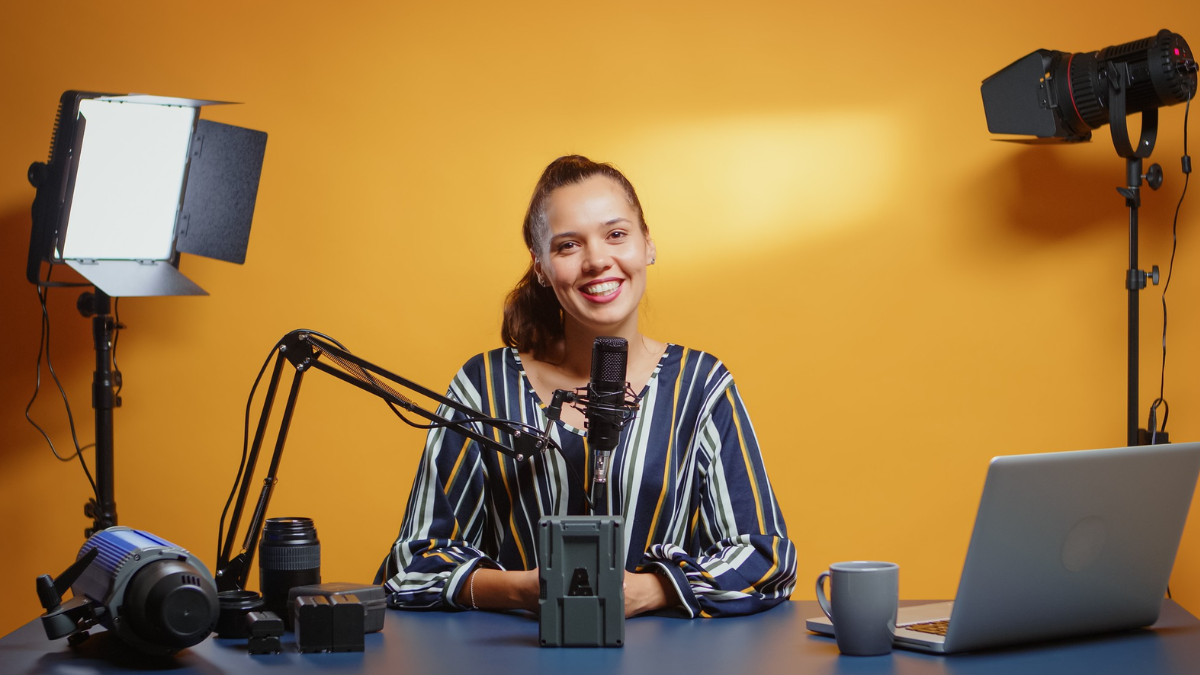
Running a successful video creator program is no longer a seasonal experiment. Indian brands have started treating creator partnerships the same way they treat sales teams: with structure, clear KPIs, and a full-year calendar. A well-run video creator program delivers far more than a burst of social media impressions. It builds audience trust month by month, keeps the brand present across every buying moment, and creates a library of authentic content that keeps working long after the campaign ends. The numbers back this up. India’s influencer marketing sector currently stands at Rs 3,000 to 3,500 crore and is projected to grow to Rs 4,500 to 5,000 crore by 2027, sustained by a 22% CAGR. Brands that build programs now are buying equity in an audience that is only going to get larger.
What separates the brands winning in influencer marketing India from those burning budgets on one-off posts? Consistency. They move away from treating creators as hired guns for a single campaign. Instead, they run a video creator program the way a TV network programs its schedule: planned well in advance, with recurring formats, clear roles for different creator tiers, and space for real creative experimentation. This guide breaks down exactly how to build that kind of year-round creator marketing machine in 2026.
- 1. Why Year-Round Creator Marketing Beats One-Off Campaigns Every Time
- 2. Building the Foundation of a Successful Video Creator Program
- 3. Planning a 12-Month Calendar for Your Video Creator Program
- 4. How to Select Creators for a Long-Term Brand Creator Initiative
- 5. Briefing Creators for Year-Round Authenticity
- 6. Measuring Success in a Year-Round Video Creator Program
- 7. Budget Planning for a Year-Round Brand Creator Initiative
- 8. Scaling Your Creator Network Program With AI UGC
- 9. Common Mistakes Brands Make With Year-Round Creator Programs
- 10. The Future of Video Creator Programs in Influencer Marketing India
- Conclusion
- About Hobo.Video
1. Why Year-Round Creator Marketing Beats One-Off Campaigns Every Time
1.1 The Data Behind Long-Term Brand Creator Partnerships
The case for year-round creator marketing is not just strategic instinct. The data is very clear. Long-term creator partnerships deliver 70% higher engagement than one-off collaborations, according to analysis by Archive App. On top of that, around 72% of brands now prefer long-term influencer partnerships over single-post deals, a figure that has climbed steadily over the past two years. This shift is not coincidental. Brands that tested both models found that recurring creator presence compounds over time. A creator who mentions your brand across six months builds a credibility layer that one sponsored Reel simply cannot replicate.
Also, 63% of creators themselves prefer long-term campaigns over any other type of collaboration, partly because deeper familiarity with a brand produces higher-quality content. When a creator genuinely understands your product, their content reads authentic. Their audience feels it. That authenticity is what pushes viewers from passive scrolling into actual purchase decisions.
1.2 What One-Off Posts Cannot Build
A single post creates a moment. A brand creator partnership built over twelve months creates a story. That story is what Indian consumers respond to, especially now that social media feeds are flooded with obvious paid promotions. Over two-thirds of Indian users turn to influencers for product discovery, information, and action, but that influence is strongest when the creator has spoken about a brand more than once. Brands like Himalaya and Baidyanath understand this. Their creator relationships run across quarters, not campaigns. Their creators become recognizable faces for the brand, not just paid endorsers.
2. Building the Foundation of a Successful Video Creator Program
2.1 Define Your Video Influencer Strategy Before You Recruit
The biggest mistake Indian brands make is recruiting creators before defining what the program needs to accomplish. A video influencer strategy built without clear goals almost always collapses into chaos. Briefs become vague. Deliverables drift. Reporting becomes impossible. Before you send a single outreach message, answer three questions: What conversion action does this program drive? Which audience segment are you prioritizing? And what does the content experience look like at each stage of the buyer journey? Once you have answers, every recruiting and briefing decision becomes much easier. You stop selecting creators based on follower count and start selecting based on audience fit and content alignment.
For Indian brands targeting regional markets, this step is particularly important. A creator with 80,000 followers in Tamil Nadu may deliver far stronger results for a Chennai-based brand than a Delhi-based macro influencer with ten times the reach. 85% of brands now prioritize content quality and creator relevance over follower counts when selecting influencers, which is a meaningful shift from the era where raw reach was the primary metric.

Amplify Your Brand,
One Influence at a Time.
2.2 Creator Tiers and How to Use Each One
A strong content creator program does not rely on a single tier of creators. It layers them deliberately. Nano creators (under 10,000 followers) drive hyperlocal trust and community engagement. Micro creators (10,000 to 100,000 followers) balance reach with authentic connection. Mid-tier creators (100,000 to 500,000) give visibility at scale. Macro creators anchor moments like product launches and seasonal spikes.
Think of it this way: nano and micro creators keep the brand present across the year with a steady stream of genuine content. Macro creators amplify during peak windows. Each tier has a different cost structure, too. Micro influencers typically charge between Rs 15,000 and Rs 80,000 per Reel in India, making them highly accessible for year-round commitments. Macro creators cost more per post but are worth activating selectively when launch visibility matters.
3. Planning a 12-Month Calendar for Your Video Creator Program
3.1 Quarter-by-Quarter Planning for Year-Round Creator Marketing
Planning the full year in advance sounds overwhelming, but it is actually what gives brands control. Break the calendar into four quarters. Each quarter has a primary content theme, a set of creator activations, and specific deliverable formats.
- Q1 (January to March): New year, new habits content. Works well for health, fitness, personal finance, and education brands. Activate micro and nano creators for personal transformation content. Keep UGC Videos as a deliverable to repurpose across ads.
- Q2 (April to June): Pre-summer and wedding season. Strong for fashion, beauty, food, and gifting. Introduce mid-tier creators for broader reach. Live creator sessions work particularly well here for product launches, as the real-time engagement format builds audience trust faster than static posts.
- Q3 (July to September): Monsoon and back-to-school. Lifestyle, education, and home categories dominate. Keep nano creators active and introduce regional language content.
- Q4 (October to December): The festive season. Diwali, Dussehra, and the holiday stretch. This is when you activate your full creator network. Macro creators anchor the big moments. Micro and nano creators extend reach into tier 2 and tier 3 cities.
3.2 Building Content Rhythms That Keep Audiences Engaged
One of the most underused tools in creator program management is content rhythm. A brand that appears in a creator’s feed consistently once a month looks very different from one that floods the feed with six posts in a week and then disappears. Monthly touchpoints work best for year-round programs. They keep the brand present without overwhelming either the creator’s audience or the brand’s budget.
Within each monthly touchpoint, vary the format. A tutorial one month, a review the next, a behind-the-scenes post the month after. Episodic content formats drive 3x more engagement than standalone posts because audiences return specifically to see the next installment. Format variation within a structured calendar keeps both the creator and the audience genuinely interested across twelve months.
4. How to Select Creators for a Long-Term Brand Creator Initiative
4.1 The Right Criteria for Long-Term Video Ambassador Programs
Selecting creators for a video ambassador program is fundamentally different from hiring for a one-off campaign. You are not just looking for reach. You are looking for values alignment, content consistency, and audience loyalty. A creator who posts three times a week and never breaks character is worth far more for an annual program than one with twice the following but inconsistent posting habits.
When evaluating creators, look at these five factors:
- Engagement rate by tier. Healthy benchmarks in 2026 are 3 to 7% for micro creators and 1.5 to 4% for mid-tier creators. Below these benchmarks, the audience is probably inflated.
- Content quality and consistency. Check the last three months of posts. Does the tone stay consistent? Does the production quality hold up?
- Audience geography and language. For Indian brands targeting specific regions, this is non-negotiable.
- Prior brand partnership behavior. How did they handle brand integrations in the past? Did they maintain authenticity or turn every post into an obvious ad?
- Creator responsiveness. A creator who responds quickly, asks smart questions, and submits content on time will save your team enormous effort over twelve months.
4.2 Using AI Influencer Marketing for Creator Discovery and Matching
Finding the right creators manually at scale is genuinely difficult. AI influencer marketing tools change this completely. Platforms like Hobo.Video use AI to match brands with creators based on audience demographics, content categories, engagement quality, and historical campaign performance. This means a brand can build a creator network program of 50 to 200 creators across tiers in a fraction of the time it would take through manual outreach.
AI also helps with ongoing creator program management by flagging drops in engagement, identifying creators who are growing fastest in specific niches, and surfacing content performance data across the network. The result is a program that improves with every campaign cycle rather than one that resets from scratch each time.
5. Briefing Creators for Year-Round Authenticity
5.1 How to Brief a Video Influencer Program Without Killing Creativity
Bad briefs are the fastest way to kill a creator relationship. When a brief reads like an ad script, the creator produces content that looks like an ad. Audiences skip it. The brand learns nothing. The creator loses enthusiasm. Instead, think of a brief as a creative conversation starter. Give the creator the facts they need: product benefits, key messages, any mandatory disclosures. Then give them creative latitude to decide how to present those messages in their own voice.
For a video influencer program running year-round, this approach matters even more. A creator forced to work from rigid scripts for twelve months will produce increasingly flat content. A creator given structured freedom will actually improve over time. Their audience starts associating them with your brand naturally. That association is what drives purchase behavior at the point when a consumer is actually ready to buy.
5.2 Setting Deliverables and Timelines Without Micromanaging
Clear deliverables protect everyone in a brand creator initiative. Vague agreements create disputes. Specify the content format, the platform, the posting date window, and any required disclosures. Build a two-round review process into the timeline so both the brand and creator have room to refine without last-minute panic. For year-round programs, set deliverable calendars quarterly. This gives creators advance notice to plan their content around your brand’s calendar rather than treating brand content as an afterthought.
6. Measuring Success in a Year-Round Video Creator Program
6.1 The Metrics That Actually Matter for Long-Term Creator Programs
The shift happening in Indian influencer marketing right now is from vanity metrics to real performance data. Brands in 2026 are prioritizing saves, audience authenticity, conversion tracking, and engagement quality over raw follower counts and impressions. Each of these metrics tells a more useful story.
Here is a practical metric framework for year-round programs:
- Engagement rate: Tracked per post, per creator, per quarter. Look for trends over time, not just snapshots.
- Save rate: Content saved is content that the audience values enough to revisit. High save rates predict conversion intent.
- Referral traffic: UTM links on creator posts tell you exactly which creators drive website visits.
- Conversion rate by creator tier: Track which tier actually drives purchases, not just clicks.
- Content reuse ROI: Track how often creator-produced UGC Videos are repurposed in paid ads. UGC used in ads consistently outperforms brand-produced creative.
6.2 Quarterly Reviews and Creator Program Management Best Practices
Treat quarterly reviews the same way you treat a sales review. What worked? What did not? Which creators delivered consistently and deserve expansion? Which creators are plateauing and may need different brief types? For creator program management to scale across a full year, you need a structured data review process. Otherwise, the program drifts based on impressions rather than evidence. Build a simple creator scorecard that tracks deliverable compliance, content quality ratings, engagement benchmarks, and conversion performance. Review it with your team every quarter and adjust creator allocations accordingly.
7. Budget Planning for a Year-Round Brand Creator Initiative
7.1 How to Allocate Budget Across a 12-Month Video Creator Program
Budget allocation across a year-round content creator program should follow the brand calendar, not a flat monthly distribution. Roughly 40% of the annual creator budget should be reserved for Q4, given the festive season impact in India. The remaining 60% spreads across Q1 through Q3, with slightly heavier weighting on Q2 for product launches tied to wedding and summer seasons.
Within the creator mix, a balanced allocation for most Indian brands looks like this:
- 50% on micro and nano creators for sustained, authentic volume
- 30% on mid-tier creators for targeted reach campaigns
- 20% on macro creators for anchor moments like Diwali launches or major product drops
74% of brands are moving budget into creator programs in 2026, partly because creator-driven content outperforms traditional ad creative across the funnel. This is especially true for UGC, which brands can repurpose into performance ads. The cost efficiency of repurposing creator content makes year-round programs significantly cheaper per impression than running entirely new ad creative every quarter.
7.2 Performance-Based Pay Structures That Strengthen Creator Relationships
One of the most practical shifts in video influencer strategy right now is the move toward performance-based pay structures. Instead of paying flat fees for posts, brands offer a base fee plus commission on affiliate sales or app installs. This aligns creator incentives with brand outcomes. Creators who know they earn more when their audience buys put more effort into crafting genuinely persuasive content. Performance-based deals grew 35% in 2025, linking creator pay directly to results like conversions and app installs. For brands running year-round programs, this structure also reduces fixed costs during lower-performing quarters.
8. Scaling Your Creator Network Program With AI UGC
8.1 What Is AI UGC and How Does It Fit Into a Year-Round Video Creator Program?
AI UGC refers to user-generated content that is ideated, matched, or partially produced with AI assistance, but delivered by real human creators. The distinction matters: this is not synthetic content. It is AI-assisted sourcing and strategy combined with genuine human creator execution. For a brand running a creator network program at scale, AI UGC tools dramatically reduce the time spent on creator discovery, brief generation, and content review workflows.
Platforms built around AI UGC can process hundreds of creator submissions simultaneously, flag content quality issues automatically, and match specific content styles to specific campaign objectives. For brands working with 50 or more creators annually, this infrastructure is not optional anymore. It is what makes a large-scale video creator program manageable without a massive internal team.
8.2 How to Become an Influencer-Friendly Brand That Creators Want to Work With
Many creators search for guidance on how to become an influencer, and the best programs invest in creator education. When a brand teaches creators about its product, audience, and performance expectations, those creators produce stronger content. This also builds loyalty because the creator feels genuinely invested in the brand’s success. Knowing how to become an influencer who earns through brand programs is a priority for thousands of Indian creators right now. The brands that step in with structured onboarding, clear learning resources, and transparent pay structures attract the most motivated and consistent talent.
Also, think about what value the brand can offer beyond money. Product access, early launches, brand events, co-creation opportunities, and featured credit on brand channels all matter to creators who want to build their own profiles. Famous Instagram influencers and top influencers in India often prioritize partnerships that elevate their own brand alongside delivering results for yours. Even famous Instagram influencers with large followings are looking for the same things smaller creators want: respect, clarity, and fair compensation. When your program delivers all three, creator retention across the full year becomes far easier. Choosing the best influencer platform to manage these relationships ensures your program stays organized as the roster grows.
9. Common Mistakes Brands Make With Year-Round Creator Programs
9.1 Why Most Brand Creator Initiatives Fail Before Month Six
The graveyard of abandoned influencer programs is full of well-funded brand creator initiatives that collapsed before they delivered real results. The most common reasons are:
- No internal ownership. Without a dedicated program manager, the program drifts between departments and nobody is accountable for results.
- Over-relying on macro creators. Big names get big budgets but rarely the consistent output that year-round programs need.
- Changing briefs every quarter. Inconsistency in brand messaging forces creators to relearn the brand every few months, which kills content efficiency.
- Ignoring regional creators. India’s creator economy is increasingly tier 2 and tier 3 driven. Brands that only activate metro creators miss the majority of the country.
- Measuring only impressions. If you only count views, you cannot tell which creators are actually building purchase intent. This leads to budget decisions based on the wrong data.
9.2 How Top Influencer Marketing Companies in India Avoid These Pitfalls
The top influencer marketing company partners in India build program infrastructure before they activate a single creator. They use AI platforms for matchmaking, campaign management, and performance reporting. They brief creators with structured creative frameworks rather than rigid scripts. And they treat quarterly reviews as genuine learning loops, not just reporting exercises. For Indian brands that lack in-house expertise, working with a platform like Hobo.Video means accessing all of this infrastructure without building it from scratch, which is why brands like Wipro, Symphony, Good Glamm Group, and Zouk trust platform-led programs over managing everything manually. What is influencer marketing at its best? It is a structured program where creators become genuine advocates, not just paid voices.
10. The Future of Video Creator Programs in Influencer Marketing India
10.1 Where Year-Round Creator Marketing Is Headed in 2026 and Beyond
The direction is unmistakable. Creator content is migrating beyond social feeds. Creator videos are now appearing across CTV and OTT platforms, which means a brand’s video creator program needs to plan for multi-platform distribution, not just Instagram and YouTube. This changes how content is structured, how usage rights are negotiated, and how performance is measured.
Additionally, the integration of live commerce into year-round creator marketing is accelerating. Brands that combine a well-structured creator roster with live selling events are seeing conversion rates that paid advertising simply cannot match. India’s creator economy is valued at USD 15.03 billion in 2026 and is projected to reach USD 61.87 billion by 2033. The brands building strong creator programs right now are securing relationships that will be worth far more as that market grows.
10.2 Building a Best Influencer Platform Partnership for Long-Term Growth
Choosing the best influencer platform for a year-round video creator program comes down to infrastructure, data quality, and creator relationships. The platform needs to handle discovery, contracting, content review, payment, and reporting in one place. Fragmented tools create fragmented programs. The brands getting the highest ROI from influencer marketing India are consolidating onto platforms that give them a complete view of every creator relationship, every deliverable, and every performance metric in real time. Creator ad spend globally hit $44 billion in 2026, and the brands investing in platform infrastructure now are positioning themselves to extract disproportionate value as the market matures.
Conclusion
Running a successful, year-round video creator program requires a strategic shift from transactional campaigns to structured, long-term partnerships. By planning on a quarterly basis and leaning into creator authenticity, brands can build sustained consumer trust that compounds over time. Success ultimately relies on optimizing your creator mix, utilizing the right infrastructure, and tracking the metrics that directly impact your bottom line.
Key Takeaways
- Plan Strategically & Regionally: Design your content calendar quarterly rather than campaign-by-campaign to prevent reactive spending, and prioritize regional language content to capture underserved Tier 2 and Tier 3 markets.
- Layer Creator Tiers: Anchor your program with nano and micro-creators for consistent, year-round authenticity, while reserving macro-creators and extra budget for peak periods like India’s festive season.
- Prioritize Creative Latitude: Brief creators for authenticity rather than rigid script compliance, as creative freedom consistently yields higher engagement and better content quality.
- Consolidate with AI Tools: Use centralized, AI-powered influencer platforms to handle discovery, contracting, workflows, and reporting in one place, significantly reducing manual overhead.
- Measure & Optimize Continuous Impact: Shift focus from raw impressions to conversion tracking and asset cost savings, while conducting quarterly reviews to refine your strategy based on performance data.
About Hobo.Video
Hobo.Video is India’s leading AI-powered influencer marketing and UGC company. With over 2.25 million creators, it offers end-to-end campaign management designed for brand growth. The platform combines AI and human strategy for maximum ROI.
Services include:
- Influencer marketing
- UGC content creation
- Celebrity endorsements
- Product feedback and testing
- Marketplace and seller reputation management
- Regional and niche influencer campaigns
Trusted by top brands like Himalaya, Wipro, Symphony, Baidyanath, and the Good Glamm Group.
Looking to grow your brand with the right strategy? Our experts are here. Get started now.
Influencer life is different when you’re backed by the right crew. Let’s grow.
FAQs
What is a video creator program, and why does a brand need one?
A video creator program is a structured, long-term system where a brand partners with a dedicated roster of video creators across an ongoing content calendar. This continuous presence builds deep audience trust and delivers a significantly higher compounding ROI than transactional, campaign-by-campaign spending.
What is the difference between a video ambassador program and a one-off sponsorship?
A one-off sponsorship is a single paid transaction for an individual post, whereas an ambassador program is a sustained 6 to 12-month relationship. This multi-touchpoint alignment allows creators to build genuine familiarity with the product, resulting in far more authentic storytelling and stronger brand recall.
How many creators should a brand include in a year-round program?
For most mid-sized and D2C brands, a manageable and highly effective roster consists of 20 to 50 creators spanning different tiers. The ideal mix anchors on a core group of 5 to 10 consistently visible mid-tier creators, supported by a broader network of nano-influencers for localized and niche reach.
How do brands find and choose the right creators for long-term programs?
Instead of manual social media searches, brands utilize AI-powered influencer platforms to filter creators by niche audience demographics, tone consistency, and engagement metrics. Priorities should shift away from raw follower counts and toward micro-creators with healthy, active engagement rates.
How often should creators post about a brand in a long-term program?
A frequency of once a month per creator keeps the brand consistently top-of-mind without causing audience fatigue. Brands can temporarily increase this cadence during high-impact periods or product launches while rotating video formats to keep content engaging.
What content formats work best for a video influencer program?
Short-form formats like Reels and YouTube Shorts excel at capturing broad awareness and viral reach, while long-form tutorials and reviews drive mid-funnel consideration. Rotating these formats alongside live streams across a content calendar ensures holistic audience engagement.
How do you calculate the ROI of a year-round creator partnership?
ROI is calculated by tracking direct revenue via unique UTM links and promo codes, alongside measuring cost offsets from repurposing creator assets into paid advertising. Advanced programs also layer in brand lift surveys and earned media value to account for long-term top-of-funnel impact.
What are the main challenges in managing a video creator program?
The biggest hurdles include maintaining content quality at scale, managing fragmented payment workflows, and tracking accurate multi-creator performance data. Brands overcome these complexities by using centralized creator management software to automate briefs, approvals, and legal compliances.

 Jyoti Pandey
 Anooshka Pandey