
Introduction
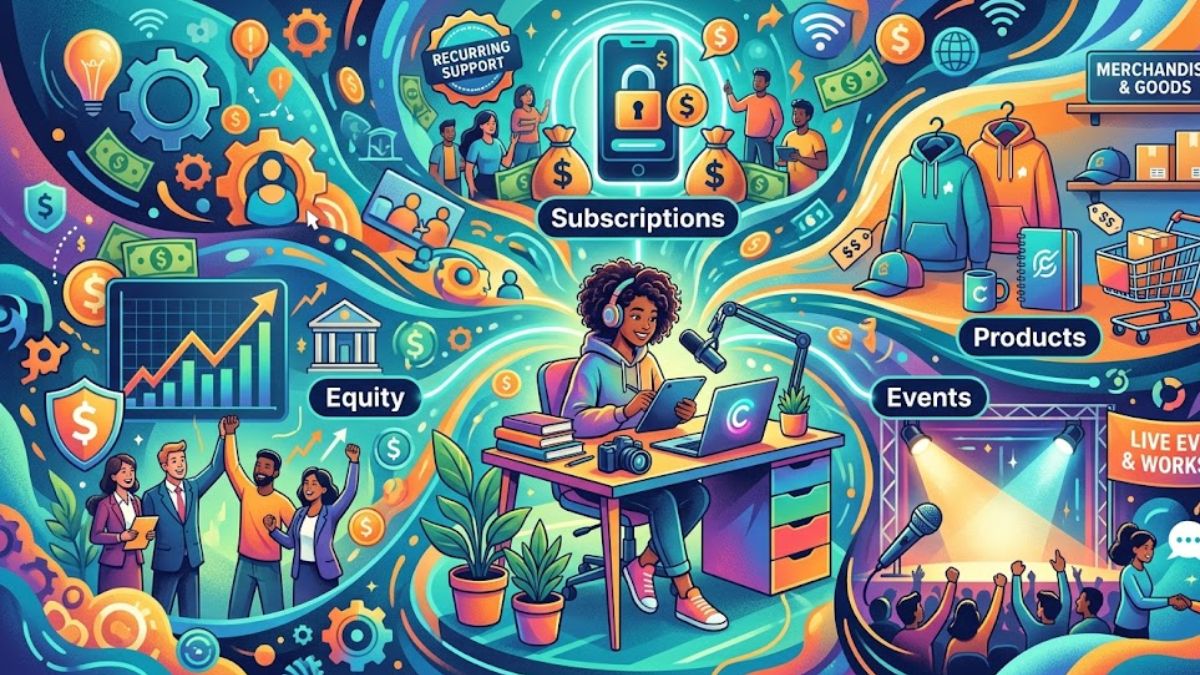
There was a time when being a creator did not even feel like a “real” career. People hid their YouTube channels from relatives, recorded videos quietly after everyone in the house had gone to sleep, and edited content on cracked software because premium tools felt unaffordable. Many balanced college assignments, office jobs, and family expectations while uploading consistently for an audience that barely existed. Honestly, most had no idea whether any of it would ever work. Yet those struggles quietly shaped today’s New Creator Revenue Playbook, where creators no longer depend only on viral fame or sponsorships but build sustainable income through communities, UGC Videos, digital products, subscriptions, and long-term audience trust.
The internet back then felt unpredictable. One video could suddenly explode overnight, while the next ten would disappear without a trace. Creators kept refreshing analytics pages hoping for growth that came painfully slowly. Many spent years creating content for almost no money, no certainty, and no guarantee that people would continue watching tomorrow. What looked exciting from the outside often felt emotionally exhausting behind the scenes.
There was pressure to stay relevant. Pressure to keep posting. Pressure to constantly perform happiness, confidence, and energy even during difficult personal phases. The internet rewarded visibility, but it did not always reward stability. That is why the creator economy today feels so different from what it used to be. Something deeper has changed. Creators are no longer just people uploading videos for views. They are becoming founders, operators, community builders, storytellers, investors, and business owners. What once started as “content creation” has slowly evolved into a completely new kind of digital entrepreneurship.
And that transformation is exactly why the New Creator Revenue Playbook matters more than ever right now. For years, sponsorships were seen as the dream. A brand sends an email. A deal closes. A creator posts content. Money comes in. Simple. At least that is how it looked on the surface.
But behind those collaborations was a reality very few people talked about openly. Creators became dependent on algorithms they could not control. One platform update could suddenly reduce their reach. One bad month in advertising markets could destroy income consistency. Some creators spent years building audiences only to realize they did not truly “own” the relationship with their followers. That fear slowly started creeping into the creator world. What happens if the platform changes overnight? What happens if engagement drops? Happens when brands move on to newer faces?
For many creators, those questions became impossible to ignore
For many creators, those questions became impossible to ignore. Because the truth is, virality is exciting, but it is also temporary. Internet attention moves fast. Audiences evolve. Trends disappear almost as quickly as they arrive. And eventually creators realized that constantly chasing views was becoming emotionally draining. So the smartest ones started changing the game entirely. Instead of building only content, they started building infrastructure around themselves. Some launched private communities where followers could become part of something more meaningful than likes and comments. Others created courses, newsletters, memberships, consulting businesses, digital products, podcasts, or creator-led brands. Many moved toward subscription models because recurring income gave them something they had never truly experienced before: stability.
Some creators even stopped thinking like influencers altogether. They started thinking like founders. Today, creators negotiate equity deals instead of one-time payments. They invest in startups. They co-build products with companies. Launch businesses powered entirely by audience trust. The goal is no longer just to become famous online. The goal is to build something that survives even when the algorithm stops being kind. And perhaps the most powerful part of this entire shift is happening in India. Across cities, small towns, and regional communities, creators are building audiences in ways nobody imagined possible a few years ago. A student recording videos from a hostel room can now build a business. A creator speaking in a regional language can attract millions of loyal viewers. Someone with a smartphone, consistency, and a relatable story can now create opportunities that traditional systems never offered them before.

Amplify Your Brand,
One Influence at a Time.
According to a 2025 report by Kalaari Capital and Ernst & Young, India now has more than 100 million creators, while influencer marketing in India continues growing rapidly every single year. But honestly, the numbers alone do not explain what is really happening. Because this shift is not only financial. It is deeply human. People are tired of polished corporate messaging that feels scripted and lifeless. Audiences connect with creators because creators feel accessible. Real. Imperfect. Human. They talk about failure, burnout, ambition, loneliness, discipline, heartbreak, money struggles, family pressure, and self-doubt in ways traditional advertising never could.
That emotional connection has become the most valuable currency on the internet. And the creators who truly understand this are building much more than audiences. They are building trust. Communities. Identity. Belonging. The creators succeeding today are not necessarily the loudest people online. They are the ones quietly building systems behind the scenes while everyone else chases temporary attention. They understand that views alone cannot build long-term security. Followers alone do not guarantee sustainability. Viral moments fade quickly.
But ownership changes everything. That is why the New Creator Revenue Playbook is not just another business trend. It represents a complete shift in how digital careers are being built. It is about turning attention into assets. Influence into infrastructure. Audience trust into long-term independence. And maybe that is the biggest difference between the old internet and the new one. Earlier, creators were trying to survive online. Now, they are trying to build lives around it.
- Introduction
- 1. Why the Old Creator Model Started Breaking
- 2. The Rise of Subscription-Based Creator Income
- 3. Selling Products Became the Smartest Move
- 4. Creator-Led Events Are Turning Into Powerful Revenue Machines
- 5. Equity Partnerships Are Redefining Creator Wealth
- 6. How AI Is Transforming Creator Revenue Models
- 7. India’s Creator Economy Is Stepping Into Its Most Powerful Era
- 8. The Hidden Emotional Cost Behind the Creator Economy
- 9. What Modern Brands Can Learn From Today’s Creators
- 10. The Future of Creator Monetization Looks Bigger Than Ever
- Key Takeaways and Learnings
- About Hobo.Video
1. Why the Old Creator Model Started Breaking
1.1 Dependence on Brand Deals Became Risky
For a long time, brand sponsorships looked like the ultimate destination for creators. The formula seemed simple from the outside. Build followers, gain engagement, attract brands, and start earning money. Social media created an illusion that once creators “made it,” financial stability automatically followed. A beauty influencer promoted skincare products. A fitness creator partnered with supplement companies. A tech YouTuber reviewed smartphones and laptops. On the surface, it looked glamorous, flexible, and financially rewarding. But behind the polished Instagram stories and sponsored YouTube integrations, many creators were quietly living with uncertainty almost every single month.
The truth most audiences never saw was how unpredictable creator income actually felt. One month could bring multiple high-paying campaigns, while the next month could feel painfully empty. Many creators woke up every morning checking emails anxiously, hoping a brand inquiry would arrive. Some spent years building audiences but still had no predictable monthly income. Even creators with millions of followers often privately admitted they felt financially insecure because their businesses depended entirely on external companies deciding whether to spend marketing budgets or not. And then came the algorithm problem.
Creators slowly realized they were building careers on platforms they did not truly control. A single algorithm update could suddenly reduce views overnight. Reach would drop without explanation. Engagement rates that once looked healthy would collapse in weeks. Some creators watched years of momentum disappear simply because platforms changed what type of content they wanted to prioritize. Videos stopped reaching audiences. Reels underperformed. Ad revenue fluctuated. Entire careers started feeling dependent on invisible systems nobody fully understood. That emotional pressure started affecting creators deeply.
Many creators began experiencing burnout not because they hated creating content, but because survival itself started feeling unstable. They felt trapped in a cycle where they constantly needed to stay relevant to remain financially secure. Every trend became urgent. Every platform update became stressful. Dip in analytics triggered fear about future income. Instead of building long-term businesses, many creators realized they were endlessly renting attention from social media platforms. And eventually, that realization changed the creator economy forever.
Creators began asking smarter, harder questions. What happens if brands reduce marketing budgets during an economic slowdown? What happens if audience behavior changes? Happens if platforms stop favoring their content? Most importantly, what happens if the creator themselves becomes exhausted trying to keep up with the nonstop pressure of online visibility? That was the moment many creators stopped thinking only like influencers and started thinking like business owners. The creators succeeding today understand something powerful: attention alone is fragile. Millions of views can disappear quickly. Viral moments fade. Algorithms change constantly. But ownership creates security. Ownership of products, communities, memberships, audiences, and businesses gives creators something sponsorships alone never could, which is long-term stability.
That shift is exactly why the old creator model slowly started breaking from within. Sponsorships still matter, but creators no longer want to build their entire future around temporary campaigns. They want income streams that continue working even when brand deals slow down. They want systems that belong to them, not just platforms. And honestly, after years of uncertainty, many creators are finally realizing that freedom matters more than virality.
1.2 Audiences Started Wanting Deeper Relationships
At the same time creators were questioning the old business model, audiences were changing emotionally too. The internet itself started feeling different. Years ago, social media was mostly about entertainment and aspiration. People followed creators because they looked successful, stylish, or entertaining. Perfect photos performed well. Highly edited content dominated feeds. Audiences enjoyed watching creators, but the relationship often stayed distant. That dynamic slowly began changing.
As social media became more crowded, audiences started craving something deeper than polished content. People no longer wanted creators who only looked perfect online. They wanted honesty. Personality. Vulnerability. Real conversations. They wanted creators who felt relatable, emotionally accessible, and human. And that emotional shift completely transformed the creator economy. Followers stopped behaving like passive viewers. They started behaving like communities. People wanted direct interaction. They wanted behind-the-scenes conversations, private groups, exclusive updates, mentorship, live chats, voice notes, workshops, and personal experiences that felt closer and more meaningful. The emotional distance between creators and audiences started shrinking rapidly.
This is exactly why the subscription creator economy exploded so aggressively. Platforms like Patreon, Discord, YouTube Memberships, Telegram communities, and private paid groups grew because creators finally understood something extremely important: loyal communities are far more valuable than temporary viral reach. A creator with 5 million followers but weak audience connection may struggle to monetize consistently. Meanwhile, a creator with only 20,000 deeply loyal followers can build an incredibly profitable and sustainable business if those followers genuinely trust them.
That trust changes everything. Today, audiences are willing to pay creators directly not just for content, but for emotional value. A finance creator helps followers feel more confident about money. A fitness creator motivates people during difficult health journeys. A gaming creator creates friendship-driven online communities where people feel like they belong. A business creator provides guidance that genuinely changes careers and lives.
The relationship becomes personal. And when audiences emotionally invest in a creator, they stop acting like viewers and start acting like supporters. That shift is powerful because it gives creators something algorithms cannot easily destroy. Platforms can reduce reach, but loyal communities still follow creators across platforms. Audiences who genuinely trust creators will subscribe to newsletters, join private groups, buy products, attend events, and support long-term projects. This emotional connection now sits at the heart of the New Creator Revenue Playbook. The modern creator economy is no longer driven only by visibility. It is driven by relationships. And honestly, that may be the biggest reason the creator industry feels more human today than it ever did before.
2. The Rise of Subscription-Based Creator Income
2.1 Why Subscriptions Changed Creator Economics
Subscriptions completely changed how creators think about money, stability, and long-term survival online. In the earlier phase of social media, success was measured almost entirely through numbers. More views meant more ad revenue. More followers meant more sponsorship opportunities. Creators became obsessed with chasing virality because the entire system rewarded reach above everything else. But over time, many creators discovered something emotionally exhausting about that model.
Virality is unpredictable. One viral video can bring millions of views but still fail to create lasting financial stability. Creators constantly felt pressure to repeat success again and again. Every upload carried anxiety. If content performed badly, income suffered. If engagement dropped, brand deals disappeared. Many creators lived inside a nonstop cycle of pressure where they felt forced to constantly “win the algorithm” just to maintain basic income consistency. Subscriptions changed that psychology entirely.
For the first time, creators realized they no longer needed massive audiences to build meaningful income. What mattered more was loyalty, trust, and community depth. A creator with a small but highly engaged audience could suddenly generate recurring monthly revenue without depending entirely on platform algorithms or unpredictable sponsorships. That changed everything emotionally and financially.
Today, a finance educator can build a paid community sharing market insights and portfolio breakdowns. A fitness creator can offer personalized coaching, workout plans, and accountability groups. A gaming creator can run premium Discord communities where fans interact daily. A writer can monetize newsletters. A business creator can provide mentorship sessions or private strategy calls. These are not temporary one-time payments. They are recurring income systems. And recurring income creates something creators desperately wanted for years: predictability.
Instead of worrying every month about whether brands would approach them, creators could finally estimate income with far greater confidence. That stability reduced emotional burnout significantly. Creators gained more freedom to focus on quality instead of constantly chasing trends designed only for reach. Even smaller creators now build sustainable digital creator income streams without needing celebrity status. And honestly, that may be one of the healthiest shifts the internet has seen in years.
Because creators are slowly moving away from survival mode and toward business-building mode. They are no longer just entertainers fighting for attention. They are educators, community leaders, founders, and operators building systems designed to last beyond viral moments.
2.2 Creator Subscription Platforms Are Growing Rapidly
The explosive growth of creator subscription platforms tells a much bigger story than just rising monetization numbers. It reflects a complete change in how people value creators online. For years, audiences were trained to expect everything for free. Content flooded the internet endlessly. Videos, blogs, podcasts, tutorials, entertainment, advice, and education became available instantly at no cost. But something interesting started happening as creator-audience relationships became more personal. People began willingly paying creators they trusted. Not because they had to. Because they wanted to. That emotional difference matters enormously.
Platforms like Patreon crossing millions of active paying supporters globally was not just a business milestone. It was proof that audiences now see creators as meaningful parts of their daily lives. The same trend is expanding rapidly across YouTube Memberships, Discord communities, Telegram subscriptions, and emerging creator monetization platforms. And India is becoming one of the most fascinating markets driving this transformation. Indian creators are no longer depending only on sponsorship-heavy models. Many are building strong subscription-based ecosystems around niche communities. Platforms like Graphy, Nas.io, and Telegram-based paid groups are helping creators monetize expertise, relationships, and community trust directly.
A finance creator teaching stock market literacy in Hindi can now build a profitable paid community. A UPSC mentor can monetize guidance programs. A fitness coach from a smaller city can run subscription-based transformation groups online. A gaming creator can create exclusive communities where followers feel deeply connected. The internet has made trust scalable. And trust has become monetizable.
What makes this shift even more powerful is the emotional security it creates for creators themselves. Subscription-driven businesses often feel healthier because they are built around audience loyalty instead of temporary campaign performance. Creators no longer need to say yes to every random sponsorship opportunity just to survive financially. They gain independence. Gain creative freedom. They gain the ability to build content that aligns more closely with their values and long-term vision. That is why many top creators today are quietly prioritizing community monetization over pure follower growth. They understand that 1,000 loyal supporters are often more valuable than a million passive viewers. Because passive audiences scroll. Communities stay.
3. Selling Products Became the Smartest Move
3.1 Why Creators Are Launching Their Own Brands
One major shift inside the New Creator Revenue Playbook involves ownership through products. Creators realized something powerful. If audiences already trust their recommendations, why not sell their own products instead of promoting someone else’s brand forever? This thinking created massive growth in creator-led products and communities. Today, creators launch skincare brands, clothing labels, protein powders, online courses, templates, books, and digital tools. For example, creators like BeerBiceps, Malvika Sitlani, and Ankur Warikoo built businesses far beyond content creation. This model increases long-term wealth because creators own both audience attention and product margins.
3.2 Selling Digital Products as a Creator
Selling digital products as a creator has become one of the fastest-growing creator revenue streams globally.
Digital products include:
- Online courses
- Ebooks
- Templates
- Workshops
- Paid newsletters
- Presets
- Community memberships
Unlike sponsorships, digital products scale without constant physical effort. A creator can build one course and sell it repeatedly. This explains why many creators now focus heavily on educational content. Knowledge-based content creates stronger monetization opportunities. Additionally, digital products create stronger audience loyalty because buyers feel invested in the creator’s ecosystem.
4. Creator-Led Events Are Turning Into Powerful Revenue Machines
4.1 Why Offline Communities Create Stronger Emotional Loyalty
Social media may help creators build audiences, but offline experiences build something far deeper: emotional belonging. For years, creators interacted with followers through screens. Likes, comments, livestreams, and DMs became the foundation of online communities. But over time, creators started noticing an important emotional gap inside digital relationships. No matter how engaging online content became, people still craved real-world connection. Audiences wanted to meet the creators who inspired them during difficult phases, motivated them to start businesses, helped them through fitness journeys, or simply became part of their everyday routines.
That emotional demand is exactly why creator-led events are exploding across India right now. From Mumbai and Bengaluru to Jaipur, Pune, Hyderabad, and even smaller Tier-2 cities, creators are hosting meetups, business workshops, fan conventions, podcast tours, networking communities, music experiences, startup gatherings, and live creator festivals that attract massive participation. What started as casual fan interactions has now evolved into a serious creator economy business model capable of generating substantial revenue through ticket sales, brand sponsorships, merchandise drops, VIP experiences, memberships, and exclusive community access.
But the real power of creator events goes much deeper than revenue. Offline interaction changes the emotional relationship between creators and audiences completely. Watching someone online creates familiarity. Meeting them in person creates memory. And memory builds loyalty at a level social media algorithms simply cannot replicate. When audiences attend creator-led experiences, they stop feeling like passive followers scrolling content endlessly. They begin feeling emotionally connected to a shared community. That feeling of belonging is incredibly powerful in today’s internet culture, where people increasingly seek connection in an overwhelmingly digital world.
Creators understand this psychology very well now. A fitness creator hosting transformation bootcamps creates accountability-driven communities. A finance creator organizing wealth-building workshops builds trust through direct interaction. Podcast creators hosting live conversations create emotional intimacy with audiences. Gaming creators running fan tournaments turn digital engagement into real friendships. These moments strengthen community attachment in ways online content alone cannot achieve. And financially, this shift matters enormously.
Unlike platform-dependent monetization, offline events create revenue streams creators directly control. Algorithms cannot suppress physical experiences. Reach fluctuations do not impact ticket holders the same way they impact video views. Creator-led communities become more resilient because they are built around emotional relationships rather than temporary viral trends. This is exactly why live experiences are becoming one of the most important pillars inside the New Creator Revenue Playbook. Because creators are no longer just building audiences. They are building cultures around their personal brands.
4.2 Why Brands Are Aggressively Investing in Creator Events
Brands have also started recognizing something that traditional advertising struggled to achieve for years: emotional immersion drives stronger consumer trust than passive digital impressions. This is why influencer marketing campaigns are rapidly moving beyond sponsored Instagram posts and YouTube integrations into large-scale creator-led experiences. Inside physical creator events, brands gain something extremely valuable: direct access to deeply engaged communities. Unlike random digital advertisements that users often ignore within seconds, creator events place brands inside emotionally charged environments where audiences are already highly invested. When followers attend a creator’s event, they arrive with trust, excitement, and emotional openness. That changes how people experience brands during those interactions.
A skincare brand sponsoring a beauty creator’s workshop feels more personal than a standard advertisement. A fintech startup partnering with a finance creator’s live seminar gains stronger credibility because the recommendation feels integrated into a trusted ecosystem. A gaming company collaborating during esports creator tournaments creates direct community engagement instead of distant advertising. This is experiential marketing at its most powerful level. And the results are becoming impossible for brands to ignore.
Creator-led events generate stronger audience recall, deeper emotional resonance, higher interaction rates, and significantly better community-driven word-of-mouth marketing. Audiences spend more time engaging with brands physically. Conversations feel organic instead of forced. Product experiences become memorable instead of forgettable. That is why major brands increasingly allocate larger budgets toward creator economy partnerships involving offline activations, community festivals, networking summits, live podcasts, workshops, fan meetups, and creator-hosted experiences. The creator economy is no longer confined to mobile screens.
It is entering real-world spaces where digital influence transforms into physical community culture. And honestly, this evolution says something important about the internet itself. People may discover creators online, but emotional loyalty becomes far stronger when experiences move into the real world. That emotional bridge between digital attention and offline belonging is becoming one of the biggest revenue engines inside the modern creator economy.
5. Equity Partnerships Are Redefining Creator Wealth
5.1 Why Creators Are Choosing Equity Over One-Time Sponsorship Fees
One of the biggest financial shifts happening inside the creator economy today is the move from temporary sponsorship income toward long-term ownership. Earlier, the relationship between creators and brands was simple. A company paid a fixed amount. The creator promoted the product. The campaign ended. Everyone moved on. But over time, creators started realizing something uncomfortable. Many of the brands they helped grow eventually became worth hundreds of crores, while the creators themselves only earned one-time promotional fees despite driving massive customer acquisition.
That realization completely changed how creators started valuing their influence. Today’s top creators understand that audience trust has measurable business impact. Their recommendations drive sales, app downloads, subscriptions, and brand awareness at scale. In many cases, creators influence purchasing behavior more effectively than traditional advertising campaigns.
So naturally, creators began asking a smarter question: If my audience is helping build the company, why should I only earn temporary campaign income? That mindset shift sparked the rise of creator equity partnerships. Instead of accepting only flat sponsorship payments, many creators now negotiate ownership stakes, revenue-sharing agreements, advisory positions, or long-term partnership structures with startups and emerging brands. And financially, this can become life-changing.
A single successful startup partnership can eventually generate wealth far beyond years of traditional brand deals combined. If a company grows significantly, raises funding, or exits successfully, creators participating through equity ownership benefit directly from long-term valuation growth. But this trend is not only about money. It reflects a much deeper evolution in creator identity. Creators no longer want to be treated like disposable marketing channels. They want strategic involvement. They want ownership. Want to participate in building businesses instead of simply renting out audience attention temporarily.
This is why startups increasingly pursue creator partnerships aggressively. Founders now recognize that creators do not just bring visibility. They bring trust, community access, emotional storytelling, and cultural relevance. A creator with a deeply loyal audience can accelerate customer acquisition far more efficiently than many traditional advertising systems. Inside the New Creator Revenue Playbook, ownership is becoming more valuable than sponsorship volume. Because while campaigns create income, equity creates wealth.
5.2 Creators Are Evolving Into Investors and Startup Builders
The creator economy is no longer producing only influencers. It is producing operators, angel investors, startup advisors, and ecosystem builders. Many creators today function almost like modern media-powered venture capitalists. They invest in early-stage startups, mentor founders, join advisory boards, build creator investment syndicates, or launch entirely new businesses backed by audience trust. This transformation signals a massive shift in creator business maturity.
Earlier, creators mainly monetized attention through advertisements. Today, many leverage influence to gain access to startup ecosystems, funding opportunities, partnerships, and ownership structures traditionally reserved for investors and entrepreneurs. Finance creators especially are driving this trend aggressively. Creators in personal finance, technology, startups, productivity, AI, and entrepreneurship spaces increasingly collaborate with emerging companies not only as promoters, but as strategic growth partners. Their audiences trust their opinions deeply, which gives their recommendations enormous commercial influence. Some creators now help startups shape product positioning, improve community engagement, refine branding strategy, and drive user acquisition simultaneously. That role goes far beyond influencer marketing.
It turns creators into business assets. And honestly, this evolution feels natural. Because creators spend years understanding audience psychology better than most companies ever do. They understand communication, storytelling, emotional triggers, online behavior, and community trust at an incredibly deep level. Those insights become highly valuable inside modern digital businesses. This is why the line between creator, entrepreneur, investor, and founder is slowly disappearing. The modern creator economy is no longer only about producing content. It is about building ownership-driven ecosystems around influence.
6. How AI Is Transforming Creator Revenue Models
6.1 AI Tools Are Helping Creators Scale Faster Than Ever
Artificial intelligence is changing the creator economy at a speed very few people fully expected. A few years ago, building content consistently required large teams, expensive software, long editing cycles, and significant production effort. Smaller creators often struggled to compete against established influencers with professional teams and bigger budgets. Today, AI-powered creator tools are dramatically reducing those barriers. Creators now use AI for video editing, automated subtitles, script ideation, thumbnail optimization, audience analytics, voice enhancement, caption generation, trend prediction, content repurposing, and workflow automation. Tasks that once consumed entire days can now be completed in hours.
This shift is completely reshaping digital creator income strategies. Small creators can scale content production faster. Solo entrepreneurs can operate like mini media companies. Independent creators can manage newsletters, podcasts, YouTube channels, short-form videos, and communities simultaneously using AI-powered workflows. The rise of AI UGC tools has also transformed how brands approach influencer marketing campaigns. AI-powered influencer discovery platforms now help brands identify creators based on audience demographics, engagement quality, niche relevance, and conversion performance far more efficiently than manual outreach systems. Campaign management has become faster, more data-driven, and highly scalable.
For creators, this creates enormous opportunity. Faster production means more content consistency. Better analytics improve audience targeting. Smarter automation reduces burnout. Higher operational efficiency allows creators to focus more energy on creativity, storytelling, and strategic business growth. And perhaps most importantly, AI is democratizing the creator economy itself. A creator no longer needs massive resources to compete online. With the right systems, even small creators can build high-quality content ecosystems capable of generating meaningful revenue streams. That accessibility is changing the future of digital entrepreneurship completely.
6.2 Why Human Authenticity Still Drives the Creator Economy
Despite all the technological advances happening right now, one truth inside the creator economy remains surprisingly unchanged: People still trust humans more than systems. AI can improve speed. It can optimize workflows. It can automate repetitive tasks. But it cannot fully replicate emotional honesty, lived experience, vulnerability, humor, personal struggle, or genuine human storytelling. And audiences feel that difference immediately.
The creators building the strongest communities today are not necessarily the ones producing the most polished AI-assisted content. They are the ones making audiences feel emotionally understood. That emotional connection still drives creator monetization more than any automation software ever could. People subscribe to creators because they trust their personality. They buy products because they believe the recommendation feels genuine. They join communities because they want emotional connection, identity, and belonging. Attend events because they feel personally invested in the creator’s journey. Technology can support those relationships. But it cannot replace them.
This balance between AI efficiency and human authenticity is becoming one of the defining realities of the modern creator economy. Creators who use AI intelligently without losing emotional depth are likely to dominate the future. They will scale operations faster while still maintaining the relatability audiences crave deeply. Because at the end of the day, people may admire technology. But they emotionally connect with people.
7. India’s Creator Economy Is Stepping Into Its Most Powerful Era
7.1 Regional Creators Are Becoming the Internet’s Biggest Force
India’s digital creator landscape is no longer controlled only by metro influencers. A massive regional content boom is rewriting the rules of online influence. Creators speaking Hindi, Tamil, Bengali, Marathi, Malayalam, Punjabi, and Telugu are now attracting deeply loyal audiences across Instagram, YouTube, Moj, and ShareChat. Their content feels familiar, emotional, and culturally connected. Because of that, audiences engage more naturally. This transformation is reshaping creator economy revenue streams across the country. Brands have realized that regional storytelling delivers stronger trust than polished celebrity promotions. As a result, influencer marketing India campaigns now focus heavily on local voices and community-driven narratives.
Even small-town creators are building profitable independent creator business models today. Their audiences may be smaller, yet their influence often converts better than mainstream pages. This shift is also transforming modern Creator Revenue systems because brands now value trust, niche engagement, and authentic storytelling more than celebrity-level reach. That change proves one important reality. In 2026, authenticity beats glamour almost every single time.
7.2 Micro Creators Are Quietly Dominating Engagement
A few years ago, brands chased only celebrity influencers and viral pages. Today, the smartest marketers think differently. Micro creators are producing stronger conversations, better retention, and higher trust levels than massive influencer accounts. Their audiences view them as relatable individuals instead of internet celebrities. This evolution is changing how creators make money in 2026. Instead of chasing millions of followers, creators now focus on building niche communities with meaningful engagement.
A parenting creator with 25,000 loyal followers can outperform a lifestyle influencer with two million passive viewers. That is the power of community-driven influence. Consequently, monetization beyond sponsorships is becoming easier for smaller creators. Loyal audiences willingly support subscriptions, digital products, workshops, and paid communities for creators they genuinely trust. The future of creator monetization strategies belongs to relationship-first creators, not attention-first creators.
8. The Hidden Emotional Cost Behind the Creator Economy
8.1 The Pressure to Stay Visible Never Ends
The creator lifestyle often looks exciting from the outside. However, behind every viral reel sits constant mental pressure. Algorithms reward consistency aggressively. Audiences expect nonstop content. Trends disappear overnight. Because of this, many creators feel trapped inside a cycle of endless posting. The emotional side of the creator economy rarely gets discussed honestly.
Many creators silently deal with:
- Burnout
- Creative exhaustion
- Anxiety
- Comparison fatigue
- Audience pressure
- Financial uncertainty
This emotional reality is one major reason the idea of Beyond Brand Deals is becoming more important every year. Creators no longer want to depend entirely on viral reach or unpredictable campaigns. They want creator income streams that offer freedom, stability, and peace of mind. The shift toward ownership-based monetization is not just financial. It is deeply emotional too.
8.2 Multiple Income Streams Create Creative Freedom
Creators who diversify income usually experience less stress over time. When earnings come from subscriptions, UGC Videos, courses, consulting, affiliate sales, and community memberships, creators stop depending completely on algorithms. That stability changes creative energy dramatically. Instead of posting for survival, creators begin creating with intention. Their content improves because fear reduces.
This is why subscription-based creators are growing rapidly across India and global markets alike. Recurring income provides emotional security alongside financial consistency. Modern creator monetization strategies are no longer built only around visibility. They are built around sustainability. The smartest creators in 2026 understand one thing clearly. Freedom comes from ownership, not temporary internet attention.
9. What Modern Brands Can Learn From Today’s Creators
9.1 Storytelling Sells Faster Than Traditional Advertising
Today’s audiences scroll past advertisements instantly. However, they stop for stories that feel personal and emotionally real. Creators understand this psychology naturally. They know how to make audiences feel included instead of targeted. That emotional connection is one of the biggest reasons modern Creator Revenue models are expanding so rapidly beyond traditional sponsorships. Influencer marketing continues outperforming traditional digital advertising formats because audiences trust relatable creator storytelling far more than scripted brand messaging.
People trust creators because creators communicate like humans, not corporations. That is also why famous instagram influencers generate stronger audience reactions compared to many expensive ad campaigns. Their recommendations feel conversational rather than promotional. Brands entering influencer marketing India campaigns must understand this shift carefully. Consumers no longer buy only products. They buy identity, relatability, and trust. And creators sit at the center of that emotional economy.
9.2 Communities Hold More Value Than Followers
Follower counts can look impressive. Communities create real business power. A creator with a loyal audience can survive algorithm changes, platform declines, and shifting trends far better than someone depending only on reach.
Communities support creators repeatedly through:
- Paid memberships
- Digital products
- Workshops
- Events
- Brand collaborations
- AI UGC campaigns
This is why independent creator business models now focus heavily on audience ownership. The same lesson applies to brands as well. Businesses that build emotional communities grow stronger long term than businesses chasing short-term visibility. Trust compounds slowly, but it scales massively over time.
10. The Future of Creator Monetization Looks Bigger Than Ever
The creator economy is no longer evolving slowly. It is transforming at internet speed. Creators are becoming founders, educators, media companies, startup advisors, investors, and community leaders simultaneously. The future of Beyond Brand Deals will revolve around ownership-first business systems rather than campaign-only earnings.
The next phase of creator economy trends 2026 will likely include:
- Subscription-based creators ecosystems
- AI influencer marketing automation
- Equity collaborations with startups
- Creator-led product launches
- Digital learning communities
- Offline creator experiences
- AI UGC production systems
- Direct audience monetization
This transformation reflects a much deeper cultural shift happening online. People trust people more than institutions now. That trust is powering entirely new creator economy revenue streams across the world. Creators who understand community psychology, emotional storytelling, and long-term audience value will dominate the next decade of digital business. The internet is no longer only a content platform. It has become a trust-driven economy.
Key Takeaways and Learnings
Important Lessons From the New Creator Revenue Playbook
- Creator income now depends on diversification.
- Subscriptions create stable monthly income.
- Creator-led products and communities build long-term wealth.
- Events strengthen emotional audience connection.
- Equity deals increase ownership opportunities.
- AI improves efficiency but not authenticity.
- Community trust matters more than follower count.
- Regional creators are growing rapidly in India.
- Creator subscription platforms continue expanding globally.
- Emotional storytelling drives stronger monetization.
Frequently Asked Questions (FAQs)
What is the New Creator Revenue Playbook?
SThe New Creator Revenue Playbook refers to modern creator monetization strategies involving subscriptions, products, events, communities, and equity partnerships instead of relying only on sponsorships.
How creators make money online today?
Creators earn through sponsorships, affiliate marketing, subscriptions, online courses, merchandise, events, community memberships, and creator-led products.
Why is the subscription creator economy growing?
Audiences now prefer deeper creator relationships. Subscriptions provide exclusive access, community experiences, and personalized value.
What are creator-led products and communities?
These are businesses built directly around creator audiences, including products, memberships, communities, and educational platforms.
Which creator subscription platforms are popular?
Popular creator subscription platforms include Patreon, YouTube Memberships, Discord, Graphy, Telegram, and Substack.
About Hobo.Video
Hobo.Video is India’s leading AI-powered influencer marketing and UGC company. With over 2.25 million creators, it offers end-to-end campaign management designed for brand growth. The platform combines AI and human strategy for maximum ROI.
Services include:
- Influencer marketing
- UGC content creation
- Celebrity endorsements
- Product feedback and testing
- Marketplace and seller reputation management
- Regional and niche influencer campaigns
Trusted by top brands like Himalaya, Wipro, Symphony, Baidyanath and the Good Glamm Group.
Your next level of brand growth starts with one simple step. Take it now.
If you’re an influencer who wants to earn without the hassle, tap to register.

 Ankita Saha